
Carbide Drills for Aluminum: Your Guide to Faster, Cleaner Cuts in Metal Projects

Working with aluminum requires the right tools, and choosing the proper drill can make a huge difference in your results. Carbide drills for aluminum offer 10 times longer tool life compared to standard HSS drills while producing more precise, rounder holes with minimal bell-mouthing. We often see metalworkers struggle with chip evacuation and hole quality […]
Tungsten Carbide Drill Bits for Metal: Your Expert Guide to Maximum Drilling Performance
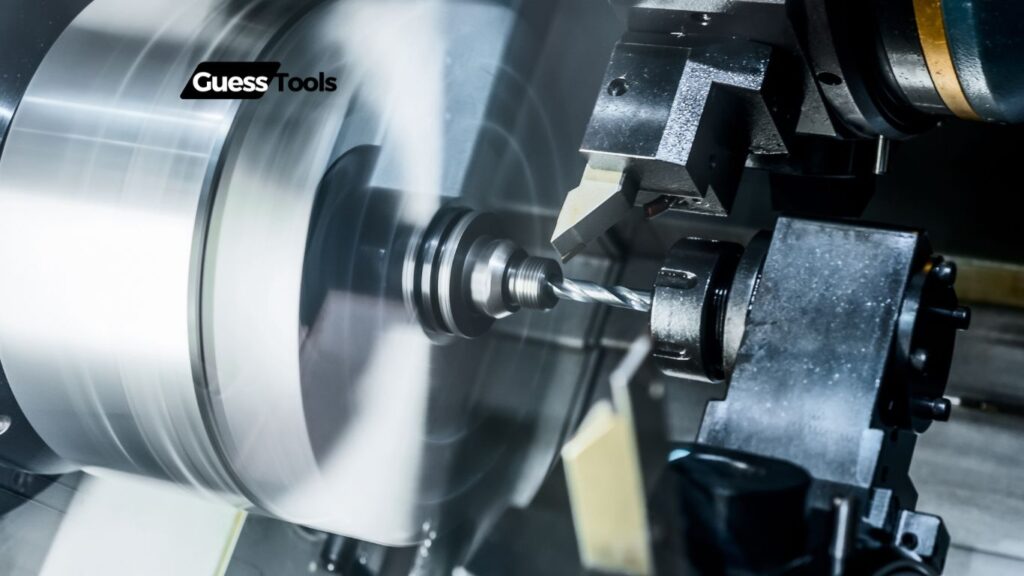
Looking for drill bits that can handle tough metals? Tungsten carbide drill bits for metal are among the strongest cutting tools available. These specialized bits are made from tungsten carbide – an extremely hard compound that stays sharp longer than standard steel bits and can cut through hardened steel, stainless steel, cast iron, and other […]
What Are Ball End Mills Used For: Your Complete Guide to These Essential CNC Cutting Tools

Looking to create smooth 3D surfaces or intricate designs in your machining projects? Ball end mills might be exactly what you need. These specialized cutting tools have a rounded tip that sets them apart from other end mills, making them perfect for detailed work. Ball end mills are primarily used for creating complex 3D shapes, […]
What Is Deep Hole Drilling: Expert Guide to Precision Machining Techniques

What is deep hole drilling? It’s a special way to make long, narrow holes in materials like metal. Deep hole drilling is defined by a depth-to-diameter ratio greater than 10:1, allowing for precise, straight holes with excellent surface finishes. This method differs from regular drilling because it needs special tools and techniques to keep the […]
Dovetail Cutter Feeds and Hasts: Expert Guide to Optimal Performance

Diving into the world of machining with dovetail cutters can be tricky if you’re unsure about the right dovetail cutter feeds and speeds. We’ve found that many machinists struggle with finding the perfect balance, which can lead to poor cuts or even damaged tools. The manufacturer’s recommended guidelines suggest adjusting your RPM and feed rates […]
Bull Nose vs Flat End Mill: Which Cutting Tool Gives You Better Results?

Choosing between a bull nose and flat end mill can make a big difference in your CNC machining results. We know both tools have unique strengths that make them ideal for different jobs. Bull nose end mills combine the best features of both flat and ball end mills, with a flat bottom and rounded corners […]
Vad är U Drill och hur fungerar det i bearbetningsapplikationer

Have you ever wondered what makes those perfectly drilled holes in metal parts? Let’s talk about U drills! A U drill is a specialized cutting tool with a unique U-shaped flute design and replaceable carbide inserts, created for efficient and precise hole-making operations in manufacturing. These clever tools were first developed by Sandvik in the […]
What is the difference between carbide and ceramic inserts?
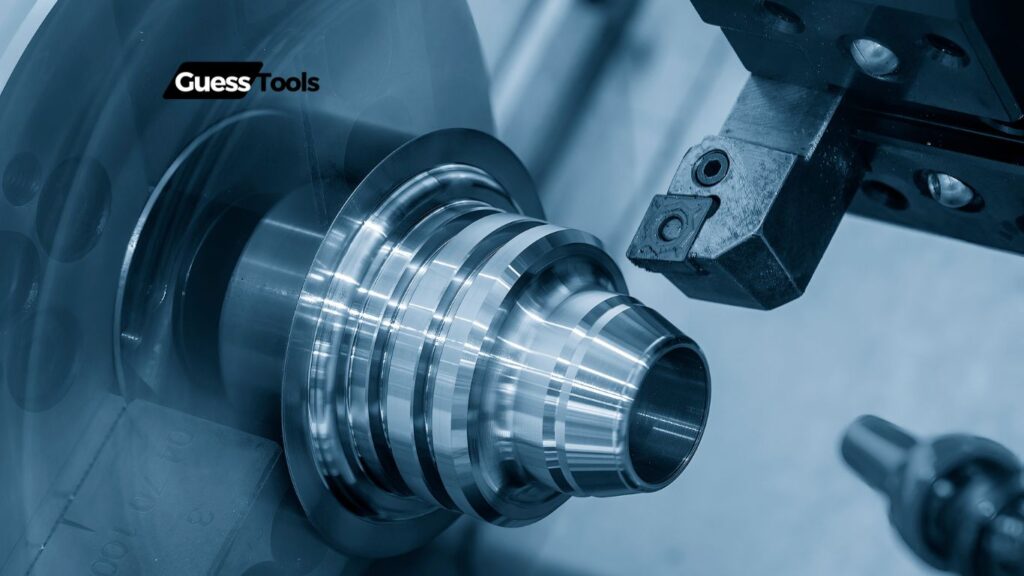
When choosing the right inserts for machining, the differences between carbide and ceramic options matter a lot. Ceramic inserts are significantly harder than carbide inserts, which allows them to withstand higher cutting speeds and offer superior wear resistance. This extra hardness means you can push your cutting speeds higher without damaging the tool, potentially increasing […]
Laxstjärtskärare för metall: Din kompletta guide till precisionssnickeri inom metallbearbetning

Are you looking to create precise dovetail joints in metal? Dovetail cutter for metal is a specialized tool designed for this exact purpose. These milling tools come in various angles (commonly 30°, 60°, and 90°) and are made from solid carbide for superior hardness, strength, and wear resistance when cutting metal materials. We’ve found that […]
Behöver karbid kylvätska? En maskinistguide till korrekta kyltekniker
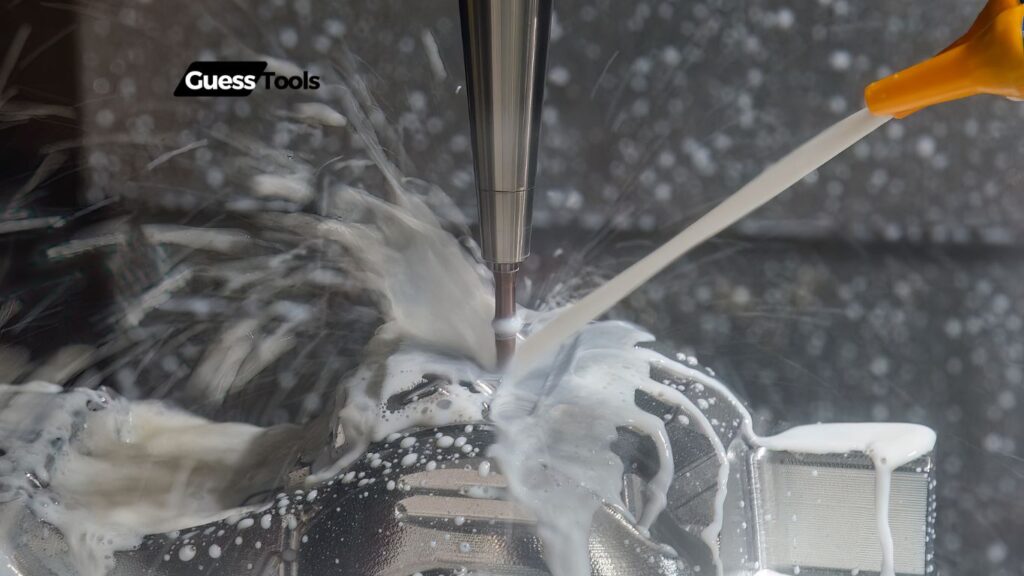
Frågan om hårdmetall behöver kylvätska är en fråga som många maskinister ställs inför i sitt dagliga arbete. Från vår erfarenhet och baserat på branschinsikter finns det ett tydligt svar: hårdmetallverktyg fungerar i allmänhet bäst med antingen översvämningskylvätska eller ingen kylvätska alls, men inget däremellan. Anledningen? Karbid klarar inte temperaturförändringar bra. När […]

