

Carbide turning inserts are small but mighty tools that help us shape metal and other materials into the parts we need. These specialized режущие инструменты are made from tungsten carbide and attach to turning tools on lathes to remove material and create precise shapes and finishes. You’ll find them in machine shops and manufacturing facilities everywhere.

We love using карбид вставки because they offer the perfect mix of hardness and durability. When you’re working with tough materials like steel or aluminum, these inserts can handle high speeds and temperatures while maintaining their sharp cutting edge. This means we can work faster and get better results.
Want to make your machining more efficient? Carbide turning inserts come in many shapes and sizes to match different jobs. Whether you need to rough out material quickly or create a super smooth finish, there’s an insert designed for your specific task. Let’s explore how to pick the right one for your needs.
Understanding Carbide Insert Construction
Carbide turning inserts combine specialized materials and precise geometries to create highly effective cutting tools. The construction details make a big difference in how well they perform specific machining tasks.
Core Materials and Composition
The foundation of turning inserts is карбид вольфрама, a super-hard compound that gives them exceptional wear resistance. We mix tungsten карбид powder with cobalt, which acts as a binding agent to create cemented carbide.
Different grades contain varying amounts of these materials:
- High cobalt content (10-15%): Greater toughness for rough cutting
- Low cobalt content (3-6%): Better wear resistance for finishing cuts
The mixture gets compressed and heated to create a dense, strong cutting tool. This process, called sintering, creates the insert’s distinct properties:
- Extreme hardness (up to 90 HRA)
- Высокая теплопроводность
- Strong resistance to deformation
Coated vs. Uncoated Inserts
Many modern inserts have special coatings that enhance their performance. Common coating materials include:
- Titanium nitride (TiN): Golden color, good all-around performance
- Titanium carbonitride (TiCN): Better wear resistance
- Aluminum oxide (Al2O3): Enhanced heat resistance
Uncoated inserts work well for:
- Non-ferrous materials like aluminum
- Lower speed applications
- When sharp передовойs are critical
Key Design Features and Geometry
Insert geometry plays a crucial role in cutting performance. Key measurements include:
Basic Features:
- Relief angle: Typically 0° to 20°
- Nose radius: 0.004″ to 0.125″
- Cutting edge length: Varies by application
Advanced Design Elements:
- Chipbreakers to control chip formation
- Edge preparation for strength
- Insert clamping methods for secure holding
The shape also affects performance. Common options are:
- Diamond (55° point)
- Triangle (60° points)
- Square (90° corners)
Types and Classifications

Carbide turning inserts come in many specialized shapes and designs to handle different cutting tasks. The right insert can make a big difference in your machining results.
Standard Insert Varieties
Common insert shapes include diamond, triangle, square, and round geometries. Each shape serves specific cutting needs:
Diamond (80°)
- Лучше всего для precision finishing
- Great for threading operations
- Provides good chip control
Triangle (60°)
- Economical – 3 cutting edges
- Strong cutting edge
- Works well for general turning
Square (90°)
- 4 usable cutting edges
- Good for heavy roughing
- Stable in tough conditions
Chip Breaker Designs
The chip breaker pattern on your insert affects how metal chips flow during cutting. We see these common types:
- Light chip breakers for finishing cuts
- Medium chip breakers for general purpose work
- Heavy chip breakers for rough cutting
Modern inserts use special geometries to control chip formation. Small grooves and raised areas guide chips away from the cutting zone.
Specialized Insert Types for Specific Applications
Different materials and operations need specific insert designs:
Threading Inserts
- Sharp points for precise thread forms
- Special profiles match thread standards
- Available in full and partial profile types
Grooving Inserts
- Narrow cutting edge for slots/grooves
- Extra support prevents deflection
- Come in various widths
Boring Inserts
- Anti-vibration features
- Long reach capability
- Internal chip control grooves
Performance Benefits
Carbide turning inserts give you major advantages in tool life, скорость резки, and finished part quality. Let’s look at what makes them such powerful performers in machining operations.
Comparison with HSS Tools
Carbide inserts last 3-5 times longer than high-speed steel (HSS) tools when used properly. The extreme hardness of carbide means less wear during cutting.
We’ve found that carbide maintains its sharp cutting edge even after hours of continuous use. This means fewer tool changes and less downtime for your shop.
Key advantages over HSS:
- 2-3x higher cutting speeds possible
- Better heat resistance up to 800°C
- Less frequent replacements needed
- More consistent cutting performance
Impact on Machining Speed and Efficiency
You can run carbide inserts at cutting speeds up to 1000 surface feet per minute (SFM) on many materials. That’s much faster than traditional HSS tools.
The heat resistance of carbide lets you maintain высокие скорости without damaging the cutting edge. Your cycle times drop significantly.
Productivity gains:
- 40-60% faster machining speeds
- Less time spent changing worn tools
- More parts produced per shift
- Более низкая стоимость за часть
Surface Finish Quality Improvements
The rigid cutting edge of carbide produces consistently smooth surface finishes. Parts often need minimal secondary finishing.
We regularly achieve surface roughness values below 32 microinches with carbide inserts. The precise geometry stays intact longer than HSS.
Finish quality benefits:
- Smoother surfaces right off the machine
- Более стабильное качество деталей
- Reduced need for finish passes
- Лучше Точность размеров
Selecting the Right Carbide Insert

Picking the perfect carbide insert requires careful consideration of materials, applications, specifications, and budget. We need to match these key elements to get optimal cutting performance and tool life.
Материальные соображения
Your workpiece material drives many insert selection decisions. Different materials need specific carbide grades and coatings.
Common Material Matchups:
- Мягкие материалы (алюминий, brass): Sharp edges, polished surfaces
- Medium materials (carbon steel): General-purpose grades
- Твердые материалы (>45 HRC): Tough carbide grades with wear-resistant coatings
The material hardness impacts cutting speeds and feed rates. Harder materials need slower speeds and tougher inserts.
Application-Specific Factors
Insert size matters for stability. Larger inserts (>25mm) work better for heavy cutting.
Key Application Factors:
- Depth of cut needed
- Поверхностные требования
- Объем производства
- Machine stability
- Tool holder compatibility
Match the insert geometry to your operation. Positive rake angles work well for finishing, while negative rake helps with roughing.
Understanding Insert Coding Systems
ISO codes tell us important insert details. The coding system uses letters and numbers to specify:
- Вставить фигуру
- Relief angle
- Size tolerances
- Cutting edge design
Example: CNMG 120404 breaks down as:
- C = 80° diamond shape
- N = 0° relief angle
- M = Medium tolerance
- G = Chip breaker style
Соображения стоимости
Price isn’t everything. Think about total cost per part.
Value Factors:
- Жизнь инструмента
- Cutting speeds possible
- Number of cutting edges
- Change-over time
- Сокращение отходов
A more expensive insert might save money through faster cutting speeds or longer life. Track performance to optimize your choice.
Consider starter sets with popular sizes and grades to test what works best in your application.
Optimizing Machining Parameters

Getting the right machining parameters is crucial for quality cuts and longer Жизнь инструмента. Let’s explore the key factors that affect carbide insert performance and learn proven strategies to optimize them.
Критические параметры
Твой скорость корма и Скорость резки play the biggest role in successful turning operations. We recommend starting with these basic ranges:
- Feed rate: 0.004-0.012 inches per revolution for finishing
- Cutting speed: 600-1000 surface feet per minute for most materials
- Depth of cut: 0.020-0.250 inches depending on operation type
The material you’re cutting affects these values significantly. Harder materials need slower speeds and lighter feeds.
Performance Impact Statistics
Proper parameter optimization can improve your results dramatically:
- Tool life increases 25-40% with correct speed settings
- Surface finish quality improves up to 60%
- Productivity gains of 15-30% are common
Poor parameter choices lead to:
- 50% reduction in insert life
- 35% more machine downtime
- 25% higher operating costs
Common Optimization Strategies
Start with these proven approaches to dial in your parameters:
Speed Adjustment Process:
- Begin at 70% of recommended speeds
- Increase gradually while monitoring wear
- Stop at first signs of degradation
Feed Rate Tips:
- Match feed to insert nose radius
- Increase feeds on stable setups
- Reduce when vibration occurs
We’ve found combining proper cutting direction with optimized глубина разрезания reduces forces by 20-30%. Monitor your machining conditions closely and adjust when you notice tool wear accelerating.
Remember to check rigidity – loose setups need reduced parameters. A rigid setup lets you push harder while maintaining accuracy.
Приложения в разных отраслях
Carbide turning inserts serve as vital tools across many manufacturing sectors. Their excellent heat resistance and durability make them perfect for высокоскоростная обработка operations.
Автомобильные приложения
We see carbide turning inserts used extensively in automotive manufacturing for creating precise engine components. They excel at machining engine blocks, crankshafts, and transmission parts.
These inserts help produce cylinder heads и brake rotors with exceptional surface finishes. The high wear resistance makes them ideal for large production runs.
Key automotive applications include:
- Engine block boring operations
- Crankshaft journal turning
- Brake disc machining
- Transmission shaft production
Aerospace Uses
The aerospace industry relies on carbide turning inserts for machining specialized alloys and titanium components. We find them crucial for creating turbine parts and landing gear components.
These tools maintain their cutting edge when working with:
- Теплостойкие суперпладол
- Титановые сплавы
- Aluminum airframe components
The inserts’ stability helps achieve the tight tolerances required for aircraft parts. Their long tool life reduces production costs on expensive aerospace materials.
General Manufacturing
In general manufacturing, we use carbide turning inserts for a wide range of machining operations. They work well on both small and large diameter workpieces.
Общие приложения включают:
- Shaft turning and facing
- Threading operations
- Groove cutting
- Profile turning
The inserts’ versatility makes them suitable for both roughing and finishing operations. Their predictable wear patterns help maintain consistent part quality.
Specialized Industry Applications
We find unique applications for carbide turning inserts in specialized industries like medical device manufacturing and energy production.
These tools excel at:
- Medical implant production
- Oil and gas component machining
- Power generation equipment parts
- Tool and die manufacturing
Their ability to maintain tight tolerances makes them perfect for creating precision medical instruments. The high heat resistance helps when machining tough materials used in power generation components.
Анализ затрат и выгод

Making smart choices about carbide turning inserts requires careful consideration of both short-term costs and long-term value. The right insert can save thousands of dollars over time through reduced Изменения инструмента и improved cutting performance.
Первоначальные инвестиционные соображения
The upfront cost of carbide turning inserts is higher than traditional cutting tools. A single insert typically costs between $15-50, while a complete tool holder system ranges from $200-500.
Material grade impacts price significantly:
- Basic carbide: $15-25 per insert
- Coated carbide: $25-40 per insert
- Premium grades: $40-60 per insert
We’ve found that larger manufacturing operations can benefit from bulk pricing discounts of 10-25% when purchasing insert sets.
Quality carbide grades from reputable manufacturers provide better value despite higher initial costs. Cheaper alternatives often lead to inconsistent performance and shorter tool life.
Long-Term Cost Savings
Carbide inserts typically last 2-3 times longer than high-speed steel tools when used properly. This extended life span reduces replacement frequency and associated labor costs.
Most inserts have multiple cutting edges that can be indexed when one edge wears out. A square insert provides 4 cutting edges, effectively dividing the per-edge cost by 4.
Let’s break down the savings:
- 75% reduction in tool changes
- 50% less machine downtime
- 30% lower annual tooling costs
Productivity Improvements
Modern carbide inserts enable faster cutting speeds – often 2-3x faster than traditional tools. This speed boost directly increases production output.
The heat resistance of carbide allows continuous machining without frequent cooling stops. We see typical productivity gains of:
- 40% higher feed rates
- 60% increased material removal rates
- 25% reduction in cycle times
These improvements mean more parts produced per shift with the same equipment and labor.
ROI Calculations
A typical ROI analysis shows carbide inserts paying for themselves within 3-6 months through improved efficiency.
Sample monthly savings calculation:
- Reduced tool changes: $300
- Lower downtime costs: $500
- Increased production: $1,200
- Total monthly benefit: $2,000
Initial investment in quality carbide tooling often returns 3-4x the purchase price within the first year of use.
Maintenance and Best Practices
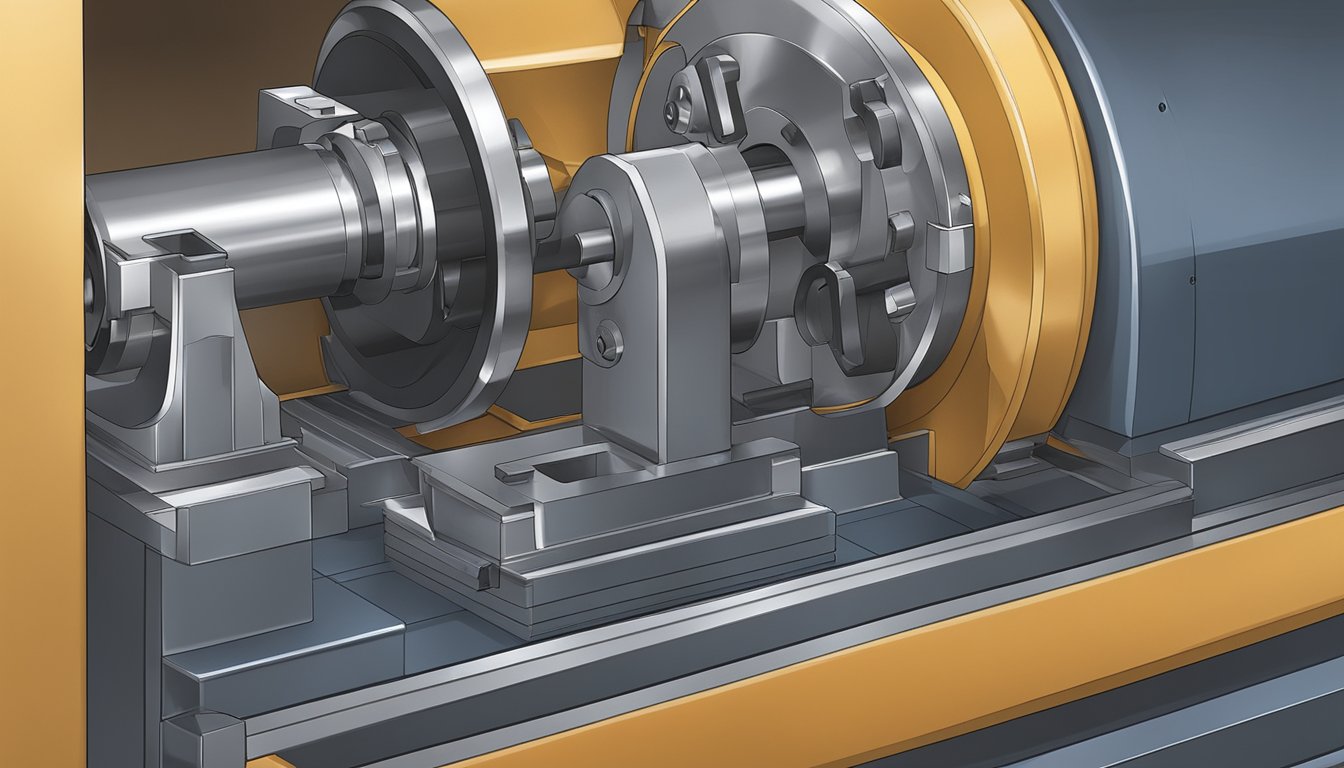
Taking good care of carbide turning inserts helps them last longer and work better. Regular maintenance and proper handling make a big difference in machining quality and tool life.
Proper Handling and Storage
Keep your inserts in their original packaging or special storage cases. Clean, dry conditions prevent rust and damage.
Never touch the cutting edges with bare hands – oils from your skin can cause problems. Use tweezers or wear gloves when handling inserts.
Store inserts away from moisture and extreme temperatures. A dedicated tool cabinet with separate compartments works great.
Label storage containers clearly with insert specifications. Good organization saves time and prevents mix-ups.
Мониторинг износа
Check inserts before each use for Признаки износа or damage. Look for:
- Chipped or cracked edges
- Unusual wear patterns
- Built-up material on cutting surfaces
- Dull spots or discoloration
Take photos of wear patterns to track how inserts perform over time. This helps predict when replacement is needed.
Use a magnifying glass or microscope for detailed inspections. Small defects can cause big problems if missed.
Replacement Timing
Replace inserts before they fail completely. Pushing worn tools too far leads to poor cuts and damaged workpieces.
Most machinists change inserts after:
- 2-4 hours of continuous cutting
- Visible edge wear exceeds 0.3mm
- Surface finish quality drops
- Cutting forces increase noticeably
Keep spare inserts ready to minimize downtime. Plan insert changes during natural breaks in production.
Устранение неполадок общих проблем
Poor surface finish? Check your coolant flow and concentration. Clean coolant helps inserts cut better and last longer.
If inserts chip frequently:
- Уменьшить скорость резки
- Check workpiece hardness
- Verify insert grade matches material
- Ensure rigid tool holding
Uneven wear might mean alignment problems. Double-check your setup and make sure everything’s tight.
Change cutting parameters gradually when testing solutions. Small adjustments often fix big problems.
Будущие тенденции и инновации
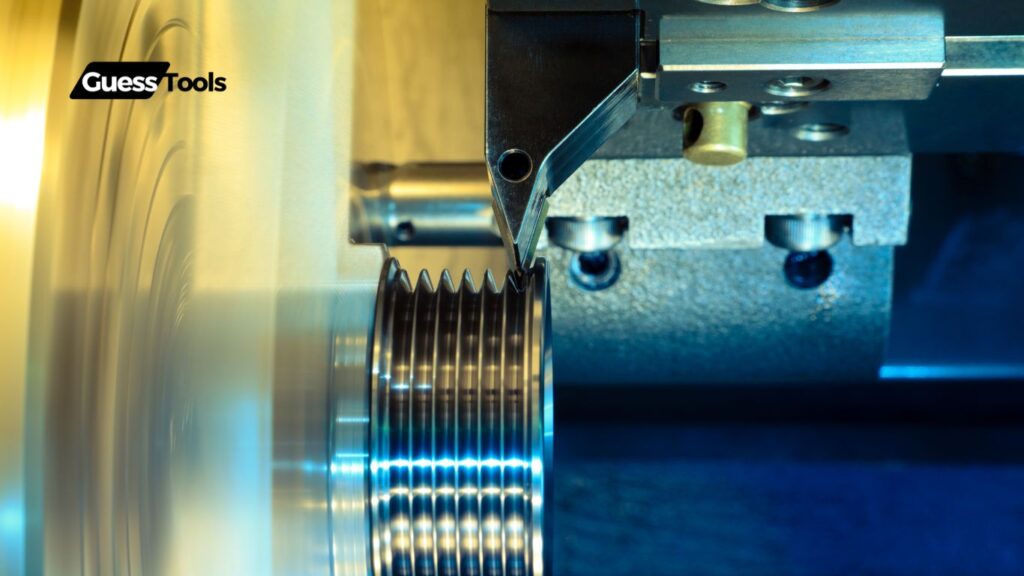
New developments in carbide turning inserts focus on improving performance, extending tool life, and increasing machining efficiency. Smart manufacturing and современные материалы are reshaping how these tools work.
Latest Coating Technologies
We’re seeing exciting advances in multi-layer coatings that combine different materials for better performance. New PVD and CVD coating methods create ultra-thin protective layers that resist wear and heat.
These modern coatings let us machine at higher speeds without damaging the insert. Some coatings now include nano-materials that make the surface extra smooth and durable.
Key coating improvements:
- Aluminum chromium nitride (AlCrN) for high-temperature stability
- Diamond-like carbon (DLC) for reduced friction
- Titanium aluminum nitride (TiAlN) with self-adapting properties
Advanced Geometries
Insert shapes are getting more precise thanks to better manufacturing methods. We can now make complex chip breakers that control metal chips more effectively.
The cutting edges feature micro-textures that help reduce friction and heat. Some new designs include special channels for better coolant flow right to the cutting zone.
Popular geometry features:
- Positive rake angles for более плавные порезы
- Wiper geometries for better surface finish
- Reinforced cutting edges for longer life
Новые приложения
Smart sensors built into newer insert holders track cutting forces and temperatures in real time. This helps prevent tool breakage and ensures consistent quality.
AI systems now suggest the best cutting parameters based on the material and conditions. We’re using these inserts more in hybrid manufacturing, where traditional cutting combines with new methods.
Growing application areas:
- Aerospace composites
- Medical implant materials
- Green manufacturing with minimal coolant
- Hard-to-machine superalloys


