

Cum ad machinationem venit, eligens inter molam faciei et molendinum finem potest signanter effectum tui consilii incursum. Molendina faciei excellunt ad superficies planas creando cito cum optima meta qualitatis, dum finis molendinorum magis versatilem offerunt pro variis operibus incisis inclusis figuris complexibus et cavitatibus. Discrimen rerum est quia per iniuriam instrumenti in tempus terendo consequi potuit, eventus pauperum, vel etiam materias quassatas.

Num miratus es cur aliqui machinistae videntur ad varia instrumenta pro similibus operibus assequi? Molendina faciem in machinis molendiribus horizontalibus laborantibus typice invenimus, materiam maiorem per diametrum maiorem cum multis incisionibus incisis removentes. Molendina vero extrema, in machinis millingis verticalibus solent operari et utroque latere et superficiebus imis secare possunt.
Materia remotionis rate alia clavis differentia est ad incepta tua consideranda. Molendina faciei plerumque materiam citius removent ob diametrum maiorem sectionem et multiplices insertiones, eas perficientes maioribus planis superficiebus. Molendina finientia tardius laborare possent, sed subtilitatem tibi dabo necessariam ad accuratam laborem sicut foramina, loculos, et superficies contoured ubi accuratio plus quam celeritas refert.
Introductio
Milling est communis processus machinandi qui materiam removet instrumenta sectionis utens circumducitur. Hodie duo primaria milia technicas molendiarias explorare incipimus: faciem milling et finem milling.
Mirabar umquam, quid has duas modos dissimiles facit? Dum prima specie similia videntur, distinctis propositis in metallandis operandis et singularibus applicationibus inserviunt.
Facies millendi et finis molendini principaliter differunt quomodo materiam incidant. Facies milling summo instrumenti utitur ad superficies planas perpendiculares ad axem instrumenti creandum. Molendinarius vero maxime utitur instrumenti lateribus ad secandum axem eundem cum fuso.
Scistine finem molarum aliquas molis moliendi exercere posse, sed molendina facies finem jobs millingendi tractare non possunt? Hoc interesting res effert versabilitatem finis molendinorum non obstante diverso consilio proposito.
Electio inter has duas artes ex pluribus causis pendet:
- Superficies opus creare
- Materia remotionem rate requisita
- Subtilitas opus
- Apparatu available in tabernam
Has differentias destruemus ut intellegas iuvare cum singulis methodis inceptis tuis utendum. Divertamus in mundum milling ut tuum consilium altera facilior machinis efficiat!
Intellectus Basics
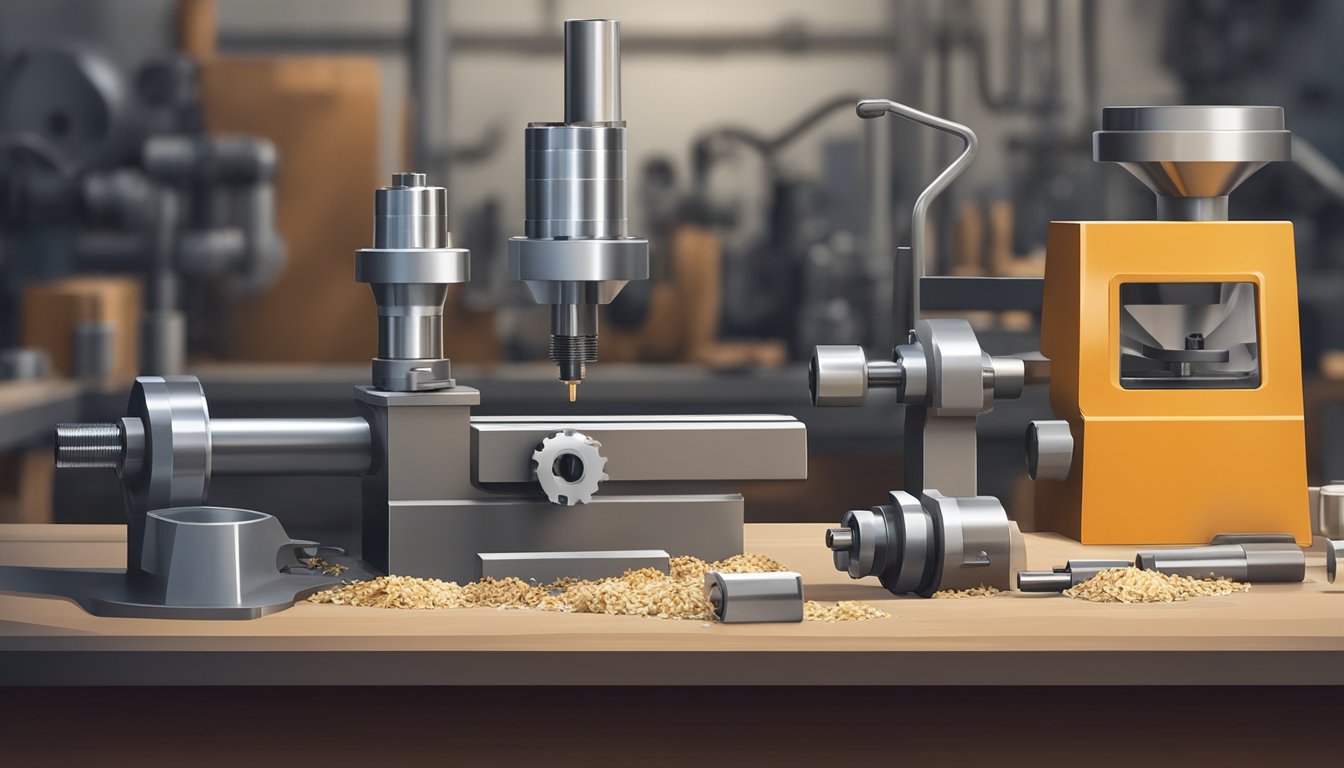
Cum ius instrumenti ad milling project eligendo, essentiale est intelligere differentias fundamentales inter mola faciei et molendina fini. Hae duae communitates serratores communibus propositis distinctis inserviunt ac peculiarem notam habent, quae eas aptas ad specificas applicationes efficiunt.
What Is A Face Mill?
Molae faciei instrumentum asciacum principaliter designatum est ut superficies planas perpendicularis ad axi fusum crearet. Typice habet plures margines incisiones (vel insertas) per peripheriam instrumenti corporis dispositas. Hae acies incisiones actuosam faciunt materiam removendi.
Molendina faciei plerumque maiora sunt in diametro quam molendina finis, quae plus permittunt spatium superficiei in uno saltu tegere. Praestant rates materiales remotionis altae, easque aptas facientibus magnarum rerum superficies efficiunt.
Actio molae faciei secans maxime in ima facie occurrit, cum marginibus periphericis superficiem finitam creans. Plurima molendina faciei non possunt nisi in plano horizontali secare et muros verticales facere sicut molendina finis possunt.
What Is An End Mill?
Molendini finis est mobilior dromonis quae in plures partes secare potest. Molendina dissimilia faciei, molarum extremitates secare possunt utentes utraque parte et marginem imum, ut varias lineas inter foramina, loculos et Venustates creare sinant.
Instrumenta haec in multis varietatibus comprehensa veniunt:
- Finis plana molendina generalis ad opus
- Finis molendinorum pila nam superficiebus curvae
- Nasus tauri finis molendina nam mixta features
Molendina finis fere minora sunt diametro quam mola faciei sed plura genera operationum praestare possunt. Egregii sunt ad opera singillatim et geometrias implicatas creandas.
Saepe molendina fine utimur cum verticaliter secare vel tres dimensiones figuras creare necesse est. Dum aliquas operationes adversos facere possunt, non tam efficaces sunt quam mola faciei pro magnis planis superficiebus.
Clavis Terminology Ad Novi advenae
Si molendinum novum es, hic condiciones quaedam necessariae sunt intellegendi:
| Term | Definition |
|---|---|
| Flutes | Ferro oras incidere; plus tibiarum solet esse melius finiatur |
| Chipload | Moles materiae remota ab unoquoque aciei per revolutionem |
| Rate feed | Celeritas ad quam ferrum per materiam movetur |
| RPM | Celeritas gyrationis ascia |
Scandere milling vs. conventional milling refertur ad directionem incisi relativam ad rotationem instrumenti. In molendino scandere, dromonem in eandem partem ac pastus circumagatur, quae saepe melius finitur.
In coating in molendis caedentibus effectum et instrumentum vitae afficit. Communes tunicas includunt TiN (nitridum titanium), AlTiN (aluminium nitridum titanium), et ZrN (nitride zirconium).
Haec basics intellegentes melius decisiones facere valebunt cum eligendo inter molas faciei et molendina finiunt pro certis necessitatibus machinis tuis.
Design And Functionality Comparison

Molendina facies et molendina finis significanter differunt in lineamentis designandis, quae directe impactibus in agendis et applicationibus sunt. Hae differentiae influunt quomodo unumquodque instrumentum varias materias tractat et operationes secans.
Secans Edge configurationis
Molendina vultus pluma typically plures sectione adiicit circa peripheriam instrumenti corporis dispositi. Haec interiecta amovibilia sunt et subrogabilia, quae cum labore consumuntur, sumptus efficax est.
Plurima faciei molendina habent inter 4-24 inserta diametro pendentes. Horum positio inserta viam secans amplam efficit, magnis planis superficiebus perfectam.
Molendina vero extrema plerumque habent 2-8 tibias (oras secans) per latus currunt et interdum per fundum ferramenti. Numerus tibiarum afficit;
- Chip spatium evacuationis (Minus tibiarum = plus spatium)
- Secans vires (Magis tibiarum = fortior sectione actio)
- Superficiem metam (Magis tibiarum saepe = levius metam)
Aluminium et materias non ferreas commendamus 2-3 tibiaedum chalybeis machinatio typice 4+ tibiarum indiget ad meliores exitus.
Magnitudine et Diametro Varietas
Molendina facies sunt plerumque maior in diametro quam molendina fine, typice vndique a 2-20 dig. Haec maior magnitudo permittit ut plus ambitus superficiei in uno saltu operiantur, efficiens ut ad res gerendas efficiat.
Diameter substantialis molarum faciei mediante validioribus machinis indigent cum rigidis setups ad tractandas copias incisas.
Molendina finis veniunt in diametris multo minoribus, de more 1/64 .″ ad III "″ magnitudines maxime communes esse;
- 1/8″ (0.125″)
- 1/4″ (0.25″)
- 1/2″ (0.5″)
- 3/4″ (0.75″)
Haec minor magnitudo molendina finem dat versatilem ad fundas, foramina et superficies contoured, ubi subtilitas res plus quam materialis remotionis rate refert.
Globus molendina finis, molendina finis quadrata, molendina finis quadrati sunt omnes variationes quae varias personas pro certis applicationibus offerunt.
Helix Anglus Variations
Helix angulus in instrumentis secandis insigniter in agendis impingit. Ad molas finem, helix angulus ad spiram tibiarum circa corpus ferramentum refertur.
Finis molendinorum Latin typice habent 30° angulum Helixem, qui bonam praebet proportionem inter vires et evacuationem spumam.
Princeps Helix finis molendinorum (45°-60°) excellere at:
- Reducing sectione copiae
- Improving chip evacuatione
- Providemus leviora sectione actio
- Melius perficientur in molliore materia
Molendina faciei plerumque angulum fixum vel tenuem in suis inserens. Hoc consilium magis in angulum plumbeum (angulus inter marginem aciei et workpiece tendit).
Angulus plumbeus in mola faciei typice vagatur ab 0°-45°, cum 45° communis sit ad fines generales et angulos inferiores ad operationes perficiendas.
Instrumentum Geometria impulsum ad euismod
Geometria instrumentorum molendinorum ad facultates perficiendas directe afficit. Molendina facies cum angulis positivis rastris secantibus vires et generationem caloris minuunt, apta ad machinis materiis sicut aluminium faciens.
Rastri negativi anguli super molendina faciei instrumentum vires augent sed maiorem potentiam requirunt. Hoc facit ut materias lentas meliores sicut ferrum intemeratum.
Ad molendina finis, invenimus varias geometrias certis propositis inservire;
- Finis plana molendinaPerfect ad partum quadrata umeris et plana deorsum fundas
- Finis molendinorum pila: Specimen for 3D Venustates et vittis
- Radii finis molendinorum: Coniunge utriusque attributa vires cum aliqua contouring facultate
In anguli design etiam crucial. Anguli acuti subtilitatem praebent sed fragiles sunt, cum radii anguli firmitatem geometriae exactae offerunt.
Chip contritiones et tibiae designationes etiam magnas partes agunt in praeveniendo chip recutting et curando proprium chip evacuationis in operatione.
Characteres euismod

Molendina facies et molendina finis significanter differunt in agendis in machinis operationibus. Instrumentum quem eligis, omnia incursum faciet quam cito materiam ad qualitatem superficiei perfecti removere potes. Has factores criticas indagantes ut adiuvent te machinis iudicia meliorem facere.
Materia Remotio Rates
Molendina facies plerumque offer altior materia remotionem rates quam finem molendinorum. Hoc commodum est ex diametro maiore et in oras multiplices. Mola typica facies usque ad 3-5 tempora plus materiae per passum removere potest quam molendinum finis similis qualitatis.
Cum opus est ut magnas planas superficies cito patefaciat, mola faciei nostrae electioni sunt. In machinis asperis excellunt operationes, ubi celeritas magis quam subtiliter refert.
Molendina finiunt, dum tardius ad remotionem materialem pertinent, meliorem potestatem praebent certa milling. Ideae sunt, cum subtiliter in partibus magis complexis materiam remotionis aptare debes.
Memento quod impellit vel instrumentum ultra suum commendatur cutting parametri praematurum lapsum et pauperem eventum ducere potest.
Secans Direct Capabilities
Finis molendina superior mollitiem in sectione directiones. Secare possunt;
- Axially (prouexit)
- Radialiter (parte secans)
- In compositione motus tres dimensiones machining
Haec versatilis molendina finem praestantia facit ad inflexionem, sinum, et ad curvas superficies creando in uno statuto.
Molendina facies sunt magis limitata, imprimis ad axem perpendicularis secans. Praestant superficiebus planis creandis sed certant cum venustatibus implicatis et perfiles.
Distributio vis secantis etiam inter haec instrumenta differt. Molendina facies secans copias per multiplices insertas expandit, sarcinam in unam quamlibet aciem secans minuens et in planis superficiebus gravioribus secat permittens.
Chip De institutione et Evacuatione
Proprium chip administratio pendet ad res mills prospere. Molendina faciei typice maiora, astulae crassiores quae facile e zona incisione evacuant. Apertum consilium eorum astulas cito purgare permittit, reducendo calorem aedificationis et instrumentum vitae extendentis.
Molendinis faciebus melius saepe consequi possumus propter evacuationem assulam;
- Actio secans directior est
- Plus spatii est inter margines incidendi
- Eu repelluntur ab workpiece efficacius
Molendina finire possunt cum evacuatione spumae luctari, praesertim in profundis loculis vel foraminibus. Eorum tibia arctiore spatio perducere potest ad sarcinam et recutting assident, augendo calorem et instrumentum vitae reducendo.
Ad operationes criticas, instrumenta propria tibia geometriae eligens et apta secando fluida utens, signanter emendare chip evacuatione utriusque instrumenti generis.
Superficiem Conclusio Quality
Superficies qualitatis consummationis multum pendet a instrumento electionis. Molendina facies typice producendum optimum superficiem finiatur in planis superficiebus, saepe minimas alias operationes perficiendas requirunt. Plures orae secantes constantiorem actionem per workpiece creant.
Molendina finis consequi potest bonam superficiem finitionem sed plura notas instrumentorum ostendere potest, praesertim cum secans partem instrumenti. Praestant ut accuratam accurate dimensivam in complexionibus notis efficiant, ubi finis superficies esset secundaria.
Ut summa diligentia milling medicamenta commendamus;
- Using a finishing face mill with a high insert count for flat surfaces
- Selecting end mills with more flutes for better surface finish on contoured features
- Adjusting cutting speeds and feeds based on material and desired finish
The right combination of tool selection and cutting parameters will help you achieve the best balance of machining time and surface quality.
Applications By Industry

Face mills and end mills serve different purposes across various manufacturing sectors. Each tool has specific strengths that make it ideal for particular industry applications where precision CNC machining is essential.
Automotiva Applications
In automotive manufacturing, we use both face mills and end mills extensively. Face mills are perfect for creating flat engine blocks and cylinder heads where large, flat surfaces need perfect finishes. Their large cutting area makes quick work of these components.
End mills shine when machining transmission housings and complex engine parts. Their versatility allows us to create intricate cooling channels and precise valve seats. When working with aluminum parts like intake manifolds, smaller end mills help us achieve the detailed features needed.
Communia medicamenta autocineta:
- Face mills: Engine blocks, cylinder heads, transmission cases
- Finis molendinorum: Valve components, brake calipers, custom engine parts
Ad altum volumen lineae productionis, facies molendina machinis tempus significanter minuunt. Molendina finis aptiores sunt ad morem vel partes post mercaturae in quibus singillatim plus quam velocitatem refert.
Aerospace Usus
Aerospace postulat eximiam subtilitatem et specialitatem materiae. Saepe utimur Titanium et admixtiones caloris renitentes quae accessiones specificas requirunt.
Molendina facies excellunt cum creando planas superficies ascendentes in molis et compages compages. Eorum stabilitas strictas tolerantias necessarias ad conventum aircraft praebet. Magnae tabulae aircraft adiuvantur ex materia efficienti remotionis faciei molendina oblata.
Molendina extrema crucia sunt pro complexionibus partium aerospace sicut turbines componentium et structurarum levium elementorum. Facultatem creandi 3D Venustates facit eas essentiales ad cornu sparsum et in superficiebus control.
Material considerations in aerospace:
- Titanium components → Specialized end mills with proper coatings
- Aluminum structures → High-speed face milling for efficiency
- Composite materials → Special end mill geometries to prevent delamination
The aerospace industry often requires both tools working together in a single CNC machining center to achieve final parts.
Medical Fabrica Vestibulum
Medical device manufacturing requires extreme precision and often uses specialized materials. End mills dominate this industry due to the intricate nature of medical components.
We use small-diameter end mills to create the precise features needed in orthopedic implants like knee and hip replacements. These tools can produce the exact surface textures that promote bone integration.
Molendina faciei magis limitata applicationes habent, sed valida sunt ad creandas planas superficies ascendentes in insterni medica instrumenti et majorum partium fabrica.
Clavis medicamentorum applicationes:
- Instrumenta chirurgica (finem molendinorum in opere detail)
- Cogitationes plantabiles (specialized finem molendina quia biocompatible materiae)
- Medicorum apparatu habitationi (faciem molendina ad plana superficies)
Arcta tolerantiae artissimae in fabrica medicinali saepe nos requirunt ut alta celeritate CNC machinis utamur premium finis molendinorum specialiter ad hanc industriam designandam.
Gravis Machinery Productio
In gravi machinarum productione, efficientia et durabilitate essentialia sunt. Molendina faciei in hac industria sunt officinae, cito magnas materiae e ferro et ferro emissariis removent.
We regularly use face mills for machining large equipment bases, industrial pump housings, and heavy equipment frames. Their ability to take aggressive cuts reduces production time significantly.
End mills still play a crucial role when creating features like keyways, slots, and pockets in heavy machinery components. They’re particularly useful for maintenance parts that need to fit precisely with existing equipment.
Production considerations:
- Material hardness affects tool selection
- Part size often determines whether face or end mills are appropriate
- Production volume influences optimal tooling strategies
For very large components, specialized face mills with replaceable inserts provide both economy and precision in CNC machining operations.
Selection Criteria For Projects

Choosing between a face mill and end mill depends on several key factors. We’ll explore how materials, surface needs, project size, and budget influence this decision to help you make the right choice for your specific machining tasks.
Materia considerations
The workpiece material plays a crucial role in tool selection. Face mills work best with harder materials like cast iron and steel because of their sturdy construction and multiple cutting edges that distribute cutting forces.
When working with aluminum or softer materials, we recommend using finis molendinorum as they prevent material buildup on the cutting edges. End mills with proper flute designs allow better chip evacuation in these materials.
For tough-to-machine alloys like titanium or Inconel, specialized end mills with variable pitch and proper coatings provide better results. We’ve found that securing these materials in appropriate fixtures is essential to prevent movement during cutting operations.
Remember that material hardness affects tool life significantly. Harder materials require slower speeds and stronger tools, while softer materials allow for faster material removal rates.
Surface Requirements
The finish quality you need directly impacts your milling choice. Face mills excel at creating flat, smooth surfaces across large areas. Their multiple cutting edges produce consistent finishes, making them ideal for visible surfaces or mating components.
When you need subtilitas vel complex profiles, finis molendinorum are your go-to tool. They create detailed contours, pockets, and slots with good surface quality. For tight tolerances, we recommend smaller diameter end mills with more flutes.
Surface roughness specifications matter too:
- Ra < 1.6μm: Use finish-specific face mills or fine-tooth end mills
- Ra 1.6-3.2μm: Standard face mills work well
- Ra > 3.2μm: Focus on material removal rate over finish
Proper tool holders and fixture stability are essential for achieving consistent surface quality. Even the best tool can’t overcome poor workholding.
Project Scale Factors
The size of your project significantly influences tool selection. For large flat surfaces, face mills provide efficiency through higher material removal rates. They cover more area per pass, reducing machining time on industrial-scale projects.
Finis molendinorum work better for smaller projects or detailed work. They’re more versatile for various operations like slotting, contouring, and pocketing. When working with complex parts, we typically use end mills of different sizes to complete various features.
Project quantity matters too:
- One-off projects: Versatility of end mills often wins
- Production runs: Face mills’ efficiency becomes more valuable
Workshop space also impacts your choice. Face mills generally require more robust machines with higher horsepower, while end mills can work effectively on smaller machines. When setting up multiple operations, compatible fixtures that work with both tool types save significant setup time.
Budget Constraints
Cost considerations extend beyond just the initial tool purchase. Face mills have higher upfront costs but use indexable inserts that can be rotated or replaced when worn. This makes them economical for high-volume work despite the higher initial investment.
Finis molendinorum cost less initially but must be replaced entirely when worn. However, they require less powerful machines, potentially saving on equipment costs. For smaller shops, we’ve found that starting with quality end mills provides more versatility per dollar spent.
Tool life factors to consider:
- Rigidity: Proper fixtures and setups extend tool life
- Cutting parameters: Appropriate speeds and feeds prevent premature wear
- Coolant use: Proper cooling extends tool life significantly
Don’t forget maintenance costs! Face mill inserts need regular rotation and replacement, while EXERCITATIO bits and end mills require occasional resharpening. For tight budgets, investing in good workholding before expensive tooling often yields better results.
Machina Requisita

Selecting the right milling tool requires careful consideration of your machine’s capabilities. Both face mills and end mills have specific machine requirements that can significantly impact your machining results and tool life.
Rigidity Considerations
Machine rigidity is perhaps the most critical factor when choosing between face mills and end mills. Face mills typically demand more rigid machine setups due to their larger cutting diameters and higher cutting forces.
When using face mills, your machine must be able to handle more substantial lateral forces without deflection. Many machinists we’ve worked with have noticed that even small amounts of machine flex can cause chatter and poor surface finish with face mills.
End mills, being smaller in diameter, generally create less cutting force but may require higher spindle speeds. For precision work with end mills, your machine still needs good rigidity, especially when working with hard materials or taking deeper cuts.
Quick rigidity checklist:
- Face mills: Need robust machines with excellent rigidity
- End mills: Can work on less rigid setups, but precision still requires stability
- Both: Vibration control becomes more critical as cutting speed increases
Power Requirements
The power needs for face milling versus end milling differ significantly. Face mills typically require more horsepower due to their larger cutting area and multiple inserts engaging the workpiece simultaneously.
Your machine’s motor power must match the demands of your chosen tool. A 4″ face mill with 5 inserts might need 5-7 HP for effective cutting in steel, while a 1/2″ end mill might only need 1-2 HP for similar material.
Spindle speed requirements also vary. End mills often need higher RPMs to achieve optimal cutting speeds, especially when using solid carbide or high-speed steel (HSS) tools. Face mills generally operate at lower RPMs but need more torque.
We’ve found that many smaller machines can handle end mills effectively but struggle with larger face mills due to power limitations. Consider these factors when selecting your milling strategy:
- Motor horsepower
- Available torque at various RPM ranges
- Speed control precision
- Acceleration/deceleration capabilities
Toolholding Systems
Ius toolholding system can make or break your milling operation. Face mills typically use larger arbors or shell mill holders that connect directly to the spindle, providing excellent stability for heavier cuts.
End mills require different toolholding solutions based on their shank type:
- Collet holders: Good for general purpose work
- Shrink fit: Excellent runout control and balance
- Hydraulic holders: Great damping characteristics
- Milling chucks: Solid holding power with decent runout
For high-precision work with solid carbide end mills, we recommend toolholders with runout of less than 0.0002″. This precision becomes even more critical at higher speeds.
When using indexable tools, the interface between the cutting head and holder must be clean and properly torqued. Even small amounts of contamination can lead to runout issues and premature tool failure.
Setup Best Practices
Proper setup ensures you get the most from your milling operation regardless of whether you’re using face mills or end mills.
For face milling operations, we recommend:
- Ensure the workpiece is properly supported across its entire surface
- Use multiple clamps positioned away from cutting paths
- Check for potential clearance issues before starting
- Verify spindle tram for parallel cutting surfaces
When setting up for end milling:
- Instrumentum magna prominentes quotiens fieri potest
- Use the largest diameter tool that fits your feature requirements
- Consider climb milling for better surface finish when your machine allows
- Pay attention to chip evacuation, especially for deeper pockets
Tool runout checking should be standard practice for both types of operations. Even 0.001″ of runout can reduce tool life by 50% and compromise surface finish quality.
We’ve seen substantial improvements in tool life and machining quality when shops implement proper warmup cycles for their machines before precision work. This helps stabilize thermal conditions throughout the machine structure.
Economic Considerations
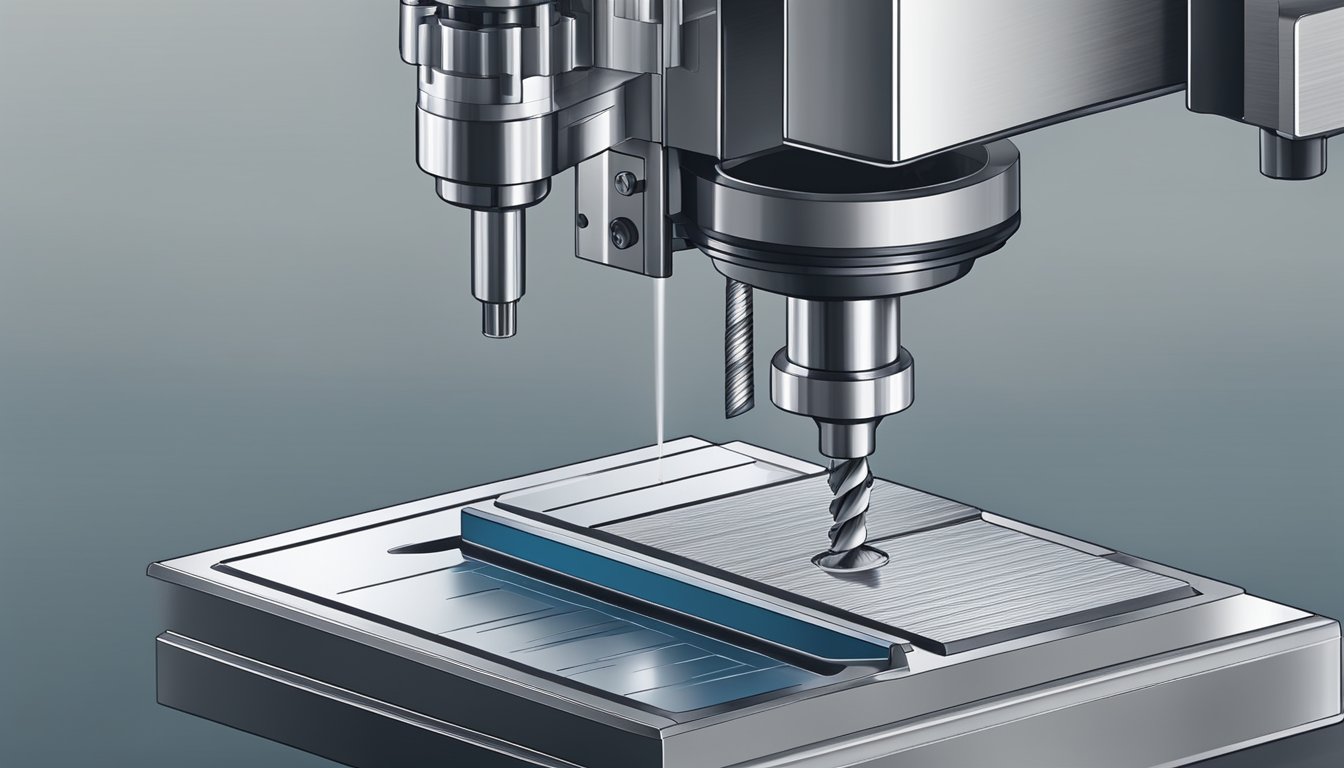
When choosing between face mills and end mills, the financial aspects often play a crucial role in decision-making. Both tools have different cost structures and economic implications that can significantly impact your workshop’s bottom line.
Coepi Tractatus Comparatio
Face mills typically require a higher upfront investment than end mills. A quality face mill with replaceable inserts can cost anywhere from $150 to $800 depending on size and quality. This higher initial cost might seem daunting at first glance.
End mills, on the other hand, generally have a lower entry price point. You can find solid carbide end mills starting around $20-30 for basic models, making them more accessible for beginners or small workshops with limited budgets.
However, it’s worth noting that face mills often come with multiple cutting edges via replaceable inserts. This design feature means you’re essentially buying multiple cutting tools in one, which can offset the higher initial price tag over time.
Tool Life Expectations
Face mills typically offer longer operational lifespans due to their replaceable insert design. When one cutting edge dulls, you can simply rotate or replace the insert rather than replacing the entire tool. Most inserts provide 4-8 cutting edges, effectively multiplying your tool life.
End mills, while less expensive initially, generally have shorter lifespans as single-piece tools. Once they dull, resharpening is possible but limited, and eventually, full replacement becomes necessary.
We’ve found that in high-volume production environments, face mills can be more economical long-term despite higher upfront costs. For example, a face mill with 8 inserts (each with 4 cutting edges) could provide 32 fresh cutting surfaces before needing new inserts.
Maintenance Requirements
Maintenance costs differ significantly between these tool types. Face mills require regular insert replacement, but the body itself rarely needs replacement unless damaged. Inserts typically cost $5-20 each, depending on quality and coating.
End mills need regular resharpening, which either requires in-house equipment or outsourced services. A professional resharpening service might charge $10-15 per end mill, and each tool can only be resharpened a limited number of times.
The maintenance setup is also different. Face mills need basic torque wrenches and cleaning supplies for insert changes. End mills require either investment in sharpening equipment ($500+) or establishing a relationship with a resharpening service.
Overall Cost Efficiency
When analyzing cost efficiency, we need to consider material removal rates alongside tool costs. Face mills excel at removing large amounts of material quickly, reducing machining time and associated costs.
End mills operate more slowly but offer precision and versatility. For small projects or detail work, this efficiency balance favors end mills despite their shorter lifespan.
Workshop size and production volume heavily influence which option provides better value. Here’s a quick comparison:
| Factor | Face Mills | Finis Mills |
|---|---|---|
| Initial cost | Higher ($150-800) | Lower ($20-100) |
| Ongoing costs | Insert replacement | Full tool replacement or resharpening |
| Best for | Summus volubilis productio | Small batches, detailed work |
| Material removal rate | Superior | Inferior |
Production volume is the key determinant. For hobbyists or small shops with limited use, end mills often prove more economical despite needing eventual replacement.
Practical Decision Guide
Choosing between face mills and end mills depends on your specific project needs, available equipment, and desired results. Here’s how to make the right choice for your machining project.
When To Definitively Choose A Face Mill
Face mills are your best friend when dealing with large, flat surfaces. When you need to remove material quickly across wide areas, a face mill will outperform an end mill every time.
Ideal scenarios for face mills:
- Large workpieces with flat surfaces
- When surface finish is a priority
- High material removal rates are needed
- You have a rigid machine setup
- Initial facing operations on rough stock
Face mills typically have multiple cutting edges (inserts) that work together to create smoother finishes. We’ve found that for production environments where time equals money, face mills can reduce machining time by up to 60% on large flat surfaces.
Remember that face mills require more horsepower. Your machine needs enough power to handle the cutting forces generated by multiple cutting edges engaging simultaneously.
When To Definitively Choose An End Mill
End mills shine when precision and versatility are your top priorities. These tools excel at creating detailed features and working in tight spaces.
End mills are the clear choice when:
- Creating slots, pockets, and contours
- Working with smaller workpieces
- Machining vertical walls
- You need plunge cutting capability
- Performing detail work
One of the biggest advantages of end mills is their ability to cut in any direction. We can use them for side milling, plunge cutting, and even face milling smaller areas.
End mills are more versatile but typically remove material more slowly than face mills on large surfaces. For precise work like mold making or intricate parts, their versatility makes them indispensable.
Hybrid Approaches And Alternatives
Sometimes the best approach combines both tools or uses specialized alternatives for specific situations.
Effective hybrid strategies:
- Use face mills for initial stock removal
- Follow with end mills for detail work
- Consider shell mills for medium-sized areas
- Try fly cutters for light-duty facing with minimal investment
We’ve seen great results using modular tooling systems that allow quick changes between different cutting heads on the same holder. This flexibility can save significant setup time.
For hobby machinists or those with smaller machines, a good quality end mill can handle occasional facing operations. Single-insert face mills offer a middle ground for smaller machines while still providing some facing advantages.
Don’t forget about specialized tools like high-feed mills that combine aspects of both tool types for specific applications.
Conclusion And Resources

Choosing between face mills and end mills doesn’t have to be difficult once you understand their key differences and ideal applications. Both tools have their place in your machining toolkit depending on your specific project needs.
Summary Of Key Differences
Face mills and end mills differ in several important ways that affect when you should use each tool. Face mills excel at creating flat surfaces perpendicular to the spindle axis (90 degrees). They typically have multiple cutting edges and remove material using their faces rather than their sides.
End mills are more versatile tools that can cut using both their sides and ends. This makes them ideal for creating contours, slots, and profiles. While end mills can perform some face milling operations, they’re generally less efficient at creating large flat surfaces than dedicated face mills.
The machine setup also differs between these tools. Face mills often work best with horizontal milling machines, while end mills are commonly used with vertical milling machines.
Decision Flowchart
Use this simple flowchart to help you decide which tool is right for your project:
Face Mill is best when:
- You need to create large, flat surfaces
- Your cut needs to be perpendicular to the spindle
- Maximum material removal is the priority
- Surface finish quality is critical
- You have a rigid machine setup
End Mill is best when:
- You need versatility for different cutting operations
- You’re working with contoured surfaces or slots
- You need to cut in multiple directions
- Your project requires intricate details
- You have limited tool options and need one tool for multiple jobs
Recommended Resources For Further Learning
We recommend several resources to deepen your understanding of milling operations:
Books:
- CNC Programming Handbook by Peter Smid
- Machinery’s Handbook – A comprehensive reference for all machining operations
Online Communities:
- Practical Machinist forums (practicalMachinist.com)
- Reddit’s r/Machinists subreddit
Video Tutorials:
- NYC CNC YouTube channel
- Titans of CNC Academy
Training Programs:
- Haas Automation’s Tip of the Day series
- Sandvik Coromant’s milling training modules
Don’t forget to consult your tool manufacturer’s guidelines for specific recommendations on speeds, feeds, and applications for your particular face and end mills.


