

Are you searching for the perfect tool to achieve a mirror-like finish on aluminum surfaces? You’re in the right spot. Finding the best aluminum finishing end mill can be a game-changer for anyone in machining or metalworking. With various options on the market, from diamond-coated bits to those with polished flutes, there’s a lot to consider. The key to a superior finish lies in selecting 엔드밀 with sharp edges and the right coatings to ensure smoothness and precision.

We get it; the world of end mills can be a little overwhelming. Should we go for a two-flute design or maybe something with five flutes like the SwiftCarb AF5 series? These decisions make a significant difference in performance and finish quality. A good end mill is crucial for both professional machinists and enthusiastic hobbyists who want to ensure high-quality work.
Let’s dive into the options and features you should focus on when choosing the best end mill for aluminum. Considering factors like speed, feed rate, and material coating can help improve tool performance and end results. Whether you’re a beginner or a pro, understanding these important aspects will take your projects to the next level.
Fundamentals Of Aluminum Finishing End Mills
알류미늄 마무리 엔드 밀 are essential in achieving smooth, precise surfaces in aluminum machining. Let’s dive into what makes these tools special and how they operate to deliver top-notch results.
Definition And Purpose
An aluminum finishing end mill is a cutting tool used in machining to achieve a high-quality finish on aluminum surfaces. As we explore these tools, we notice that their main job is to shave off the material’s surface efficiently to create a smooth finish.
Typically, finishing end mills have unique features tailored for aluminum. This includes sharp cutting edges and polished flutes that help in reducing friction and heat. With ZrN (Zirconium Nitride) coatings, these tools can further decrease wear and prolong tool life, making them reliable for repeated use.
Why do we stress on these tools for aluminum? Aluminum is soft and can stick to cutting edges, so these end mills are designed to prevent that. They are especially helpful when working with aluminum alloys that might otherwise be tricky. This makes them an indispensable part of any well-equipped machining setup.
Key Design Features
The design of these end mills is crucial for efficient aluminum machining. 플루트 are an important feature, as they affect the chip-removal process. While a 2-flute design was traditional, many of us now see the advantages of a 3-flute option.
그만큼 나선 각도 is another critical element. A 40 ° 나선 enables good chip evacuation and surface finish. The 도구 형상 with its sharp edges ensures less material buildup, which is essential for cleaner cuts.
Carbide and diamond-like carbon (DLC) coatings offer durability. 초경 엔드밀 provide the required strength, while DLC coatings can reduce friction. Moreover, some high-end models include special coolant channels to keep the tool cool during operation, enhancing its performance. This array of features collectively makes aluminum finishing end mills highly efficient.
Selecting The Right Tool For Your Job

When choosing the right tool for machining aluminum, it’s crucial to weigh several factors. We need to consider the number of flutes, match tools to specific applications, and think about cost-effectiveness.
Comparing Two-Flute Vs. Three-Flute Designs
Should we use two-flute or three-flute end mills for our work? Two-flute designs are excellent for removing chips quickly, which can keep the workpiece cooler and maintain a clean cut. This makes the 2 플루트 엔드 밀 ideal for roughing operations.
반면에, 3 플루트 엔드 밀스 are great for achieving a smoother finish, especially in finishing operations where surface quality is essential. They balance chip removal and surface finish, a neat trick. Think about these differences when you make your choice.
Matching Tools To Application Requirements
We must match tools precisely to our application needs to ensure efficiency. 볼 코 엔드 밀 are our best friends for contouring and 3D shapes due to their rounded ends. These are perfect for projects needing a gentle touch.
For edges and burrs, let’s opt for the 코너 반경 끝 밀. They’re fantastic for reducing tool wear. If precision is the game, then square end mills, with their sharp edges, can be the best allies for clean cuts.
비용 효율성 고려 사항
While tool quality matters, we’ve got to look at costs, too. Typically, three-flute end mills are priced higher due to their refined capability in finishes. If our project demands precision and quality, it might be worth the investment.
Yet, for bulkier tasks that require less detail, a less expensive two-flute option could do just fine. Price doesn’t always mean compromise if we know our exact needs. Balancing these cost factors ensures we get the most bang for our buck while achieving stellar results.
Optimizing Performance
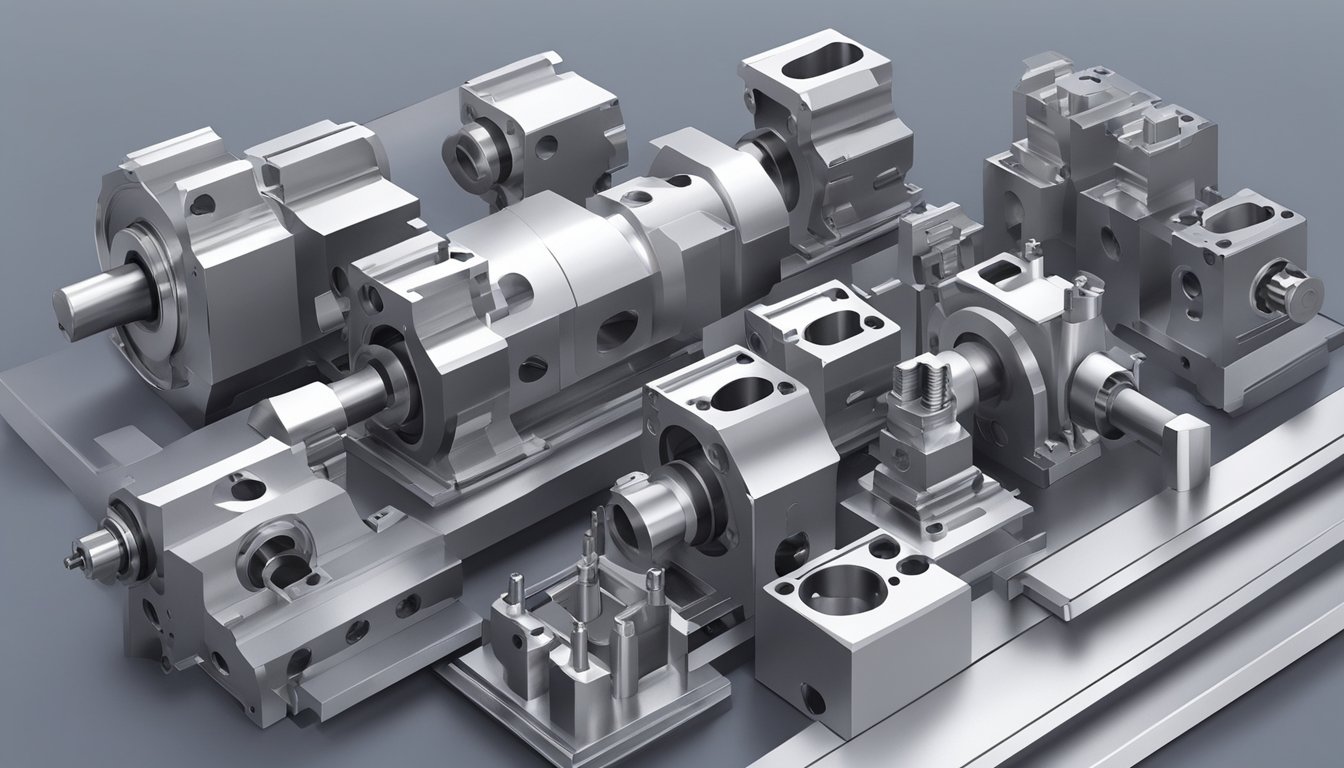
알루미늄을 가공할 때 최적의 성능을 달성하려면 올바른 매개변수와 모범 사례를 선택하는 것이 중요합니다. 모범 사례를 활용하고 속도, 이송 속도, 절삭 깊이 등의 매개변수를 맞춤화함으로써 표면 마감 품질을 크게 향상시킬 수 있습니다.
권장 절단 매개변수
알루미늄 마감 엔드밀을 최대한 활용하려면 절삭 매개변수에 중점을 두어야 합니다. 알루미늄의 경우 가공성이 높기 때문에 절삭 속도가 높을수록 유리할 때가 많습니다. 절단 속도 일반적으로 분당 표면 피트(SFM)는 800~1,200피트 범위에 적합합니다.
Radial Depth of Cut (RDoC) 그리고 Axial Depth of Cut (ADoC) are also key. A smaller RDoC can lead to a smoother finish, especially when paired with a 높은 나선 각도. Using a moderate ADoC ensures stable cutting action.
Incorporating polished flutes and sharp cutting edges can improve chip evacuation, reducing heat buildup and yielding better surface finishes. Let’s not forget the importance of 냉각수 in maintaining cutting efficiency and surface quality.
모범 사례
Best practices are essential for preventing issues like material sticking or poor chip evacuation. If we utilize end mills with a high helix angle, it’s easier for chips to clear away from the cutting zone. This avoids clogging and enhances the cutting action.
We should always ensure proper 냉각수 공작물과 공구를 시원하게 유지하여 열 변형을 방지합니다. 정기적으로 점검하고 유지관리 도구 선명도 과도한 스트레스를 받을 수 없습니다.
3날 엔드밀은 더 나은 마무리 성능을 위해 인기를 얻었지만 이러한 도구를 정기적으로 유지 관리하면 효율성이 극대화됩니다. 특정 가공 요구 사항에 따라 다양한 플루트 수를 실험해 보는 것이 좋습니다.
이러한 지침을 준수함으로써 우리는 높은 효율성과 우수한 출력을 위해 알루미늄 가공 작업을 최적화합니다.
문제 해결 가이드

When working with aluminum finishing end mills, understanding the common problems and their solutions can enhance tool performance. Let’s explore key issues like tool wear and surface finish and discuss ways to optimize and control these factors.
Common Challenges And Solutions
With aluminum, we often see issues like chip packing and edge chipping. Chip packing occurs when chips clog the tool, increasing heat and causing wear.
To solve this, use end mills with 더 적은 플루트. Fewer flutes allow better chip evacuation, reducing heat buildup.
For edge chipping, slower feed rates and proper tool alignment help. It’s crucial to maintain sharp cutting edges for a clean finish. Regrind tools earlier to extend tool life. Checking the tool for wear frequently can help catch problems before they affect the surface finish.
Performance Optimization Tips
Optimizing aluminum end mill performance involves managing heat and maintaining speed. Keeping the tool cool is essential.
Use coolant or air to dissipate heat effectively. Too much heat causes rapid tool wear and poor finishes. Selecting the right speeds and feeds is important.
You might ask, what’s the ideal speed? Generally, it’s higher for aluminum compared to tougher materials. However, it’s crucial not to exceed tool limits.
Regular calibration ensures end mills operate at peak efficiency. Modifying depths of cut can also improve finish and longevity.
품질 관리 조치
Maintaining quality in aluminum milling requires precise control and monitoring. Consistent inspections help ensure 치수 정확도 and surface finish.
Track the end mill’s condition with set check intervals. Document any changes in surface finish or tool wear.
Using precise measurement tools, like calipers, for each part ensures that the product meets specifications. Working collaboratively, we can fine-tune processes based on measurement results and feedback.
These steps keep machine downtime minimal and reduce the risk of scrapped parts, saving time and resources.
Advanced Applications And Techniques
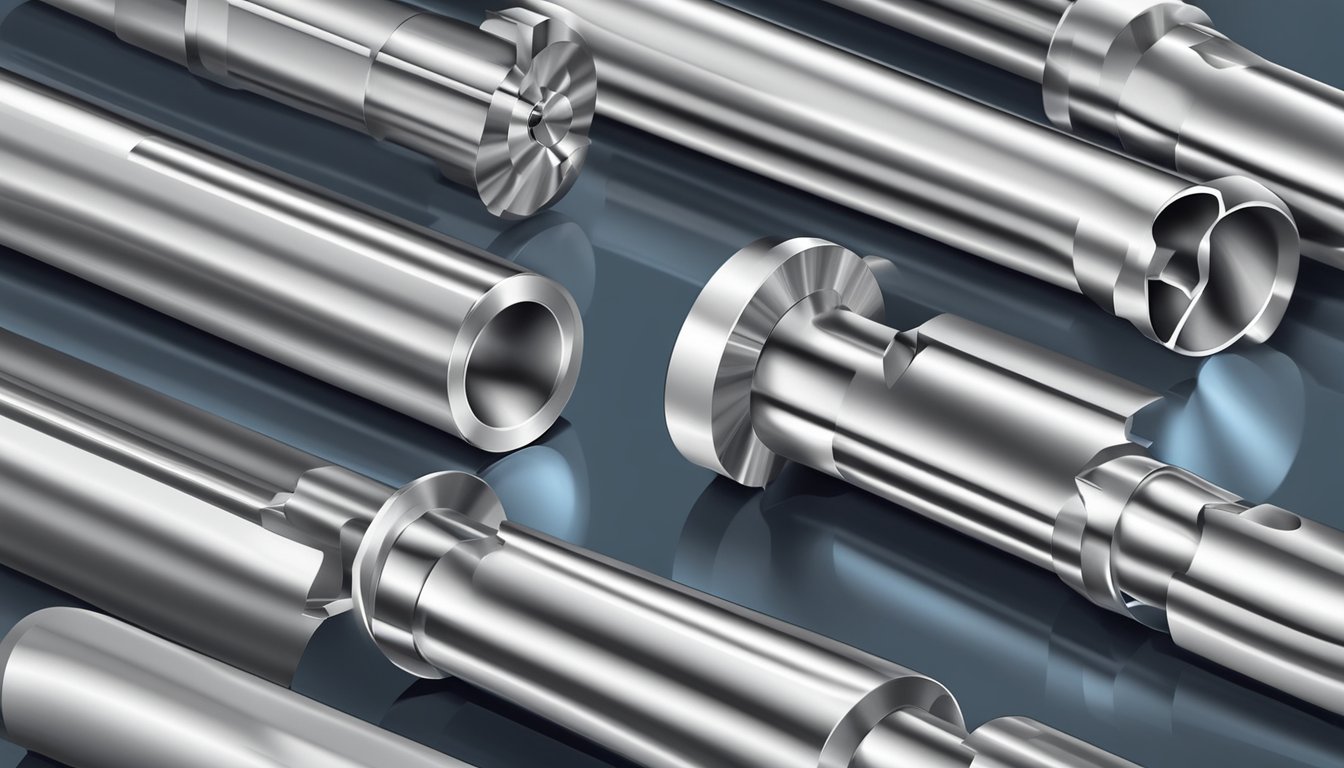
Exploring aluminum finishing end mills allows us to dive into their advanced uses and methods. These tools have come a long way and offer specific benefits for different industries, enhancing cutting accuracies especially in high-speed and specialized operations.
고속 가공 고려 사항
When we talk about high-speed machining, aluminum finishing end mills are at the forefront. The high spindle speeds, often between 2000 and 8000 RPM, are crucial. 초경 엔드밀 with 2 or 3 flutes and high helix angles excel in these scenarios. Notably, the SwiftCarb AF5 series stands out with its five flutes, providing a superior finish.
In such operations, chip evacuation is essential. Aluminum, being a non-ferrous material, requires efficient chip removal to prevent tool clogging. Thus, optimizing feed rates and spindle speeds becomes a key consideration in achieving faster machining without compromising quality.
Specialized Finishing Operations
Specialized finishing operations in milling aluminum involve precise adjustments to enhance the final product’s quality. In applications like 3D contouring, 볼 엔드 밀 are unbeatable. For profiling, 불 노즈 엔드밀 improve strength and surface finish, especially when machining aluminum alloys—both cast 그리고 wrought.
Moreover, adopting a 40° helix angle on a 3-flute carbide square end mill stands out as a great choice, particularly for wrought aluminum alloys. Each tool is meticulously chosen based on the required finish, ensuring the process is efficient and effective.
산업 별 응용
Aluminum finishing end mills aren’t limited to just one industry. Their application spans from automotive to aerospace, where precise finishes are crucial. In the aerospace industry, for instance, working with high-strength aluminum alloys means opting for tools that maintain tight tolerances.
In automotive sectors, cast aluminum parts often benefit from end mills that handle bulk material removal. Wrought aluminum is increasingly used for its superior material properties, making the selection of the right end mill critical to maximizing efficiency and reducing production time. By catering to the specific needs of each industry, aluminum finishing end mills continue to prove their versatility and importance.
유지 관리 및 관리

Taking care of aluminum finishing end mills is vital for their performance and longevity. We will cover key practices like maintenance tips, storage advice, inspection methods, and 재조정 옵션 to keep these tools in top shape.
Tool Maintenance Best Practices
Regular maintenance is a must to keep our end mills performing their best. After each use, we should clean them to remove chips and debris. A soft brush can gently clear away particles, while compressed air helps in removing finer bits.
피하다 harsh chemicals for cleaning. They can damage the coating or structure of the tool. Instead, opt for mild cleaning methods. It’s also helpful to periodically check and sharpen the cutting edges. Sharper tools cut better and extend the life of your end mills.
스토리지 권장 사항
How we store our end mills affects their lifespan. Keeping them in a dry, cool place is essential. Moisture can cause rust or corrosion, which deteriorates tool quality.
We recommend using protective covers or containers. These prevent physical damage and keep dust away. Keep each end mill in its dedicated slot, so they’re not touching or rubbing against each other. This reduces wear and keeps your tools ready for the next job.
Inspection Guidelines
Frequent inspections are crucial to ensuring the tools remain effective. Check for signs of wear or damage before each use. Look at the cutting edges for dullness or chipping.
It’s helpful to develop a checklist to guide us through inspections. Include checking symmetry, balance, and any visible damage. If the tool isn’t performing as expected, inspect it immediately to diagnose potential problems. Regular inspections allow us to catch issues early and prevent further damage.
재조정 옵션
Sometimes, reconditioning an end mill is the best way to extend its life. We have various options like sharpening, regrinding, and recoating.
Sharpening and Regrinding: These processes involve restoring the cutting edges. It’s best to consult professionals for this, ensuring the tool meets precise specifications.
Recoating: If the protective coating wears off, reapplying it could help in maintaining tool performance. Always choose quality coatings that suit aluminum machining.
By following these practices, we’re ensuring our aluminum finishing end mills are always ready to deliver the best results.


