
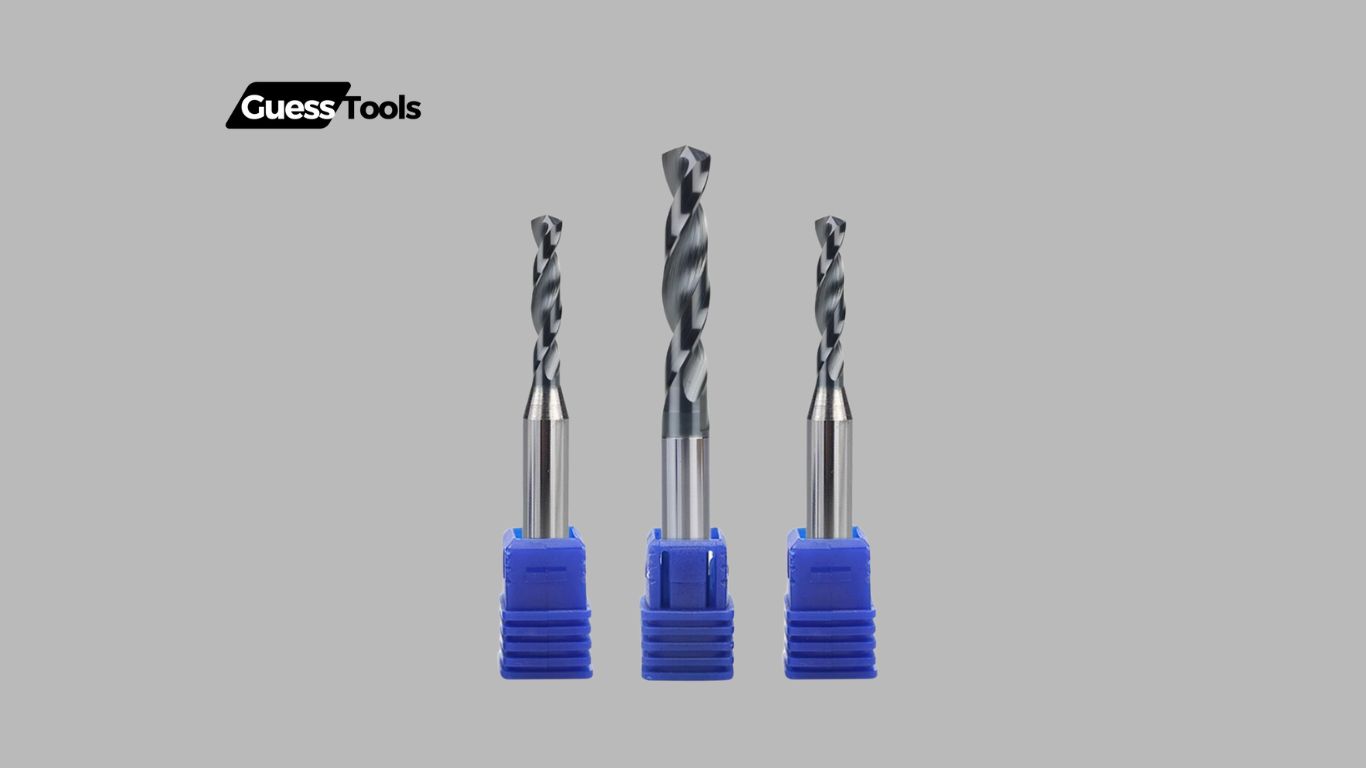
Drill bits are essential tools in many industries, from construction to woodworking. When you need to cut through tough materials, carbide drill bits are the go-to choice. These specialized cutting tools have amazing strength and durability that regular steel bits can’t match.
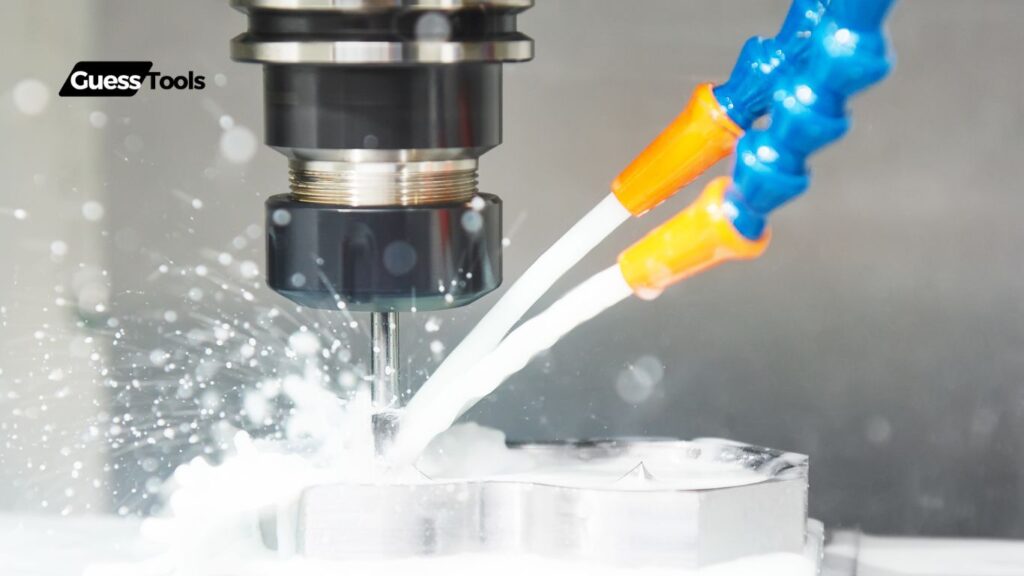
A carbide drill bit starts as a mix of tungsten carbide powder and other materials that get pressed and heated into a super-hard metal compound. We use special machines to shape this material into the familiar spiral design of a drill bit. The process requires precise temperatures and pressures to create tools that can withstand intense heat and force.
Want to know why 超硬ビット cost more than regular ones? It’s because they’re made with top-grade materials and complex manufacturing steps. The result is a cutting tool that lasts longer and works faster than standard bits. We see these bits used daily in metalworking shops, construction sites, and manufacturing plants where quality and performance really matter.
超硬ドリルビットについて
Carbide drill bits represent a crucial advancement in cutting tool technology, combining remarkable strength with precision machining capabilities. We rely on these specialized tools daily across countless industrial applications.
超硬ドリルビットとは何ですか?
Carbide drill bits are cutting tools designed for drilling holes in tough materials like metals, composites, and hard plastics. We can achieve much better results with these compared to standard steel bits.
These bits maintain their sharp cutting edge far longer than traditional options. They work especially well at high speeds, making them perfect for production environments.
主な特徴:
- 優れた耐摩耗性
- High heat tolerance
- Excellent dimensional accuracy
- 長い工具寿命
Material Composition and Properties
The main ingredient in carbide drill bits is 炭化タングステン – a compound of tungsten and carbon. We mix this with cobalt powder, which acts as a binding material.
The manufacturing process uses high pressure and heat to create what we call 超硬合金. This gives the bits their distinctive properties:
Physical Properties:
- Hardness: 8-9 on Mohs scale
- Heat resistance: Up to 800°C
- Density: 14.5 g/cm³
These characteristics make carbide bits ideal for demanding machining processes where standard tools would quickly wear out.
Historical Development and Importance in Modern Manufacturing
We first saw carbide tools emerge in the 1920s, when researchers discovered ways to create cemented carbide. This revolutionized the machining industry.
Modern manufacturing relies heavily on carbide drill bits. They’ve become essential in:
- Aerospace component production
- Automotive manufacturing
- Medical device creation
- Electronics fabrication
The development of specialized coatings and geometries has pushed performance even further. Our current carbide tools can achieve cutting speeds up to 10 times faster than traditional high-speed steel bits.
The Science Behind Carbide Materials
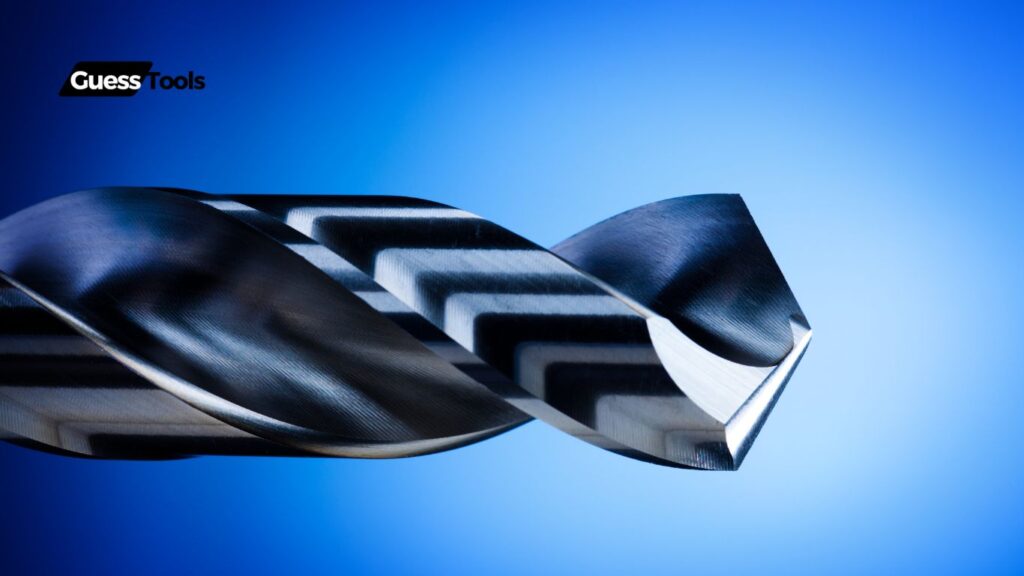
The incredible strength and durability of carbide drill bits comes from their unique material composition and structure. These tools represent a perfect blend of hardness and toughness that makes them ideal for drilling through the toughest materials.
Tungsten Carbide Composition and Properties
Tungsten carbide forms when we combine tungsten and carbon atoms at high temperatures. This creates an incredibly hard compound that ranks 9 on the Mohs scale – just below diamond.
We can identify several key properties that make tungsten carbide special:
- 硬度: 2-3 times harder than steel
- 耐熱性: Maintains strength up to 800°C
- 耐摩耗性: Exceptional resistance to abrasion and wear
- Density: 50% denser than steel
The atomic structure gives tungsten carbide its remarkable stability. Carbon atoms fit perfectly between tungsten atoms to create an extremely tight and strong bond.
Role of Binding Materials
Cobalt acts as the primary binding material in carbide tools. Think of it as the glue that holds everything together.
The amount of cobalt we use typically ranges from 6-12% and affects several properties:
Impact on Properties:
- More cobalt = Greater toughness
- Less cobalt = Higher hardness
- Optimal balance = Better performance
We carefully control the cobalt content based on the drill bit’s intended use. Heavy-duty drilling needs more cobalt for shock absorption.
Microstructure and Its Impact on Performance
The size and distribution of carbide grains play a crucial role in tool performance. We can control these factors during manufacturing:
Grain Sizes:
- Fine grains (< 1 micron): Better wear resistance
- Medium grains (1-3 microns): Balanced properties
- Coarse grains (> 3 microns): Improved toughness
The spacing between grains affects how cracks develop and spread. Tighter grain structures resist crack propagation better.
Comparison with Other Drill Bit Materials
Carbide offers significant advantages over traditional materials:
パフォーマンスの比較:
| 材料 | 硬度 | 耐熱性 | Life Span |
|---|---|---|---|
| 炭化物 | 非常に高い | 素晴らしい | 10x |
| ハイス鋼 | 適度 | 良い | 1x |
| Carbon Steel | 低い | Fair | 0.5x |
We see carbide tools last up to 10 times longer than steel bits. They maintain sharper edges and work at higher speeds.
Carbide tools cost more upfront but save money through longer life and faster cutting speeds. They excel in demanding applications where other materials fail quickly.
Manufacturing Process Step-by-Step

Creating carbide ドリルビット requires careful attention to detail and precise control at every stage. The process combines advanced powder metallurgy with precise machining techniques to produce tools that can withstand extreme drilling conditions.
Powder Metallurgy Basics
We start with tungsten carbide powder, which gives drill bits their exceptional hardness. The powder particles measure between 1-10 microns in size. We mix these particles with cobalt powder, which acts as a binding metal.
The ratio of tungsten carbide to cobalt typically ranges from 80-94% carbide and 6-20% cobalt. This mix determines the final properties of the drill bit:
- Higher cobalt = More flexible but less wear-resistant
- Lower cobalt = Harder but more brittle
Material Preparation and Mixing
The raw powders need careful preparation before we can use them. We clean and screen the materials to remove any contamination.
Next, we combine the powders in special mixing machines with:
- Lubricants to help with forming
- Solvents to create a uniform mixture
- Binding agents for strength
The mixing process takes 12-24 hours in ball mills. These rotating drums use ceramic balls to blend everything thoroughly.
Pressing and Forming
We load the powder mixture into molds that match the rough shape of the drill bits. A hydraulic press applies pressure between 10,000-30,000 psi to compress the powder.
The compressed shape, called a “green compact,” is very fragile at this stage. We handle it with extreme care.
Some key pressing parameters we control:
- Pressure level
- Pressing time
- Temperature
- Mold design
Sintering Process and Temperature Control
The green compacts go into special sintering furnaces. We heat them to temperatures around 1,400°C (2,552°F).
The heating schedule follows strict steps:
- Slow warm-up phase
- Main sintering at peak temperature
- Controlled cooling period
This process takes 24-48 hours total. The cobalt melts and flows between the carbide particles, creating strong bonds.
Final Shaping and Grinding
After sintering, we shape the bits using diamond grinding wheels. This creates the cutting edges and flutes.
Key grinding steps include:
- Point angle formation
- Flute grinding
- Margin relief
- Edge sharpening
We use computer-controlled grinding machines for precise angles and dimensions.
品質管理対策
Each drill bit undergoes strict testing:
- Dimensional checks with micrometers
- Hardness testing
- Surface finish inspection
- Concentricity measurements
We use microscopes to check cutting edges for defects. Any bits that don’t meet specs get rejected.
Random samples from each batch undergo performance testing on standard materials to verify cutting ability and wear resistance.
Types of Carbide Drill Bits
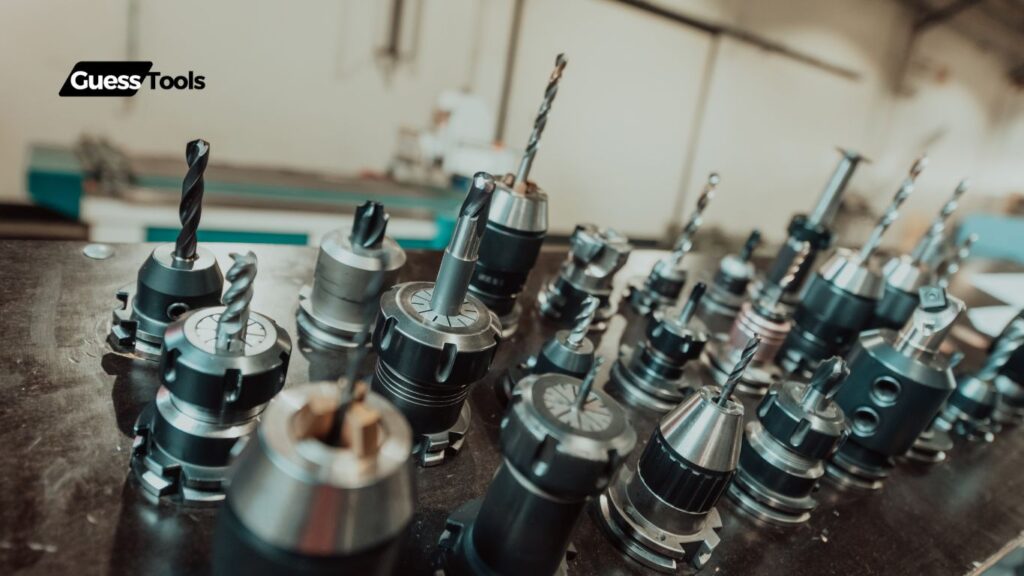
Carbide drill bits come in many designs to match specific cutting needs. We’ll explore the main types that help you drill through tough materials like hardened steel and stainless steel.
Carbide-Tipped vs. Solid Carbide Construction
Solid carbide bits are made entirely from tungsten carbide. These bits offer excellent wear resistance and can maintain sharp cutting edges longer than standard bits. They work great for precision work but can be brittle if dropped.
Carbide-tipped bits have steel bodies with carbide tips welded on. They cost less than 固体炭化物 while still providing good performance. The steel body makes them less likely to break during use.
重要な違い:
- 超硬ソリッド: Better precision, longer life, more expensive
- 超硬チップ: More affordable, tougher body, good for general use
Special Geometries and Designs
Different tip angles and flute designs help match specific drilling needs:
Common designs:
- 118° point angle for general purpose use
- 135° split point for harder materials
- Double margin for straighter holes
- Straight flute for better chip removal
The right geometry helps control heat and removes material efficiently. Spiral flutes carry chips away from the cutting edge to prevent clogging.
Application-Specific Variations
We see many specialized carbide bits for different jobs:
Metal drilling bits:
- Extra thick core for strength
- Special coatings to reduce friction
- Modified point angles for clean entry
Masonry bits:
- Carbide tips shaped for concrete
- Wider flutes for dust removal
- Reinforced shoulders for impact resistance
Cost-Benefit Analysis of Different Types
Basic carbide-tipped bits start around $15-30 each. Solid carbide precision bits can cost $50-200+ depending on size and coating.
Value factors to consider:
- 切断速度
- ツールライフ
- Material costs
- Production volume
For occasional use, carbide-tipped bits offer good value. High-volume production usually justifies premium solid carbide tools that last longer and cut faster.
Surface Treatments and Enhancements
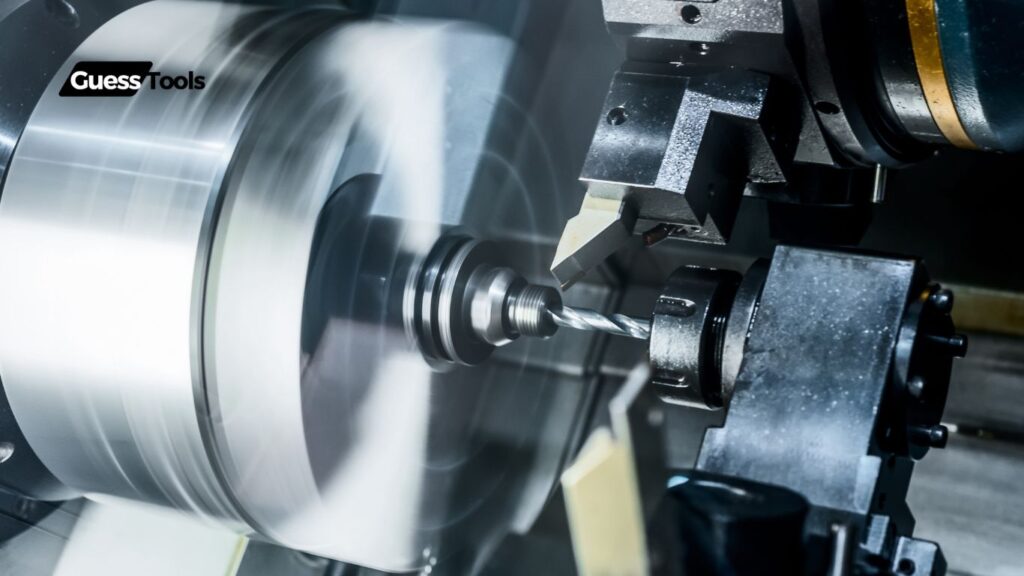
Surface treatments play a vital role in extending drill bit life and improving cutting performance. Several advanced processes and coatings work together to create harder, more durable tools.
Cryogenic Processing Explained
We freeze carbide drill bits to temperatures below -300°F using liquid nitrogen. This process changes the material’s molecular structure, making it more wear-resistant.
The freezing happens gradually over 24-48 hours to prevent thermal shock. We then slowly warm the bits back to room temperature.
Benefits of cryogenic treatment:
- 50% longer tool life
- 耐熱性の向上
- More uniform carbide structure
- Reduced tool breakage
Modern Coating Technologies
Two main coating methods dominate the industry: Physical Vapor Deposition (PVD) and Chemical Vapor Deposition (CVD).
PVD applies thin films like titanium nitride (TiN) and titanium aluminum nitride (TiAlN) at temperatures around 900°F. These gold and purple coatings boost hardness and heat resistance.
CVD creates thicker coatings at higher temps (1800°F+). Common CVD coatings:
- Aluminum oxide
- Titanium carbonitride
- Diamond-like carbon
表面仕上げの要件
The carbide surface needs thorough cleaning and preparation before coating. We use special polishing and etching processes to create the ideal surface texture.
Key surface requirements:
- Roughness under 0.4 μm
- No scratches or defects
- Clean of all oils and debris
We test surface quality using special microscopes and measurement tools to ensure coating adhesion.
Impact on Performance and Longevity
Proper surface treatments can triple a drill bit’s working life. Our coated bits cut faster with less friction and heat buildup.
Test results show:
- 300% longer tool life
- 25% higher cutting speeds
- Better chip evacuation
- 切削抵抗の低減
The right coating also prevents built-up edge formation and provides better hole quality in tough materials like stainless steel and titanium.
パフォーマンスの最適化
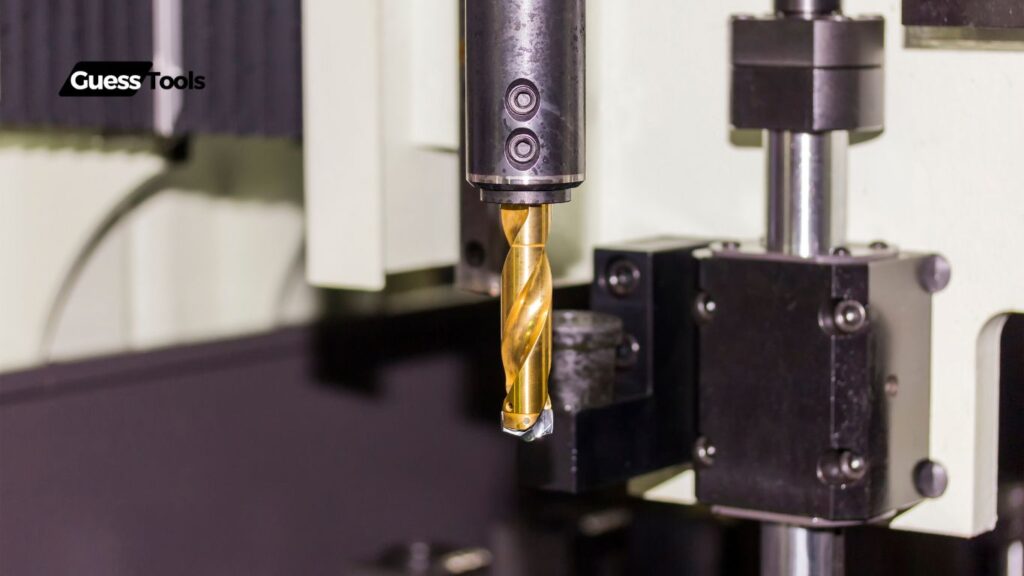
Proper optimization of carbide drill bits leads to improved cutting efficiency and longer tool life. The right mix of speed, cooling, and maintenance makes a big difference in how well these tools perform.
適切な速度と送り速度
右 切断速度 and feed rate are essential for optimal drilling performance. We recommend starting with these basic parameters:
速度のガイドライン:
- アルミニウム: 200-300 surface feet per minute (SFM)
- 鋼鉄: 80-150 SFM
- ステンレス鋼: 50-100 SFM
Feed rates depend on the drill diameter. A good starting point is 0.002-0.004 inches per revolution for drills under 1/4 inch.
Too fast or slow speeds can damage the drill bit. Watch for signs like excessive heat or poor chip formation. Adjust speeds based on material hardness and hole depth.
冷却と潤滑の要件
Proper cooling extends drill life and improves hole quality. Heat is the biggest enemy of carbide tools.
Essential Cooling Methods:
- Through-tool クーラントの供給
- Flood cooling for shallow holes
- Mist cooling for light duty work
The right coolant type matters too. We use water-based coolants for aluminum and oil-based ones for steel. Clean coolant helps prevent chip buildup and tool wear.
工具寿命の最適化
Several factors affect how long carbide drills last:
- 適切な保管 to prevent damage
- 定期点検 for wear
- Periodic resharpening when needed
- Correct tool holders and minimal runout
Track tool life to spot problems early. Most carbide drills should last 50-100 holes in steel when used correctly.
Common Failure Modes and Prevention
Watch for these warning signs of drill failure:
Common Issues:
- Chipping at corners
- Cratering on cutting edges
- 不均一な摩耗パターン
Prevention Tips:
- Start holes at reduced speed
- Use pilot holes for deep drilling
- 定期的にチップを掃除してください
- Check alignment before drilling
Good maintenance and proper use prevent most failures. Replace drills showing signs of wear before they break.
Applications and Selection Guide
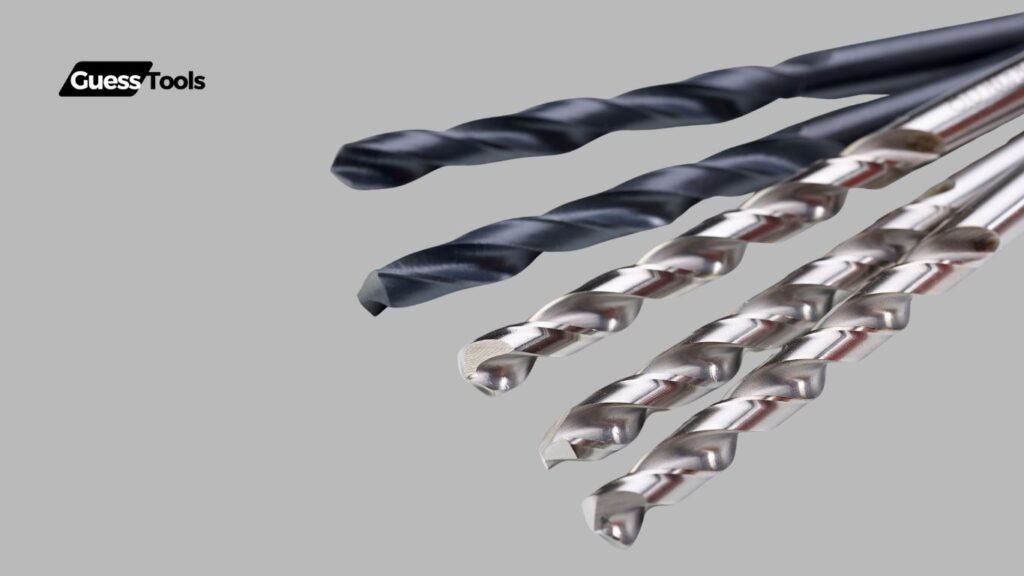
Carbide drill bits serve specific roles across industries and materials based on their unique properties. We’ll guide you through choosing the right bit for your needs.
業界固有のアプリケーション
Manufacturing plants often use carbide bits for 大量生産 drilling. These bits excel in automated systems where consistent performance matters.
The construction industry relies on carbide bits for concrete work. Their durability makes them perfect for drilling anchor holes and mounting fixtures.
Glass fabricators choose carbide bits because they cut cleanly without cracking. We’ve seen great results when drilling display cases and architectural glass.
Electronics manufacturers need carbide bits for circuit board production. The precise cutting edges prevent damage to delicate materials.
材料互換性ガイド
Best Materials for Carbide Bits:
- 焼き入れ鋼(~65HRC)
- ガラスと陶磁器
- Carbon fiber composites
- Concrete and masonry
- 非鉄金属
Not Recommended For:
- Soft plastics (can cause melting)
- Wood (too expensive for the application)
- Thin sheet metal (HSS bits work better)
Selection Criteria for Different Tasks
Consider these key factors when picking your carbide bit:
Speed Requirements:
- Low speed: 1000-2000 RPM for hard materials
- High speed: 3000+ RPM for production work
Coating Options:
- TiN for general purpose
- AlTiN for high heat applications
- Diamond coating for abrasive materials
あなたの drilling depth affects bit choice too. Shorter bits provide more stability, while longer ones reach deep spots.
コストの考慮事項と ROI
A carbide bit costs 5-10 times more than an HSS bit. The investment makes sense for:
- 大量生産
- Hard material drilling
- Applications requiring precise holes
We track productivity gains to justify the cost. One carbide bit often outlasts 15-20 HSS bits in tough materials.
Typical Lifespan Comparison:
- HSS: 50-100 holes
- Carbide: 500-1000 holes in similar conditions
Consider getting reconditioned bits to save money. Many manufacturers offer resharpening services at 30-40% of new bit cost.
メンテナンスとケア
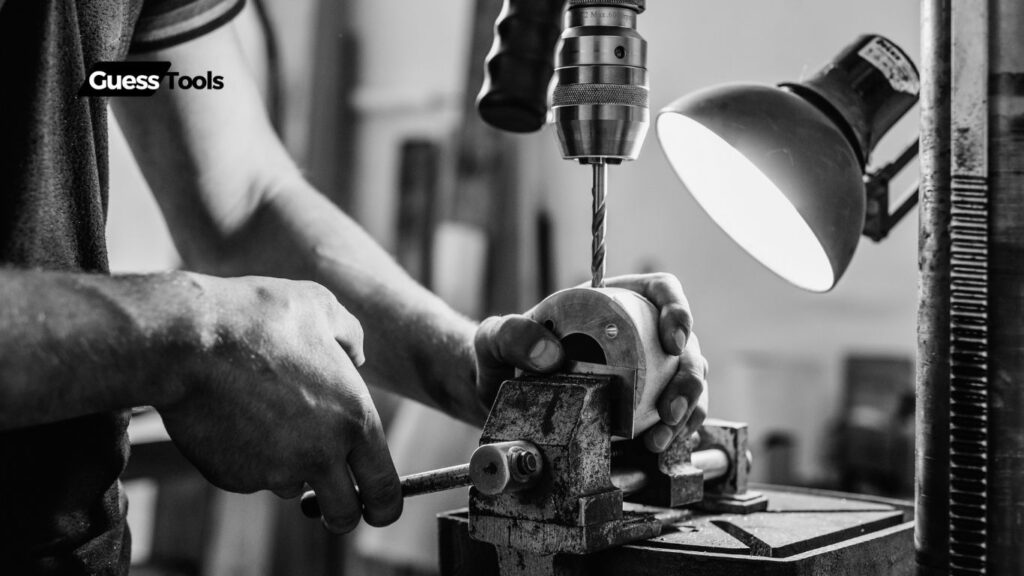
Taking good care of carbide drill bits helps them last longer and perform better. Regular cleaning, proper storage, and careful handling make a big difference in getting the most value from these tools.
Proper Storage Practices
We recommend storing carbide bits in a dedicated case or holder to protect the 切断エッジ. Never toss them loose in a toolbox where they can bump against other tools.
Keep the storage area dry and climate-controlled. Moisture can lead to rust on the steel parts of the bits.
Use plastic tip guards or sleeves to protect the cutting edges when bits aren’t in use.
Storage tips:
- Clean bits before storing
- Use individual compartments or slots
- Keep temperature steady around 70°F
- Avoid humid locations
シャープニングテクニック
Carbide bits need special diamond abrasives for sharpening. Regular grinding wheels won’t work effectively.
Follow these steps when sharpening:
- Clean the bit thoroughly
- Use a diamond wheel or file
- Maintain original cutting angles
- 軽い圧力を加えます
- Keep the bit cool
Don’t try to sharpen severely damaged bits – replace them instead.
Wear Detection
Watch for these signs that your bit needs attention:
- 切断速度が遅い
- Increased pressure needed
- Rough finish on drilled holes
- 刃先の欠け
- Unusual noise or vibration
Check bits before each use. Look closely at cutting edges and corners for damage.
ツールの寿命を延ばします
Use the right speed and feed rates for your material. Too much speed or pressure will wear bits quickly.
Let bits cool between uses. Heat is a major cause of premature wear.
Apply cutting fluid when drilling metals. This reduces friction and helps remove chips.
Clean bits after each use with a soft cloth. Remove all chips and debris that could cause corrosion.
Future Trends and Innovations
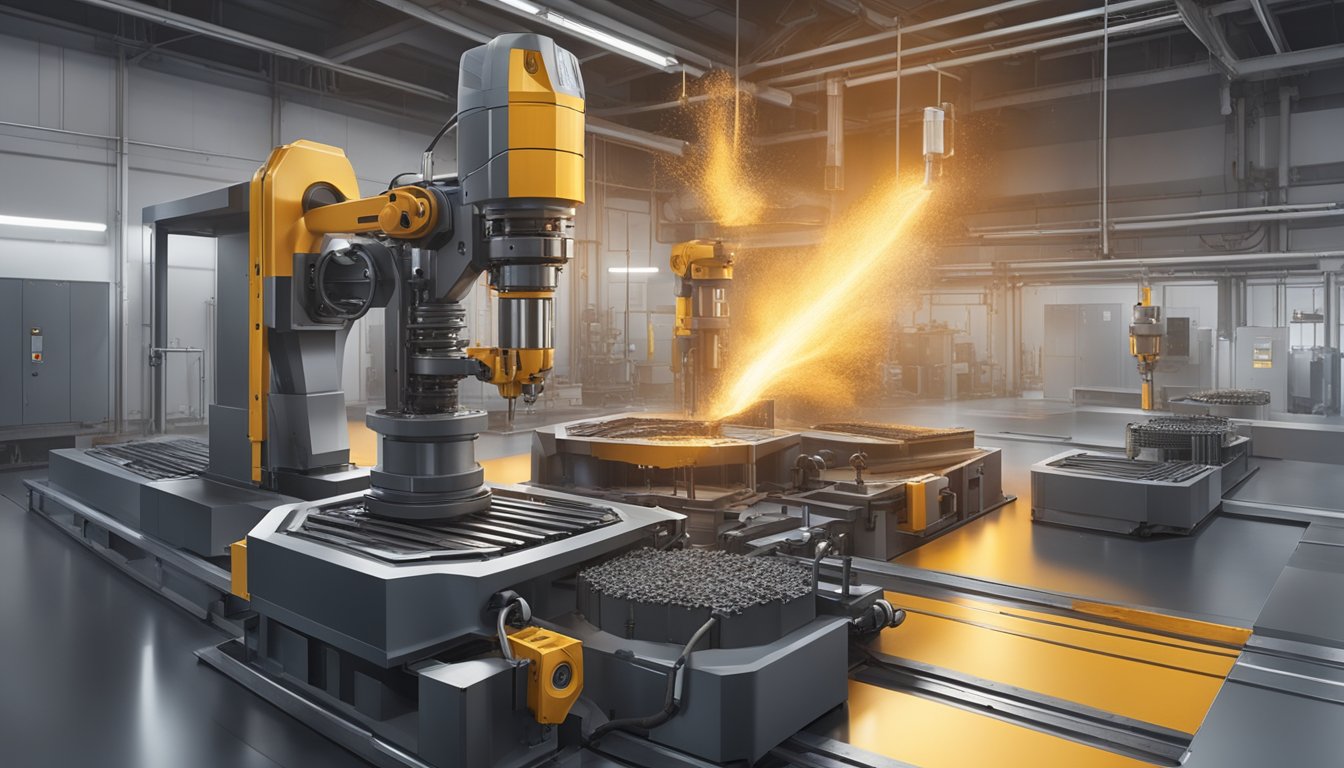
The carbide drill bit industry is experiencing rapid advancement through new technologies, materials, and smart manufacturing approaches. These developments are making drill bits more efficient, durable, and environmentally friendly.
新興の製造技術
Nanotechnology is transforming how we create carbide drill bits. We’re seeing manufacturers apply nano-coatings that reduce friction and heat during drilling operations.
3D printing technology lets us design 複雑な形状 that weren’t possible before. We can now print custom carbide tools with internal cooling channels and unique cutting edges.
Advanced laser sintering helps create more precise and uniform carbide powder distribution. This leads to stronger, more consistent drill bits.
Key Manufacturing Advances:
- Precision nano-coating applications
- Additive manufacturing for complex designs
- Advanced powder metallurgy techniques
- Automated quality control systems
新素材の開発
Scientists are developing enhanced carbide formulations with better wear resistance. We’re seeing new micro-grain carbides that maintain sharpness longer than traditional materials.
Multi-layer coatings combine different materials like TiAlN and diamond-like carbon. These provide better heat resistance and reduced friction.
Promising New Materials:
- Ultra-fine grain carbides
- Hybrid ceramic-carbide composites
- Advanced coating combinations
- Nano-structured carbide matrices
インダストリー 4.0 の統合
Smart sensors embedded in drill bits now monitor temperature and wear in real-time. This helps prevent tool breakage and optimizes drilling parameters.
Cloud-connected manufacturing systems adjust production based on real-time data. We can now predict maintenance needs before problems occur.
Digital twins help simulate and optimize drill bit designs before production starts. This reduces waste and improves first-time quality.
持続可能性の考慮事項
Manufacturers are developing recycling programs for used carbide drill bits. The recovered materials go back into production, reducing waste.
New cooling technologies use minimal lubricant or dry machining techniques. This cuts down on harmful chemical usage.
Energy-efficient manufacturing processes reduce the carbon footprint of drill bit production. We’re seeing more solar-powered facilities and heat recovery systems.
Green Initiatives:
- Material recycling programs
- Eco-friendly cooling methods
- Energy-efficient production
- Sustainable packaging solutions


