

プロジェクトに適した鋸刃を選択する場合、超硬かダイヤモンドのどちらを選択するかで迷うことがあります。私たちはこの困難を理解しており、お客様が特定のニーズに合わせて最適な選択ができるようお手伝いしたいと考えています。 ダイヤモンドブレードは実際に材料を切断するのではなく、材料を研磨します。 超硬刃 を使用します カットアクション 特別に設計された歯を備えています。

時間の経過とともにパフォーマンスを観察すると、超硬ブレードの性能が低下し始めることがわかりました。 切断品質 最初の使用から。カットするたびに仕上がりが徐々に悪くなっていきます。一方、ダイヤモンドブレードは、摩耗の兆候が現れる前に、一貫してきれいな仕上げを長期間維持します。この寿命の違いは、プロジェクトの結果と財布の両方に大きな影響を与える可能性があります。
切断する素材に応じて刃を選択してください。超硬ブレードは多くの一般的な刃物に適しています。 カットタスク 木材や一部の金属などの素材も含まれます。ダイヤモンドブレードは、コンクリート、タイル、石などの硬い素材に優れています。また、ダイヤモンド工具は、超硬工具よりも厳しい公差でより正確な切断が可能であることがわかりました。これは、精度が必要な細部重視のプロジェクトにとって非常に重要です。
材質と構造: 基本的な違いを理解する
鋸刃の有効性は、それが何から作られているか、どのように作られているかによって大きく異なります。超硬ブレードとダイヤモンドブレードの主な違いは、基本材料から始まり、製造プロセスにまで及びます。
炭化タングステン vs.合成ダイヤモンドの組成
超硬刃使用 炭化タングステン、モース硬度スケールで約 9 の化合物。この材料は、タングステンと炭素原子を高温で結合させることによって作成されます。これらのブレードには通常、次のような特徴があることがわかりました。 超硬ビット または鋼製本体に溶接された歯。
一方、ダイヤモンド ブレードには、モース スケールで 10 の既知の最も硬い材料である実際のダイヤモンド粒子が含まれています。これらはジュエリーグレードのダイヤモンドではなく、切削工具用に特別に作られた工業用合成ダイヤモンドです。
材料の硬度の比較:
| 材料 | モース硬度 | 相対的な切削能力 |
|---|---|---|
| 炭化タングステン | 9.0 | 高い |
| ダイヤモンド | 10.0 | 並外れた |
紙の上ではその差は小さいように思えるかもしれませんが、実際には、ダイヤモンドの並外れた硬度により、超硬よりも約 4 倍耐摩耗性が高くなります。このため、コンクリートや磁器などの最も硬い素材にはダイヤモンドブレードをお勧めします。
製造プロセスと設計要素
これらのブレードの製造方法は大きく異なります。超硬ブレードは通常、超硬チップを鋼ディスクに正確なパターンでろう付けすることによって製造されます。ろう付けの品質と超硬のグレードは性能に大きく影響します。
ダイヤモンドブレードの場合、メーカーは以下と呼ばれるプロセスを使用します。 “焼結” ダイヤモンド粒子が金属マトリックス(多くの場合コバルトまたはブロンズ)に埋め込まれている場合。これにより、いわゆる “ダイヤモンドセグメント。”
主要な設計要素:
- ダイヤモンド濃度: ダイヤモンド数が多い = 寿命が長い
- ダイヤモンドのサイズ: 粒子が大きいほど切断速度は速くなりますが、粗くなります。
- 結合硬度: ダイヤモンドが露出する速度を決定します。
- セグメント設計:冷却とゴミの除去に影響します。
私たちは両方のテクノロジーにおいて大きな進歩を感じています。最新のダイヤモンドブレードは、レーザー溶接されたセグメントと特殊な冷却チャネルを備えています。 超硬設計 歯の形状が改善され、よりきれいなカットが可能になりました。
材料特性が性能に与える影響
材料特性は、これらの切削工具の性能に直接影響します。ダイヤモンド ブレードは摩耗によって機能します。ダイヤモンド粒子は材料を切断するのではなく、削り取ります。そのため、非常に硬くて脆い材料に最適です。
超硬ブレードは従来の切削工具のように機能し、鋭い超硬の歯が切りくず内の材料を除去します。極端な硬さよりも明確な刃先が重要な場合、より柔らかい材料の切断に優れています。
材質に基づく性能係数:
- 耐熱性: ダイヤモンドツールは高温でも硬度を維持しますが、カーバイドは約800°Fで軟化し始めます。
- 脆さ:ダイヤモンド粒子は強い衝撃を受けると破損する可能性があります。
- 切断速度: ダイヤモンドの硬度により、研磨材をより速く切断できます。
- 摩耗パターン:超硬は徐々に鈍くなりますが、ダイヤモンド工具は “セルフシャープ” 古い粒子が磨耗するにつれて
私たちは両方のタイプを広範囲にテストした結果、コンクリートなどの材料を切断する場合、初期費用が 3 ~ 5 倍かかるにもかかわらず、ダイヤモンドブレードの寿命が超硬の 50 ~ 100 倍上回る可能性があることがわかりました。材料の選択は、最終的には特定の切断ニーズによって決まります。
理想的な用途: ブレードと素材のマッチング

切断作業に適したブレードを選択すると、時間、お金、フラストレーションを節約できます。超硬ブレードとダイヤモンドブレードのどちらを選択するかについては、切断する材料を主なガイドにしてください。
超硬の強み: 木材、プラスチック、軟質金属
超硬チップ刃は柔らかい材料の切断に優れています。加圧処理された木材や合板などの木材に対して非常に優れた性能を発揮することがわかりました。また、きれいなエッジが重要なメラミンやラミネート素材の切断にも最適です。
以下に最適:
- 木材(無垢材、人工合板、合板)
- プラスチックとアクリル
- アルミニウムおよびその他の軟質金属
- メラミンコーティングされたパーティクルボード
木材を使って作業し、後で接着剤で接合する場合、鋭い超硬ブレードによるきれいなカットにより、より強力な接合が得られます。ルータービット付き 超硬チップ 特に用途が広いのは、 木工プロジェクト、正確なエッジプロファイリングと接合が可能になります。
私たちが超硬ブレードについて気に入っている利点の 1 つは、ダイヤモンドのオプションと比較して比較的手頃な価格であることです。石材以外の材料を扱うほとんどの家庭作業場や建設現場では、これらが現実的な選択肢です。
ダイヤモンドの強み: コンクリート、石材、セラミックス
ダイヤモンドブレードは、硬くて摩耗性の高い材料を切断する際に、他の競合製品よりも優れた性能を発揮します。優れた硬度により、超硬の代替品よりもはるかに長く一貫した刃先を維持できます。
最適なアプリケーションは次のとおりです。
- コンクリート (緑色または硬化)
- 天然石(御影石、大理石)
- 磁器およびセラミックタイル
- レンガおよびその他の石材
- ファイバーセメントボード
これらの硬い材料を扱う場合、ダイヤモンドブレードは超硬よりもはるかに長くその切断品質を維持できることに私たちは気づきました。初期投資は高くなりますが、耐用年数が長いため、通常の石積み作業には経済的です。
粉塵が懸念される切断用途では、多くのダイヤモンドブレードを湿式で使用できるため、浮遊粒子が減少します。これは、屋内の改修プロジェクトや、シリカ粉塵が発生する材料を切断する場合に特に役立ちます。
クロスアプリケーションの制限
材料に対して間違ったブレードを使用すると、期待外れの結果が生じたり、安全上の危険が生じる可能性があります。私たちは、コンクリートや石を切断するときに超硬刃がいかに早く切れるかを直接見てきました。
覚えておくべき重要な制限事項:
- 超硬刃は石材ではすぐに切れ味が悪くなる
- ダイヤモンドの刃は木材を激しく切断する可能性があります
- 金属にダイヤモンドを使用すると、刃が損傷し、危険が生じる可能性があります
切断速度も刃の種類によって大きく異なります。たとえば、ダイヤモンドの刃は、技術的には切断可能であっても、専用の超硬刃よりも木材の切断が遅くなる可能性があります。
熱の蓄積は、クロスアプリケーションのもう 1 つの懸念事項です。超硬を使用するように設計されていない材料に超硬を使用すると、過度の摩擦が発生し、ブレードの歪みや材料の焼けを引き起こす可能性があります。最適な結果と安全性を得るために、ブレードを素材に適合させることを常にお勧めします。
性能の比較: 精度と切削品質

超硬ブレードとダイヤモンドブレードのどちらかを選択する場合、精度と品質の点でそれぞれのブレードがどのように機能するかを理解することが重要です。正しい選択をすれば、プロジェクトに必要な結果をもたらしながら、時間、お金、フラストレーションを節約できます。
さまざまな材質での切断品質
ダイヤモンドブレードは、コンクリート、石材、セラミックなどの硬くて研磨性の高い材料を切断する場合に優れています。ダイヤモンドブレードは、これらの硬い表面でもチッピングを最小限に抑え、よりきれいで正確なカットを実現できることがわかりました。この精度は、ダイヤモンド粒子が材料を強制的に切断するのではなく、徐々に摩耗させる方法によって実現されます。
一方、超硬ブレードは木材や一部の金属などの柔らかい素材に対して優れた性能を発揮します。適切に使用すると、鋭いエッジを持つきれいなカットを作成できます。ただし、非常に硬い材料に直面すると、超硬ブレードはすぐに切れる傾向があり、材料の無駄が多くなり、切り口が荒くなる可能性があります。
ファイバーセメントや一部の複合材などの材料の場合、両方のブレードタイプが機能しますが、通常、ダイヤモンドの方がエッジの品質と精度が優れています。これらのオプションから選択する場合は、素材を第一に考慮する必要があります。
アプリケーション間の速度比較
ダイヤモンドブレードでは通常、 より速い送り速度 硬度、耐熱性に優れているため、硬質材料への使用も可能です。 CNC アプリケーションでは、ダイヤモンド工具が一貫性を維持していることがわかりました。 切断速度 長期間使用した後でも。
超硬刃は切れ始めは速く切れますが、切れ味が鈍くなるにつれて遅くなります。簡単な比較は次のとおりです。
| 刃の種類 | 初切削速度 | 持続的なスピード | 最優秀アプリケーション |
|---|---|---|---|
| ダイヤモンド | 中程度から高程度 | メンテナンス良好 | 硬質材料、生産工程 |
| 炭化物 | 高い | 時間の経過とともに減少します | 柔らかい素材で作業時間は短縮 |
時間とお金が等しい専門的な現場では、効率の差がさらに顕著になります。一日を通して複数のカットを行う請負業者の場合、ダイヤモンドの安定したカット速度により、より高い初期コストが正当化されることがよくあります。
仕上げ特性とカット後の要件
通常、ダイヤモンド ブレードを使用すると、後処理の必要性が少なく、よりきれいな仕上がりが得られます。両方のオプションをテストした経験から、ダイヤモンド カットのエッジは最初のカットから最後のカットまで滑らかできれいなままです。検索結果はこれを裏付けており、次のことに注意してください。 “ダイヤモンドツールは、最後まできれいな仕上げを維持します。” 交換が必要です。
超硬ブレードは最初は強力ですが、仕上げ品質は徐々に低下します。ある検索結果にあるように、 “仕上げは最初のカットから劣化し始めます” 超硬工具付き。
これはあなたにとって何を意味しますか?ダイヤモンドブレードを使用すると、サンディング、研削、その他のカットの仕上げにかかる時間が短縮されます。これは、エッジの品質が重要となる目に見える設置において特に重要です。
きれいなカットが不可欠な精密な作業の場合、通常、ダイヤモンドブレードはカット後の要件が少なく、優れた結果をもたらします。
コスト分析: 初期投資とコスト長期的な価値

超硬鋸刃とダイヤモンド鋸刃を比較する場合、正しい選択をするには経済的な影響を理解することが重要です。価格は物語の一部にすぎず、短期的なコストと長期的な価値の両方に注目する必要があります。
前払い価格の違い
ダイヤモンドブレードの価格は通常、超硬ブレードの 10 ~ 12 倍であるため、初めて購入する人にとってはショックを受ける可能性があります。高品質のダイヤモンドブレードの価格は 200 ~ 400 ドルですが、同様のサイズのブレードでは 超硬刃 わずか 20 ~ 40 ドルかかるかもしれません。
価格比較表:
| 刃の種類 | エントリーレベル | ミッドレンジ | プロフェッショナルグレード |
|---|---|---|---|
| 炭化物 | 15~25ドル | 30~60ドル | 70~150ドル |
| ダイヤモンド | 100~150ドル | 200~300ドル | $400-800+ |
この大きな価格差により、購入者は躊躇することがよくあります。しかし、高額な先行投資にそれだけの価値があるのでしょうか?それは、特定のニーズと使用パターンによって異なります。
総所有コストの計算
実際の価値は計算してみると明らかになる 総所有コスト (TCO)。ダイヤモンドブレードは超硬ブレードよりも大幅に長持ちします – 切断する材料に応じて、25 ~ 100 倍長くなります。
簡単な例を見てみましょう:
- 超硬ブレード: 30 ドル、20 時間の切断後に交換が必要
- ダイヤモンドブレード: 300 ドル、500 時間持続 (保守的な見積もりの 25 倍)
時間あたりのコストの計算:
- カーバイド: 1 時間あたり 1.50 ドル (30 ドル ÷ 20 時間)
- ダイヤモンド: 1 時間あたり 0.60 ドル (300 ドル ÷ 500 時間)
この計算には、ブレード交換にかかる人件費やダウンタイムも考慮されていません。専門家にとって、これらの隠れたコストはすぐに加算されます。
専門家向けの投資収益率に関する考慮事項
のために 専門請負業者 およびワークショップ、ROI ダイヤモンドブレード 通常、数週間または数か月以内に実現されます。大量のユーザーが最も早く収益を得られることがわかりました。
鍵 ROI 要因 考慮すべきこと:
- 使用頻度: ダイヤモンドブレードから最も恩恵を受けるのは毎日のユーザーです
- 省力化: ブレードの交換にかかる時間が短縮され、作業の生産性が向上します。
- 一貫性:ダイヤモンドブレードにより切断品質が長く維持されます。
花崗岩、コンクリート、複合材料などの硬い材料を切断すると、ROI のタイムラインは大幅に短縮されます。ダイヤモンドブレードは、超硬ブレードではすぐに切れてしまうような、このような困難な表面で優れた性能を発揮します。
刃の交換にどれくらいの時間を費やすか考えたことがありますか?多くの専門家にとって、特にクライアントの納期やプロジェクトのタイムラインを考慮した場合、これだけでもダイヤモンド技術への切り替えが正当化されます。
耐久性と寿命: メンテナンス要件
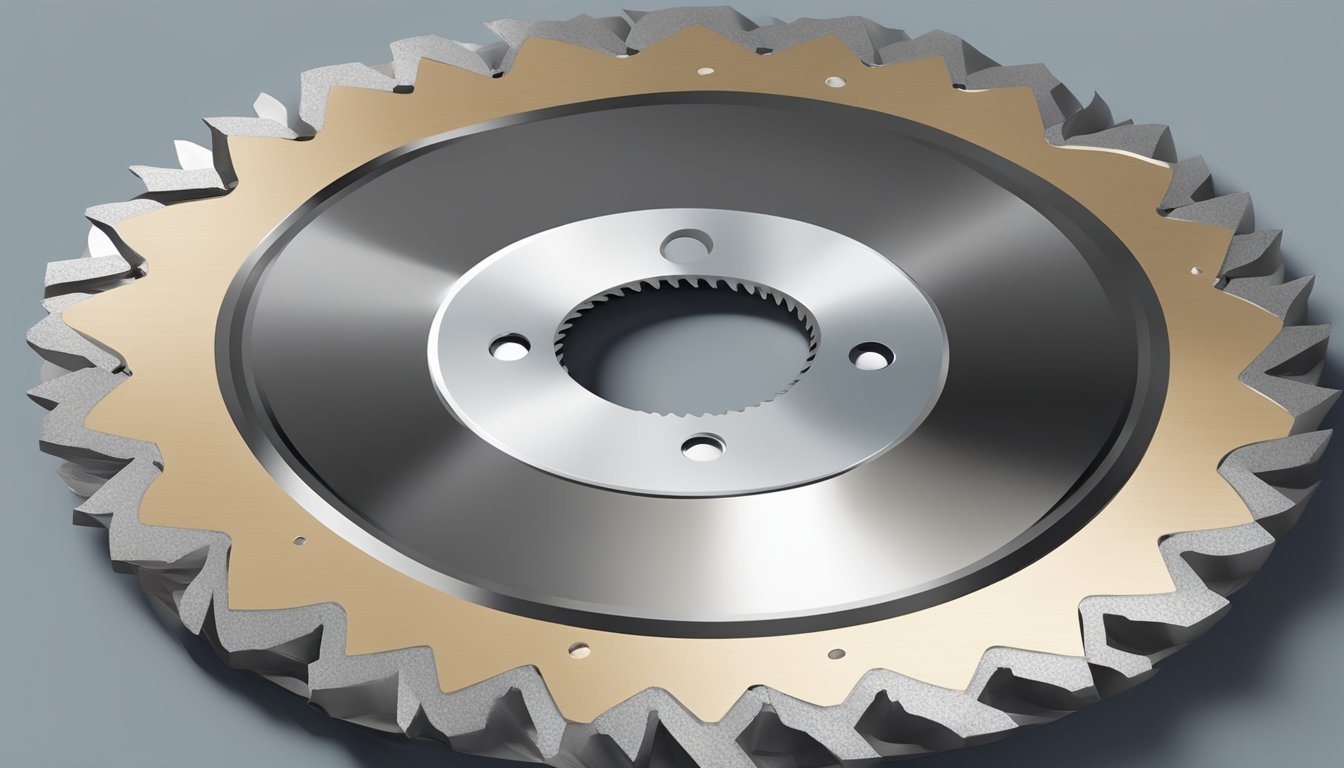
超硬鋸刃とダイヤモンド鋸刃のどちらかを選択する場合、その耐久性要因とメンテナンスの必要性を理解することで、お金とストレスを節約できます。どちらのタイプにも特有の寿命と手入れの必要性があり、これらは切断性能と全体的な価値に直接影響します。
期待寿命の比較
一般に、ダイヤモンドブレードは超硬チップブレードよりも大幅に長持ちします。高品質の超硬ブレードは (材料の硬さに応じて) 500 ~ 1,000 回の切断に耐えることができますが、ダイヤモンドブレードは交換が必要になるまでに 5,000 ~ 7,000 回以上の切断が可能です。
違いは、研磨材を切断するときに最も顕著になります。 超硬チップ 最初のカットから劣化が始まり、徐々に切れ味が落ちます。対照的に、 ダイヤモンドブレード 寿命が尽きるまで一貫したパフォーマンスを維持します。
毎日切断を行うプロにとっては、初期費用が高くても、ダイヤモンドブレードの方が経済的であることが多いことがわかりました。週末にDIYをする人にとって、計算はプロジェクトの頻度によって変わります。
耐熱性も耐久性に影響します。ダイヤモンドブレードは、過熱するとより早く劣化する可能性があるカーバイドよりも、高温の状況にはるかにうまく対処します。
メンテナンスの必要性と頻度
鋸刃を適切にメンテナンスすると、種類に関係なく、鋸刃の寿命が延びます。ダイヤモンドブレードはそれほど頻繁なメンテナンスは必要ありませんが、蓄積物を除去するために時々洗浄することが有益です。
超硬チップブレードの場合:
- 樹脂の蓄積を防ぐため、使用後は毎回掃除してください
- 10~15回の使用ごとに、歯の緩みや損傷がないか確認してください。
- 必要に応じて個々の超硬チップを研ぐか交換します
- 偶発的な損傷を防ぐために保護ケースに保管してください
ダイヤモンドブレードの場合:
- 実行する “ドレッシングカット” 時々研磨材に浸して新鮮なダイヤモンドを露出させます
- 湿式切断後はスラリーの硬化を防ぐため水洗してください。
- 定期的に使用する場合は、亀裂や歪みがないか毎月検査してください
切断性能が低下するまで待つのではなく、簡単なメンテナンス スケジュールを設定することをお勧めします。 5 分間のメンテナンスで切断寿命を数時間延長できます。
交換時期の兆候
ブレードの交換時期を知ることで、材料の損傷を防ぎ、安全上の問題を防ぐことができます。どちらのタイプのブレードでも、特定の警告サインを決して無視してはなりません。
切断音の変化を聞く – 甲高い泣き声は、多くの場合、倦怠感を示します。強く押し込んでいない場合でも、切断中に煙が発生することに注意してください。これは、磨耗した刃による過度の摩擦を示しています。
と 超硬刃、 探す:
- 複数の歯が欠けているか、欠けている
- 切断速度が大幅に遅くなる
- 切断材に発生する焼け跡
- 動作中のぐらつき
のために ダイヤモンドブレード、次の場合に交換が必要です。
- ダイヤモンドのエッジがコア近くで磨耗している
- セグメントに亀裂、損傷、または欠落がある
- 刃がまっすぐに切れなくなりました
- 使用中に過度の振動が発生する
多くの DIY 愛好家がブレードの使用限界を超えているのを見てきましたが、これは悪い結果と潜在的な安全上の危険をもたらすだけです。疑わしい場合は、ブレードを交換するのが最も安全な選択です。
業界の動向と市場の成長
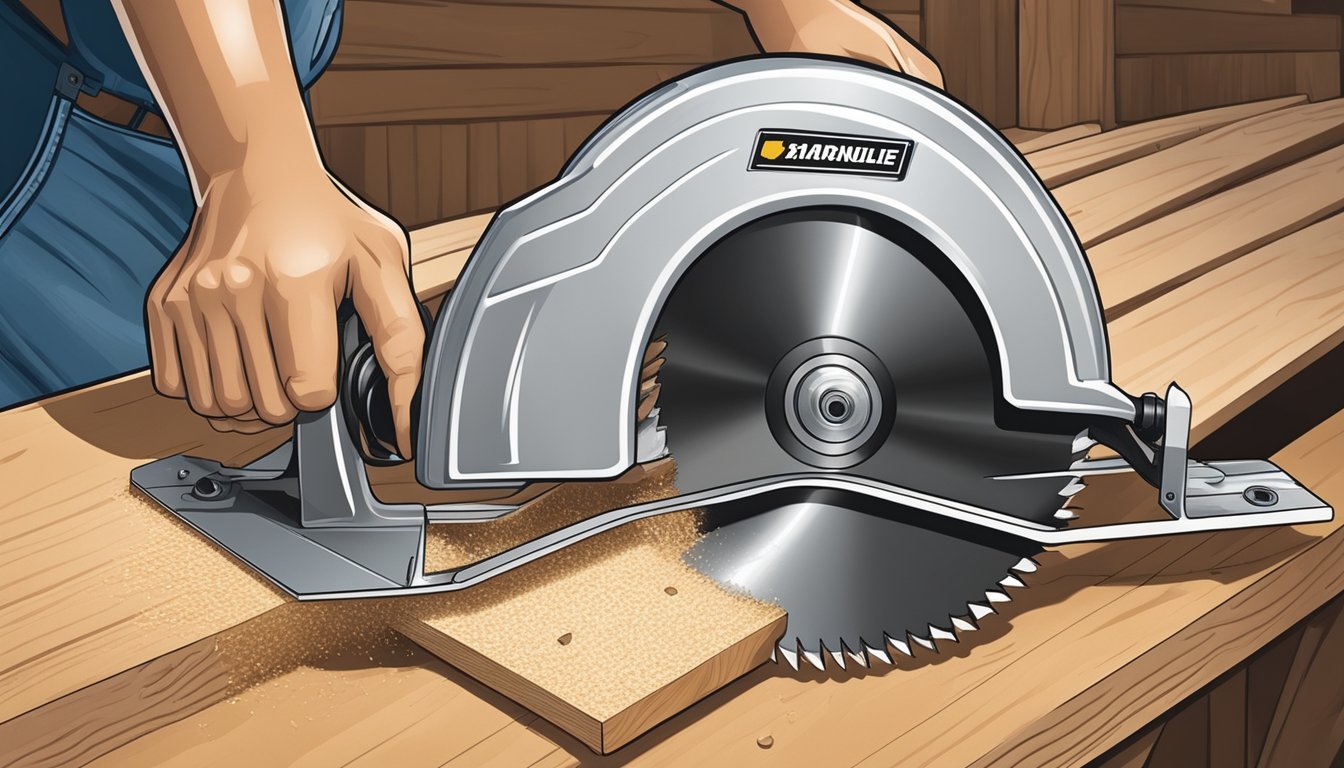
鋸刃市場は着実な成長を遂げており、超硬セグメントとダイヤモンドセグメントの両方が有望な将来性を示しています。市場データは、業界の状況を再形成している成長率と技術革新の興味深いパターンを明らかにしています。
現在の市場規模と予測
鋸刃市場全体は、2023 年に約 151 億 7000 万ドルと評価され、2031 年までに 204 億 4000 万ドルに達すると予測されています。これは、この分野のメーカーとサプライヤーにとって健全な軌道を示しています。特に、ダイヤモンド ソー ブレードの市場価値は 2023 年に 82 億ドルに達し、北米のダイヤモンド ブレード市場は 2022 年に 12 億ドルを占めます。
市場セグメントに目を向けると、2023 年の時点で超硬鋸刃が 55.2% の市場シェアを占め、優勢となっています。この優位性は、さまざまな業界で超硬鋸刃が広く応用されていることを反映しています。
市場のハイライト:
- 鋸刃市場全体: 151億7,000万ドル (2023年) → 204億4,000万ドル (2031年)
- ダイヤモンドソーブレード市場:82億ドル(2023年)
- 北米ダイヤモンド市場:12億ドル(2022年)→18億ドル(2030年までに予測)
さまざまなセクターの成長率
私たちは、さまざまなブレード テクノロジーと市場にわたって、さまざまな成長率を追跡しています。鋸刃業界全体は 2031 年まで 3.8% の CAGR で成長していますが、特にダイヤモンド鋸刃はより緩やかな 2.41% CAGR で拡大しています。
地域市場でも興味深い変化が見られます。北米のダイヤモンドソーブレード市場は、2022年の12億ドルから2030年までに18億ドルに成長すると予想されており、世界平均よりも強い地域成長を示しています。
建設業界は引き続き成長の主な原動力であり、インフラプロジェクトや住宅建設が安定した需要を生み出しています。金属加工および木工部門も市場拡大に大きく貢献しています。
テクノロジーの進歩が変化をもたらす
私たちは、超硬ブレード技術とダイヤモンドブレード技術の両方を変革するエキサイティングなイノベーションを目の当たりにしています。製造プロセスの改善により、ブレードの寿命と切断精度が延長され、エンドユーザーにとってのコスト効率が向上しました。
高度な接合技術により、ダイヤモンド粒子と超硬チップのブレード本体への付着が強化されています。これにより、耐久性が高く、交換までの耐用年数が長くなります。
特殊コーティングは、切断作業中の摩擦と熱を軽減するもう 1 つの革新分野です。これらの改善は、従来のブレードがすぐに劣化してしまう高速アプリケーションにとって特に重要です。
主要な技術トレンド:
- ナノダイヤモンド粒子配合
- レーザー溶接されたダイヤモンドセグメント
- 超硬とダイヤモンドの要素を組み合わせたハイブリッド設計
- コンピューターで最適化された歯の形状
- 振動低減ブレード本体
プロフェッショナル選択ガイド: 正しい選択をする

超硬ブレードとダイヤモンドブレードのどちらを選択するかによって、プロジェクトの成功が左右されます。私たちは何年にもわたって請負業者と協力してきましたが、適切な選択はお客様の特定のニーズ、予算の制約、長期目標を理解することによって決まります。
プロジェクトの種類に基づく意思決定の枠組み
超硬ブレードとダイヤモンドブレードのどちらを選択する場合、 プロジェクトの種類を最初に考慮してください。木工プロジェクトの場合は、通常、超硬チップのブレードが最適です。手頃な価格で、柔らかい木材から中程度の硬い木材まできれいにカットできます。
石材、コンクリート、レンガを切断していますか?ダイヤモンドブレードは頼りになるオプションです。これらの材料は超硬刃をすぐに鈍くし、作業が非効率になり、コストが高くなります。
金属の切断については、次のオプションを検討してください。
- 軟金属:標準超硬刃
- 焼き入れ金属:特殊超硬を使用 より硬い処方
- 研磨金属: ダイヤモンドブレードにより長寿命を実現
切断環境も重要です。冷却用の水は利用できますか?湿式ダイヤモンドブレードは低温に保たれるため、長時間の切断作業に最適です。
避けるべきよくある選択ミス
専門家が犯す最大の間違いは、 価格だけで刃物を選ぶ。安価なブレードを使用すると、交換頻度が高くなったり、切断品質が低下したりすることがよくあります。
もう 1 つのよくあるエラーは無視することです 刃の仕様。すべてのカーバイドが同じように作られるわけではありません。 C2またはC3 炭化物配合物 さまざまな硬度レベルを提供します。柔らかい炭化物は衝撃に強くなりますが、鈍くなるのが早くなります。
次の危険信号に注意してください。
- Using dry diamond blades without proper ventilation
- Selecting the wrong tooth count for your material
- Ignoring arbor size compatibility with your saw
Don’t forget about blade diameter. Using an incorrectly sized blade can damage your equipment and create safety hazards.
When To Invest In Premium Options
Is it worth spending more on high-end blades? For professionals, absolutely yes. Premium cermet blades might cost 30% more than standard options but can last 50% longer, improving your overall value.
次の場合にアップグレードを検討してください。
- You’re working on high-visibility finished products
- Labor costs for blade changes exceed the price difference
- Project deadlines demand uninterrupted workflow
より高いダイヤモンド濃度とより優れた結合剤を備えたプレミアムダイヤモンドブレードは、よりきれいな切断とより長い寿命を実現します。通常のコンクリート切断の場合、これらのアップグレードはすぐに元が取れます。
高品質のブレードに投資する請負業者は、労働力とダウンタイムを考慮すると、実際にプロジェクト全体のコストを 15 ~ 20% 節約できることがわかりました。パフォーマンスに関する主張を裏付ける保証が付いている評判の高いブランドを探してください。
結論: パフォーマンス、コスト、プロジェクト要件のバランスをとる

ダイヤモンド鋸刃と超硬鋸刃のどちらを選択するかは、最終的にはお客様のニーズを理解することによって決まります。 特定のニーズ。適切な刃は、予算、切断する材料、使用頻度によって異なります。
主要な決定要因の概要
ダイヤモンドブレードか超硬ブレードかを決めるときは、 コストと寿命の比較 が大きな要因です。ダイヤモンドブレードは初期費用が高くなりますが、超硬ブレードよりも最大 25 倍長持ちします。これにより、頻繁に使用するユーザーや大規模なプロジェクトにとってより経済的になります。
材料の適合性 あなたの選択にも役立つはずです。ダイヤモンドブレードは以下の点で優れています。
- コンクリート
- 石
- タイル
- その他の硬質研磨材
超硬ブレードは次の用途に適しています。
- 木材
- 軟金属
- プラスチック
- アゼクのような複合材料
あなたの プロジェクトのサイズ とても重要です。時々 DIY プロジェクトを行う場合は、超硬ブレードの方が実用的かもしれません。ダイヤモンドの寿命を活かせるほど頻繁に刃を使用しないのであれば、最初の節約は意味があります。
最終的な推奨事項
次のような場合にはダイヤモンドブレードをお勧めします。
- 硬い素材を定期的に扱う
- 必要 精密なカット 研磨面上
- 長期的な節約のために、より多くの先行投資が可能
- 大規模または専門的なプロジェクトを処理する
次のような場合には超硬ブレードを使用してください。
- 主に木材や柔らかい素材を切断します。
- 予算の制約がある
- が必要です 多用途のツール さまざまな素材に対応
- 時々自宅プロジェクトに取り組む
混合プロジェクトを行っている住宅所有者は、両方のタイプを持つことを検討してください。木材用の高品質超硬ブレードと石材作業用のダイヤモンドブレードは、両方の長所をもたらします。
ブレードを鋸の仕様に合わせて、選択したブレードの種類に関係なく、常に適切な安全具を着用してください。


