

Treballar amb alumini requereix les eines adequades, i escollir el trepant adequat pot fer una gran diferència en els resultats. Les broques de carbur per a alumini ofereixen una vida útil 10 vegades més llarga en comparació amb les broques HSS estàndard, alhora que produeixen forats més precisos i rodons amb una boca de campana mínima.

Sovint veiem que els treballadors del metall lluiten amb l'evacuació d'encenalls i la qualitat del forat quan trepan l'alumini. És per això que fabricants com Kennametal s'han desenvolupat especialitzats broques de carbur per a alumini amb superfícies molt polides i geometries optimitzades. Aquestes característiques ajuden a que les fitxes flueixin sense problemes i eviten l'acumulació de material que pot arruïnar la peça de treball.
Vols treure el màxim profit de les teves operacions de perforació d'alumini? Els trepants de carbur moderns tenen dissenys multifacètics i configuracions especials de flautes que funcionen molt bé tant per a aliatges d'alumini de baix com d'alt silici. Aquests trepants destaquen en aplicacions d'alta velocitat mantenint una precisió i un acabat superficial excepcionals.
Els fonaments de les broques de carbur
Les broques de carbur combinen carbur de tungstè i altres materials per crear eines que excel·leixen en la perforació forats precisos en alumini i altres metalls. Aquestes eines especialitzades ofereixen duresa superior, resistència a la calor i rendiment de tall.
Què són les broques de carbur i la seva composició
Les broques de carbur són eines de tall fetes principalment de carbur de tungstè, que els confereix una duresa i una resistència al desgast excepcionals. El material de carbur es crea combinant tungstè amb carboni a altes temperatures.
Podem identificar dues parts principals en una broca de carbur:
- El avantguarda fet de carbur de tungstè
- El canya que manté el trepant al seu lloc
La composició normalment inclou:
- 80-95% de carbur de tungstè
- 5-20% de cobalt com a material aglutinant
- Materials de recobriment addicionals com TiAlN per millorar el rendiment
Com funcionen específicament amb l'alumini
Quan es trepan l'alumini, les broques de carbur ofereixen avantatges únics. Recomanem velocitats d'uns 300 peus de superfície per minut (SFM) per a un tall òptim.
L'agut vores de tall talleu l'alumini netament, creant forats precisos amb rebaves mínimes. Això és especialment important en aplicacions aeroespacials i d'automoció.
Beneficis clau per a la perforació d'alumini:
- Reducció de la generació de calor
- Millor evacuació de xips
- Vida útil més llarga de l'eina
- Majors velocitats de tall
Terminologia i conceptes bàsics per a principiants
Angle del punt: L'angle de la punta del trepant, normalment 118° o 135° per a l'alumini
Longitud de flauta: Les ranures en espiral que ajuden a eliminar les estelles durant la perforació
Tipus de trepant comuns per a l'alumini:
- Longitud del taló: Per a una perforació més curta i rígida
- Durada de treball: Longitud estàndard per a ús general
- Exercicis de placa de circuits: Per a forats inferiors a 1/8″ diàmetre
La velocitat d'alimentació mesura la rapidesa amb què el trepant es mou al material. Per a l'alumini, normalment utilitzem velocitats d'alimentació més altes en comparació amb l'acer.
La velocitat de tall adequada i l'evacuació adequada d'encenalls són crucials per a les operacions de perforació d'alumini amb èxit.
Per què triar broques de carbur per a alumini?

Les broques de carbur destaquen com la millor opció mecanitzat d'alumini, que ofereix velocitats de tall fins a 5 vegades més ràpides que les eines tradicionals. Hem descobert que ofereixen una precisió i una vida útil excepcionals a l'hora de treballar-hi aliatges d'alumini.
Avantatges de rendiment respecte d'altres materials
Les broques de carbur mantenen el seu tall afilat molt més temps que altres materials. Poden funcionar a velocitats de 115-150 peus de superfície per minut (SFM) – això és 3 vegades més ràpid que les broques HSS.
L'estructura de carbur de micrograns ofereix a aquestes eines una resistència al desgast increïble. Això vol dir:
- Acabats de forats més suaus
- Millor precisió dimensional
- Menys substitució d'eines
Hem vist que les broques de carbur mantenen la seva vora per a centenars de forats en alumini, mentre que les eines HSS poden necessitar reemplaçament després de només dotzenes.
Anàlisi cost-benefici
El preu inicial de les broques de carbur és més alt, però val la pena la inversió. Desglossem el valor:
Estalvi de costos:
- Menys canvis d'eines
- Menys temps d'inactivitat de la màquina
- Majors índexs de producció
- Cost reduït per forat
Un sol trepant de carbur sovint dura més que 3-4 broques HSS en aplicacions d'alumini. Els guanys de productivitat solen pagar el cost addicional en els primers llocs de treball.
Beneficis específics per al mecanitzat d'alumini
Les broques de carbur excel·lent en el maneig de les propietats úniques de l'alumini. Els seus dissenys especials de trencament d'encenalls impedeixen que les estelles d'alumini enganxosos obstrueixin les flautes.
Característiques principals de l'alumini:
- Les vores de tall afilades redueixen la vora acumulada
- Flautes polides per a una millor evacuació d'encenalls
- L'alta conductivitat tèrmica evita el sobreescalfament
Aquestes característiques ens ajuden a aconseguir talls nets sense els problemes habituals d'esgarrapaments o taques que afecten altres materials d'eines.
Comparacions de rendiment del món real amb HSS i altres materials
En les nostres proves amb alumini 6061, les broques de carbur superen constantment les alternatives:
Comparació de velocitat:
- Carbur: fins a 150 SFM
- HSS: 40-60 SFM
- Cobalt: 70-90 SFM
Els dissenys de carbur de tres flautes produeixen una millor qualitat del forat i temps de cicle més ràpids. Redueixen les forces de tall fins a un 30% en comparació amb les broques HSS estàndard de dues estris.
Tipus de broques de carbur per a treballs d'alumini
Quan es treballa amb alumini, triar el trepant de carbur adequat fa una gran diferència en la productivitat i la qualitat del forat. El disseny i el recobriment adequats del trepant ens poden ajudar a aconseguir un acabat superficial excel·lent i una vida útil més llarga de l'eina.
Opcions de carbur sòlid
Les broques de carbur massís ofereixen un rendiment excepcional en el mecanitzat d'alumini. Aquestes eines tenen vores de tall afilades i flautes polides que impedeixen que l'alumini s'enganxi durant el tall.
Trobem que els trepants de la placa de circuit funcionen molt bé per a forats inferiors a 1/8″ diàmetre. Poden funcionar a velocitats de fins a 300 SFM amb velocitats d'alimentació al voltant de 21 IPM.
Per a forats més grans, recomanem que utilitzeu broques especialitzades de carbur massís amb:
- Dissenys de doble flauta
- Angles puntuals de 130-140°
- Vores de tall polides
- Angles d'hèlix alts
Varietats recobertes i els seus propòsits
Els recobriments de titani de nitrur de zirconi funcionen millor per a la perforació d'alumini. A diferència dels recobriments tradicionals a base d'alumini, aquests impedeixen la soldadura de vores i encenalls.
Les opcions de recobriment habituals inclouen:
- ZrN (nitrur de zirconi) – Redueix la fricció
- TiB2 (Diborur de titani) – Excel·lent evacuació d'encenalls
- Carboni semblant al diamant – Superfície ultra llisa
El carbur polit sense recobrir sovint funciona tan bé com les opcions recobertes per a l'alumini.
Dissenys especialitzats per a l'alumini
La geometria del punt juga un paper clau en el rendiment de la perforació d'alumini. Recomanem simulacres amb:
Característiques clau del disseny:
- Geometria de punt dividit
- Canals amples de flauta
- Superfícies molt polides
- Gruix web modificat
Aquestes característiques ajuden a gestionar la calor i millorar l'evacuació d'encenalls sense refrigerant a través de l'eina.
Criteris de selecció per a les diferents sol·licituds
Hem d'adaptar el trepant a les nostres necessitats específiques en funció de la profunditat del forat, la mida i els requisits de qualitat.
Per a forats poc profunds (<3xD):
- Broques de longitud estàndard
- Velocitats més altes possibles
- Menys preocupació per l'evacuació de xips
Per a forats profunds (>3xD):
- Disseny de flauta parabòlica
- Capacitat de refrigerant a través
- Velocitats de tall reduïdes
El gruix del material i la tolerància del forat també guien la nostra elecció entre broques de carbur de grau estàndard i de qualitat superior.
Optimització del rendiment i ús

Aconseguir el màxim profit de les broques de carbur en mecanitzar l'alumini requereix una atenció especial a diversos factors clau. Vegem els paràmetres i tècniques essencials que us ajudaran a aconseguir-ho resultats òptims.
Bones pràctiques per a la velocitat i les taxes d'alimentació
La velocitat adequada i velocitats d'alimentació marca una gran diferència en la perforació d'alumini. Recomanem utilitzar 115-150 peus de superfície per minut (SFM) depenent de la longitud del trepant.
Per als simulacres, apunta a:
- Velocitat: 125-150 SFM
- Velocitat d'alimentació: 0,004-0,008 polzades per revolució
- RPM: 2.000-8.000 (segons el diàmetre del trepant)
Els trepants de tres flautes funcionen millor per a l'alumini. Proporcionen una millor evacuació d'encenalls i estabilitat durant les operacions de tall.
Recordeu ajustar aquests paràmetres en funció de la vostra configuració específica. Una màquina estable i una fixació adequada de la peça us permetran augmentar aquestes velocitats.
Selecció i ús del fluid de tall
El fluid de tall adequat és crucial per a la perforació d'alumini. Preferim refrigerants solubles en aigua amb bona lubricitat.
Punts clau per a la refrigeració:
- Utilitzeu abundant refrigerant per evitar l'acumulació de vora
- Mantenir un flux constant per controlar la temperatura
- Netegeu i filtreu el refrigerant regularment
- Mantenir la concentració als nivells recomanats pel fabricant
Un fort flux de refrigerant ajuda a netejar les estelles i evita el retall, que pot danyar tant el trepant com la peça.
Gestió de la temperatura
El control de la calor és essencial quan es perfora l'alumini. Les propietats tèrmiques del material fan que sigui propens a l'expansió i la deformació.
Consells per gestionar la calor:
- Supervisar la temperatura del trepant entre operacions
- Utilitzeu la refrigeració a través de l'eina quan sigui possible
- Feu pauses durant llargues tirades de producció
- Mantingueu les vores de tall afilades per reduir la fricció
Una temperatura ben gestionada condueix a una millor qualitat del forat i una vida útil més llarga de l'eina.
Errors comuns a evitar
Compte amb aquests errors freqüents que poden perjudicar el teu rendiment de perforació:
Problemes relacionats amb la velocitat:
- Córrer massa ràpid sense una refrigeració adequada
- Velocitats d'alimentació incorrectes que provoquen l'empaquetament d'encenalls
- Pressió d'alimentació inconsistent
Problemes de configuració:
- Subjecció deficient de la peça
- Camins de perforació desalineats
- Vores de tall avorrides
Petits ajustaments en el vostre enfocament poden evitar aquests problemes. Preste atenció a la formació d'encenalls – us diu molt sobre les vostres condicions de tall.
Manteniment i longevitat de les broques de carbur per a l'alumini
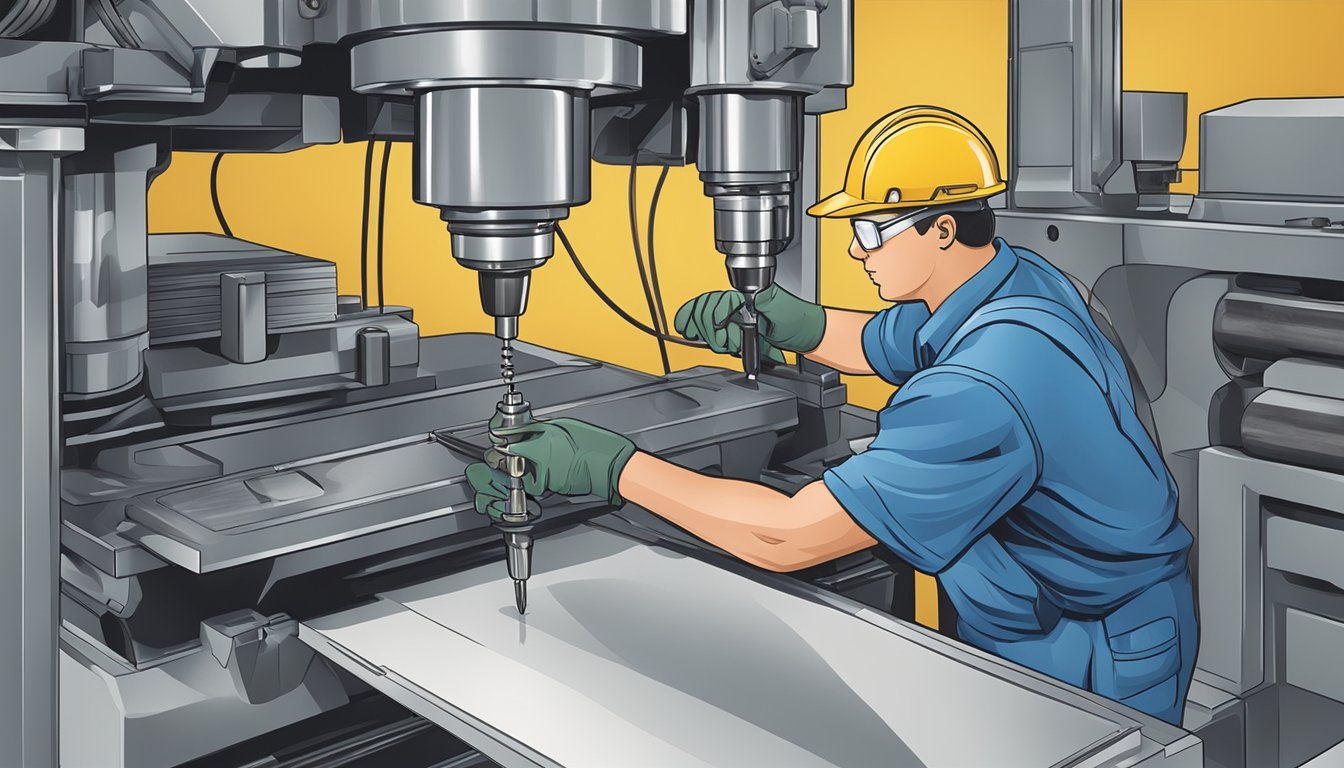
La cura i el manteniment adequats de les broques de carbur és essencial quan es treballa amb alumini. El manteniment regular ajuda a prevenir el desgast prematur i allarga la vida útil d'aquestes valuoses eines.
Procediments de neteja i emmagatzematge
Recomanem netejar les broques de carbur després de cada ús. Traieu els encenalls i les restes d'alumini amb aire comprimit o un raspall suau – No utilitzeu mai eines metàl·liques que puguin danyar els talls.
Emmagatzemeu els vostres trepants en estoigs encoixinats o suports dissenyats específicament per a eines de carbur. Mai deixa que xoquin entre ells.
Llista de control de neteja ràpida:
- Bufeu els xips amb aire comprimit
- Netegeu amb un drap net
- Apliqueu una capa lleugera d'oli d'eina
- Col·locar en un magatzem protector
Detecció i gestió del desgast
Comproveu els exercicis regularment per detectar signes de desgast. Busqueu aquests indicadors clau:
- Vores de tall avorrides
- Cantons estellats
- Decoloració
- Vibració excessiva durant l'ús
Suggerim examinar els talls amb augment cada 3-5 usos. Substituïu les broques que presenten un desgast important per evitar danyar la peça de treball.
Consideracions d’afilat
L'afilat professional pot allargar la vida útil del trepant en un 40-60%. Utilitzeu només moles de diamant qualificades per al carbur.
Paràmetres importants d'afilat:
- Mantenir la geometria original
- Utilitzeu abundant refrigerant
- Mantenir angles consistents
- No sobreescalfeu l'eina
Feu que els vostres trepants s'afilin professionalment, tret que tingueu equip i formació especialitzats.
Maximització de la vida útil de l'eina
L'ús de la velocitat de tall i la velocitat d'avanç correctes afecta de manera espectacular la vida de l'eina. Per a l'alumini, recomanem:
Paràmetres òptims:
- Velocitat: 200-300 SFM
- Alimentació: 0,005-0,010 IPR
- Utilitzeu líquid de tall
Aplicar pressió constant durant la perforació. Els moviments interromputs o bruscos reduiran la vida útil del trepant.
Mantingueu la vostra premsa de trepant correctament alineada i minimitzeu l'esgotament. Fins i tot les petites desalineacions poden provocar un desgast prematur.
Netegeu i inspeccioneu el portabroca regularment. Un mandril mal mantingut pot danyar les broques de carbur.
Aplicacions avançades i usos industrials
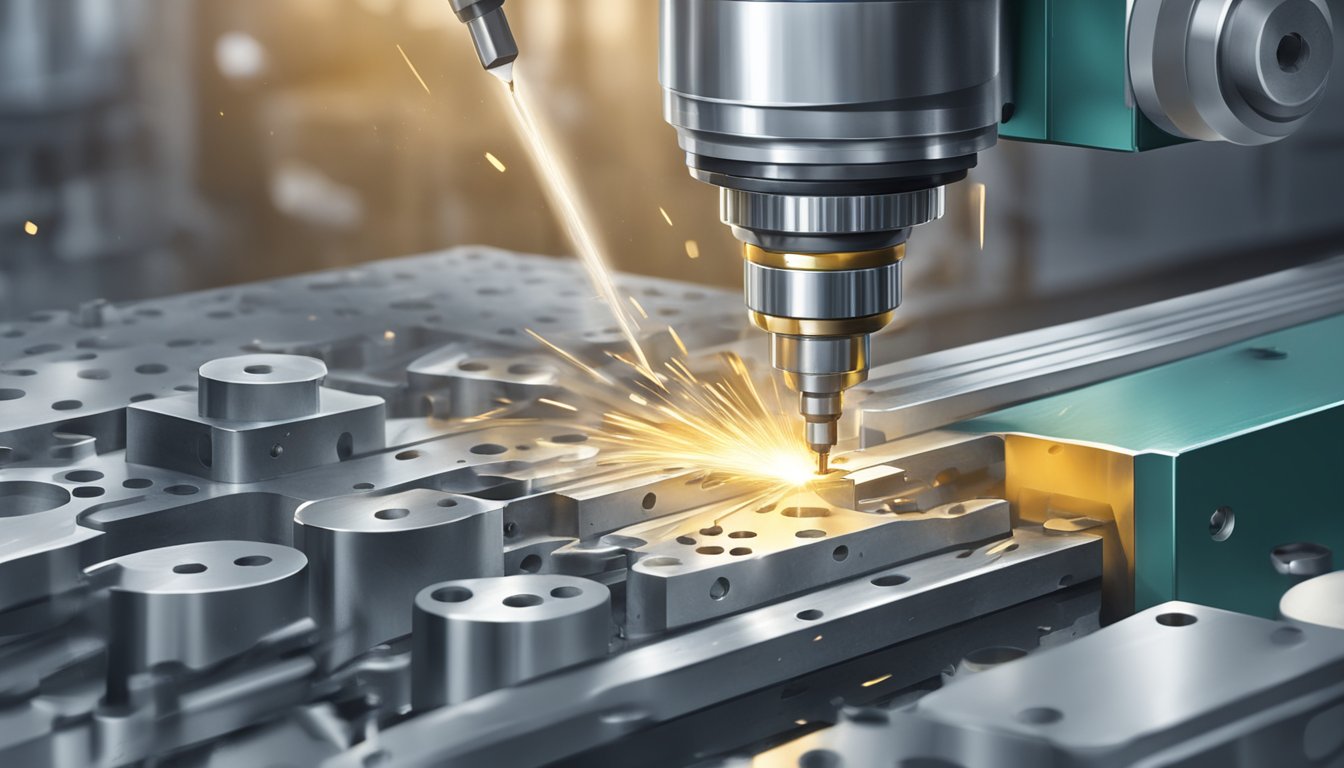
Les broques de carbur sobresurten en el mecanitzat d'alumini en múltiples indústries gràcies a la seva durabilitat i precisió. Explorem com aquestes eines fan una diferència real en sectors clau.
Aplicacions aeroespacials
La indústria aeroespacial depèn en gran mesura de les broques de carbur components d'alumini. Veiem que aquestes eines s'utilitzen àmpliament en estructures d'ala, peces del fuselatge i carcasses del motor.
Típic aplicacions aeroespacials incloure:
- Forats de precisió en esparmes de les ales
- Patrons de perforació complexos per reblons
- Perforació de forats profunds en components estructurals
Els paràmetres de velocitat de 300-500 peus de superfície per minut funcionen millor per a l'alumini de grau aeroespacial. Hem descobert que utilitzar un fluid de tall adequat ajuda a mantenir toleràncies estrictes de ± 0,001 polzades.
Usos de la indústria de l'automoció
Les broques de carbur brillen en la fabricació d'automòbils, especialment per a blocs de motors d'alumini i caixa de transmissió. Aquestes eines poden aconseguir una vida útil 1,5-4 vegades més llarga en comparació amb les trepants estàndard.
Aplicacions clau de l'automoció:
- Perforació del cos de la vàlvula
- Forats de la carcassa de la transmissió
- Fabricació de blocs de motor
Els paràmetres de tall adequats fan una gran diferència. Recomanem velocitats d'alimentació moderades amb altes velocitats per obtenir resultats òptims en peces d'automòbil.
Bones pràctiques de fabricació
Aconseguir el màxim profit de les broques de carbur requereix una tècnica adequada. Els talls nets d'alumini necessiten la combinació adequada de velocitat, alimentació i refrigerant.
Paràmetres essencials per a l'èxit:
- Velocitat: 800-1200 RPM per a la majoria d'aplicacions
- Velocitat d'alimentació: 0,004-0,008 polzades per revolució
- Refrigerant: soluble en aigua o sintètic
Una correcta evacuació d'encenall evita l'acumulació a la vora de tall. Sempre assegurem una bona separació d'encenalls mitjançant un disseny adequat de flautes i un flux de refrigerant.
Casos pràctics i casos d'èxit
Un important fabricant d'automòbils va canviar a trepants de carbur especialitzats per als seus casos de transmissió d'alumini. La seva vida útil de l'eina va augmentar un 300% mantenint una qualitat superior del forat.
Un altre èxit va ser d'un proveïdor aeroespacial:
- Mètode anterior: 500 forats per eina
- Nou sistema de carbur: més de 2.000 forats per eina
- La taxa de ferralla va baixar del 3% a menys del 0,5%
Aquests exemples reals mostren per què més fabricants trien broques de carbur per a les seves aplicacions d'alumini.
Guia de resolució de problemes

Identificar i solucionar problemes de perforació ràpidament estalvia temps i diners alhora que garanteix resultats de qualitat. El manteniment adequat i la ràpida resolució de problemes fan que les nostres operacions de mecanitzat funcionin sense problemes.
Reptes i solucions comuns
Sovint, el trencament o el trencament es produeix a causa de velocitats de tall incorrectes. Hem d'ajustar les nostres velocitats d'alimentació i velocitats en funció del gruix del material.
Correccions relacionades amb la velocitat:
- Augmenteu la velocitat de tall si el trepant s'escalfa massa
- Redueix la velocitat d'alimentació per a una millor evacuació d'encenalls
- Utilitzeu la perforació esglaonada per a materials més gruixuts
Mala qualitat del forat? Prova aquests:
- Comproveu el centratge del punt de perforació
- Comproveu la tolerància del diàmetre de la broca
- Assegureu-vos una pressió de tancament adequada
El tall fort o aspre normalment significa una força d'empenta excessiva. Hem de comprovar el nostre suport d'eines i assegurar-nos que està ben ajustat.
Mesures de control de qualitat
La inspecció periòdica ajuda a detectar problemes abans que es converteixin en problemes. Mesurem les mides dels forats i l'acabat superficial després de la perforació.
Punts de control clau:
- Geometria del punt de perforació
- Estat de flauta
- Desgast del marge
- Esgotament de l'eina
Utilitzant una pinça digital, comprovem les mides dels forats amb les especificacions. La inspecció de l'acabat superficial amb una bona il·luminació ens indica si hem d'ajustar els nostres paràmetres de tall.
Estratègies de prevenció de problemes
Una bona preparació evita la majoria de problemes de perforació. Sempre netegem la superfície de treball abans de començar.
Bones pràctiques:
- Utilitzeu refrigerant d'alta pressió
- Mantenir les eines afilades i netes
- Comproveu l'alineació de la màquina setmanalment
- Emmagatzemeu correctament les broques entre usos
La selecció adequada de l'eina fa una gran diferència. Escollim broques amb flautes amples i angles d'hèlix elevats per a l'alumini.
Quan substituir o mantenir
Els problemes petits sovint només necessiten solucions senzilles. Busquem aquests senyals d'advertència que ens indiquen que és hora d'un nou simulacre:
Substitueix quan:
- Les flautes mostren un gran desgast
- L'angle del punt canvia significativament
- Els marges es desgasten de manera desigual
- L'estella es produeix a les vores de tall
Mantenir quan:
- Apareix un desgast lleuger
- Les vores de tall necessiten un petit reajustament
- El rendiment disminueix lleugerament
- La qualitat de l'acabat superficial disminueix lleugerament
Sovint podem restaurar el rendiment amb un reajustament adequat si ens detectem aviat.


