

Drilling the right size hole for a threaded insert can be tricky. We’ve done the research to help you get it right the first time. For a 1/4-20 threaded insert, you’ll need to drill a hole between 5/16 inch (0.3125″) and 3/8 inch (0.375″) depending on your specific insert type.

Working with wood requires precision, and threaded inserts give us strong, reliable connections that won’t strip out like regular wood screws. These handy fasteners let us create sturdy joints that can be taken apart and reassembled multiple times.
We recommend checking your specific insert’s packaging, as different brands may require slightly different hole sizes. For example, some brass wood inserts need a 5/16″ hole, while certain aluminum inserts call for a 0.354″-0.356″ hole diameter. This small detail makes a big difference in how well your insert fits and performs.
What Is A 1/4-20 Threaded Insert?
A 1/4-20 threaded insert is a metal fastening device that creates strong, permanent threads in softer materials. These handy components let us attach and remove screws or bolts multiple times without damaging the base material.
Quick, Clear Definition
A 1/4-20 threaded insert is a small metal cylinder with external threads on the outside and internal 1/4-inch diameter threads with 20 threads per inch on the inside. The “1/4” refers to the inner thread diameter, while “20” indicates the number of threads per inch.
These inserts come in different styles:
- Press-in: Uses barbed exteriors
- Thread-in: Has external cutting threads
- Heat-set: Installed using heat
Common Applications
We see these inserts used extensively in:
- Woodworking projects
- Plastic components
- Furniture assembly
- Electronic enclosures
They’re perfect for materials that don’t hold threads well on their own. Many industries rely on them:
- Automotive parts assembly
- Aerospace components
- Defense equipment
- Consumer products
Why You Might Need One
You’ll want to use a 1/4-20 threaded insert when you need:
- A strong connection in soft materials
- The ability to repeatedly remove and reattach parts
- A permanent threaded hole that won’t strip out
These inserts solve common problems like stripped screw holes in wood or the need for strong mounting points in plastic parts. They’re especially useful in projects that require frequent assembly and disassembly.
The metal construction provides much more durability than threads cut directly into softer materials. This makes them ideal for high-stress applications or areas that see frequent use.
Essential Specifications

Getting the right specifications for a 1/4-20 threaded insert installation makes all the difference between a strong, reliable connection and a weak, failing joint. The drill size, material type, and installation depth all play crucial roles in success.
The Correct Drill Bit Size (25/64″ or 0.3906″)
We recommend using a 25/64″ (0.3906″) drill bit for most 1/4-20 threaded insert installations. This size creates the perfect hole diameter to achieve optimal grip strength.
For fine-tuning, you can adjust based on material:
- Hardwoods: 25/64″ (0.3906″)
- Soft plastics: 23/64″ (0.3594″)
- Hard plastics: 24/64″ (0.375″)
Always test the fit on a scrap piece first. The insert should press in with firm resistance but not crack the material.
Why This Specific Size Matters
The 25/64″ size creates the ideal interference fit for the insert’s outer knurls or threads. This diameter allows proper material displacement without causing stress cracks.
A hole that’s too small will:
- Risk material splitting
- Make installation difficult
- Create excess stress on tools
A hole that’s too large leads to:
- Poor grip strength
- Insert spinning
- Failed connections
Material Considerations
Different materials need specific insert types:
- Hardwoods: Brass inserts work best
- Plastics: Steel or stainless steel with special knurling
- Composites: Stainless steel with aggressive outer threads
Material thickness matters too. We need at least:
- 3/8″ depth for softwoods
- 5/16″ for hardwoods
- 1/4″ for plastics and composites
The material’s hardness affects installation torque. Softer materials need gentler installation to prevent stripping or damage.
Step-by-Step Installation Guide
Installing a 1/4-20 threaded insert requires careful preparation and attention to detail. A #7 drill bit (0.201 inches) creates the perfect pilot hole size for optimal thread engagement and secure fastening.
Required Tools And Materials
You’ll need these essential items before starting:
- #7 drill bit (0.201 inches)
- Power drill or drill press
- Thread installation tool
- Threaded insert (1/4-20)
- Safety glasses
- Work gloves
- Measuring tape
- Pencil for marking
- Scrap wood for testing
Preparation Steps
Mark the exact center point where you’ll install the insert. We recommend using a center punch to create a small dimple, which helps guide the drill bit accurately.
For wood projects, check the grain direction to prevent splitting. The insert depth should match your material thickness plus any needed protrusion length.
Clean your work area and ensure proper lighting. Secure your workpiece firmly to prevent movement during drilling.
Drilling Technique
Start with a slow drill speed to create an initial pilot hole. This helps prevent the bit from wandering.
Keep the drill perfectly vertical – use a drill press if available for best results.
Apply steady pressure while drilling. Stop occasionally to clear wood chips and prevent overheating.
Check the hole depth matches your insert length plus 1/16 inch for clearance.
Insert Installation Process
Place the threaded insert onto your installation tool. Align it carefully with the pre-drilled hole.
Turn the insert clockwise while applying gentle downward pressure. The threads should catch easily.
Stop when the insert’s top edge sits flush with your work surface. Don’t over-tighten, as this can strip the surrounding material.
Testing The Fit
Insert a 1/4-20 bolt into the newly installed thread. It should turn smoothly without wobbling.
Pull gently on the bolt to test the insert’s holding strength. The insert shouldn’t move or rotate in the hole.
Test with your actual fastener to ensure proper engagement length. You should feel at least 3-4 full turns of thread engagement.
Common Installation Mistakes & Solutions

Installing threaded inserts requires attention to detail and proper technique. Let’s look at some common problems and their fixes to help you get the best results.
Incorrect Drill Bit Size Consequences
Using the wrong drill bit size is one of the biggest mistakes we see. A hole that’s too small can cause the insert to deform or break during installation.
If the hole is too large, the insert won’t grip properly and can spin freely. You’ll end up with loose fittings that wobble and fail.
Common signs of incorrect sizing:
- Insert feels too tight during installation
- Threading is rough or catches
- Insert spins in place
- Cracked or split wood around the hole
Alignment Issues
Crooked inserts lead to cross-threading and damaged parts. We need to start with proper alignment.
Tips for proper alignment:
- Use a drill press when possible
- Mark your drilling spot with a center punch
- Keep your drill perpendicular to the surface
- Go slow and steady – rushing leads to wandering holes
A misaligned insert puts stress on fasteners and can strip threads over time.
Over/Under-Tightening Problems
Finding the right installation torque is crucial. Over-tightening can strip internal threads or split your workpiece.
Under-tightening leaves the insert loose and prone to spinning. The insert should be snug but not forced.
Signs of improper tightening:
- Cracked material around insert
- Stripped internal threads
- Insert moves or spins
- Gaps between insert and material
Troubleshooting Tips
A few key steps can save most installations gone wrong:
- Clean out debris from holes before installing
- Use cutting fluid or varnish as lubricant
- Check hole depth matches insert length
- Test fit before final installation
For stripped threads, try a thread repair kit or the next size up insert. For loose fittings, epoxy can help secure the insert.
Check that your installation tool matches the insert size. Wrong tools can damage the insert or leave it improperly seated.
Tips For Success
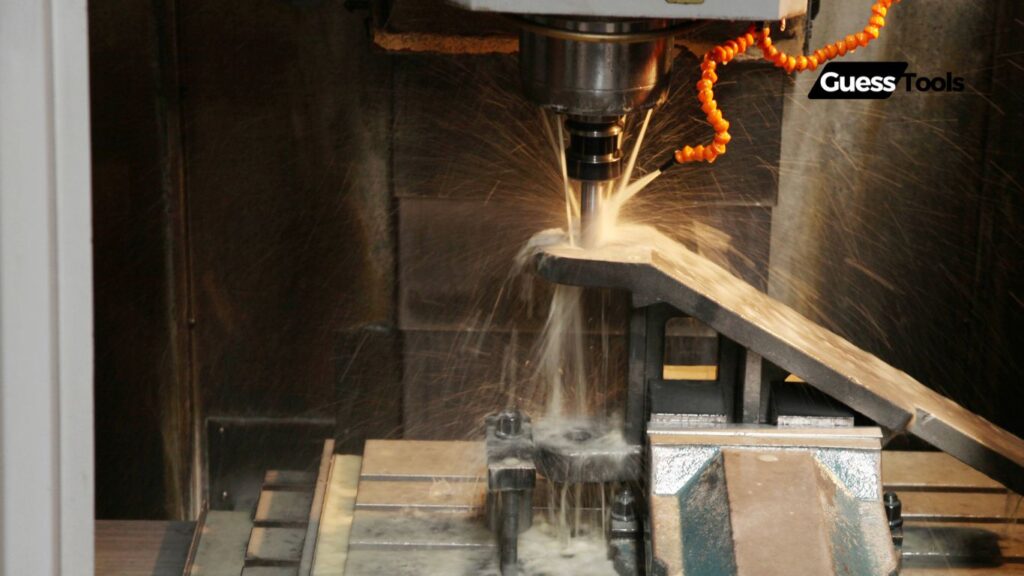
Getting perfect threads requires careful attention to detail and the right approach. Let’s explore the key factors that will help you achieve professional results with your 1/4-20 threaded inserts.
Tool Selection Recommendations
We recommend using a high-quality #7 drill bit with a diameter of 0.201 inches (13/64″) for optimal results. This size creates the perfect hole for 1/4-20 tapping.
Your tool checklist should include:
- Sharp drill bits: Replace worn bits to avoid rough holes
- Tap guide: Ensures straight alignment
- Cutting fluid: Reduces friction and extends tool life
- Drill press: Provides better control than hand drilling
A variable speed drill running at 300-400 RPM works best for most materials. Keep your tools clean and well-maintained.
Material-Specific Considerations
Different materials need different approaches for the best results:
Aluminum:
- Use cutting fluid designed for soft metals
- Higher cutting speeds (500-600 RPM)
- Light pressure to avoid galling
Steel:
- Lower speeds (250-300 RPM)
- More cutting fluid
- Steady, firm pressure
Plastic:
- Very low speeds (100-200 RPM)
- No cutting fluid needed
- Light pressure to prevent melting
Professional Techniques
Start with a center punch to mark your drilling spot precisely. This small step prevents the bit from wandering.
Use a pilot hole with a smaller drill bit first. This technique improves accuracy and reduces the strain on your tools.
Clean chips frequently while drilling. This prevents binding and improves hole quality.
Break the process into steps:
- Mark and center punch
- Drill pilot hole
- Drill final size
- Tap threads carefully
Quality Control Checks
Test fit a screw before installing the threaded insert. It should thread smoothly without resistance.
Common signs of quality issues:
- Rough threading: Often means drill size was too small
- Loose fit: Usually indicates oversized hole
- Cross threading: Shows misalignment during tapping
Measure hole depth and diameter with calipers. The hole should be straight and clean.
Keep track of measurements in a simple table:
| Check Point | Target | Tolerance |
|---|---|---|
| Hole Size | 0.201″ | ±0.002″ |
| Depth | 2x thread length | +1/8″ max |
| Alignment | 90° | ±1° |
Safety And Best Practices

Working with drill bits and threaded inserts requires careful attention to safety protocols and proper techniques to prevent injuries and ensure quality results.
Safety Equipment
Essential protective gear includes:
- Safety glasses with side shields
- Cut-resistant work gloves
- Steel-toed boots
- Hearing protection
- Dust mask or respirator
We recommend wearing close-fitting clothes and tying back long hair to prevent entanglement with rotating equipment.
Keep your sleeves rolled up and remove any jewelry or loose accessories before starting work.
Workspace Setup
Your work area needs proper lighting and ventilation. Set up your workbench at a comfortable height.
Secure your workpiece firmly using appropriate clamps or a vise. Never hold materials by hand while drilling.
Keep your workspace clean and organized. Put tools away when not in use and sweep up metal shavings regularly.
Key equipment placement:
- First aid kit within reach
- Fire extinguisher nearby
- Power switches easily accessible
- Tools arranged in order of use
Material Handling
Always inspect materials for defects before starting work. Check for cracks, warping, or other damage.
Handle sharp tools and metal pieces with care. Use deburring tools to remove sharp edges after drilling.
Store unused drill bits and taps in protective cases or holders to prevent damage and keep them organized.
Clean all metal shavings from threaded inserts before installation.
Tool Maintenance
Check drill bits for signs of wear or damage before each use. Replace dull or damaged bits immediately.
Keep cutting tools sharp and clean. Remove buildup of metal particles regularly.
Daily maintenance tasks:
- Wipe tools clean after use
- Apply light oil to prevent rust
- Store in a dry location
- Inspect power cords for damage
Calibrate measuring tools periodically to maintain accuracy.


