
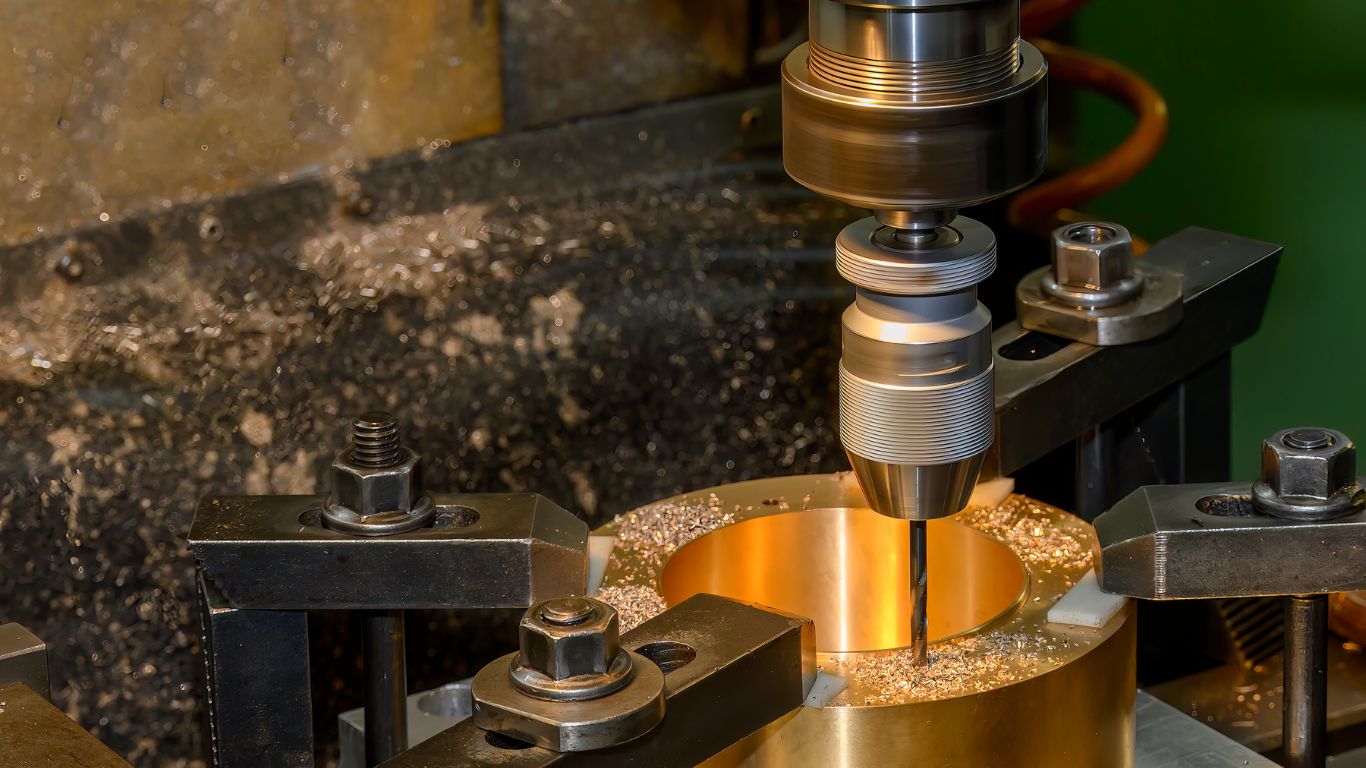
Choosing the right drill bit size for a 5/16 tap is crucial for any DIY project or professional job. We know that getting this wrong can lead to weak threads or even stripped screws. For a 5/16 tap, the recommended drill bit size is typically 7/32 inch. This size allows enough material for the tap to cut strong threads while creating a hole that’s not too tight or loose.

The exact drill bit size can vary slightly based on the tap’s thread pitch and the material you’re working with. For example, a 5/16-18 tap (18 threads per inch) might need a different size than a 5/16-24 tap (24 threads per inch). It’s always a good idea to check the specific recommendations for your project.
We’ve found that using the right tools makes all the difference in tapping success. A drill bit size gauge can help you match your bits accurately. Remember, it’s better to start with a slightly smaller hole and work your way up if needed. This approach gives you more control and reduces the risk of oversized holes.
Understanding Tap and Drill Bit Basics
Taps and drill bits work together to create threaded holes. Selecting the right sizes and types is key for strong, accurate threads.
The Role of Material in Tap and Drill Selection
Material hardness affects tap and drill bit choice. Softer materials like aluminum need sharper tools. Harder metals require tougher, coated taps and bits.
We choose taps based on material strength. Taper taps work well for softer stuff. Plug taps are good for most jobs. Bottoming taps finish deep holes.
Drill bit materials matter too. High-speed steel bits work for many tasks. Carbide-tipped bits last longer in tough materials.
Different Types of Taps
Taps come in various styles. Hand taps are common for DIY projects. They include taper, plug, and bottoming types.
Machine taps work with power tools. Spiral point taps push chips forward. Spiral flute taps pull chips out of blind holes.
Thread pitch affects tap choice. Coarse threads use bigger taps. Fine threads need smaller ones. We match the pitch to the job requirements.
Drill Bit Sizes and Types
Drill bit size is crucial for proper tapping. We usually pick a bit slightly smaller than the tap’s major diameter.
For a 5/16″ tap, a 17/64″ or F-size bit often works well. This leaves enough material for strong threads.
Bit types vary too. Twist bits are versatile. Brad point bits give clean starts in wood. Forstner bits make flat-bottomed holes.
Accuracy matters in drill bit selection. Using the wrong size can lead to weak or stripped threads. We always double-check sizes before drilling.
Determining the Correct Drill Bit Size

Picking the right drill bit size for a 5/16 tap is key for strong threads. We’ll look at decimal conversions, 5/16 tap details, and how thread size affects drill choice.
Decimal Equivalents and Conversion Chart
Drill bits often come in fractional sizes, but taps use decimal measurements. To match them up, we need to convert fractions to decimals. Here’s a quick chart for common sizes:
| Fraction | Decimal |
| 1/4 | 0.250 |
| 5/16 | 0.3125 |
| 3/8 | 0.375 |
For a 5/16 tap, we look for a bit close to but smaller than 0.3125 inches. This leaves room for the tap to cut threads.
5/16 Tap Specifics
A 5/16 tap creates threads in a hole for 5/16 inch bolts or screws. The tap drill size is smaller than 5/16 to allow for thread cutting. For a 5/16-18 tap (18 threads per inch), we use a 17/64 inch or F size drill bit. This bit is about 0.2656 inches wide.
Some machinists prefer a slightly larger or smaller bit based on the material they’re working with. Softer materials might need a smaller bit for tighter threads.
Thread Size and Nominal Diameter
Thread size affects the drill bit choice. The nominal diameter is the basic outer size of the thread. For a 5/16 tap, that’s 0.3125 inches. But we don’t drill a hole that big. We need to account for the thread depth.
The thread size tells us how many threads are in one inch. A 5/16-18 tap has 18 threads per inch. More threads mean we need a slightly larger drill bit. A 5/16-24 tap (24 threads per inch) would use a smaller drill bit than the 5/16-18.
We always aim for about 75% thread engagement. This balance gives strong threads without making the tap too hard to turn or risking breakage.
Optimizing the Drilling Process

Proper drilling technique is key for creating clean, precise holes for 5/16 taps. We’ll explore ways to improve accuracy and efficiency.
Lubrication and Cutting Fluids
Using the right lubricant makes a big difference when drilling. We recommend cutting oil or tapping fluid for most metals. These help reduce friction and heat buildup.
Apply lubricant before and during drilling. This keeps the bit cool and helps remove metal chips. For aluminum, we suggest using WD-40 or a similar light oil.
Cutting fluids also extend drill bit life. They prevent premature wear and breakage. Choose a fluid made for your specific material for best results.
Drilled Hole Size and Thread Percentage
Getting the right hole size is crucial for strong threads. We aim for 75% thread engagement for most applications. This means the tap will cut into about 75% of the drilled hole’s wall thickness.
For a 5/16 tap, a 17/64″ (0.2656″) drill bit often works well. This leaves enough material for good threads without making tapping too difficult.
In some cases, you might need to adjust slightly:
- Softer materials: Use a smaller bit (like 1/4″) for more thread engagement
- Harder materials: Go up to 9/32″ to make tapping easier
Troubleshooting Common Issues
Misalignment is a common problem when drilling for taps. We always use a drill press or guide to keep the hole straight. Hand-held drills can lead to angled holes and weak threads.
If you’re experiencing tap breakage:
- Check your drill bit size – it might be too small
- Ensure you’re using enough cutting fluid
- Back out the tap regularly to clear chips
Stripped threads often result from:
- Using the wrong size drill bit
- Not enough lubrication
- Applying too much pressure while tapping
To fix these issues, we clean out the hole and start over with the correct size bit. In some cases, you might need to use a thread repair kit.
Advanced Considerations
Choosing the right drill bit for a 5/16 tap involves more than just size. We need to think about tap types, chip removal, and getting the perfect fit.
Cutting Tap Versus Forming Tap
Cutting taps and forming taps work differently. Cutting taps remove metal to make threads. Forming taps push the metal into shape without making chips.
For cutting taps, we use a slightly larger drill bit. This leaves room for the tap to cut. A 17/64″ bit often works well for a 5/16″ cutting tap.
Forming taps need a bigger hole. They push metal out of the way instead of cutting it. For a 5/16″ forming tap, we might use a 1/4″ drill bit.
The material we’re working with matters too. Softer metals like aluminum work well with forming taps. Harder metals usually need cutting taps.
Chip Evacuation Techniques
When using cutting taps, getting rid of metal chips is key. Chips can clog the tap and cause problems.
One way to help is using a spiral fluted tap. The spiral shape helps push chips out as we turn the tap.
We can also use a technique called “pecking.” This means backing the tap out a bit every few turns. It helps clear chips and prevents jamming.
Using cutting oil or tapping fluid is another good idea. It helps cool the tap and move chips away.
For really deep holes, we might need a gun tap. These have a hollow center that lets chips escape through the tap itself.
Achieving Precision and Preventing Over-Tightening
Getting the right fit is crucial. We don’t want threads that are too loose or too tight.
Using a tap guide can help keep the tap straight. This prevents crooked threads and ensures a good fit.
We should start slowly when tapping. It helps us feel if something’s not right. If it feels too tight, we might need to back out and check our work.
For precise work, using a tap handle with an adjustable clutch can help. It lets us control how much force we use.
Testing the fit as we go is important. We can use a bolt or screw to check. It should turn smoothly without being too loose.
If we’re working with softer metals, we need to be extra careful not to over-tighten. This can strip the threads and ruin our work.
Essential Tools and Accessories

Getting the right tools is key for tapping 5/16 holes. We’ll look at power tools, fasteners, and speciality items to make your job easier.
Selecting Quality Power Tools
A good drill press or handheld drill is a must-have for tapping 5/16 holes. We recommend a drill with adjustable speed settings. This lets us control the drilling speed for different materials. Look for drills with at least 1/2 inch chuck size to fit larger drill bits.
For precise holes, a drill press offers better control than a handheld drill. It keeps the bit straight and lets us set an exact depth. Some models have built-in tapping attachments, which can save time.
Don’t forget safety gear. Always use eye protection and work gloves when drilling.
Choosing the Right Fasteners
Picking the right fasteners is just as important as the drilling process. For 5/16 taps, we need matching 5/16 bolts or screws.
Material matters too. Use steel fasteners for metal projects and brass for softer materials like wood. Stainless steel works well for outdoor use.
Thread count is another factor. Common options for 5/16 taps are:
- 5/16-18 (18 threads per inch)
- 5/16-24 (24 threads per inch)
Make sure your fasteners match the tap’s thread count.
Bottoming Taps and U Drill Bits
Bottoming taps are great for 5/16 holes that don’t go all the way through a piece. They cut threads to the bottom of a blind hole. This tap style has little to no taper, letting it reach deeper.
U drill bits are ideal for making holes for 5/16 taps. The “U” size is about 0.368 inches, which leaves enough material for good threads. This bit size helps prevent tap breakage by not removing too much material.
A tap guide can help keep the tap straight when starting. This simple tool improves accuracy and reduces the risk of broken taps.
Thread Depth and Hole Preparation
When drilling a hole for a 5/16 tap, getting the right thread depth is key. We need to make sure there’s enough material for the tap to cut into, but not so much that it becomes hard to turn.
A good rule is to drill the hole about 1.5 times deeper than the length of the threaded part you’ll be using. This gives plenty of room for the tap to work.
For the actual hole size, we recommend using a 17/64″ drill bit. This size leaves just the right amount of metal for the tap to cut clean threads.
Before tapping, it’s important to clean the hole. Remove any chips or debris that might interfere with the tapping process.
Here’s a quick checklist for hole preparation:
- Mark the center point
- Use a center punch to create a starter dimple
- Drill with the 17/64″ bit to the right depth
- Clean out the hole
- Apply cutting oil if needed
By following these steps, we’ll create the perfect hole for our 5/16 tap. This ensures strong, clean threads that will hold securely.
Frequently Asked Questions

Choosing the right drill bit size for a 5/16 tap is key for successful threading. We’ll cover common questions about drill bit sizes, conversions, and alternatives to help you get the job done right.
How do I determine the appropriate drill bit size for a 5/16-18 tap?
For a 5/16-18 tap, we recommend using a 17/64″ drill bit. This size provides the perfect balance for clean thread-cutting. It leaves enough material for the tap to grip while preventing excess stress that could break the tap.
Can you tell me the conversion of drill bit size to millimeters for a 5/16 tap?
The ideal drill bit size for a 5/16 tap is about 6.75 mm. This is very close to a 17/64″ bit in imperial measurements. Using a 6.75 mm bit will give you the right amount of material for tapping clean threads.
What is the standard drill bit size when preparing a hole for a 5/16-24 tap?
For a 5/16-24 tap, we suggest using a 9/32″ drill bit. This size works well for the finer threads of a 24 pitch tap. It allows for proper thread engagement without risking tap breakage.
In the absence of a 5/16 drill bit, what size would be the closest substitute?
If you don’t have a 5/16″ drill bit, a 21/64″ bit is the closest larger size. For a smaller option, try an 19/64″ bit. These sizes are close enough to work in most cases, but may affect thread depth slightly.
What drill bit should I use for a 5/16 lag bolt?
For a 5/16 lag bolt, we recommend using a 7/32″ drill bit for the pilot hole. This size creates a strong grip for the lag bolt threads while reducing the risk of splitting the wood.
How to select the correct drill bit size for a 5/16 insert?
To install a 5/16 insert, use the drill bit size specified by the insert manufacturer. In many cases, this will be a 25/64″ bit. Always check the package or instructions to ensure you’re using the right size for your specific insert.


