

When it comes to machining, choosing the right tool can make all the difference. We all know how crucial it is to achieve the best finish and efficiency when working with materials like aluminum. So, is a 2-flute or a 3-flute end mill the way to go? For most grooving and slotting operations, a 2-flute end mill provides better chip clearance, making it ideal for softer materials. However, if you’re looking to balance between material removal rate and finish, a 3-flute end mill might be just what you need.
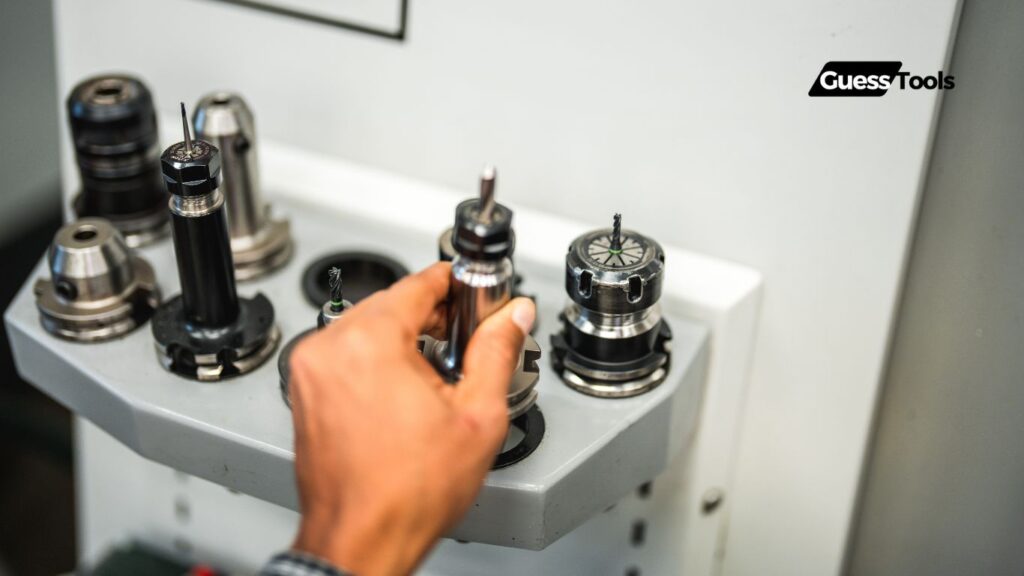
Think about the times when tool chatter has been an issue; this is where a 3-flute can shine by stabilizing the cut and providing a smoother operation. The extra flute offers a balance between chip evacuation and stabilizing forces, which can be very handy depending on the operation and the material you’re working with. Imagine reducing those annoying vibrations and getting a cleaner cut. It’s about finding that sweet spot for your specific project.
Whether you’re just starting in the machining world or have been around for a while, there’s always something new to learn about tooling. We believe that understanding the differences and knowing when to use each type can save us a lot of time and effort in the end. Stick around to explore the details that will help you make a more informed decision on your next machining task.
End Mill Fundamentals
Our aim is to provide readers exploring milling solutions with a better grasp of end mills, which are essential in machining. This section will focus on defining end mills, explaining their components, and understanding how different புல்லாங்குழல் எண்ணிக்கைs affect their performance.
What Is An End Mill?
End mills are cutting tools used in milling machines to remove material through precise cuts. Unlike drill bits, end mills can cut in multiple directions. They come in various sizes and materials, enabling tasks such as profiling, slotting, and contouring.
They are primarily used for machining surfaces and cavities. The versatility of end mills makes them valuable in metalworking and woodworking. Depending on the design and flute count, they impact the efficiency and quality of machining jobs.
Basic Terminology and Components
Understanding end mill components is vital for selecting the right tool. புல்லாங்குழல்அருவடிக்கு வெட்டும் விளிம்புகள், மற்றும் shank are key parts. Flutes are spiral grooves along the tool’s length that help remove chips and affect the tool’s cutting capability. Cutting edges are the sharp parts that slice through material.
தி gullet is the space between flutes, critical for chip removal. Flute depth influences the end mill’s capacity to carry away debris. The shank is the cylindrical part fitting into the milling machine, providing stability during operations. End mills can vary significantly, with different designs tailored to specific tasks.
How Flutes Affect Performance
The number of flutes on an end mill dramatically influences its performance. More flutes usually mean a smoother finish but can reduce chip removal rates. For example, a 2-flute end mill is ideal for softer materials where chip evacuation is critical.
On the other hand, a 3-flute end mill works well for metals because it balances material removal and surface finish. Increased flute count generally means decreased space per flute, affecting chip evacuation, but allows for more contact points with the material. Choosing the right flute count depends on the machining operation and desired results.
The 2-Flute End Mill Deep Dive
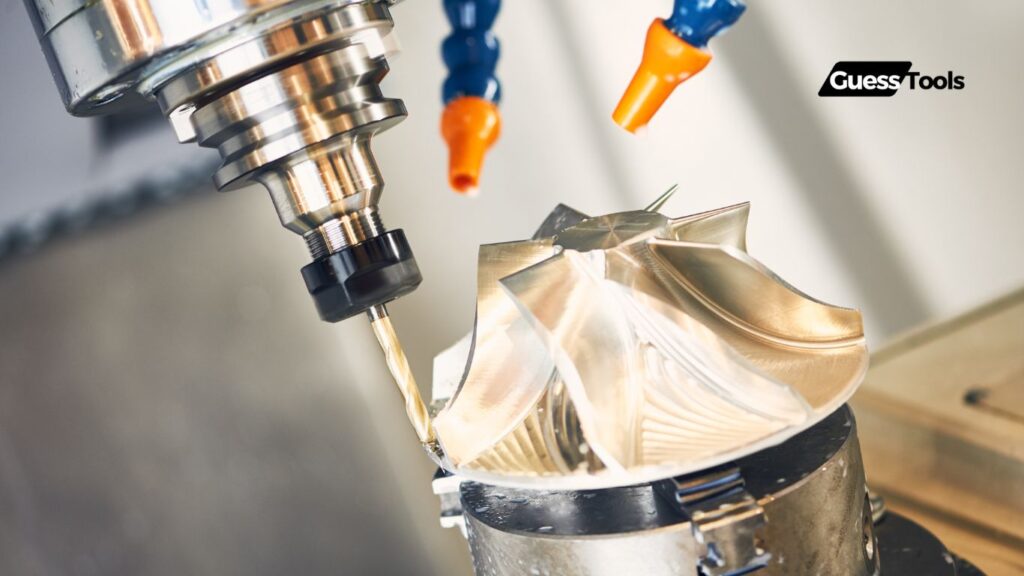
When considering 2-flute end mills, various factors come into play that influence their design and utility. These tools are known for their effective chip clearance and material removal capabilities. Let’s explore how these characteristics make them suitable for different tasks and materials.
Design Characteristics
2-புல்லாங்குழல் முடிவு ஆலைகள் feature two cutting edges. This design provides ample space between the flutes for chip clearance. It helps remove material quickly, avoiding clogging, especially when working with softer materials.
The design improves cooling, reducing wear on the tool. With only two flutes, these end mills are lighter but strong and are particularly suited to lower horsepower machines.
Key Advantages
What makes 2-flute end mills stand out? Their major advantage is the enhanced chip clearance. This attribute is crucial when machining long slots or cuts, as chips can exit quickly.
Another plus is their efficiency in soft material cutting. They are less likely to bind, making them ideal for materials like அலுமினியம். Also, since they are strong and reduce tool load, they help in faster machining.
Best Applications and Materials
We often turn to 2-flute end mills when working with materials like aluminum and other non-ferrous metals. Their design excels in cutting softer materials due to the efficient chip removal system.
These tools shine in tasks that need broad cuts and slotting, such as contouring. For those in the metalworking மற்றும் woodworking sectors, these mills are a go-to for precision and efficiency.
When to Choose a 2-Flute End Mill
When should we reach for a 2-flute end mill? If our project involves high-speed machining in soft materials, these tools provide the speed and efficiency we need.
They’re also the tool of choice when working with fewer horsepower. These end mills handle deep, wide cuts where chip clearance is a priority. If clogging is a concern, 2-flute mills are a reliable solution.
The 3-Flute End Mill Deep Dive

Let’s explore the unique features and benefits of 3-flute end mills. These tools offer a smoother finish and are versatile for various operations like contouring, profiling, மற்றும் slotting. Understanding their design characteristics, key advantages, and best materials can help us determine when a 3-flute end mill is the right choice.
Design Characteristics
3-flute end mills strike a balance between the chip evacuation of 2-flute end mills and the rigidity of higher flute counts. They are designed with three cutting edges, which means they can offer improved rigidity over 2-flute tools.
The extra flute means that these end mills can support faster feed rates. When speed is essential, this design characteristic is quite beneficial. Additionally, 3-flute end mills often feature a variable pitch design, which can help in minimizing vibration and chatter during the machining process.
Key Advantages
There are several advantages to using 3-flute end mills. First, they offer better rigidity compared to 2-flute end mills, which can lead to more stable cutting operations. Second, they provide faster feed rates, contributing to improved machining efficiency and productivity.
The balance in design also allows for a smoother surface finish, which can be especially important when aesthetics play a crucial role. Furthermore, the potential for higher spindle speeds makes them ideal for high-speed machining applications.
Best Applications and Materials
3-flute end mills shine in specific applications and with certain materials. They are ideal for tasks like contouringஅருவடிக்கு profiling, மற்றும் slotting in soft materials such as aluminum. With aluminum’s machinability, the extra flute reduces the chip load per tooth.
In addition, they are perfect for applications where surface finish is a priority. The capabilities of 3-flute tools make them suitable for use with non-ferrous materials and in situations where slightly more complex geometry is required.
When to Choose a 3-Flute End Mill
We should consider using a 3-flute end mill when we need a blend of speed and strength. If we’re machining soft materials like aluminum and require a smooth finish, a 3-flute tool is likely our best option.
Moreover, when vibration அல்லது chatter becomes a concern, the variable pitch design can offer better stability. In scenarios where both feed speed மற்றும் மேற்பரப்பு பூச்சு matter, this design is perfect. Overall, choosing a 3-flute end mill depends on our specific machining goals and the materials we’re working with.
Material-Specific Guidelines
Choosing the right flute count for an end mill can change based on the material we’re cutting. This is crucial to ensure improved performance and efficiency in machining. Let’s explore how different flute counts suit materials like aluminum, steel, and more.
Aluminum Machining Solutions
Aluminum is popular due to its versatility. When we’re working with aluminum, both 2-flute மற்றும் 3-flute end mills can be effective. The 2-flute option is great for chip evacuation, which is essential to avoid jamming. It’s particularly useful when we’re doing slotting operations.
However, using a 3-flute end mill allows us for better finishing. It also provides a faster processing rate. The additional flute helps enhance stability and reduces tool vibration, which results in smoother surface finishes.
Steel Machining Solutions
Machining steel is no walk in the park. We’re generally dealing with tougher materials here. 3-flute end mills are often the top choice because they offer a good balance between strength and chip removal.
For high cutting efficiency on steel, coated 3-flute end mills are recommended. The coatings enhance durability by reducing heat and wear. If we’re using softer steel or making shallow cuts, sometimes a 2-flute end mill might do the trick. They provide stronger cuts and quicker material removal in those scenarios.
Plastic Machining Considerations
Plastic materials often behave differently under cutting pressure compared to metals. With plastics, we often see that 2-flute mills provide an advantage, especially for softer plastics like polycarbonate. They give us enough space for the chips to evacuate efficiently and minimize melting due to heat.
When we opt for 3-flute mills, we gain more control over high-speed processes. This is beneficial when precision and finish are our priorities. Importantly, keeping speeds and feeds optimized ensures we don’t compromise the material integrity.
Other Materials and Special Cases
There are various materials like copper, brass, and titanium where the choice can vary. With இரும்பு அல்லாத பொருட்கள் like copper, 2-flute mills often work well due to better chip clearance.
In the case of harder non-ferrous metals like titanium, 3-flute end mills provide more stability. This choice strikes a balance between material removal rate and precision.
For specific shapes or detailed work, using பந்து மூக்கு இறுதி ஆலைகள் could offer an advantage. They’re ideal for contours and 3D shapes, which is worth considering for complex projects. Don’t hesitate to adjust based on the unique requirements we face with each project we tackle.
செயல்திறன் தேர்வுமுறை
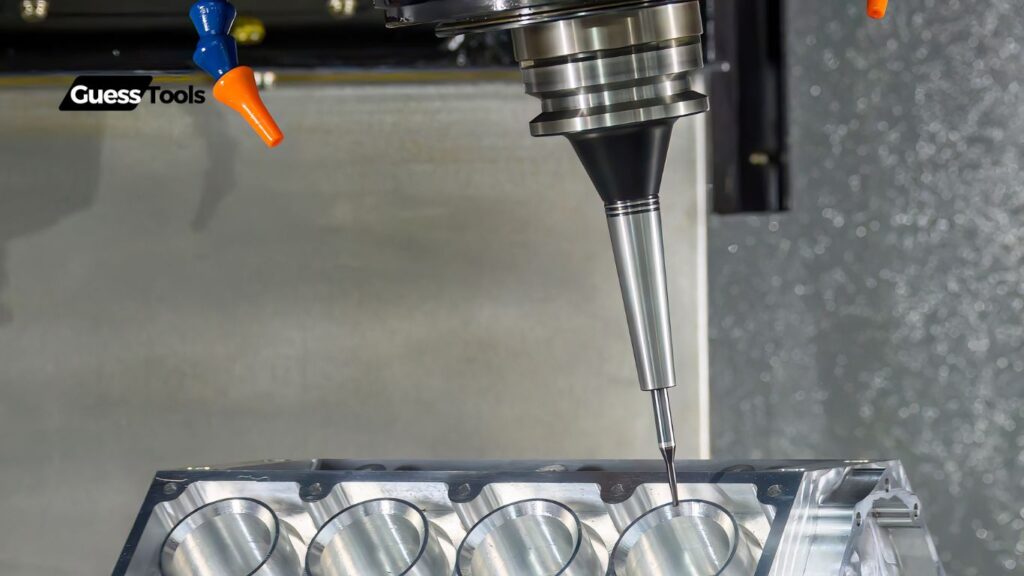
When deciding between 2-flute and 3-flute end mills, optimizing their performance in different aspects can lead to better machining success. Let’s explore how speed and feed considerations, chip evacuation, surface finish, and vibration reduction play a role in maximizing their efficiency.
Speed and Feed Considerations
Understanding the proper speed and feed rates is essential. For 2-flute end mills, operating at higher speeds with moderate feed rates is generally effective. They are ideal for roughing operations due to their lower contact time with material.
In contrast, 3-flute end mills can handle higher feed rates, improving material removal rates. For durability, adjust speeds to reduce heat generation. Selecting the right parameters ensures efficient cutting and prolongs tool life.
Chip Evacuation Strategies
சிப் வெளியேற்றம் is a pivotal factor in machining success. With fewer flutes, 2-flute end mills provide ample space for சிப் வெளியேற்றம், thus minimizing potential clogging. They are well-suited for softer materials.
3-flute end mills can evacuate chips efficiently when used with proper cooling fluids. Achieving optimal chip load prevents deflection and maximizes material removal rate. Experimenting with different strategies can lead to robust, clog-free performance.
Surface Finish Optimization
For achieving a high-quality மேற்பரப்பு பூச்சு, flute count matters. 2-flute end mills are ideal for applications requiring a rougher finish, perfect for initial roughing applications. They offer less surface contact, making them suitable for materials that are sensitive to heat.
3-flute end mills deliver a finer finish due to more contact points. They excel in providing smooth finishes on harder metals. Careful adjustments of feed rates and speeds can yield a superior surface quality for the desired application.
Reducing Vibration and Chatter
Vibration and chatter can significantly impact machining precision. 2-flute end mills, due to their design, tend to generate less vibration at higher speeds, which can be beneficial for less rigid setups.
Conversely, 3-flutes offer more stability, reducing vibration when cutting harder materials at a consistent pace. Using proper coolant and maintaining a solid tool setup helps in mitigating excess chatter, ensuring precision in every cut.
By optimizing these performance aspects, we can enhance machining results irrespective of the material or application.
Making the Right Choice

Choosing between 2 flute and 3 flute end mills depends on your specific needs. We’ll guide you through how to decide based on the material, application, and cost. Avoid common mistakes and ensure your milling processes are efficient and cost-effective.
Decision Framework
When deciding on an end mill set-up, our choice often boils down to the type of material being milled. 2 புல்லாங்குழல் முடிவு ஆலைகள் have wide grooves, ideal for softer materials like aluminum. This helps in clearing chips efficiently, keeping the cutting area clear.
In contrast, 3 flute end mills combine the best of both worlds between 2 and 4 flutes: they offer smoother finishes on medium-hard materials without sacrificing chip removal capability. Selecting the right number of flutes ensures optimal கருவி செயல்திறன்.
Application-Based Selection Guide
Our selection of end mills should be tailored to specific tasks. For roughing operations in aluminum, a 2 flute end mill is optimal due to its chip evacuation ability. Its design reduces overheating and increases cutting speed.
In finishing tasks, such as working with stainless steel or titanium, we might prefer a 3 flute end mill. It offers a balance that provides a cleaner surface finish. In our kits, having both types allows flexibility in tackling different applications efficiently.
Common Pitfalls to Avoid
Getting caught up in a “more is better” mindset can lead us astray. Using a 4 புல்லாங்குழல் எண்ட் மில் in a situation that demands more chip room can slow down operations or cause tool damage. We should aim to avoid using 3 or 4 flute tools in aluminum, where rapid chip clearing is crucial.
Let’s also avoid the mistake of using the wrong cutting speed due to misunderstanding material characteristics. Reading manufacturer specifications and practicing on test materials can prevent costly mistakes.
Cost-Effectiveness Considerations
It’s crucial for us to evaluate the cost-effectiveness of our end mills. Investing in the right tool might seem pricey upfront, but it often saves money over time. A 3 flute end mill, for example, may initially cost more but reduces the need for frequent tool changes, which saves time and labor.
Consider buying end mills that serve dual purposes, such as those that can handle both roughing and finishing. By analyzing the longevity and performance of an end mill in relation to its cost, we can make more informed purchasing decisions.
முடிவுரை
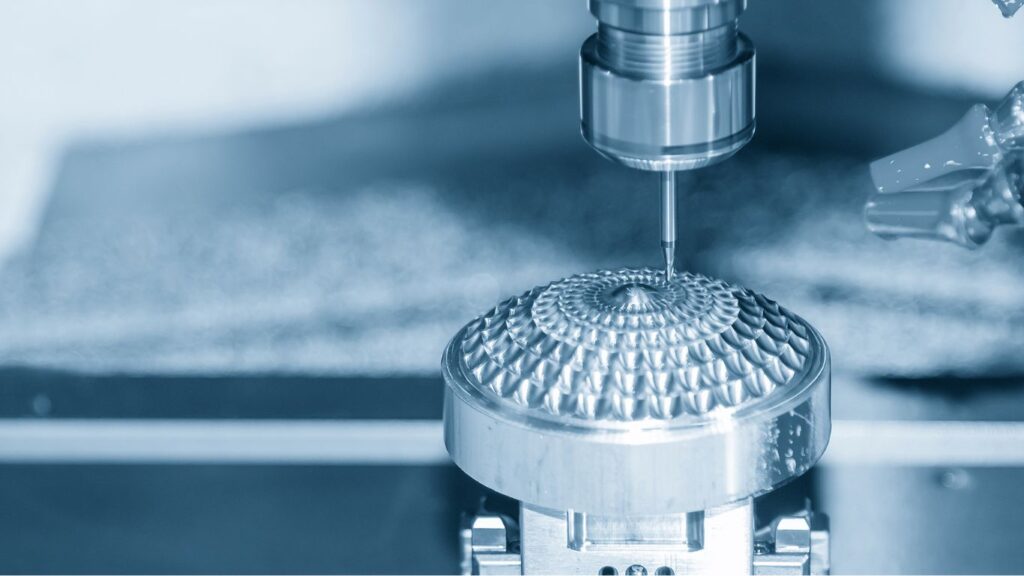
Let’s wrap up our exploration of 2-flute and 3-flute end mills by pinpointing the best choices for different scenarios. Understanding when to use each one can enhance efficiency and precision.
Quick Reference Summary
Choosing between a 2-flute and a 3-flute end mill isn’t just about personal preference. It’s about the materialஅருவடிக்கு efficiency, மற்றும் precision. Here’s a quick guide:
- 2-Flute End Mills: These are ideal for soft materials like aluminum and non-ferrous metals. They provide excellent chip clearance and are perfect for grooving, slotting, and cutting when a rough finish is acceptable.
- 3-Flute End Mills: These offer a balance between chip clearance and strength, suitable for semi-finishing operations. They often reduce chatter and are great when a smoother finish is needed in slightly tougher materials.
Keeping these in mind can help us choose the right tool for our needs.
Next Steps for Selection
Now that we know the basics, what’s next in choosing the right end mill? Start by considering the specifics of your project and the characteristics of the material. Always test different options to see what works best for your machining needs.
Evaluating Feedback: Experiment with both end mills, note the finish quality, and adjust based on specific requirements.
Consulting Experts: If you’re uncertain, reaching out to other machinists, consulting tool manufacturers, or engaging in online forums can offer valuable insights and tips.
Making an informed decision requires blending this knowledge with hands-on experience to get optimal results.


