

Looking for the perfect tool to create smooth, böjda ytor in your machining projects? A ball nose end mill might be exactly what you need. This versatile cutting tool features a rounded tip that sets it apart from standard flat end mills.
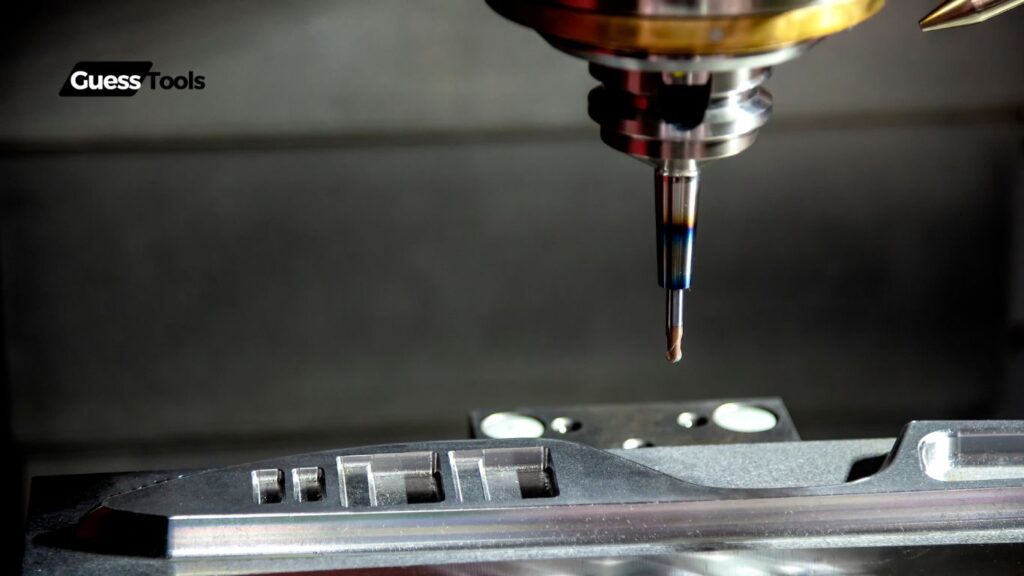
Ball nose end mills excel at creating contoured surfaces, 3D profiles, and rounded features in materials like metal and plastic. We use them daily in our shop for everything from simple corner rounding to complex three-dimensional finishing work. Their hemispherical tips allow for smooth cutting motions that flat end mills just can’t match.
We’ve found these tools especially useful for semi-finishing operations and detail work. The rounded cutting edge helps us achieve better surface finishes and more precise dimensional control when working on curved surfaces. Plus, they’re great for reaching into tight spots where other tools might struggle to access.
Understanding Ball Nose End Mills
Ball nose end mills are specialized cutting tools that give machinists the ability to create smooth, curved surfaces and complex 3D shapes. These versatile tools play a vital role in manufacturing parts with contoured features.
Definition And Basic Construction
A ball nose end mill features a hemispherical cutting tip at the end of a cylindrical body. The rounded end contains sharp skärbåt called flutes that spiral up the tool’s length.
The basic parts include:
- Skärdiameter: Size of the ball-shaped tip
- Skaft: Straight portion that fits into the machine
- Flöjter: Spiral cutting edges along the tool body
These tools come in various sizes, from tiny micro-tools to large industrial cutters. Most have 2-4 flutes, though some specialized versions may have more.
How They Differ From Other End Mill Types
The main difference lies in the rounded tip design. While square end mills have flat bottoms, ball nose end mills can smoothly cut curves and contours.
Some key advantages:
- Creates smoother surface finishes
- Reduces chatter and vibration
- Works well for 3D shapes
- Handles complex geometries better
The rounded profile makes these tools perfect for mold making, die manufacturing, and parts with organic shapes.
Key Features And Terminology
Common features to know:
- Flöjtantal: Number of cutting edges (usually 2-4)
- Center cutting: Ability to plunge straight down
- Radius tolerance: Accuracy of the ball shape
The cutting speed varies across the ball tip. The center point moves slower than the outer edges, which affects skärprestanda.
Tool materials include:
- Höghastighetsstål (HSS)
- Karbid
- Coated versions for better wear resistance
Reach length describes how far the cutting portion extends, with longer versions available for deep cavities.
Primary Applications Across Industries
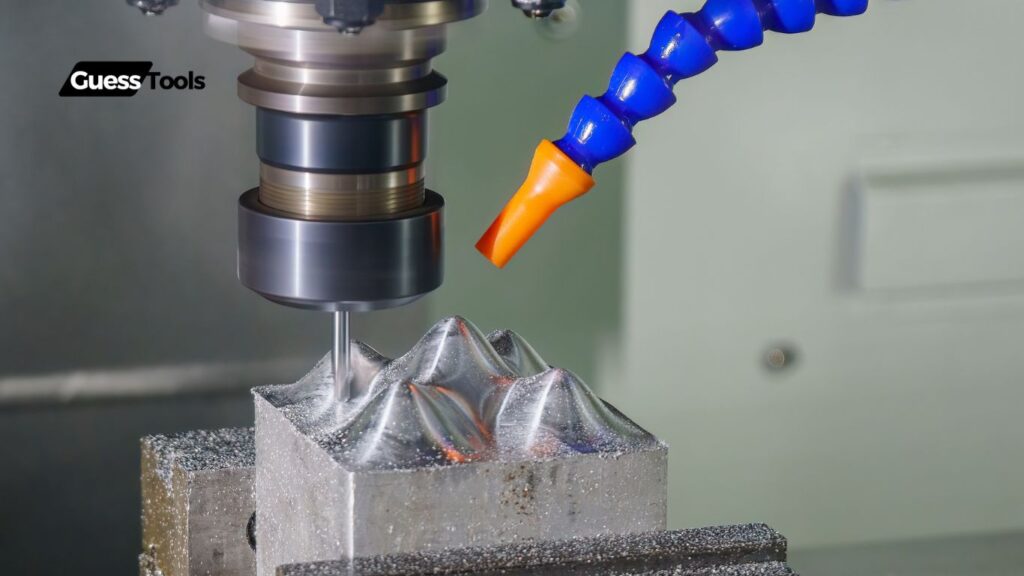
Ball nose end mills serve as essential tools across many manufacturing sectors, delivering exakta snitt och smooth finishes on complex 3D surfaces. Their unique rounded tips let us create detailed contours that flat end mills simply can’t match.
Mold Making And Die Production
We find ball nose end mills crucial for creating injection molds and dies. These tools excel at 3D semi-finishing and finishing operations, helping us achieve smooth surface finishes on complex cavity shapes.
The rounded cutting edge lets us machine steep walls and deep cavities with consistent surface quality. We can easily create:
- Detailed textures and patterns
- Complex curved surfaces
- Deep cavities with smooth transitions
- Fine finishing passes on contoured surfaces
Our experience shows these tools work best when machining at 15-30% step-over rates for optimal surface finish in mold making.
Aerospace Component Manufacturing
In aerospace work, we rely on ball nose end mills for machining critical components like:
- Turbine blades: Creating complex airfoil shapes
- Engine components: Machining curved surfaces
- Structural parts: Contouring lightweight frames
These tools help us maintain tight tolerances while working with tough materials like titanium and Inconel. We typically use smaller diameter tools (0.5-6mm) for intricate detail work.
The spherical cutting edge proves invaluable when machining compound curves and blended surfaces common in aerospace parts.
Automotive Parts Production
For automotive manufacturing, we use ball nose end mills to machine:
- Engine components
- Transmission cases
- Interior trim molds
- Body panel dies
These tools excel at creating smooth transitions between surfaces. We often combine them with 5-axis machining centers to produce complex automotive parts efficiently.
The rounded profile helps us achieve better surface finishes than square end mills when working on curved surfaces.
Woodworking And Artistic Applications
Ball nose end mills shine in creative applications too. We use them for:
3D Carving
- Decorative panels
- Custom signage
- Artistic sculptures
Detail Work
- Intricate patterns
- Logo engraving
- Relief carving
The rounded tip prevents tear-out in wood fibers and lets us create smooth flowing curves. We typically use larger diameter tools (6-12mm) for wood applications to prevent fiber compression.
Materialkompatibilitetsguide
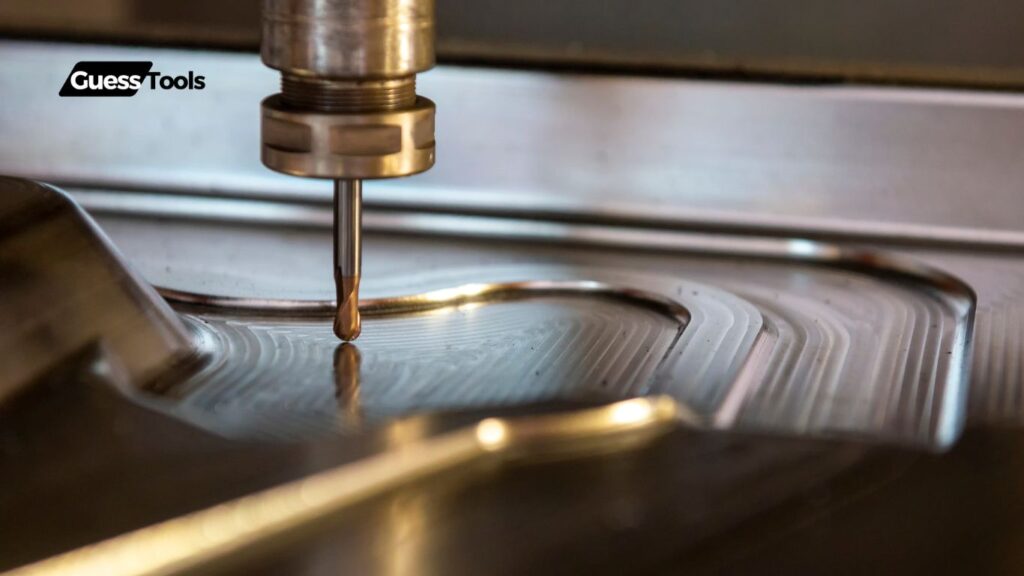
Ball nose end mills work differently with various materials, so picking the right tool specifications will help you get better results and longer tool life.
Performance In Various Metals (Aluminum, Steel, Stainless Steel)
Aluminium: We recommend using 2-3 flute carbide end mills with a high helix angle for aluminum. These tools can run at higher speeds since aluminum is soft and easy to cut.
Stål: For carbon steel, 4-flute solid carbide tools work best. You’ll need to reduce your cutting speeds compared to aluminum and use proper cooling.
Key Specs for Steel Milling:
- Feed rate: 20-40% lower than aluminum
- Coolant: Required for most applications
- Coating: TiAlN or AlTiN recommended
Rostfritt stål: Working with stainless requires special attention. Use 4-5 flute tools with specialized coatings. Keep speeds lower and feeds consistent to prevent work hardening.
Hardened Materials Considerations
Working with hardened steels (>45 HRC) needs careful planning. We suggest using solid carbide tools with specialized geometry and coatings.
Important Factors:
- Tool coating: Multi-layer coatings like TiSiN
- Rigidity: Extra rigid setup required
- Cutting parameters: Light cuts at consistent depths
- Tool wear: Monitor more frequently
Cobalt steel and carbide tools with corner protection work well for these tough materials. Ceramic-coated tools can handle even higher hardness levels.
Non-Metal Applications (Wood, Plastics, Composites)
Wood machining needs fewer flutes and higher speeds. 2-flute tools with sharp edges work great for clean cuts.
Plastic Recommendations:
- Soft plastics: High speeds, sharp tools
- Hard plastics: Moderate speeds, good chip evacuation
- Heat management: Critical to prevent melting
Composites require special attention to avoid delamination. We use special diamond-coated tools for carbon fiber. Glass-filled materials need robust tools with wear-resistant coatings.
Machining Strategies For Optimal Results
Getting the best results with ball nose end mills requires careful planning and the right techniques. Let’s look at the key strategies that will help you achieve excellent surface finishes and precise machining outcomes.
3D Contouring Techniques
The secret to successful 3D contouring lies in matching your cutting path to the part geometry. We recommend using climb milling whenever possible since it produces better surface finishes.
For complex shapes, breaking down the geometry into smaller sections helps maintain consistent cutting conditions. Think of it like creating a road map – you want smooth transitions between different surfaces.
Key parameters to watch:
- Feed rate: Start at 60-70% of your normal rates
- Cutting speed: Reduce by 20-30% compared to flat end mills
- Tool engagement: Keep it under 15% of tool diameter
Constant Z, Spiral, And Spiral Circle Strategies
Constant Z paths work great for steep walls and vertical surfaces. The tool moves horizontally at fixed Z-heights, creating even step patterns.
Spiral strategies shine when machining shallow curves and domed shapes. The continuous motion helps avoid tool marks and creates smoother finishes.
Strategy selection guide:
- Steep surfaces (>60°): Use Constant Z
- Shallow curves (<30°): Choose spiral
- Mixed geometries: Combine both methods
Step-Over Considerations For Surface Finish
The step-over distance directly affects your surface quality. Smaller step-overs create finer finishes but take longer to machine.
For roughing passes:
- Use 15-20% of tool diameter
- Focus on material removal rate
- Accept coarser surface finish
For finishing passes:
- Reduce to 5-10% of tool diameter
- Slow down feed rates by 25%
- Make multiple light cuts
When machining curves, adjust your step-over based on the surface angle. Steeper surfaces need smaller step-overs to maintain consistent scallop heights.
Selecting The Right Ball Nose End Mill
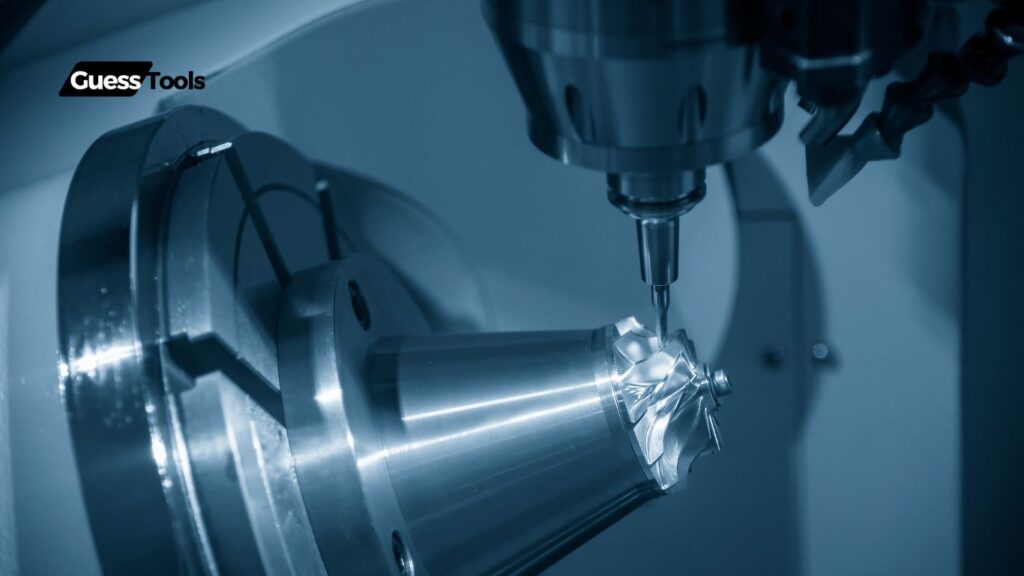
Picking the perfect ball nose end mill depends on several key factors that work together to ensure optimal cutting performance and surface finish quality. Let’s look at what matters most when making your selection.
Diameter And Flute Count Selection Criteria
De diameter of your ball nose end mill directly impacts the accuracy and detail level you can achieve. Smaller diameters (1/32″ till 1/4″) work best for intricate details and tight corners.
For most applications, we recommend using:
- 2 flöjter: Best for aluminum and non-ferrous materials
- 4 flöjter: Ideal for steel and harder materials
- 6+ flutes: Perfect for high-speed finishing operations
Flute spacing affects chip evacuation and surface finish. More flutes mean smoother cuts but slower material removal rates.
Coating Options And Their Benefits
Modern coatings dramatically improve tool life and cutting performance. Here are the top options:
Tenn (titannitrid)
- Extends tool life up to 3x
- Best for aluminum and mild steel
- Gold colored coating
Altin/tialn
- Överlägsen värmebeständighet (upp till 900°C)
- Perfect for hardened materials
- Dark purple-black appearance
DLC (Diamond-Like Carbon)
- Ultra-low friction
- Excellent for non-ferrous materials
- Minskar uppbyggd kant
Materialspecifika rekommendationer
Aluminum and Soft Materials
- Use uncoated or TiN-coated tools
- Select 2-3 flutes for better chip evacuation
- High-speed steel works well for cost savings
Härdat stål
- Choose AlTiN or TiAlN coatings
- Pick 4+ flutes for smoother finish
- Carbide is essential for tool life
Titanium and Super Alloys
- Apply specialized coatings like TiAlN
- Use reduced flute counts
- Select tools with stronger core geometry
Speeds And Feeds: A Practical Guide
Setting the right speeds and feeds is crucial for getting clean cuts and long tool life with ball nose end mills. Let’s look at the key parameters you’ll need to achieve great results.
Starting Parameters For Common Materials
För aluminium, we recommend starting at 600-800 surface feet per minute (SFM) with a chip load of 0.002-0.004 inches per tooth. Steel needs lower speeds – around 300-400 SFM.
Here are our recommended starting points for common materials:
Material Type | Speed (SFM) | Chip Load (IPT)
- Aluminum | 600-800 | 0.002-0.004
- Steel | 300-400 | 0.001-0.003
- Stainless Steel | 200-300 | 0.001-0.002
Remember to calculate your actual RPM using this formula: RPM = (SFM × 3.82) ÷ Tool Diameter
Adjustments For Different Operations (Roughing Vs. Finishing)
Roughing cuts need reduced speeds and increased feeds. We suggest dropping your speed by 20-30% and increasing the chip load by 50%.
For finishing passes:
- Increase speed by 10-20%
- Reduce chip load by 25-50%
- Use lighter depth of cuts
- Consider tilt angle for better surface finish
Climb milling works best for most ball nose operations. Feed the tool in the direction of any inclines for optimal results.
Troubleshooting Common Cutting Issues
Poor surface finish? Check these common causes:
- Speed too low or too high
- Excessive chip load
- Tool deflection from heavy cuts
Tool wear issues:
- Reduce speed if cutting edges chip
- Kontrollera om det är korrekt kylvätskeflöde
- Verify rigidity of tool holding
Chatter problems:
- Decrease depth of cut
- Adjust spindle speed
- Check tool runout and balance
Try changing one parameter at a time. Start with conservative values and adjust based on results.
Extending Tool Life And Performance
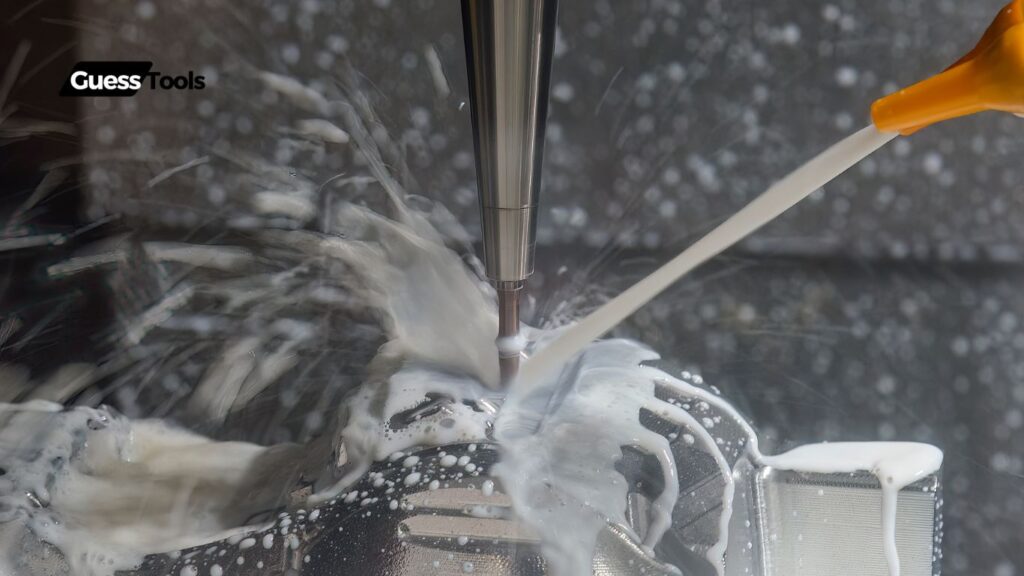
Getting the most life and performance from your ball nose end mill requires careful attention to maintenance, monitoring, and advanced treatments. Proper care leads to better cuts and major cost savings.
Proper Tool Maintenance Procedures
We recommend cleaning your ball nose end mill after each use to remove chips and coolant residue. Use compressed air and a soft brush to avoid damaging the cutting edges.
Daily Maintenance Checklist:
- Inspect cutting edges for wear
- Clean thoroughly with appropriate solvents
- Store in protective cases away from moisture
- Check collet and holder for debris
Regular sharpening helps maintain optimal cutting performance. We suggest using a fine-grit grinding wheel and light pressure to avoid overheating.
Wear Detection And Prevention
Watch for these early warning signs of verktygslitage:
- Increased cutting forces
- Dålig ytfinish
- Ovanliga ljud eller vibrationer
- Visible edge chipping
To prevent premature wear:
- Start with proper speeds and feeds
- Use appropriate coolant
- Minimize tool deflection through rigid setup
- Keep consistent chip loads
Quality control checks should happen at regular intervals. Measure tool runout before each job setup.
Advanced Treatments Like Electro-Polishing
Electro-polishing creates an ultra-smooth surface that reduces friction and extends verktygsliv. The process removes microscopic imperfections that can lead to premature wear.
Surface treatments we recommend:
- Tennbeläggning for general purpose use
- AlTiN for high-temperature applications
- Diamond-like carbon (DLC) for non-ferrous materials
These treatments can double or triple tool life when matched correctly to the application. The initial cost is offset by reduced tool changes and improved part quality.
Comparison With Other End Mill Types
Olik end mill designs serve specific purposes in machining. Each type excels at certain tasks while having limitations for others.
When To Choose Ball Nose Vs. Square End Mills
Square end mills excel at creating flat surfaces and sharp corners, making them ideal for basic milling operations. Their flat bottom produces crisp 90-degree angles and straight walls.
Ball nose end mills shine when working with curved surfaces and 3D contours. We recommend using them for:
- Complex 3D shapes and molds
- Smooth surface finishes
- Rounded corners and edges
- Parts with varying depths
The trade-off is that ball nose mills remove material more slowly than square end mills. They’re also not the best choice for flat surfaces.
Ball Nose Vs. Bull Nose: Key Differences And Applications
Bull nose end mills combine features of both square and ball nose designs. They have a flat cutting end with rounded corners.
Viktiga skillnader:
- Ball nose: Full radius tip for smooth curves
- Bull nose: Partial radius for gentle corner transitions
Bull nose mills work great for:
- Light roughing operations
- Creating rounded edges
- Combining flat surfaces with soft corners
Ball nose mills provide better surface finish on contoured parts but take longer to remove material.
Hybrid Options And Specialty Designs
Modern tooling combines different cutting edge designs for maximum versatility. Some popular hybrid options include:
Tapered ball nose mills: Combine a ball nose tip with tapered flutes for better reach into deep cavities
Corner radius mills: Feature a small radius that balances sharp corners with tool strength
Many specialty designs add features like:
- Variable flute spacing for vibration control
- Special coatings for specific materials
- Modified cutting geometries for unique applications
These hybrids help optimize both cutting performance and tool life for specific machining needs.


