

Have you ever wondered why center drills are such a critical part of the machining process? They may seem like simple tools, but they play a vital role in creating precise holes. Unlike other drills, a center drill is all about angles. The most common center drill angles are 60 degrees, which is essential for forming accurate and stable centers in a workpiece. This angle ensures that the subsequent drilling avoids wandering and maintains accuracy.

Let’s dive deeper into the types of center drills. There are mainly two types: Type A and Type B. Type A drills create a 60-degree chamfer, while Type B adds an extra layer of protection with an additional 120-degree countersink. These features help preserve the integrity of the workpiece by minimizing wear and tear as the drill penetrates the material. This makes them incredibly valuable in precision engineering.
Understanding these angles not only helps in choosing the right tool but also enhances the quality of the drilling process. The angle must align with the tools you’re working with to ensure the best results. Stay with us as we explore the fascinating world of center drills.
What Is a Center Drill?
A center drill is a special type of drill bit used to create a small, precise hole. These holes are essential for starting larger holes or creating centers for turning workpieces on lathes.
Definition and Purpose
Center drills are designed to create accurate center holes in a workpiece. Their primary use is for starting holes for larger drills. We often see them in use at the very beginning of drilling processes.
These vŕtacie kúsky are special because they help in avoiding drill wander. Drill wander can cause a drill to move off course. By creating a starting point, a center drill ensures a larger drill follows the intended path.
Basic Components and Design
Let’s take a closer look at what makes up a center drill. Standard center drills have a pilot tip and a countersink. The pilot tip is the part that starts the hole. On the other hand, the countersink creates a tapered hole.
Mostly made of high-speed steel (HSS), center drills can withstand a lot of heat. Double-ended designs let users flip the drill to use the other end. The drills also come in various veľkosti to fit different needs, with the drill diameter a priemer stopky being key measures.
How It Differs from Regular Drill Bits and Spot Drills
Center drills might look like regular bits, but they have key differences. Regular drills cut deeper and are more prone to wander. But center drills are short and rigid to maintain accuracy.
Spot drills, on the other hand, usually have simpler geometry and can replace center drills in some cases. Yet, we find center drills indispensable for creating small, precise holes. They are easily distinguishable due to their double-ended design.
When we talk about types, the Typ A a Typ B refer to the chamfer angles. Type A forms a center hole with a single 60-degree chamfer. Meanwhile, Type B has a larger, stepped profile for deeper recesses.
Using the right type helps us achieve the best results in our drilling projects, avoiding common mishaps. This helps ensure the success of further machining operations.
Understanding Center Drill Angles
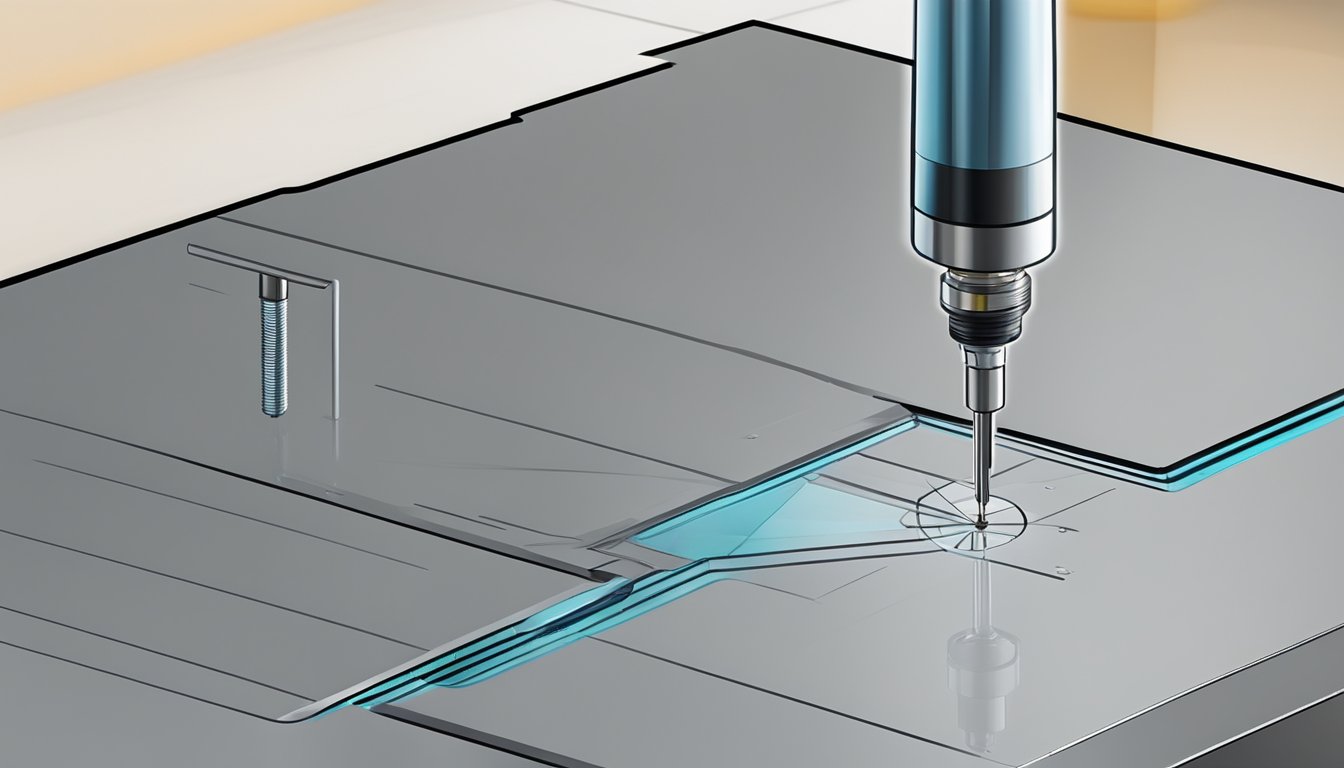
Center drills have specific angles that are crucial for their use. These angles help in creating precise holes that are important for successful drilling operations. Let’s break down the importance of center drill angles further.
What the Angle Measurement Means
When we talk about an angle in the context of center drills, we’re referring to the point angle. This is the angle created by the two opposing cutting edges of the drill. It’s crucial because it determines how the drill enters the material. A smaller angle means a sharper point, which penetrates more easily, while a larger angle means more surface contact. This ultimately affects the accuracy and quality of the hole.
Standard Angles (60°, 75°, 90°)
Center drills commonly come in standard angles of 60°, 75°, and 90°. The 60° angle is often used for creating conical holes, as it allows for better centering. The 75° angle strikes a balance between penetration and contact surface, making it versatile. Lastly, the 90° angle is common for applications requiring a flat-bottomed hole.
In CNC machining, a 60° center drill is typically used to align other drills. Different projects might require changing these angles to ensure the best results for the material being used.
Why Angle Matters in Drilling Operations
Angles are significant in preventing damage to both the drill and the material. For example, a mismatched angle can lead to chatter or deflection, risking tool breakage or poor hole quality. Choosing the right angle helps us create smooth and accurate holes, reducing wear on the equipment.
Moreover, in high-speed drilling, a correct angle ensures efficient heat dispersal, preventing overheating which can dull the drill or warp the material. By understanding and selecting the appropriate angle, we enhance productivity and extend tool life, saving time and resources.
Choosing the Right Center Drill Angle
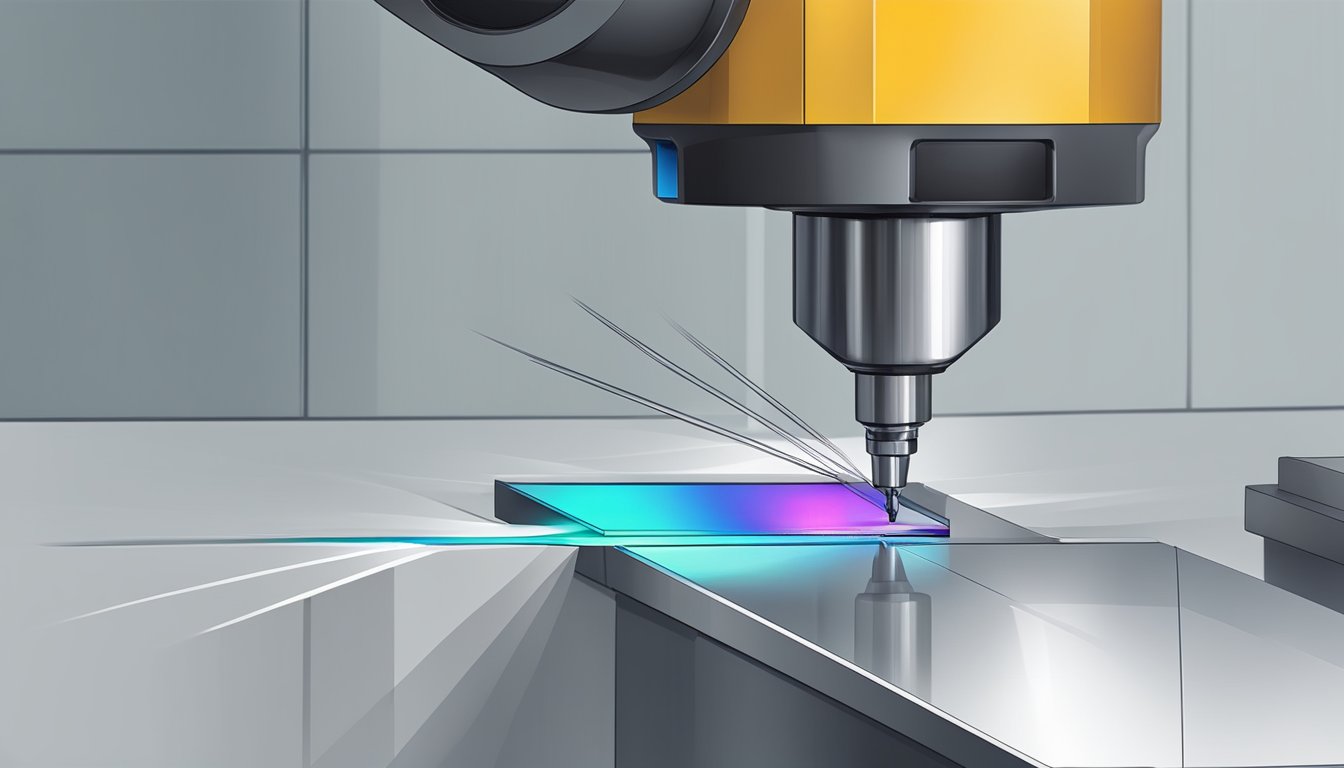
Selecting the right center drill angle is crucial for successful machining. We should focus on the material type, application, and common pitfalls to ensure precision and extend životnosť nástroja.
Významné úvahy
Every material interacts with a tool in its unique way. Softer materials, like hliník, often work well with a 118° angle to prevent the drill from slipping, while harder materials, such as steel, might require an angle closer to 135° for stability. It’s essential for us to match the drill angle with the material hardness to achieve optimálne výsledky.
Using the wrong angle might reduce efficiency and can lead to tool wear. For instance, using a steeper angle on hard materials could increase stress on the drill. Thus, considering the material’s properties first can save us time and resources.
Application Requirements
Specific projects might demand a more tailored approach. For some precision tasks, a center drill with a 100° angle might be ideal to achieve the exact outcomes we need. The purpose of the project heavily influences our choice of angle.
In precision drilling, especially, the chosen angle helps in creating a starting indentation that guides the main drill. This step is important for tasks that require high accuracy. For instance, ensuring there’s no wandering is vital in applications where precision counts. Reading the project specifications closely will help us decide.
Bežné chyby, ktorým sa treba vyhnúť
Avoiding errors is as crucial as knowing the right angle. A frequent mistake is choosing random angles without considering the material or task, which often leads to drill wandering or poor alignment. The tendency to overestimate a drill’s capabilities without understanding its design should be avoided.
Moreover, confusing center drills with spot drills can lead us astray. Center drills primarily create an indentation, while spot drills enhance accuracy further. Misusing these tools might harm the workpiece or reduce tool effectiveness. Always double-checking our choice can prevent unnecessary rework.
Effect on Precision and Tool Life
The effect of choosing the right center drill angle on precision is significant. A properly selected angle evenly distributes force, enhancing our control and reducing wear and tear on the tool. This attention to detail in angle selection improves both precision and lifespan.
An incorrectly chosen angle leads to tool breakage, poor-quality work, and increased costs over time. We need to care about matching angles with material and application to extend tool life. Regular maintenance and checks can also increase a drill’s longevity, ensuring consistently good results.
Practical Applications by Angle

In this section, we will explore how different center drill angles can be applied in various machining tasks. Understanding the best uses for each angle helps us improve efficiency and reduce errors in our projects.
60° Applications and Best Practices
The 60° point angle is widely used and perhaps the most familiar to machinists. Why? It’s great for creating a conical recess at the start of a drilling operation which allows the following drill bit to start precisely. This angle helps ensure alignment, making it a popular choice in machining setups across industries engaged in making shafts and fasteners. We often find that this angle optimally accommodates both soft metals and plastics. Using the right speed settings is crucial here—for instance, lower speeds help prevent overheating and ensure a smooth finish.
75° Uses in Harder Materials
Pri práci s harder materials like hardened steel, a 75° angle gives us the leverage we need. This point angle helps the cutting edges penetrate harder surfaces effectively without chipping or breaking. In situations that demand perfect accuracy and minimal vibration, the 75° angle really shines. It’s often paired with additional coolant or lubrication to maintain the tool’s lifespan and ensure efficiency. Remember, keep a close eye on wear signs—dull edges can reduce performance quickly in these challenging tasks.
90° Specialty Applications
The 90° angle is less common but quite special. We use it for countersinks, especially in sheet metals a presné aplikácie requiring exacting standards. This angle serves well in creating a countersink that matches flat screw heads precisely. Furthermore, it’s highly effective in applications where a wider surface area contact is necessary, like in aerospace component manufacturing. Offering increased stability and finish quality, the 90° angle proves its worth in unique settings where perfection is non-negotiable.
Real-World Examples and Use Cases
Let’s talk about how these angles really work in practice. For instance, automobile parts manufacturing relies heavily on 60° angles since misalignments can be costly. In cutting tool industries, we leverage 75° angles to extend the lifespan of tools cutting tough metals. Meanwhile, aerospace engineers favor 90° drills for their unparalleled accuracy in precision work. These angles, when used effectively, demonstrate just how versatile and invaluable a center drill can become across various fields.
Optimizing Center Drill Performance
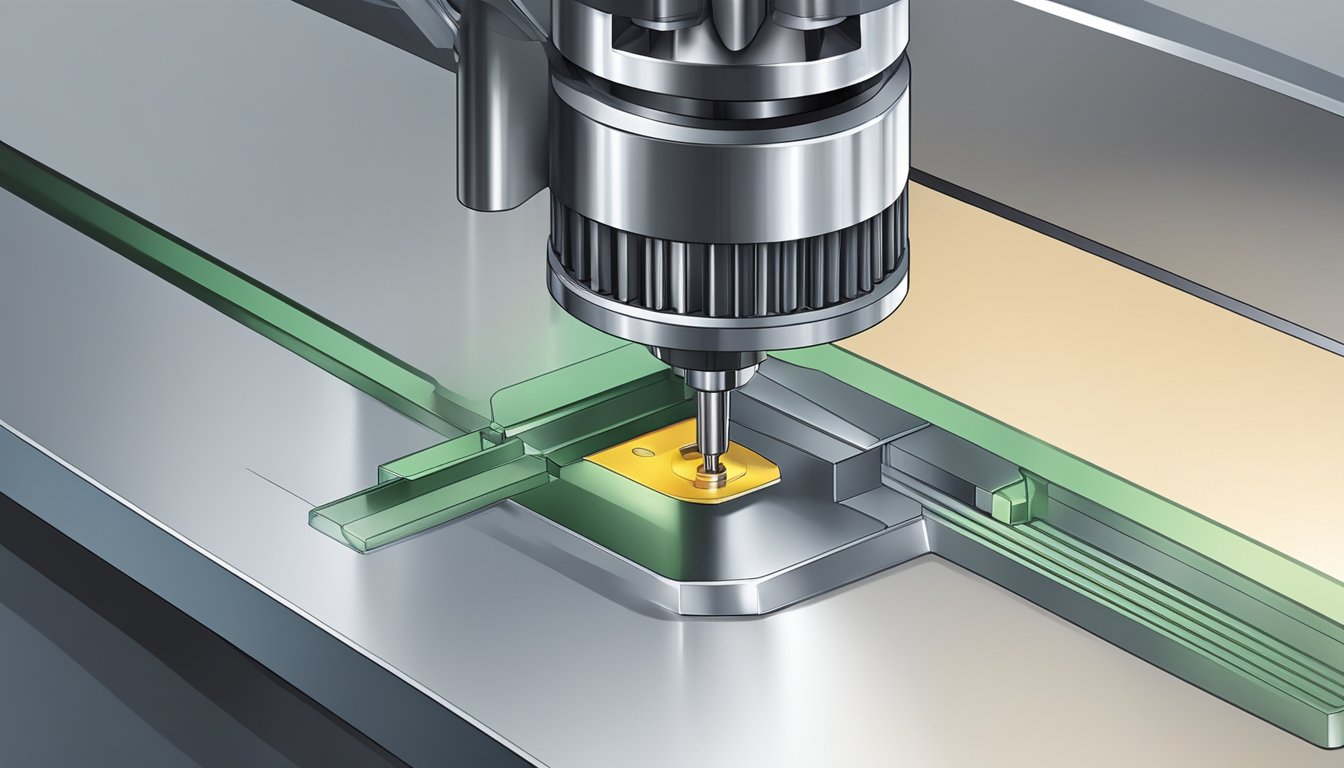
To enhance center drill performance, it is crucial to consider the type of material being drilled, adjust speed and feed settings, reduce opotrebenie nástroja, and resolve typical issues encountered during drilling. By focusing on these areas, we can achieve better precision and extend the lifespan of our tools.
Best Practices for Different Materials
When drilling, selecting the correct angle for the center drill is key. For softer materials, like aluminum, a smaller angle of 60 degrees provides optimal results. This angle helps in maintaining sharpness and precision.
For harder materials such as steel, opting for a 90-degree angle is preferable. The steeper angle withstands pressure better and reduces the risk of tool wear. Additionally, using through spindle coolant can significantly improve performance by preventing overheating.
Speed and Feed Recommendations
Adjusting the speed and feed rate enhances the outcome and lifespan of a center drill. We should match the RPM to the material’s hardness. For softer metals, higher RPMs can achieve smoother cuts, while harder materials require slower speeds to prevent damage.
For example, a 1/8 inch center drill typically runs at speeds between 2500-4000 RPM in aluminum. Conversely, for steel, speeds ranging from 500-1000 RPM work effectively, balancing precision and tool preservation.
Preventing Tool Wear and Breakage
Tool wear and breakage happen when drills encounter too much pressure or heat. We can reduce this by using coolants, like through spindle coolant, which effectively reduces heat build-up. Also, maintaining proper drill angles aligns the force directly to the tip, safeguarding against fractures.
Regular inspection of the drill’s tip ensures early detection of wear. This allows us to re-sharpen or replace it before it leads to significant damage or inaccuracy.
Riešenie bežných problémov
Center drills may face troubles like inaccurate hole placement, chipping, or breakage. If holes are misaligned, we should check the drill alignment and recalibrate the machine if needed.
When dealing with chipping or breakage, consider reducing the feed rate or checking for tool defects. Additionally, ensuring the correct angle and using appropriate coolant prevents unwanted heat that leads to these issues. By addressing these challenges, we achieve efficient and consistent results.
Pokročilé tipy a techniky

In this section, we will explore advanced strategies for achieving precise machining with center drills. We will also discuss factors to consider in multiple-operation settings and provide professional recommendations. Additionally, we’ll cover important industry standards and specifications.
Precision Machining Strategies
When it comes to precision, choosing the right center drill angle is crucial. The standard point angle of a center drill is typically 60 degrees. However, in some specific cases, altering the angle can enhance accuracy, especially when dealing with specialized materials or conditions.
Using proper lubrication can also significantly improve the performance and lifespan of the tool. By ensuring a smooth drill operation, we can achieve better surface finishes and minimize deviations. Regular maintenance checks are equally important to keep the tools in optimal condition for precision work.
Multiple-Operation Considerations
Center drills play a critical role in setups involving multiple operations on the same workpiece. To streamline these operations, it’s vital to select a center drill that matches the subsequent drilling tasks. For example, the initial center hole size should accommodate the pilot drill to ensure a smooth transition.
By planning the operation sequences carefully, we can reduce tool wear and improve efficiency. Additionally, using a center drill with appropriate angles can help avoid tool deflection, especially in high-speed machining. This reduces the risk of errors and ensures consistency across various machining stages.
Professional Recommendations
Many experts recommend keeping a complete set of center drill sizes to cover a wide range of applications. Having sizes readily available allows for quick adaptation to different project requirements. It’s also beneficial to have a mix of point angles to apply the right tool under varying conditions.
Listening to feedback from machinists and incorporating their insights on výkon can lead to better results. From selecting the right lubricants to understanding specific material demands, these professional insights are invaluable. Such practices can make a noticeable difference in execution and final product quality.
Industry Standards and Specifications
Understanding industry standards for center drills can guide us in achieving the best results. The 60-degree angle is common, but some standards suggest alternatives based on specific needs. For instance, some applications may require a 90-degree angle for enhanced support during drilling.
Center drill sizes are often measured in both inches and millimetres, making it easier for us to choose the right tool for the job. Consistent adherence to these standards not only ensures compatibility but also promotes safety and efficiency in our operations. We should always prioritize compliance with these specifications to maintain quality and reliability in machining tasks.


