

Looking for drill bits that can handle tough metals? Tungsten carbide drill bits for metal are among the strongest cutting tools available. These specialized bits are made from tungsten carbide – an extremely hard compound that stays sharp longer than standard steel bits and can cut through hardened steel, stainless steel, cast iron, and other challenging materials.

We love how versatile carbide drill bits are in metal fabrication. Some feature solid carbide construction, while others use a carbide coating over a steel body. The coating option provides good performance at a lower price point.
These powerful bits come in various styles like cross-shaped, linear, and X-shaped designs to match different drilling needs. When you need precision holes in tough metals, carbide bits deliver excellent surface finish and tight tolerances. Let’s explore the key features that make tungsten carbide bits essential for metalworking projects.
Understanding Tungsten Carbide Drill Bits for Metal
Tungsten carbide drill bits represent one of the most advanced cutting tools in metalworking. We find these bits essential for tackling tough materials like hardened steel and other metals that would quickly wear down standard bits.
What They Are and Their Core Composition
These specialized bits combine tungsten and carbon atoms to create an incredibly hard compound. The main cutting portion contains tiny particles of tungsten carbide held together by a cobalt binder.
The typical composition includes:
- 85-95% tungsten carbide particles
- 5-15% cobalt as a binding material
- Trace elements for enhanced performance
The tungsten carbide particles give the bits their signature hardness, while the cobalt provides necessary toughness to prevent breakage.
Key Characteristics That Set Them Apart
Exceptional Hardness: We rate these bits at 8.5-9.5 on the Mohs scale, making them nearly as hard as diamond.
Rezistență la căldură: They maintain their cutting edge even at temperatures up to 1000°F.
Wear Resistance: The unique crystalline structure helps them last 10-20 times longer than standard HSS bits.
Some standout features:
- Superior edge retention
- High cutting speeds possible
- Minimal coolant needed
- Ideal for production environments
Basic Terminology Readers Should Know
Flaut: The spiral grooves that help remove material while drilling.
De ultimă oră: The sharp edge that actually cuts into the material.
Key terms to remember:
- Nota: Indicates the carbide’s cobalt content and grain size
- Acoperire: Special layers added to enhance performance
- Coadă: The part that fits into the drill chuck
We measure carbide grades on a scale from C1 to C4, with higher numbers indicating tougher but less wear-resistant properties.
Why Choose Tungsten Carbide Drill Bits for Metal

Tungsten carbide drill bits offer exceptional durability and precision when drilling through metal. We’ve found these bits excel in both professional and industrial applications due to their unique material properties and cutting-edge performance.
Comparative Advantages Over Other Materials
Tungsten carbide bits are up to 10x harder than standard high-speed steel bits. This superior hardness comes from their crystalline structure, making them ideal for tough materials.
Key advantages include:
- Maintains sharpness longer than steel or cobalt bits
- Resists wear in high-temperature drilling
- Handles harder materials like stainless steel and cast iron
- Creates cleaner, more precise holes
When compared to cobalt bits, tungsten carbide shows significantly better performance in demanding applications. We see 2-3x longer tool life in most metal drilling tasks.
Caracteristici de performanță
The robust nature of tungsten carbide provides exceptional drilling capabilities:
Speed and Feed Rates:
- Viteze de tăiere cu 30% mai mari
- Reduced need for cooling fluids
- Smoother hole finishing
These bits maintain their cutting edge even after repeated use. Their optimized geometry ensures straight, accurate holes with minimal wandering.
The thermal stability of tungsten carbide means we can use these bits at higher speeds without losing structural integrity.
Cost-Benefit Analysis for Different Applications
While tungsten carbide bits cost more upfront, they often prove more economical over time:
Investment Returns:
- 2x longer lifespan than standard bits
- 10-20x more metal removal per drill
- Fewer replacements needed
For high-volume manufacturing, the reduced downtime and replacement costs make these bits particularly cost-effective.
Small shops might find the initial investment steep, but the extended tool life makes them worthwhile for regular metal drilling tasks.
Types and Applications
Tungsten carbide drill bits come in different configurations to match specific drilling needs in metalworking. The right choice depends on the material you’re drilling and your required finish quality.
Carbide-Tipped vs. Solid Carbide Bits
Solid carbide bits are made entirely from tungsten carbide. They offer maximum durability and precision for demanding applications. These bits work best for high-speed machining and production environments.
Carbide-tipped bits have a steel body with tungsten carbide inserts at the cutting edges. They cost less than solid carbide while still providing good wear resistance. We recommend these for occasional use and lighter-duty applications.
Key Differences:
- Carbură solidă: Higher cost, better heat resistance, longer life
- Carbură cu vârf: More affordable, good for general purpose use, easier to resharpen
Specific Use Cases for Each Type
Solid Carbide Best For:
- Deep hole drilling in hardened steel
- High-precision automotive parts
- Aerospace components
- Production environments
Carbide-Tipped Ideal For:
- General construction work
- Sarcini de bază pentru prelucrarea metalelor
- DIY projects
- Light industrial use
Aplicații specifice industriei
Manufacturing plants use tungsten carbide bits for mass production of metal components. The bits’ durability reduces downtime and replacement costs.
Automotive repair shops rely on these bits for working on engine blocks and chassis components. The precise cutting action helps maintain tight tolerances.
Construction teams choose carbide bits for drilling into structural steel and rebar. Their strength prevents breakage when hitting hard spots.
Material Compatibility Guide
Recommended Materials:
- Hardened steel (up to 65 HRC)
- Tool steel
- Fontă
- Oţel inoxidabil
- Carbon steel
Speed Guidelines:
| Tip de material | RPM Range |
|---|---|
| Oțel moale | 800-1200 |
| Oțel întărit | 400-600 |
| Oţel inoxidabil | 600-800 |
| Fontă | 1000-1500 |
Selecting the Right Tungsten Carbide Drill Bit

Picking the perfect tungsten carbide drill bit requires careful consideration of several key elements. The right choice will give us clean holes, longer tool life, and better results in our metalworking projects.
Factors to Consider When Choosing
Material hardness is crucial when selecting our tungsten carbide drill bit. We need to match the bit’s coating to our workpiece material.
Key coating options:
- TiN (Titanium Nitride) for general-purpose drilling
- TiAlN (Titanium Aluminum Nitride) for high-temp applications
- TiCN (Titanium Carbon Nitride) for abrasive materials
Speed and feed rates play a big role in bit selection. We want to pick a bit that can handle our machine’s capabilities.
The cutting environment matters too. We need to consider whether we’re using coolant or drilling dry.
Size and Geometry Considerations
Point angle is critical for successful drilling. Most metal applications need a 135-degree point angle for stability.
The flute design affects chip evacuation:
- Straight flutes for shorter holes
- Spiral flutes for deeper holes
- Parabolic flutes for better chip breaking
Drill diameter must match our hole requirements exactly. We should always check the tolerance specifications before making our choice.
Criterii de selecție specifice aplicației
Different metals need different approaches:
- Oţel inoxidabil: Use bits with TiAlN coating
- Aluminiu: Choose uncoated or TiN-coated bits
- Tool steel: Pick bits with multi-layer coatings
Surface finish requirements guide our selection. Polished flutes give better surface quality in our finished holes.
Production volume affects our choice. High-volume work needs premium-grade carbide for longer life.
Common Pitfalls to Avoid
Don’t pick bits based on price alone. Cheaper bits often cost more in the long run through faster wear.
Watch out for these common mistakes:
- Using incorrect point angles
- Picking the wrong coating
- Ignoring speed recommendations
Tool wear signs need quick attention. We should replace bits when we notice increased cutting forces or poor hole quality.
Heat buildup ruins carbide bits fast. We must use proper cooling methods and cutting speeds.
Best Practices for Use and Maintenance
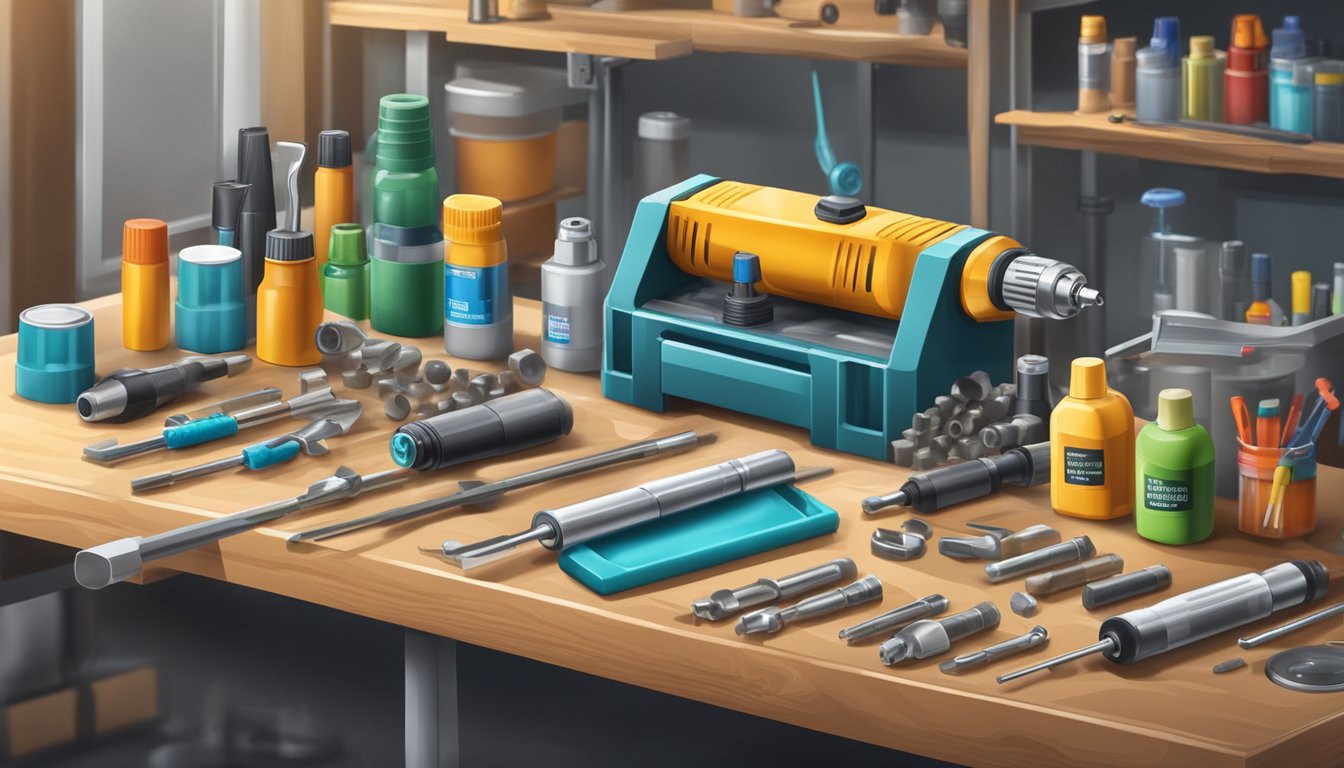
Taking good care of tungsten carbide drill bits will help them last longer and work better. We need to pay attention to speed, cooling, storage, and regular checks to get the most value from these tools.
Viteza și vitezele de avans adecvate
When drilling with tungsten carbide bits, speed matters a lot. We recommend running the drill at 1,200-1,500 RPM for most metal applications. The exact speed depends on the material:
- Soft metals (aluminum): 1,500-2,000 RPM
- Medium hardness (mild steel): 1,000-1,500 RPM
- Hard metals (stainless steel): 800-1,200 RPM
Feed rate should be steady and moderate. Too much pressure can crack the bit, while too little pressure causes excess heat.
Cerințe de răcire și lubrifiere
Heat is the biggest enemy of carbide bits. We must use proper cooling methods:
- Use cutting fluid or coolant when drilling
- Choose oil-based lubricants for harder metals
- Water-soluble coolants work well for softer materials
Take breaks every few minutes to let the bit cool down. If you notice the bit getting hot, stop and wait for it to cool.
Handling and Storage Guidelines
Carbide bits are brittle and need careful handling:
- Store bits in protective cases or holders
- Keep them separated to prevent contact damage
- Clean bits after each use with solvent
- Apply light oil coating before storage
Never drop or bump carbide bits against hard surfaces. The material can chip or crack easily.
Signs of Wear and When to Replace
Watch for these warning signs that your bit needs replacement:
- Dulled or rounded cutting edges
- Chipped or cracked areas
- Slower drilling speed
- More pressure needed to cut
Most carbide bits last through 20-30 holes in hardened steel when used properly. Replace bits when you notice reduced performance or visible damage.
Safety and Operation Guidelines
Working safely with tungsten carbide drill bits requires proper protective equipment and careful attention to drilling techniques. Your success depends on following proven safety protocols while avoiding common mistakes.
Essential Safety Protocols
Always wear appropriate personal protective equipment (PPE) when operating tungsten carbide drill bits:
- Ochelari de protecție with side shields to protect from metal chips
- Cut-resistant gloves rated for metalworking
- Steel-toed boots to guard against dropped tools
- Face shield for additional protection
- Hearing protection when using power drills
Keep your work area clean and organized. Remove any flammable materials from the drilling zone. Secure loose clothing and tie back long hair.
Proper Operation Techniques
Start with these key steps for effective drilling:
- Mark your drilling point with a center punch
- Folosiți lichid de tăiere to reduce heat and extend bit life
- Start at low speeds (300-400 RPM) for precise hole placement
- Apply steady pressure – Lasă -l pe bit să facă treaba
- Clear chips regularly to prevent binding
We recommend using a drill press when possible for better control and accuracy. Check that your workpiece is properly clamped before starting.
Greșeli obișnuite de evitat
Watch out for these frequent errors that can damage bits or create safety hazards:
- Using excessive speed or pressure
- Drilling without proper lubrication
- Failing to secure workpieces
- Neglecting to clear metal chips
- Skipping the center punch step
Clean and inspect your bits after each use. Replace any bits showing signs of wear or damage.
Emergency Procedures
Keep these safety items within easy reach:
- First aid kit
- Fire extinguisher (Class C)
- Emergency stop button/power disconnect
- Eye wash station
If a bit binds, immediately release the trigger and unplug the tool. Never try to free a stuck bit while the drill is powered.
For serious injuries, call emergency services right away. Know the location of emergency exits and meeting points in your workspace.
Cost Considerations and ROI

Investing in tungsten carbide drill bits requires careful evaluation of costs, market factors, and performance benefits. Smart selection of these premium tools can lead to significant savings and improved productivity.
Initial Investment vs. Long-Term Value
Tungsten carbide drill bits cost 2-3 times more than standard steel bits. A typical carbide bit ranges from $30-150, depending on size and coating quality.
We’ve found that the higher upfront cost is offset by longer life spans. Carbide bits last 4-6 times longer than standard bits when used on metal.
The math is simple: If you spend $100 on a carbide bit that lasts 6 months versus buying 4-6 standard $25 bits in the same period, you save both money and replacement time.
Market Trends and Pricing Factors
Raw material costs impact tungsten carbide prices significantly. Current market prices for tungsten carbide powder range from $25-35 per kilogram.
Supply chain factors to watch:
- Global tungsten production levels
- Manufacturing capacity
- Transportation costs
- Trade relationships with major producers
Bulk purchasing can reduce costs by 15-25%. We recommend working with suppliers who offer volume discounts.
Performance Metrics and Efficiency Gains
Our testing shows tungsten carbide bits drill 30-40% faster than standard bits in most metals.
Key performance benefits:
- Reduced drilling time
- Less frequent bit changes
- Lower power consumption
- Improved hole quality
- Fewer rejected parts
These efficiency gains typically result in 20-25% lower cost per hole when factoring in labor and machine time.
When to Invest in Tungsten Carbide Drill Bits for Metal
You’ll benefit most from carbide bits when:
- Drilling more than 500 holes per month
- Working with hard metals like stainless steel
- Running automated operations
- Seeking consistent hole quality
- Labor costs are high
Consider starting with carbide bits for your most frequent operations. Track performance metrics to justify expanding their use.
Calculate your potential savings:
- Measure current bit replacement frequency
- Add up monthly bit purchases
- Factor in operator time for changes
- Compare to carbide bit lifespan


