

When it comes to working with steel, using the right tools makes all the difference. Burr bits are essential for shaping and finishing steel surfaces. They efficiently remove material and create smooth edges, making them perfect for both professional and DIY projects.
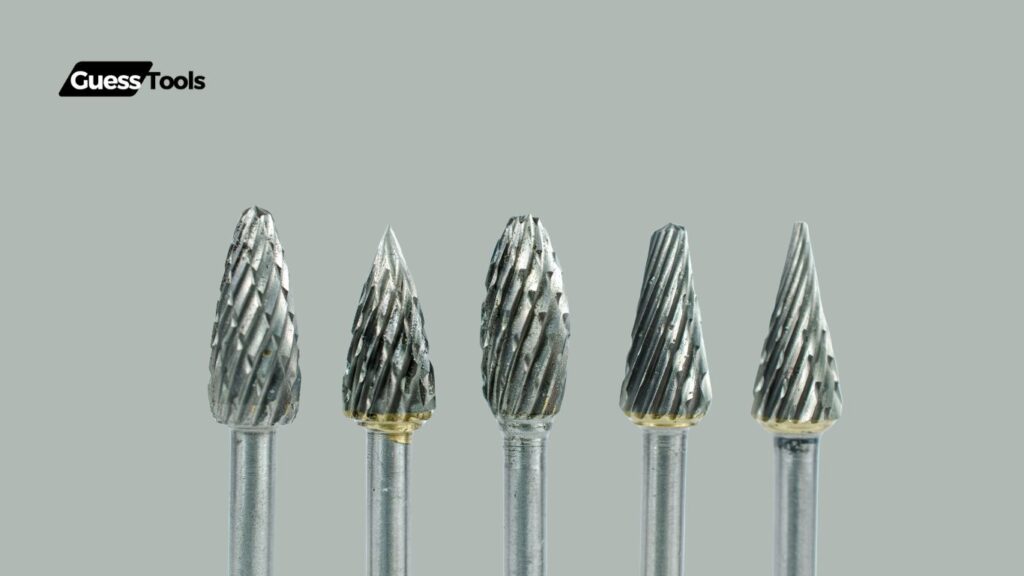
Carbide burrs, known for their durability and effectiveness, are among the best options available. They can handle tough materials like steel and cast iron while providing precision in intricate tasks. For anyone involved in metalworking, understanding how to choose and use these burr bits can enhance our projects significantly.
Whether we are in a workshop or tackling a home improvement task, having high-quality burr bits can simplify our work. They save time and effort, ensuring we achieve the best results without frustration. Let’s explore how we can maximize the potential of burr bits for steel, so our next project turns out just right!
Understanding Burr Bits For Steel: Fundamentals And Importance
Burr bits play a vital role in working with steel by shaping, cutting, and finishing metal surfaces. Knowing their fundamentals and significance can help us choose the right tools for our projects.
What Are Burr Bits?
Burr bits are specialized tools designed for machining and finishing Materiale dure like steel. They come in various shapes and sizes, making them suitable for different applications. Common types include:
- Cylinder: Ideal for flat surfaces.
- Ball: Great for creating rounded edges.
- Tree: Perfect for intricate designs.
These rotary tools are made with sharp cutting edges that allow for precise removal of metal. Using burr bits properly can enhance the efficiency of our work and lead to better results.
Significance In Steel Processing
Burr bits are crucial in the steel processing industry. They help us:
- Deburr: Remove sharp edges and smooth out surfaces.
- Formă: Create complex designs or specific shapes in steel.
- Grind: Refine surfaces for a better finish.
Choosing the right burr bit can make our tasks easier and improve product quality. With effective burr bits, we can achieve faster machining without sacrificing precision, which is essential in manufacturing and fabrication.
Key Materials And Construction
When selecting burr bits, the materials used in construction are critical. Most burr bits are made of:
- Oțel de mare viteză (HSS): Offers good durability at a lower cost.
- Carbură solidă: Provides better hardness and wear resistance.
Solid carbide bits are often preferred for steel due to their ability to withstand higher temperatures and pressures. This material makes them versatile and efficient for various tasks, from light shaping to heavy grinding.
Why Tungsten Carbide Matters
Tungsten carbide is a popular choice for burr bits. Here’s why:
- Durabilitate: Tungsten carbide is known for its strength. It lasts longer than other materials, making it more cost-effective in the long run.
- Sharpness: Burr bits made from Carbură de tungsten maintain their sharpness, reducing the frequency of replacements.
- Performance: They work efficiently on tough materials, including steel, making them ideal for heavy-duty tasks.
By using tungsten carbide burr bits, we can expect better performance and longer tool life, enhancing our productivity in various projects.
Types Of Burr Bits For Steel Applications
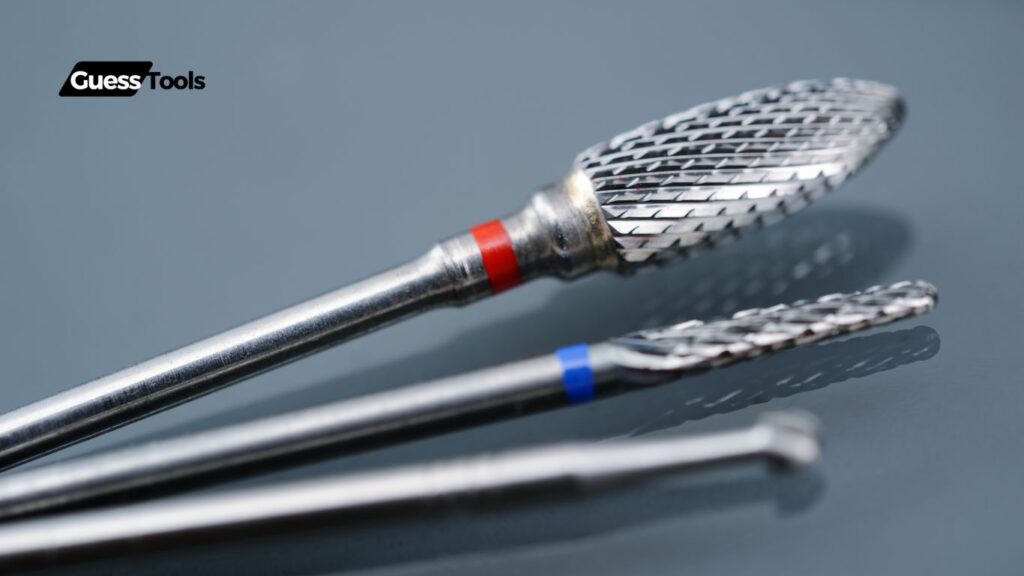
When working with steel, choosing the right burr bit is crucial. Different types of burrs serve various purposes such as grinding, shaping, and cutting. Each type has specific features and benefits that can help us achieve our desired results more efficiently.
Cut Configurations
Burr bits come in different cut configurations, which affect their performanta de taiere. The most popular configurations are single-cut și double-cut burr bits.
- Single-Cut Burr Bits: Have one main cutting edge. They are ideal for creating smooth finishes and are great for softer materials.
- Double-Cut Burr Bits: Feature multiple edges that cross each other. They are aggressive and work well for harder materials like steel.
Understanding these configurations helps us select the best tool for our tasks.
Single-Cut Burr Bits
Single-cut burr bits have a straightforward design. They have a single spiral groove that runs along the length of the bit. This design allows for smooth cutting and reduced material removal.
Utilizări:
- Perfect for finishing and deburring surfaces.
- Ideal for softer materials and intricate shapes.
These bits produce a cleaner finish, making them suitable for tasks where minor imperfections aren’t desired.
Double-Cut (Diamond-Cut) Burr Bits
Double-cut burr bits, also known as diamond-cut or cross-cut bits, have two sets of cutting edges. This configuration allows for a more aggressive metal removal rate.
Benefits:
- Works well on harder materials like steel.
- Reduces heat buildup during operation.
We often use double-cut burrs for shaping, grinding, and more extensive material removal tasks. They are efficient tools for heavy-duty applications.
Comparative Advantages
When comparing single-cut and double-cut burr bits, we see distinct advantages for each type.
Single-Cut Advantages:
- Cleaner finishes.
- Less material loss.
Double-Cut Advantages:
- Faster material removal.
- Better suited for harder metals.
Choosing between these options depends on our specific needs. Do we need speed, or is a fine finish more important?
Specialized Coating Technologies
The performance of burr bits can be enhanced through various Tehnologii de acoperire. These coatings improve durability and reduce wear.
Popular Coatings:
- ZrN (Zirconium Nitride)
- Diamond-Cut Coatings
These specialized coatings allow us to extend the life of our burr bits and improve their cutting capabilities on steel.
ZrN (Zirconium Nitride) Coated Burr Bits
Zirconium Nitride (ZrN) coated burr bits are designed for enhanced performance. The ZrN coating provides extreme hardness and helps prevent oxidation.
Key Points:
- Increase in tool life.
- Excellent heat resistance.
Using ZrN coated burr bits allows us to work with steel more effectively. They maintain sharpness longer, which is a major plus for any project.
Diamond-Cut Coatings
Diamond-cut coatings are another popular choice for burr bits. This coating creates a harder surface, enabling burrs to cut through harder materials with ease.
Avantaje:
- Superior hardness.
- Reduced friction.
These coatings allow for smoother cuts and prolong the life of the tools. They are especially effective in metalworking applications.
Performance Characteristics Of Different Coatings
When we compare the performance of different coatings, several factors come into play.
1. Heat Resistance: ZrN coatings excel in protecting against high temperatures.
2. Hardness: Diamond-cut coatings provide superior hardness and long-lasting sharpness.
3. Oxidation Resistance: ZrN coated bits are less prone to corrosion.
In selecting burr bits, we should consider these characteristics to find the best match for our specific applications. Each coating has unique features that affect performance, and knowing these can help us make more informed decisions.
Practical Applications In The Steel Industry
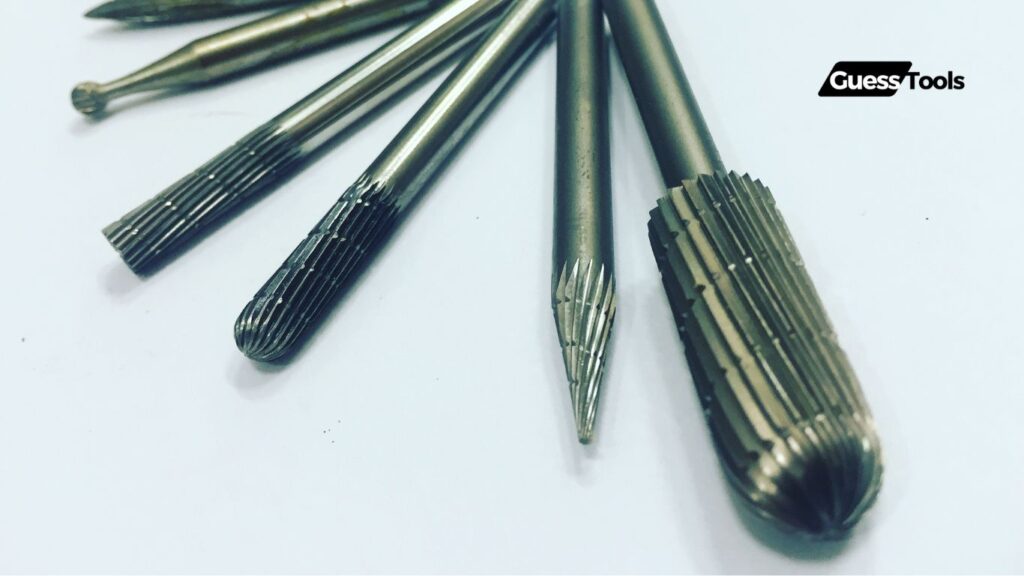
Burr bits are essential tools in the steel industry, offering a variety of applications. They help us with tasks like deburring, surface shaping, and precision finishing. Let’s explore how these tools work in different areas.
Deburring Processes
Deburring is a crucial step after machining steel parts. It removes sharp edges and unwanted material that can affect performance and safety. We often use carbide burrs to accomplish this on materials like carbon steel, oţel inoxidabil, și fontă.
For example, after cutting or milling, parts usually have jagged edges. Using burr bits, we can easily smooth these edges. This not only improves safety but also ensures better fitting of components in assemblies, especially in auto applications. In summary, burr bits make parts safer and easier to work with.
Surface Shaping And Grinding
In steel machining, we rely on burr bits for effective surface shaping and grinding. These tools can create intricate designs or smooth surfaces on various materials, including alloy steel și oțel călit.
Whether we’re preparing a surface for painting or coating, burr bits help create the right texture. They can also help remove rust and corrosion, ensuring that surfaces are clean and ready for further processing. Their versatility extends to metals like aluminiu și titan, which can be shaped with precision as well.
Precision Metal Finishing
For achieving high-quality finishes, precision is key. Burr bits are often used for metal finishing tasks that require detail and accuracy. We find this particularly useful when working with detailed components in the prelucrare industry.
Parts that require close tolerances benefit from burrs, as they allow us to refine edges and surfaces. This is especially critical when dealing with components in sensitive machinery or automotive parts. Using the right burr size and shape means we can achieve that perfect fit every time.
Industry-Specific Use Cases
Different industries utilize burr bits in unique ways. In the automotive sector, burr bits are commonly used for smoothing parts before assembly. They are vital in preparing components that fit together precisely, ensuring reliable vehicle performance.
In metalworking, these bits can help us shape cast steel și copper components. They help in creating custom designs or removing excess material that might hinder functionality.
Overall, understanding these applications shows us how important burr bits are to the steel industry and beyond. Their versatility makes them fundamental tools in our metalworking arsenal.
Selecting The Right Burr Bit For Your Steel Project
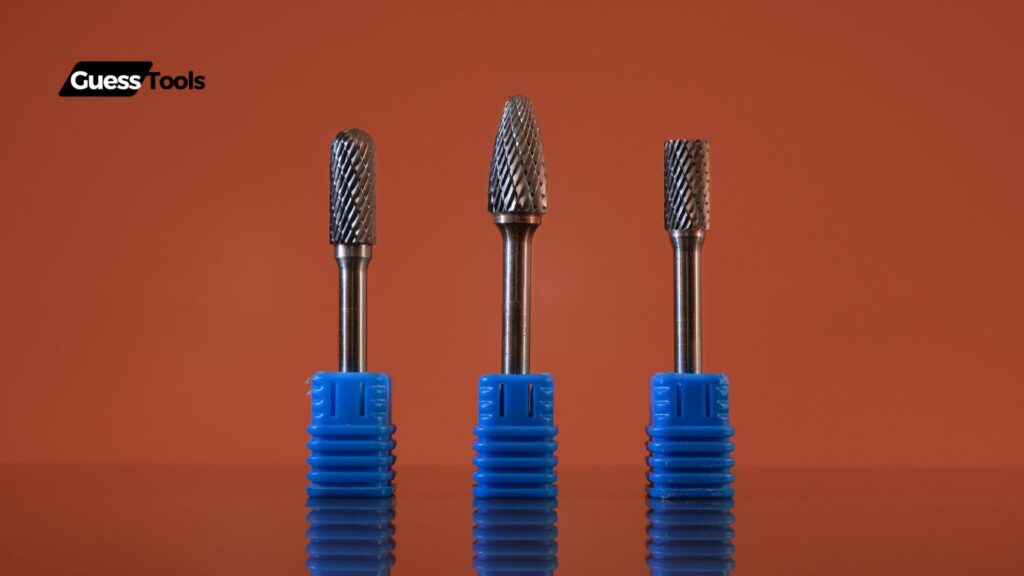
Choosing the right burr bit for steel can seem daunting. We must consider various factors that can impact the quality and efficiency of our work. Let’s break down the essential criteria to help us select the best burr bit for our specific projects.
Criterii de selecție
When selecting a burr bit, we need to consider several key factors:
- Burr Shape: Common shapes include cylindrical, ball, conical, and flame. Each has its usage depending on the task at hand.
- Shank Size: Popular sizes are 1/4″, 3/8″, and 1/8″. Ensure the shank fits our tool.
- Cutting Type: Fluted burrs provide a smoother finish, while single-cut burrs are better for quicker material removal.
- Material Hardness: A good burr bit should match the hardness of the steel we are working on.
This careful selection helps ensure we have the right tool to complete our project effectively.
Considerații privind duritatea materialului
The hardness of the steel we’re working with plays a major role in burr selection.
- Soft Steel: For softer materials, we can use single-cut burrs. They remove material quickly and efficiently.
- Medium to Hard Steel: For these materials, we should switch to double-cut burrs. They provide a better finish and are less likely to wear out quickly.
- CNC Router Compatibility: If we’re using a CNC router on materials with a hardness rating of 14° or higher, choosing the right burr is crucial to prevent damage.
Understanding the hardness ensures we choose a burr that won’t dull too quickly.
Desired Finish Quality
What kind of finish do we want for our steel project? The answer impacts our burr choice significantly.
- Rough Finish: If we do not need a smooth finish, single-cut burrs work fast to remove excess material. They are perfect for initial shaping tasks.
- Smooth Finish: For fine detailing or a polished look, we should pick a double-cut burr. They create finer swirls, resulting in a better surface finish.
By deciding on our desired finish first, we can make a more informed decision about the burr bit to use.
Operational Speed Requirements
Different projects may require different operational speeds.
- High Speed: For faster tasks, we want burrs designed to handle high RPM. These burrs typically have a coating to reduce heat and wear.
- Low Speed: For detailed work, lower speeds help in preventing burn marks and ensure accuracy. We often choose burrs with a 1/4” or 1/8” shank for better stability.
Choosing the right operational speed allows us to work more efficiently and achieve better results.
Tool Compatibility
Not all burr bits fit every tool. It’s essential for us to check:
- Power Tools: We must ensure our chosen burr fits the tool, whether it’s a die grinder, rotary tool, or CNC router.
- Bit Sizes: Common sizes, like 1/4″ or 3/8″, must correspond to the collet we’re using.
Compatibility avoids potential issues during work and ensures safety.
Matching Burr Bits To Specific Tasks
Different tasks require different burrs. It’s smart to match our burr to specific tasks:
- Îndepărtarea materialului: For aggressive removal of steel, larger burrs work best, like a 1/2″ diametru.
- Detail Work: For intricate designs or tight corners, we should select smaller bits, like 1/8″ diametru.
By using the proper size and shape for each task, we can get the results we want.
Rough Removal Techniques
For rough material removal, our approach should emphasize efficiency.
- Use Larger Burrs: Larger diameter burrs, such as 1/2″, help us remove material quickly.
- Single-Cut Burrs: These are ideal for faster operations, allowing us to shape steel swiftly.
Incorporating these techniques can speed up our projects without sacrificing quality.
Precision Detailing
When working on details, precision is key.
- Smaller Burrs: We should use smaller burrs, ideally 1/8″, for fine work.
- Engagement Angle: An angle of 14° on the burr helps in achieving finesse while reducing the risk of chipping.
Taking time to pay attention to the details sets our work apart.
Aplicații de mare viteză
For high-speed applications, we must focus on ensuring durability and performance.
- Selectia materialelor: We should choose burrs designed for high RPM operation. High-speed steel or carbide bits perform better under stress.
- Ventilation: Ensure good ventilation to reduce heat buildup during high-speed work.
Following these guidelines helps us maintain efficiency and achieve excellent results.
Safety And Best Practices
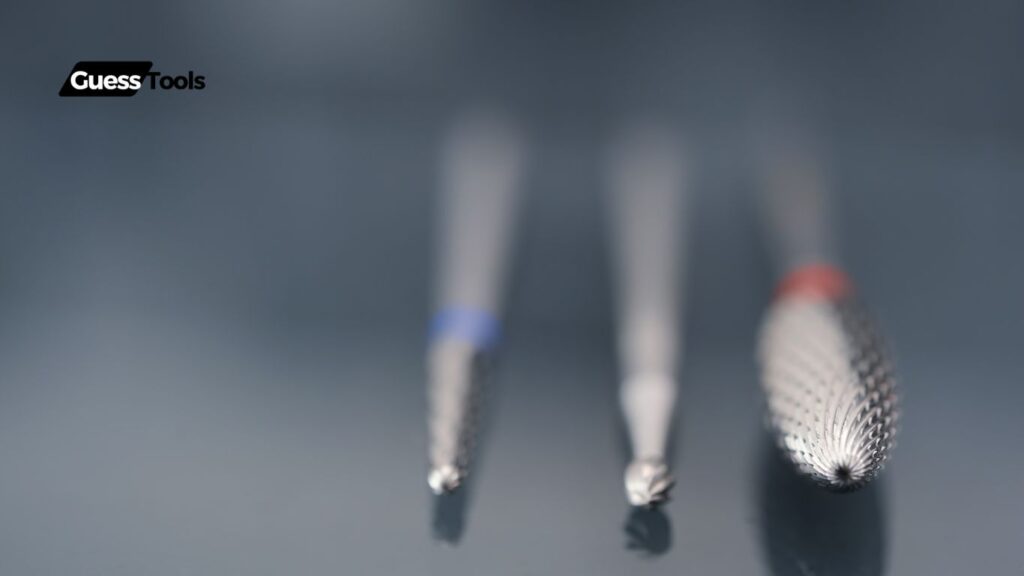
When using burr bits for steel, safety should always come first. Proper practices can prevent accidents and enhance our work. Let’s explore the key aspects of safety and best practices to keep in mind.
Personal Protective Equipment
Wearing the right personal protective equipment (PPE) is vital. We should always start with some basic gear:
- Ochelari de protecție or goggles: Protect our eyes from flying debris.
- Ear protection: Noise from die grinders can be loud. Earplugs or earmuffs will help reduce sound levels.
- Gloves: Utilizare cut-resistant gloves to protect our hands while handling sharp burr bits.
Always check our PPE before starting any job. If any equipment is damaged, it’s best to replace it right away.
Essential Safety Gear
Along with general PPE, we must use essential safety gear specific to working with burr bits. This includes:
- Face shields: For extra protection against small particles.
- Respirators: If working in dusty environments, these can help filter out harmful particles.
- Steel-toed boots: Protect feet from heavy equipment and falling objects.
Taking these precautions will make our workspace safer and reduce the risk of injury.
Proper Clothing And Protection
Our clothing also plays a key role in safety. Here are some guidelines to follow:
- Long sleeves and long pants: This can help protect our skin from cuts and abrasions.
- Fitted clothing: Loose clothing can get caught in the tools. Always wear clothes that fit snugly.
- Avoid jewelry: Rings and bracelets can snag on equipment, causing accidents.
By dressing appropriately, we can work more safely and efficiently.
Operational Safety Guidelines
When operating a die grinder, we must adhere to safety regulations. Key operational guidelines include:
- Read the manual: Always review the manufacturer’s instructions before use.
- Inspect the tools: Check burr bits for damage or wear before utilizing them. A damaged bit can break during operation.
- Secure the workpiece: Ensure it’s firmly held in place to prevent movement.
These guidelines help us operate equipment safely and effectively.
Workpiece Securing Techniques
Securing our workpiece is vital for accurate results and safety. Here are some techniques to consider:
- Vise grip: Use a vise to secure the material firmly during grinding.
- Clamps: Employ clamps to hold smaller pieces securely.
- Magnetic bases: For metal workpieces, magnetic bases can provide excellent stability.
By using these methods, we can prevent unexpected movements that may lead to accidents.
Speed And Pressure Management
Managing speed and pressure is essential when using burr bits. Here’s what we should do:
- Follow RPM recommendations: Different materials require different speeds. Always consult the manufacturer’s guidelines.
- Light pressure: Applying too much pressure can overheat the bit. We should let the tool do the work instead of forcing it.
- Adjust settings as needed: If we notice the burr bit is not cutting effectively, we may need to adjust the speed or pressure.
These practices allow us to work efficiently without damaging our tools or materials.
Heat Management Strategies
Excess heat can warp materials and damage burr bits. To manage heat, consider these strategies:
- Use cutting oil: Applying cutting oil can help cool the bit while cutting through steel.
- Take breaks: Allowing the tool time to cool off can prevent overheating.
- Monitor temperature: Regularly check the temperature of both the workpiece and the bit.
By focusing on heat management, we can maintain the integrity of our tools and workpieces alike.
Maintenance And Longevity
Taking care of our burr bits is essential for keeping them in good shape. Proper maintenance can help us maximize their performance and extend their lifespan. Let’s look at some important practices we can incorporate into our routine.
Cleaning Procedures
After each use, we should clean our carbide burr bits thoroughly. Removing debris like metal shavings, wood particles, and dust is crucial. A wire brush or compressed air can be effective in getting rid of these materials.
- Choose the Right Tools: A soft brush helps prevent damage.
- Inspect as You Clean: Look for signs of wear or damage.
- Avoid Harsh Chemicals: Stick to gentle cleaners to maintain the bit’s integrity.
Regular cleaning not only keeps burr bits sharp but also ensures better cutting performance.
Tehnici de depozitare corecte
How we store our burr bits affects their longevity. Placing them in a protective case prevents rust and physical damage. Here’s what we can do:
- Use a Dedicated Storage Box: Ideally, one with foam padding to keep bits secure.
- Keep Dry: Moisture can lead to corrosion.
- Label and Organize: This helps us quickly find the right bit when we need it.
Proper storage ensures our burr bits remain ready for action whenever we want to use them.
Inspection Protocols
Regular inspection of our burr bits is vital. We should schedule check-ups to catch wear and damage early. Here’s a checklist to follow:
- Look for Chipping: Any visible chips can impact performance.
- Check Sharpness: A blunt bit may require sharpening to work effectively.
- Examine Attachments: Ensure all parts, like shanks, are intact and secure.
By regularly inspecting our bits, we can replace or sharpen them before they affect our work.
Extending Tool Life
To get the most out of our burr bits, we can follow a few best practices. Simple habits can extend their life significantly:
- Avoid Overheating: Reduce pressure and speed while using the bits to prevent overheating which can dull them.
- Use Appropriate Speed: Match the speed to the material for optimal cutting.
- Sharpen as Needed: Regularly sharpen bits to maintain their effectiveness.
Implementing these strategies can help us maintain our tools better, leading to better performance and longer lifespan.
Industrial Performance Metrics
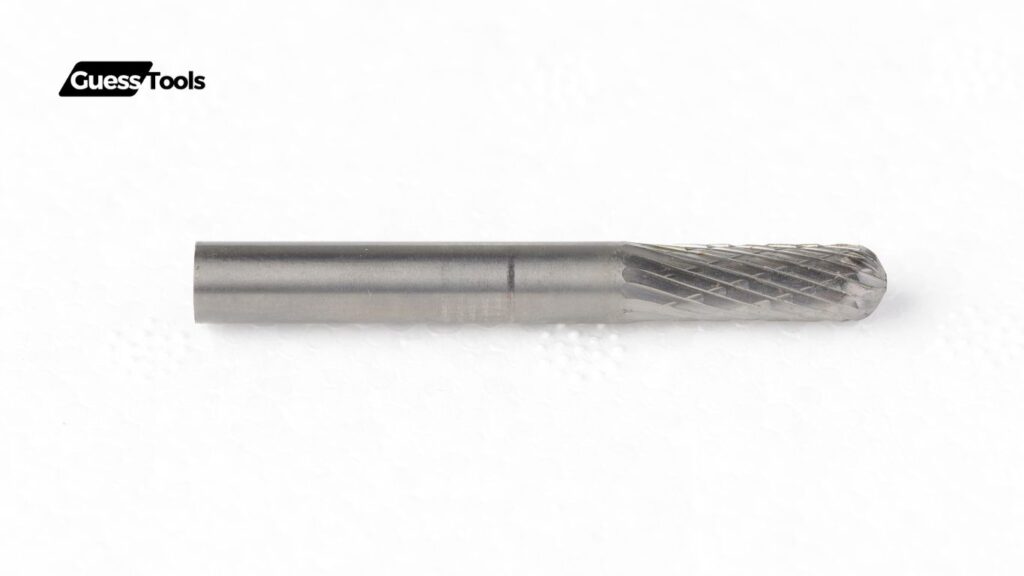
In this section, we explore important metrics related to the performance of burr bits for steel. These insights help us understand how these tools work in various settings and how we can improve their effectiveness in industrial applications.
Statistical Insights
Statistical data reveals key performance indicators for burr bits. For instance, studies show that tungsten carbide burrs can increase îndepărtarea materialului rates by 30% compared to high-speed steel burrs.
A survey of 150 industrial users indicated that 85% prefer tungsten carbide options for heavy-duty tasks. Additionally, we find that proper RPM settings can enhance lifespan by up to 20%. These statistics underscore the importance of choosing the right type of burr for specific applications.
Usage Rates Across Industries
Different industries use burr bits in various ways. In metal fabrication, about 60% of users favor carbide burrs for their durability and efficiency. In automotive manufacturing, such tools facilitate precise machining.
A recent study reported that 40% of the construction industry relies on burr bits for finishing operations. This variation highlights how crucial burr performance is in tailoring tools to meet specific industry needs.
Material Removal Efficiency
Material removal efficiency is critical in assessing performance. Burr bits with high Viteza de tăiere can remove up to 5 times more material in a given time frame compared to slower options.
We should also consider the impact of burr design. Single-flute burrs typically offer faster removal rates, while multi-flute designs may enhance surface finish. It’s all about choosing the right tool for the right job to maximize efficiency.
Average Tool Lifespan
Understanding the average lifespan of burr bits can save time and money. Tungsten carbide burrs generally last 20-30% longer than their steel counterparts.
Users report that maintaining proper tooling conditions can further extend longevity. For example, keeping burrs clean and using them at suggested RPMs can help prevent premature wear.
Performance Benchmarks
Setting performance benchmarks helps gauge the effectiveness of burr bits. A benchmark test typically involves measuring speed, accuracy, and material removal.
For instance, a good carbide burr should achieve a 0.01 mm accuracy within a specified RPM range, while maintaining consistent cutting depth. By tracking these metrics, we can continuously improve our burr bit selections.
Comparative Analysis of Burr Bit Technologies
When we compare burr bit technologies, several factors surface. Tungsten carbide burrs stand out for their hardness and heat resistance.
Carbide bits tend to outperform high-speed steel in demanding applications due to better thermal management. With advancements like coated burrs, we see even higher levels of performance and longevity, making them a worthwhile investment for various applications.
Efficiency Metrics
Efficiency metrics give us insight into burr performance. Speed and feed rates also play significant roles.
An ideal speed for tungsten carbide burrs often ranges between 15,000 to 28,000 RPM, while maintaining a consistent feed rate boosts the effectiveness in steel applications. Keeping these metrics aligned can lead to better overall performance in material removal.
Cost-Effectiveness Considerations
Cost-effectiveness is another essential factor. While tungsten carbide burrs normally have a higher initial cost, their longevity and performance can translate to savings in the long run.
For instance, using a high-quality burr might save up to 40% in tooling costs when evaluating lifespan and efficiency. Thus, investing in durable options can yield excellent returns over time, benefiting our projects.
Emerging Trends And Future Developments
As we look at the future of burr bits for steel, several key trends are shaping their development. These trends include advancements in coating technology, precision engineering, sustainable design practices, and new predictive maintenance technologies. Let’s explore each of these areas in detail.
Coating Technology Innovations
We’re seeing exciting innovations in coating technology for burr bits. Advanced coatings like titanium nitride (TiN) improve durability and performance. These coatings reduce friction and wear, allowing for longer tool life.
Benefits of Coating Technologies:
- Enhanced hardness and thermal stability.
- Reduced material buildup on the cutting edge.
- Improved surface finish on steel.
Manufacturers are experimenting with multilayer coatings that combine different materials. This trend enhances performance in various applications, making coatings crucial in burr bit development.
Precision Engineering Advancements
Precision engineering is essential for creating high-quality burr bits for steel. The latest advancements involve using CNC machines and automated production techniques. This ensures that each tool meets strict accuracy and quality standards.
Key Aspects of Precision Engineering:
- Tight tolerances for improved fit and function.
- Consistent replication of tool shapes and sizes.
- Enhanced user experience through better handling.
These developments lead not only to better performance but also to increased user satisfaction. Accurate burr bits help reduce errors during machining, allowing for more efficient workflows.
Sustainability In Tool Design
Sustainability is becoming a core focus in the design of burr bits. We are increasingly aware of environmental impacts, pushing manufacturers to explore eco-friendly materials and processes.
Sustainable Practices Include:
- Using recyclable materials in burr production.
- Reducing waste in manufacturing processes.
- Implementing energy-efficient production techniques.
This shift towards sustainability doesn’t only help the environment; it also appeals to consumers seeking responsible choices. By choosing sustainable tools, we contribute to the health of our planet.
Predictive Maintenance Technologies
Predictive maintenance technologies are changing how we care for our tools. Using sensors and data analytics, we can monitor burr bit performance and predict when maintenance is needed.
Advantages of Predictive Maintenance:
- Reduces downtime by preventing unexpected failures.
- Extends the life of the tools.
- Improves overall efficiency in operations.
Investing in these technologies allows us to make informed decisions about tool maintenance. This proactive approach not only saves money but also enhances productivity, leading to better outcomes in steel processing.
Conclusion: Maximizing Efficiency With Burr Bits
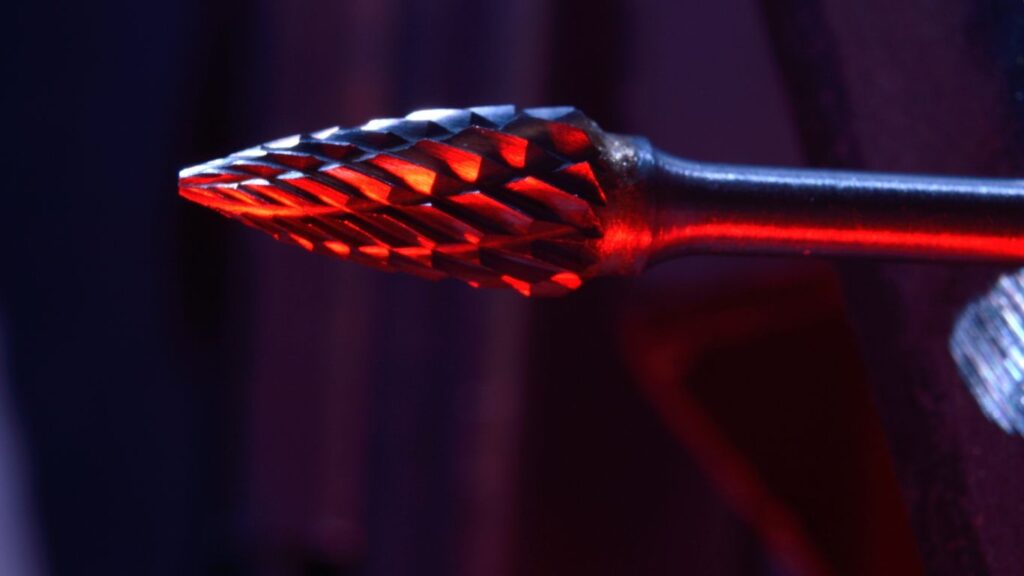
To get the most out of burr bits for steel, we need to focus on several important areas. By understanding key points, committing to continuous learning, and investing in quality tools, we can enhance our efficiency.
Taxe cheie
Using carbide burrs for steel offers great advantages. Their hardness and ability to withstand heat make them ideal for tough materials. Here are some critical takeaways:
- Versatility: Burr bits can cut and shape various steel types effectively.
- Eficienţă: They help reduce cutting time, allowing for more work to be done in less time.
- Durabilitate: Quality burr bits last longer, saving us money on replacements.
We should always choose the right burr bit size and type for our specific task to maximize performance.
Continuous Learning And Adaptation
Staying updated on the latest techniques and tools is vital for efficiency. We should regularly explore new methods for using burr bits. Here are some ideas to consider:
- Workshops and Demonstrations: Participating in hands-on programs can boost our skills.
- Online Resources: Videos and articles can provide tips on using burr bits more effectively.
- Community Engagement: Joining forums or local groups allows us to share experiences and learn from others.
By adapting to new information and practices, we can continuously improve our work quality and speed.
Investment In Quality Tools
Investing in high-quality burr bits is essential for our success. Cheap tools might save us money initially but can lead to poor results and higher long-term costs. Here’s why quality matters:
- Performance: Quality burr bits cut smoother and faster, which helps us complete projects efficiently.
- Longevity: Higher-quality tools wear down slower, reducing replacement costs.
- Safety: Well-made tools are less likely to break during use, keeping us safer while we work.
Ultimately, spending on good tools pays off through better results and less frustration.


