
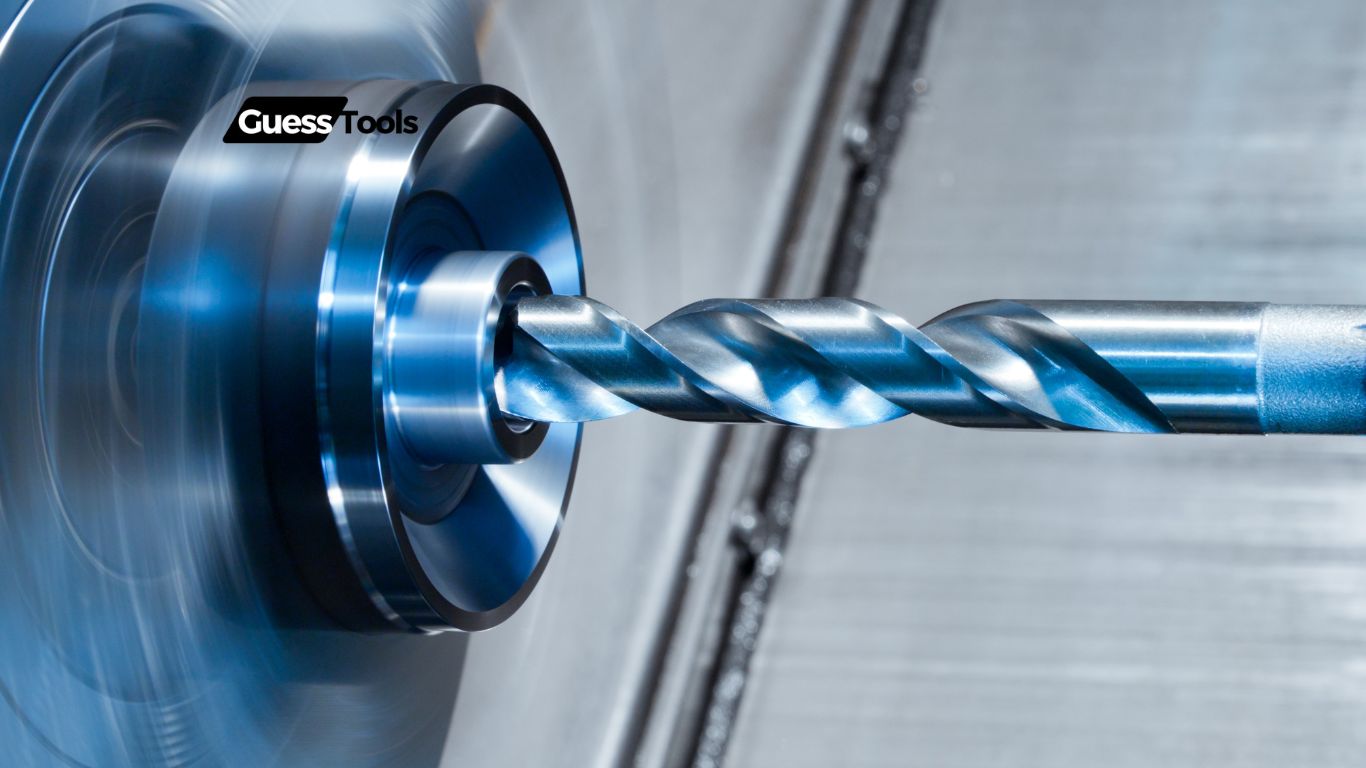
Choosing the right drill bit for stainless steel can feel overwhelming, but we’re here to help you figure it out. Have you ever found yourself wondering which drill bits can handle this tough material best? If you have, you’re in the right place. The best drill bits for stainless steel are made from cobalt or high-speed steel (HSS) with a cobalt blend, making them durable and capable of withstanding the heat and friction of drilling.
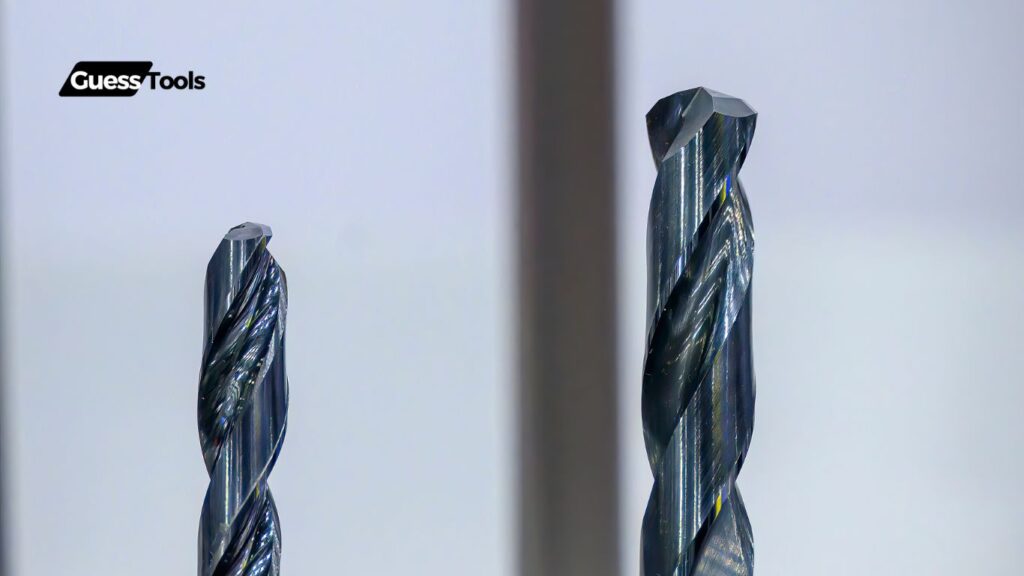
Drilling through stainless steel demands precision and the right tools. It’s important to focus on the material, angle, and size of the bit to ensure an efficient job. We’ve found that cobalt steel bits, like the M35 grade containing 5% cobalt, often outperform others in maintaining sharpness. These bits can penetrate the hard surface of stainless steel without losing their edge, reducing the chance of breakage and slippage.
When selecting a drill bit, it’s essential to consider your specific needs and the characteristics of the bits themselves. You’ll be surprised at the difference the right choice can make. Whether you’re a seasoned pro or just getting started, understanding these tools will make your projects smoother and more successful. We’ll guide you through the options, so stick with us to learn everything you need to tackle your next stainless steel challenge.
Types Of Drill Bits For Stainless Steel
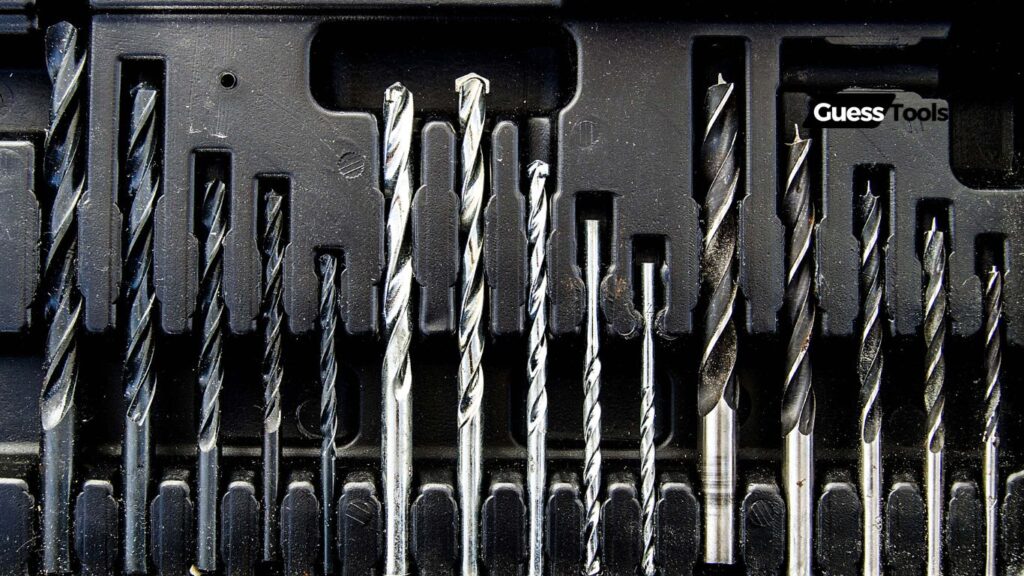
In our exploration of drill bits for stainless steel, we’ll focus on three main types. Each offers unique benefits, from basic affordability to premium performance. Let’s dig into what makes each type special.
High-Speed Steel (HSS): The Basic Option
High-Speed Steel (HSS) bits are versatile and affordable. These drill bits handle moderate heat, making them a decent choice for thinner stainless steel tasks. HSS is often the go-to when affordability is a priority. These bits are perfect for hobbyists or small projects. Sometimes, they come with a titanium coating for added durability and smoother, faster drilling.
We recommend HSS bits for light work, but they may struggle with tougher jobs. They tend to wear out faster than their cobalt or carbide counterparts. So, if you’re drilling thicker steel, you might want to consider a more robust option.
Cobalt Drill Bits: The Recommended Choice
Cobalt drill bits are a standout for stainless steel. They’re made with 5-8% cobalt, increasing their heat resistance and longevity. Why do we love cobalt bits? They excel in durability and efficiency, especially for harder steels. You can find these in sets like the cobalt drill bit set, designed specifically for challenging materials.
Cobalt‘s heat resistance ensures longer life and consistent performance. Though pricier than HSS, cobalt bits offer an excellent balance of cost and durability. These are the best drill bits for stainless steel if you are working on thicker or more resistant materials. They’re worth the investment for serious DIY enthusiasts and professionals alike.
Solid Carbide: The Premium Option
Solid carbide bits represent the top tier in our lineup. They’re incredibly strong and resist both heat and wear. These bits are the choice for industrial settings or when precision is critical. Solid carbide drill bits maintain sharpness, ensuring clean, accurate cuts.
These bits can be costly, though they provide unmatched longevity and effectiveness. We recommend them for heavy-duty projects where regular bits would falter. Their hardness means they are less likely to break or wear out, making them the best option for ongoing professional use.
Comparative Cost/Lifespan Table
Here’s a quick look at what you can expect in terms of cost and lifespan across these options:
| Type | Average Cost | Lifespan |
|---|---|---|
| HSS | Rendah | Short |
| Cobalt | Medium | Medium-Long |
| Karbida Pepejal | High | Long |
This table helps visualize the trade-offs. As the cost increases, so does expected performance and lifespan. It underscores why selecting the right drill bit is crucial for your stainless steel project needs.
Essential Features To Look For

When choosing the best drill bit for stainless steel, there are several key features we need to focus on. These include the angle of the drill bit point, the types of coatings available, the importance of flute design, and the heat resistance properties. Each of these plays a vital role in the performance and durability of the drill bit, especially when working with tough materials like stainless steel.
Point Angle (135° Optimal)
The point angle of a drill bit is crucial in determining how effectively it cuts into stainless steel. A Titik perpecahan 135 darjah is optimal because it helps reduce the amount of force needed to start the hole.
With this angle, the bit can penetrate quickly and reduce the risk of wandering. This design helps achieve cleaner, more precise holes and also minimizes heat buildup.
We must remember, though, that not all angles are created equal, and choosing a drill bit with the right point angle can make all the difference.
Coating Types And Their Benefits
Coatings are applied to drill bits to improve their performance and extend their life. One popular option is titanium nitride (TiN) coating. This type of coating increases the hardness of the drill bit and provides excellent heat resistance. A titanium-coated HSS drill bit is another great option.
It combines strength with durability. Cobalt content in the drill bit material also boosts its ability to withstand heat during drilling. Each coating type comes with its own set of benefits, but titanium has set a high bar with its impressive wear resistance.
Flute Design Importance
Flute design affects the removal of material from the hole being drilled. If you ever wondered why it’s easier to drill with some bits than others, it often comes down to the flute shape. Twist drill bits are popular due to their efficacy in removing chips and debris while drilling.
Flutes help in transporting these away from the cutting edge. Effective flute design reduces the risk of clogging and ensures smoother operation. This is super important when working with stainless steel, as it is tough and can increase the chance of clogging without proper flutes.
Heat Resistance Properties
Heat is the enemy of drill bits. That’s why we can’t overlook the heat resistance properties. Drill bits made from high-speed steel (HSS) atau cobalt twist drill bits have superior high-temperature resistance. This makes them suitable for the high friction that occurs when drilling stainless steel.
Brands like DeWalt offer titanium drill bits renowned for their ability to handle heat. The right heat resistance minimizes wear and tear, making the drill performance more consistent over time. We should prioritize materials and coatings that help maintain cool temperatures to extend the life of our drill bits.
Step-By-Step Guide To Successful Stainless Steel Drilling

Drilling through stainless steel might seem challenging, but with the right tools and techniques, it becomes much easier. We need to pay close attention to preparation, speed, cooling, and safety measures.
Langkah Penyediaan
First, let’s gather all the tools necessary for the task. We’ll need a power drill, lubricant atau memotong cecair, and the best drill bit for stainless steel. Cobalt M42 drill bits or a Bosch CO14B drill bit set work wonders here.
It’s vital to secure the workpiece tightly with a clamp or vise to ensure accurate drilling. We can mark the drilling spot clearly using a center punch to avoid bit slippage.
Speed And Pressure Guidelines
When it comes to drilling stainless steel, speed and pressure are key. Using too much speed can cause overheating, which might dull the bit. We recommend slow to medium speeds.
Apply steady pressure, but don’t force the drill too hard. The right balance helps maintain the drill bit’s cutter ability and prolongs its life. A Nordwolf 5-piece M35 cobalt stubby drill bit set could be ideal for maintaining control.
Cooling And Lubrication
Cooling is essential to prevent damage to both the drill bit and the stainless steel. Using cutting fluid or lubrication plays a significant role here. Applying lubricant helps reduce friction and heat during drilling.
Regular breaks allow the bit to cool and can make a huge difference in the result. Be mindful of continuously lubricating the drill bit while drilling.
Pertimbangan Keselamatan
Safety is a top priority. Before we start drilling, we should wear safety goggles and gloves to protect against metal shavings. Ensuring proper ventilation in the workspace prevents exposure to fumes from lubricants.
Always keep our workspace tidy and organized, reducing potential hazards. Preparing for accidents by keeping a first-aid kit nearby is also a smart move.
Following these steps leads to a successful drilling experience, with minimal issues and a job done well!
Troubleshooting Common Problems

Drilling through stainless steel can pose challenges. It’s crucial to address potential issues such as work hardening, drill bit slipping, heat buildup, and knowing when to replace your tools to ensure success.
Preventing Work Hardening
Work hardening occurs when stainless steel becomes tougher as it gets drilled. This makes further drilling difficult. To avoid this, we should use sharp cobalt or high-speed steel drill bits and maintain a low drill speed. A steady drill feed helps keep the material from getting too hard. Consistent, even pressure is essential. Lubricants, such as cutting oil, can also reduce friction and heat, preventing work hardening. We suggest stopping frequently to cool down both the material and the bit during the process to maintain good drilling conditions.
Dealing With Drill Bit Slipping
Slipping is a common issue when drilling stainless steel due to its smooth surface. To combat this, use a Pusat Pusat to create a small dimple where we wish to drill. This gives the bit a place to grip and prevents slipping. Always ensure the drill is at a 90-degree angle to the surface. Increasing the drill’s pressure can also help maintain stability. Using a firm grip on the drill and having a stable work surface are key to avoiding slips and ensuring accuracy as we work.
Managing Heat Buildup
Heat can both damage the drill bit and affect the quality of our drilling. One effective way to manage heat is by keeping the drill speed low. Regular breaks during drilling allow the bit and the metal to cool off. Lubricants like cutting oil not only decrease friction but also help dissipate heat. Additionally, we might consider using a gold oxide finish bit which wears slower and better distributes heat. Ensuring our drill bits are designed to handle heat is crucial to prevent them from dulling or breaking.
When To Replace Drill Bits
Knowing when to replace drill bits helps in maintaining efficiency and safety. Watch for signs like drilling taking longer, increased noise, or bits not cutting efficiently. If bits have visible damage, such as chipped or broken tips, it’s time for a replacement. It’s a good idea to regularly inspect the bits for wear and tear. We can maximize the lifespan of our bits by maintaining them well and replacing them promptly when they show signs of wear. Regular checks help us maintain precise and effective drilling.
Tips For Extending Drill Bit Life

When working with drill bits, especially on tough materials like stainless steel, keeping them in great shape is key. Let’s look at how good storage, routine upkeep, proper cooling, and spotting wear early can extend life.
Proper Storage
Where we keep our drill bits can impact how long they last. Storing them in a dry, clean place is vital to prevent rust and corrosion. Many of us find a Dewalt drill bit set comes with a handy case for organization. Utilizing sturdy cases or racks ensures each bit stays separate, avoiding unnecessary friction and damage. By arranging bits by size or type, we can easily find and use the right bit, keeping inadvertent wear to a minimum.
Maintenance Practices
Isn’t it better to have equipment that runs smoothly over time? Simple checks and light cleaning after use help maintain bit sharpness and precision. If we notice any dullness or debris, it’s wise to sharpen or clean the bits promptly. Using appropriate lubricants during storage can prevent surface rust. Regular inspections help us catch small issues before they become big problems, saving us from purchasing new sets frequently.
Cooling Techniques
Drilling generates heat, especially when we’re dealing with materials like stainless steel. Keeping things cool extends the bit’s lifespan and maintains its cutting efficacy. We can apply coolants or cutting oils liberally during use to dissipate heat. Slowing down our drill’s speed can also help manage temperature. By reducing heat buildup, these methods prevent thermal damage that could lead to premature bit failure.
Signs Of Wear To Watch For
Being aware of how our bits are wearing down saves us from unexpected setbacks. Worn bits often have rounded edges, and may take effort to start or continue drilling. If drills squeal or leave unusual marks, it could be time for sharpening or replacing. Regularly examining each bit for cracks or discoloration keeps us informed about when it may need attention, helping us maintain optimal drilling performance.
Professional Considerations

Choosing the right drill bit for stainless steel isn’t always straightforward. We often need to weigh factors like cost and application to decide whether to tackle a project ourselves or bring in a professional.
When To Call A Professional
Sometimes, drilling through stainless steel is more than we can handle. Complex projects or those requiring precise holes might be best left to professionals. If we’re dealing with industrial tasks, the stakes are higher. Mistakes can lead to costly damages, so experience counts. Professionals have the right tools and skills to get the job done efficiently.
For smaller DIY projects, we might feel confident enough to try it ourselves. Experienced DIYers have probably drilled stainless steel before and can carefully choose the correct bits, like the amoolo cobalt drill bit set. These can be a great choice for home use due to their durability and efficiency.
Cost-Benefit Analysis of Different Bit Types
Let’s talk money. We’ve got options like cobalt, high-speed steel, and carbide-tipped bits, each with pros and cons. Cobalt bits, like those in the comoware cobalt drill bit set, offer great heat resistance and long life, making them a smart investment for frequent use.
If we only drill occasionally, cheaper high-speed steel bits might be fine. They work well for thinner stainless steel but wear out faster. In the long run, investing in quality bits can save us time and frustration by reducing the need for frequent replacement.
Untuk heavy-duty industrial needs, carbide bits come into play. They’re more expensive but handle tough jobs and heat better, proving cost-effective for constant, demanding use.
Industrial Applications Vs. DIY Needs
In industrial settings, the demands are high. Machines often rely on durable carbide bits for strength and longevity. This is crucial for maintaining production efficiency. Consistency and precision are key, so high-quality tools are a must.
For DIY projects, our needs differ. We’re typically looking for bits that provide a balance of performance and cost. Cobalt bits are often our go-to because they offer good durability without breaking the bank. They’re versatile, drilling through not just stainless steel but other metals too.
In both cases, selecting the right bit affects the quality of work and cost-effectiveness. Understanding these differences helps us make informed choices, ensuring we have the right tools for our specific needs.


