

Choosing between cobalt and carbide drill bits can feel confusing when you’re standing in the tool aisle. We know both types are designed for tough jobs, but each has distinct strengths that make them better suited for different tasks.

Carbide drill bits are harder and more durable than cobalt bits, making them ideal for masonry and stone, while cobalt bits excel at drilling through stainless steel and can be resharpened multiple times. The choice between these two depends on your specific project needs and budget.
We’ve tested both types extensively in our workshop, and we can tell you that karbīda uzgaļi stay sharp longer but are more brittle and expensive. Cobalt bits offer a great balance of performance and value, especially when working with tough metals. Let’s explore the key differences between these two popular drill bit materials so you can make the right choice for your next project.
Understanding Drill Bit Basics
Drill bits come in different materials and designs that affect their performance and lifespan. The right drill bit can make tasks easier and produce better results.
What Makes a Quality Drill Bit?
A quality drill bit needs the right combination of hardness un durability. The material’s hardness is measured on the Rockwell scale, which tells us how well it can cut through tough surfaces.
The bit’s design matters too. Look for these key features:
- Asas griešanas malas
- Strong flute design
- Precise point angle
- Heat-resistant coating
Good bits keep their edge longer and drill cleaner holes. We recommend checking the bit’s specifications before buying to match them with your needs.
The Importance of Choosing the Right Drill Bit Material
Different materials serve different purposes. Ātrgaitas tērauds (HSS) is the most common and works well for basic drilling tasks.
Material comparison:
- HSS bits: Good for wood and soft metals
- Cobalt bits: Better heat resistance, ideal for hard metals
- Carbide bits: Extremely hard, perfect for the toughest materials
The material you choose affects cost and performance. Cheaper isn’t always better – investing in quality bits can save money over time.
Impact on Drilling Performance and Project Outcomes
The right bit makes drilling faster and more accurate. Poor bit choice can lead to:
- Broken bits
- Damaged workpieces
- Wasted time
- Extra costs
We’ve found that matching the bit to your material is crucial. A carbide bit might cost more upfront but will last longer when drilling tough materials.
Heat buildup affects performance significantly. Better materials handle heat better, letting you work longer without stopping to cool down.
Professional results come from using the right tool. We always test our bits on scrap material first to ensure they’ll perform well on the actual project.
Deep Dive: Cobalt Drill Bits

Cobalt drill bits combine strength and durability through their specialized steel alloy construction. We’ll explore what makes these bits unique and why they’re popular for drilling tough materials.
Composition and Manufacturing Process
Cobalt drill bits are made from high-speed steel (HSS) mixed with 5% to 8% cobalt. We call this M35 grade when it has 5% cobalt and M42 grade with 8% cobalt content.
The manufacturing starts with mixing molten steel with cobalt. This creates an extremely hard alloy that can withstand high temperatures.
The bits go through precise grinding and shaping to create the cutting edges and flutes. The final step includes heat treatment to enhance hardness.
Key Characteristics and Properties
These bits can handle temperatures up to 1,100°F without losing their cutting edge. That’s much higher than standard HSS bits.
The cobalt content makes them:
- Extra hard (65-67 on the Rockwell scale)
- Heat resistant
- Wear resistant
- Self-sharpening as they wear
They maintain their sharp edge longer than standard bits and can be resharpened multiple times.
Advantages and Limitations
Galvenās priekšrocības:
- Perfect for hard metals like stainless steel
- Can be resharpened many times
- Hold their edge well
- Work at high speeds
- Handle high heat
Limitations:
- More brittle than standard HSS bits
- Can snap under too much pressure
- Not ideal for soft materials
- Need proper cooling during use
Best Applications and Use Cases
We recommend cobalt bits for:
- Nerūsējošais tērauds
- Čuguns
- Titāna sakausējumi
- Aircraft-grade alumīnija
They work best in machine shops and industrial settings where precision matters.
These bits excel in professional applications that need repeated use on hard materials.
Price Point and Value Proposition
Cobalt bits cost more than standard HSS bits but less than carbide options. A typical set ranges from $30 to $100.
The value comes from their:
- Long lifespan
- Ability to be resharpened
- Consistent performance
- Lower cost than carbide
For frequent drilling in hard metals, the initial investment pays off through extended use and reliability.
Deep Dive: Carbide Drill Bits

Carbide drill bits represent the pinnacle of drilling technology, combining exceptional hardness with outstanding wear resistance. We’ll explore what makes these premium tools worth the investment.
Composition and Manufacturing Process
Carbide drill bits are made from tungsten carbide, a compound created by mixing carbon with tungsten. The manufacturing process involves pressing tungsten and carbon powders together at high temperatures.
Two main types exist:
- Solid carbide bits: Made entirely from carbide material
- Karbīda galu biti: Feature carbide tips brazed onto steel bodies
The tungsten carbide mixture goes through a process called sintering at temperatures around 2,700°F (1,482°C). This creates an incredibly dense and hard material.
Key Characteristics and Properties
The distinctive features of carbide drill bits make them stand out from other materials:
Cietība:
- Rates 8.5-9 on the Mohs scale
- Maintains sharpness longer than other materials
- Resists wear and deformation
Heat resistance:
- Withstands temperatures up to 1,000°F (538°C)
- Performs well in high-speed applications
- Keeps sharp edges even when hot
The cutting edges stay sharp up to 10 times longer than standard high-speed steel bits.
Advantages and Limitations
Priekšrocības:
- Exceptional durability
- Superior precision
- Perfect for CNC machines
- Maintains dimensional accuracy
Limitations:
- Can be brittle and chip easily
- Requires careful handling
- Not ideal for hand-held drilling
- Higher upfront cost
We find carbide bits work best with proper speeds and feeds. They need rigid setups to prevent breakage.
Best Applications and Use Cases
Carbide drill bits excel in these situations:
- Drilling hardened steels
- Working with titanium alloys
- Machining cast iron
- Processing abrasive materials
They shine in industrial settings where precision and production speed matter most. Machine shops and manufacturing facilities rely on carbide bits for consistent results.
Price Point and Value Proposition
The cost of carbide drill bits ranges significantly:
- Basic carbide-tipped: $15-30 per bit
- Premium solid carbide: $50-200+ per bit
While expensive upfront, they often prove cost-effective through:
- Reduced replacement frequency
- Faster drilling speeds
- Better hole quality
- Less downtime for tool changes
The investment makes sense for professional use and high-volume production work.
Head-to-Head Comparison
Let’s break down the key differences between cobalt and carbide drill bits to help you make the labākā izvēle for your specific drilling needs. These two materials offer distinct advantages in performance, durability, and value.
Heat Resistance Capabilities
Cobalt drill bits handle high temperatures incredibly well. They maintain their strength and cutting ability up to 1,100°F (593°C). This makes them perfect for drilling through tough metals like stainless steel.
Carbide bits start to lose their effectiveness around 900°F (482°C). While this is still impressive, they’re more sensitive to temperature changes and can crack if they get too hot too quickly.
We recommend using coolant with both types to extend their life and maintain optimal cutting performance.
Izturība un nodilumizturība
Carbide bits excel in wear resistance thanks to their extreme hardness. They keep their sharp edge longer than cobalt bits when used on softer materials like aluminum or wood.
Cobalt bits are more flexible and less likely to snap under pressure. They can handle impacts better than carbide, which tends to be brittle.
Key durability factors:
- Carbide: Superior edge retention
- Cobalt: Better shock resistance
- Both: Resistant to corrosion
Precision and Accuracy
Carbide bits offer exceptional precision for detailed work. Their rigid structure maintains hole diameter accuracy even after multiple uses.
Cobalt bits provide good accuracy but may need more frequent resharpening to maintain precise measurements.
Precision features:
- Self-centering tips on both types
- Carbide holds tighter tolerances
- Less wandering on hard surfaces
Cost-Effectiveness Analysis
Initial costs:
- Carbide: $15-30 per bit
- Cobalt: $8-20 per bit
While carbide bits cost more upfront, they often last longer when used correctly. Cobalt bits offer better value for occasional use or when drilling varied materials.
The best value depends on your specific needs. Consider your drilling frequency and material types when choosing.
Operational Speed and Efficiency
Carbide bits excel at high-speed drilling, especially in production settings. They maintain their cutting edge at speeds up to 30% faster than cobalt bits.
Cobalt bits work well at moderate speeds and offer more flexibility in cutting rates. They’re less likely to break when speed variations occur.
Recommended speeds:
- Carbide: Up to 300 SFM
- Cobalt: Up to 150 SFM
Ease of Maintenance
Cobalt bits are easier to resharpen and maintain. You can use standard grinding wheels to restore their cutting edge.
Carbide requires special diamond wheels for sharpening. This makes maintenance more expensive and complicated.
You’ll need professional sharpening services for carbide bits, while cobalt bits can often be maintained in-house.
The simpler maintenance of cobalt bits makes them more practical for many users.
Application-Specific Selection Guide

Picking the right drill bit depends on your material, project goals, and budget constraints. Let’s look at the key factors that will help you choose between cobalt and carbide options.
Material-Based Recommendations
Nerūsējošais tērauds & Tool Steel
- Cobalt bits: Best for occasional drilling, cost-effective
- Carbide bits: Ideal for frequent use and production work
Alumīnijs & Non-Ferrous Metals
- Cobalt bits: Good for general purpose use
- Carbide bits: Best when precision is critical
We recommend carbide bits for fiberglass and reinforced plastics due to their superior wear resistance.
For masonry work, carbide-tipped bits are your best choice. They handle abrasive materials better than cobalt options.
Project Type Considerations
High-Volume Production
- Carbide bits offer longer life
- Labāka karstumizturība
- Precīzāki caurumi
DIY & Light Commercial
- Cobalt bits are more practical
- Greater versatility across materials
- Easier to resharpen
For metalworking projects, we suggest M35 cobalt bits (5% cobalt) for general use and M42 (8% cobalt) for tougher jobs.
Budžeta apsvērumi
Initial Investment
- Cobalt bits: $15-30 per bit
- Carbide bits: $40-100+ per bit
Value Analysis
- Small projects: Choose cobalt for better cost-per-hole
- Large projects: Carbide’s longevity offsets higher upfront cost
You’ll find cobalt bits more budget-friendly for woodworking and general-purpose tasks. Consider carbide when working with extremely hard materials or when hole precision is crucial.
Best Practices and Maintenance

Taking good care of your cobalt and carbide urbji will help them last longer and perform better. Let’s explore the essential maintenance tips and best practices that will keep your bits in top condition.
Proper Storage Techniques
Store your drill bits in a dry, climate-controlled area to prevent rust and corrosion. We recommend using a dedicated drill bit case or organizer with individual slots for each bit.
Never toss bits loosely in a toolbox where they can bump against each other. This can damage the cutting edges and reduce their effectiveness.
A magnetic strip holder mounted on your workshop wall makes bits easy to access while keeping them organized and protected.
Apply a light coat of machine oil to carbon steel bits before storage to prevent oxidation. Wipe them clean before use.
Cooling and Lubrication Requirements
Izmantot griešanas šķidrums when drilling metal to reduce friction and heat buildup. For cobalt bits, we suggest using sulfur-based cutting oils when working with steel.
Water-soluble coolants work well for general-purpose drilling. Apply the fluid generously and consistently during operation.
Recommended Cutting Fluids:
- Aluminum: Kerosene or WD-40
- Steel: Sulfur-based cutting oil
- Stainless Steel: Chlorinated cutting oil
- Brass/Copper: Light machine oil
Peck drilling helps prevent overheating. Withdraw the bit periodically to clear chips and allow cooling.
Sharpening and Reconditioning
Cobalt bits can be resharpened several times, while carbide bits typically need professional reconditioning.
Use a dedicated drill bit sharpener or bench grinder with a fine wheel. Maintain the original point angle – usually 118° for general purpose or 135° for harder materials.
Check the cutting edges after sharpening. They should be equal in length and symmetrical.
TiN, TiAlN, and TiCN coatings can’t be restored after sharpening, but the bits will still cut effectively.
Signs of Wear and Replacement Timing
Replace bits when you notice:
- Rounded or chipped cutting edges
- Discoloration from excessive heat
- Difficulty starting holes
- Squealing or chattering during use
- Smoking or burning despite proper cooling
Inspect self-centering points for wear. A damaged point makes accurate drilling difficult.
Test bits on scrap material before important jobs. If they struggle to cut, it’s time for replacement.
Drošības apsvērumi
Always wear safety glasses when drilling. Metal chips can cause serious eye injuries.
Keep work areas clean and well-lit. Clamp workpieces securely – never hold them by hand.
Start holes at low speed to prevent bit walking. Increase speed once the bit is engaged.
Don’t force bits through material. Let the tool do the work at the proper speed and pressure.
Clean bits after use to remove metal particles and cutting fluid residue.
Making the Final Decision
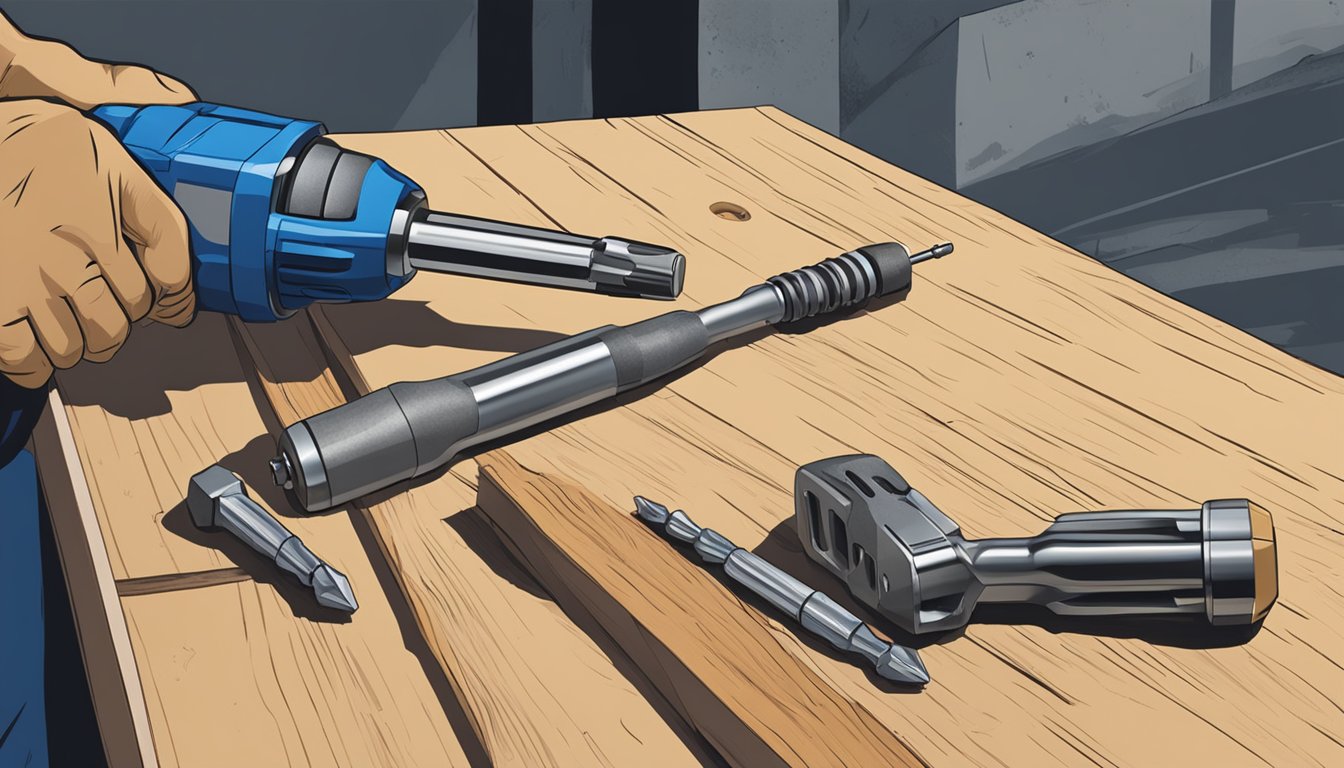
Choosing between cobalt and carbide drill bits comes down to matching your specific needs with each type’s unique strengths, costs, and limitations. Let’s look at the key factors to help you make the right choice.
Lēmumu ietvars
We recommend starting with these essential questions:
- What materials will you drill most often?
- How frequently will you use the bits?
- What’s your budget for tools?
Material matching guide:
- Cobalt bits: Best for stainless steel and hardened metals
- Carbide bits: Ideal for softer materials and high-volume work
Using a drill press will improve results with both types by providing better control and reducing breakage risk.
ROI Considerations
The initial cost difference is significant. Cobalt bits typically cost 40-60% less than carbide options.
Long-term value factors:
- Carbide bits last up to 10x longer than cobalt
- Cobalt bits need more frequent replacement
- Higher production volumes favor carbide’s durability
Par occasional DIY projects, cobalt bits often provide better value. Professional shops may find carbide’s longevity worth the investment.
Biežākās kļūdas, no kurām jāizvairās
Watch out for these common errors:
- Choosing bits based on price alone
- Not using a drill press for precision work
- Running bits at incorrect speeds
Proper technique matters more than bit type. Use steady pressure and appropriate speeds for your material.
Keep bits sharp and cool during use. Overheating can damage both types, but cobalt handles heat better than carbide.
Expert Recommendations
We suggest starting with a set of cobalt bits for most home workshops and light commercial use.
Professional settings benefit from both types:
- Keep cobalt bits for tough metals and one-off jobs
- Use carbide when working with softer materials at high volumes
- Have both available for maximum flexibility
A quality drill press is essential for getting the most from either bit type.


