

Sei curioso di sapere come minuscoli frammenti di metallo possono trasformarsi in fili che tengono insieme i nostri oggetti di tutti i giorni? Gli strumenti di filettatura sono gli eroi non celebrati nella creazione e riparazione di questi componenti essenziali. Dai maschi e filiere agli strumenti avanzati per la tornitura di filetti, questi dispositivi ci consentono di tagliare, riparare e mantenere le filettature con precisione. Che tu sia un appassionato di fai da te o un macchinista professionista, comprendere questi strumenti può migliorare notevolmente l'efficienza e la qualità del tuo lavoro.
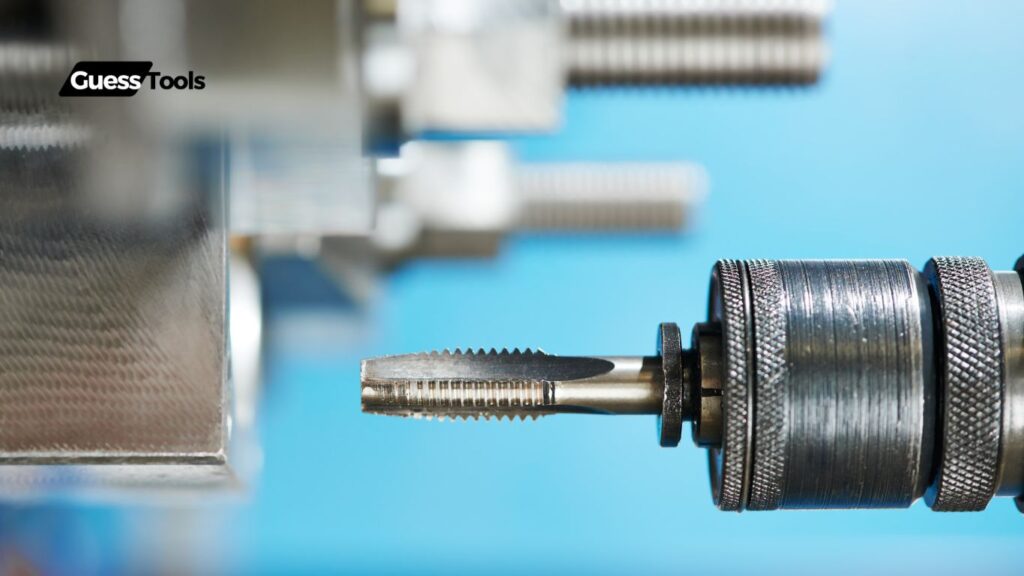
Immergiamoci in ciò che rende strumenti di filettatura Così essenziale. TAPS e muore, ad esempio, sono disponibili in varie dimensioni come la metrica da M2 a M18 e svolgono funzioni diverse. Sono fondamentali per la creazione di thread sia interni che esterni. Sapevi che alcuni set Tap and Die sono disponibili con oltre 110 pezzi? Ciò significa che hai tutto il necessario per una vasta gamma di attività di threading a tua disposizione.
Immagina di avere uno strumento in grado di correggere fili arrugginiti o rimuovere i detriti dai fori tappati. Questo è esattamente cosa Strumenti di thread-ripair offerta. Non solo fanno risparmiare tempo, ma prolungano anche la vita di viti, tubi e persino macchinari. La nostra esplorazione di questi strumenti versatili ti mostrerà come possono cambiare le regole del gioco sia in progetti piccoli che grandi. Esploriamo quindi insieme in che modo gli strumenti di filettatura rendono le nostre attività tecniche più semplici ed efficienti.
Comprendere gli strumenti di threading
Gli strumenti di filettatura sono essenziali per creare filettature interne ed esterne. Vengono utilizzati in vari processi produttivi e sono disponibili in diversi tipi e dimensioni. Esploreremo il loro scopo, le applicazioni importanti e la terminologia chiave.
Cosa sono gli strumenti di filettatura?
Gli strumenti di filettatura sono strumenti specializzati utilizzati per tagliare e formare filettature all'interno o all'esterno di materiali come metallo e plastica. I tipi principali includono maschi, filiere e inserti per filettatura. Rubinetti tagliare i fili interni, muore creare thread esterni e inserti vengono utilizzati in ambienti ad alta produzione per thread più complessi.
Questi strumenti devono essere precisi per garantire un adattamento corretto. Le dimensioni e il tipo dipendono dal materiale e dal Specifiche del filo, come misurazioni metriche o imperiali. La scelta giusta determina la resistenza e la funzionalità del prodotto finale.
Applicazioni principali e importanza nel settore manifatturiero
Gli strumenti di filettatura svolgono un ruolo cruciale nella produzione, fornendo i mezzi per assemblare i componenti in modo sicuro. Sono essenziali in settori come quello automobilistico, aerospaziale e della produzione di macchinari, dove la filettatura precisa garantisce che i componenti si adattino e funzionino correttamente.
L'utilizzo di strumenti di alta qualità, come maschi in metallo duro o frese a filettare, migliora la durata e le prestazioni delle filettature. Questa precisione riduce gli sprechi di materiale e i tempi di produzione, con un conseguente risparmio sui costi. Un buon esempio è l'uso di maschi per filettare i componenti del motore, garantendo che ogni parte sia perfettamente allineata.
Terminologia di base che ogni utente dovrebbe conoscere
Comprendere i termini chiave è vitale per chiunque lavori con gli strumenti di threading. Pece si riferisce alla distanza tra i picchi del filo, mentre TPI (Fili per pollice) è comune nei sistemi imperiali. Queste misurazioni guidano la scelta dello strumento giusto.
Guida descrive la distanza che la filettatura di una vite avanza assialmente in un giro. Un altro termine importante è flauto, riferito alle scanalature dei rubinetti che consentono la fuoriuscita dei trucioli. Conoscere questi termini aiuta gli utenti a scegliere e utilizzare gli strumenti in modo efficace, garantendo ogni volta connessioni filettate di qualità.
Tipi di utensili per filettare: fare la scelta giusta
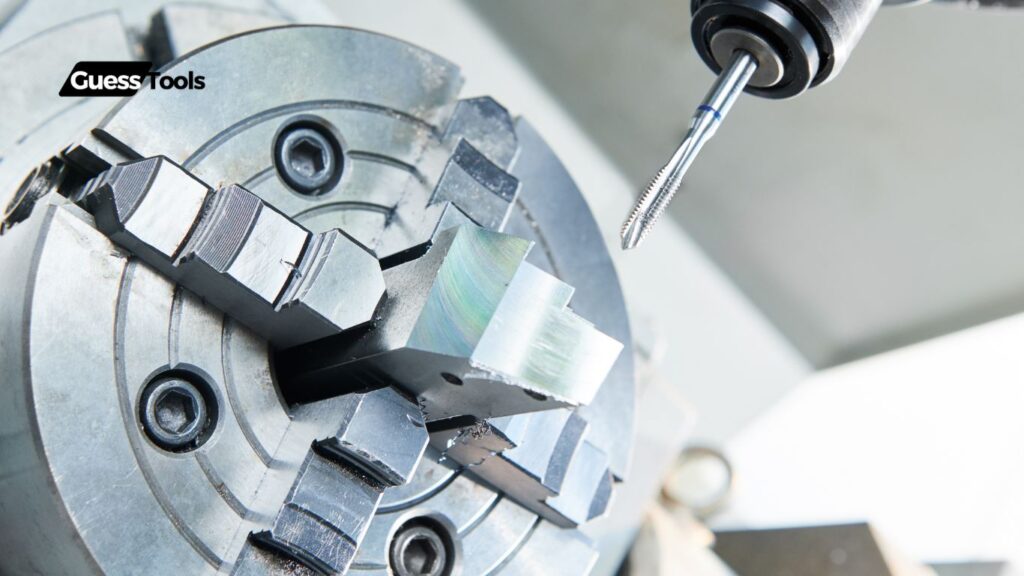
La scelta dello strumento di filettatura giusto può fare una grande differenza nella qualità e nella durata dei fili. Esamineremo vari tipi di strumenti di filettatura come maschi, filiere, frese a filettare e strumenti speciali, aiutandoci a decidere quali sono i migliori per le diverse attività.
Maschi Per Filettatura Interna
I tap sono essenziali per creare thread dentro un buco. Sono disponibili in diversi tipi. I maschi a mano, ad esempio, vengono spesso utilizzati nella filettatura manuale grazie al loro design semplice. I maschi a macchina sono perfetti per attività di produzione più veloci. Rubinetti a spina, rubinetti di fondo, E rubinetti conici ognuno ha usi speciali, che influenzano principalmente la profondità e la facilità della filettatura.
Possiamo scegliere maschi conici per avviare il processo o maschi a fondo per la filettatura sul fondo dei fori ciechi. Considera il materiale, poiché alcuni rubinetti sono realizzati appositamente per metalli duri o plastica. Le tabelle del glossario possono aiutare a identificare il rubinetto perfetto.
Filiere per filettatura esterna
La fustella taglia i fili sul al di fuori di un'asta o di un tubo. Possiamo pensarli come l'opposto dei rubinetti. Le matrici rotonde sono comuni e funzionano bene per la maggior parte delle attività. La maledizione muore sono un'altra opzione, spesso utilizzata con una chiave per applicazioni manuali.
Le filiere rotonde regolabili offrono flessibilità e possono essere impostate per diverse profondità di filettatura. È utile conoscere la dimensione esatta e il passo necessari prima di scegliere una fustella. Generalmente, selezionare la filiera giusta implica abbinarla alla filettatura standard Unf O UNC. Ciò garantisce la compatibilità con viti e bulloni.
Mulini a filo
Le frese a filettare sono versatili perché possono creare filettature sia interne che esterne. Il loro utilizzo è in crescita, soprattutto nella lavorazione CNC. Offrono una grande precisione, rendendoli adatti a compiti ad alta tolleranza.
A differenza dei maschi o delle filiere, le frese a filettare tagliano i filetti utilizzando a taglierina rotante. Ciò significa meno forza e calore, il che è vantaggioso per i materiali delicati. Il modulo singolo e il modulo multiplo sono scelte popolari, quest'ultimo è più veloce data la sua capacità di creare più thread in un unico passaggio. Dovremmo anche considerare il materiale della fresa per filettare, ad esempio carburo, per alte prestazioni.
Cacciatori e strumenti speciali
I cacciatori vengono utilizzati nei torni per filettare per creare filettature su un pezzo. Questi vengono spesso utilizzati in situazioni in cui la velocità e l'efficienza sono essenziali. Strumenti speciali come i dischi abrasivi per il taglio del filo possono ottenere ottimi risultati su materiali duri, spesso offrendo finiture con bave minime.
Per lavori complessi e con filettatura fine, alcuni strumenti speciali possono gestire attività uniche con cui maschi e matrici potrebbero avere difficoltà. Gli strumenti specializzati spesso colmano le lacune e ci consentono di personalizzare il nostro approccio. Quando si lavora con questi, comprendere i materiali e le macchine per cui sono adatti ottimizzerà i nostri risultati.
Scienza dei materiali negli utensili per filettatura
Quando si tratta di realizzare utensili per filettare, i materiali che scegliamo giocano un ruolo importante. Dobbiamo considerare quanto sono resistenti e durevoli, soprattutto quando vengono utilizzati in condizioni difficili. In questo settore spiccano materiali come l'acciaio super rapido, il carburo e le leghe di cobalto.
Utensili in acciaio super rapido (HSS).
L'acciaio ad alta velocità (HSS) è una scelta popolare per gli utensili di filettatura. Potresti chiederti perché. Bene, è perché HSS lo è resistente e versatile. Lo troviamo particolarmente utile in situazioni in cui lo strumento non deve perdere la sua nitidezza troppo rapidamente.
Questi strumenti mantengono il filo a temperature più elevate, il che li rende ideali per operazioni che comportano molto calore. Strumenti HSS sono convenienti rispetto ad altri materiali, il che significa che possiamo usarli in varie applicazioni senza rompere la banca.
Strumenti di threading in carburo
Gli strumenti di threading in carburo aumentano in situazioni in cui è necessaria ancora più durata. Realizzati in gran parte dal carburo di tungsteno, questi strumenti lo sono straordinariamente duro e resistente all'usura. Perché è importante? Significa che possono gestire l'uso a lungo termine anche Materiali duri, come l'acciaio e le super-lezioni, senza perdere efficienza.
Gli strumenti in carburo funzionano meglio in Impostazioni ad alta velocità. Offrono precisione e qualità in contesti professionali in cui abbiamo bisogno di risultati affidabili ogni volta. Sebbene più costosi, spesso valgono gli investimenti a causa della loro ridotta sostituzione dello strumento e costi di manutenzione.
Opzioni in lega di cobalto
Quando si tratta di Applicazioni ad alta temperatura, spiccano le leghe di cobalto. Si tratta di materiali di prima qualità che possono mantenere la loro resistenza anche quando le cose si surriscaldano. Allora, cosa significa questo per noi? È meno probabile che ci preoccupiamo della deformazione o dell'usura degli utensili durante i processi ad alto stress.
Queste leghe forniscono l'equilibrio tanto necessario tra tenacità e resistenza al calore. Sono utilizzati principalmente in ambienti esigenti come quello aerospaziale e della produzione pesante. Sebbene abbiano un costo più elevato, i vantaggi in termini di prestazioni e longevità spesso rendono questi strumenti un’opzione interessante per attività specifiche e molto impegnative.
Guida pratica: utilizzo degli strumenti di filettatura

Gli strumenti di filettatura sono vitali in molti settori per creare filettature precise in diversi materiali. Dalla comprensione del processo di threading alla conoscenza della sicurezza e all'evitare errori comuni, esploreremo tutto ciò che è necessario per padroneggiare efficacemente gli strumenti di threading.
Processo di filettatura passo dopo passo
Iniziamo comprendendo il processo di threading.
- Seleziona lo strumento giusto: Scegli tra maschi, filiere o pettini a seconda che stai tagliando filettature interne o esterne.
- Preparare il materiale: Assicurarsi che il pezzo sia pulito e dimensionato correttamente.
- Lubrificare: Utilizzare un lubrificante adatto per ridurre l'attrito e l'usura.
- Allinea lo strumento: Mantenere lo strumento perpendicolare alla superficie di lavoro per evitare filettature oblique.
- Coinvolgi e taglia: Inizia a infilare con attenzione. Evitare di applicare una forza eccessiva.
- Inverti e pulisci: Di tanto in tanto invertire l'utensile per rompere i trucioli ed evitare inceppamenti.
Seguendo questi passaggi, possiamo ottenere fili puliti e durevoli che soddisfano le specifiche del nostro progetto.
Considerazioni sulla sicurezza e le migliori pratiche
La sicurezza è fondamentale quando si utilizzano strumenti di filettatura. Pratiche non sicure possono causare lesioni e danni. Indossalo sempre occhiali di sicurezza e guanti per proteggersi da trucioli metallici e scivolamenti di utensili.
Mantieni lo spazio di lavoro organizzato e libero da disordine. Un'area pulita garantisce un lavoro preciso e riduce i rischi. Controllare regolarmente l'usura degli strumenti. Strumenti usurati può causare filetti difettosi o addirittura rompersi.
Non dimenticare di mantenere una presa salda sugli strumenti per evitare scivolamenti imprevisti. Praticare una pressione costante e costante aiuta a ridurre al minimo i problemi e a mantenere il controllo.
Seguendo queste migliori pratiche, garantiamo la nostra sicurezza mentre lavoriamo con gli strumenti di filettatura.
Errori comuni da evitare
Gli errori possono facilmente far fallire un lavoro di threading.
Un errore comune è disallineare lo strumento. Se non è perfettamente perpendicolare, il filo può diventare irregolare o danneggiarsi.
Un altro problema frequente è la mancata lubrificazione. La lubrificazione aiuta a ridurre il calore e garantisce tagli più fluidi. Senza di essa, le filettature possono diventare ruvide e gli strumenti potrebbero usurarsi rapidamente.
Le misurazioni imprecise sono un altro colpevole. Ricontrolla tutte le misurazioni prima del taglio per evitare errori costosi. Infine, affrettare il processo può portare a un lavoro sciatto. La pazienza nel threading offre i migliori risultati.
Evitando queste insidie, miglioriamo sia la qualità che l’efficienza nei nostri progetti.
Suggerimenti da esperti del settore
Gli esperti del settore hanno alcune informazioni preziose per noi. Garantire l'affilatura dell'utensile è un suggerimento fondamentale. Uno strumento affilato riduce lo sforzo e migliora la qualità del filo.
Quando si utilizza tocca e muore, i professionisti esperti consigliano di iniziare con un tocco delicato. Lascia che lo strumento faccia il lavoro invece di forzarlo.
Utilizzando refrigeranti di alta qualità può migliorare i risultati controllando le temperature e prolungando la durata dell'utensile.
Infine, mantenere gli strumenti organizzati e conservati correttamente previene danni o perdite inutili. Seguire questi consigli degli esperti migliorerà sicuramente la nostra tecnica di infilatura.
Guida alla risoluzione dei problemi
Quando sorgono problemi, la risoluzione dei problemi diventa essenziale.
Problema: Lo strumento di threading si blocca frequentemente.
Soluzione: Controllare se i trucioli intasano lo strumento. Invertire di tanto in tanto l'utensile durante l'uso per eliminare i detriti.
Problema: Threads are rough or uneven.\
Soluzione: Controllare l'affilatura dell'utensile e garantire una corretta lubrificazione.
Problema: L'utensile scivola e danneggia la filettatura.
Soluzione: Ricontrolla l'allineamento e la pressione applicata sullo strumento.
Identificando questi problemi comuni, possiamo risolverli in modo efficace e tornare in pista con interruzioni minime.
Manutenzione e longevità

Prendersi cura degli strumenti di filettatura è fondamentale per garantire che durino a lungo e funzionino bene. Esploriamo come pulire, conservare e affilare questi strumenti può aiutarli a funzionare al meglio.
Procedure di pulizia essenziali
La pulizia è il primo passo nella manutenzione dei nostri strumenti di filettatura. Dopo ogni utilizzo, dovremmo eliminare detriti, trucioli e fluidi da taglio. Considera l'utilizzo di una piccola spazzola o di aria compressa per rimuovere le particelle incastrate nelle filettature. È anche importante pulire gli attrezzi con un panno imbevuto di olio leggero, che aiuta a prevenire la ruggine.
Una pulizia regolare non solo mantiene gli strumenti in buone condizioni, ma ne migliora anche le prestazioni. Gli strumenti puliti eseguono tagli migliori, garantendo filettature più pulite e meno rilavorazioni.
Tecniche di conservazione adeguate
La corretta conservazione è un altro aspetto cruciale. Conservare gli strumenti in uno spazio asciutto e organizzato riduce al minimo il rischio di ruggine e danni fisici. Utilizzare custodie o rastrelliere protettive per evitare che gli strumenti si colpiscano tra loro e diventino smussati.
Etichettare scaffali o contenitori con il tipo e la dimensione degli strumenti può farci risparmiare tempo durante la ricerca di un maschio o di una matrice specifica. Considera l'utilizzo di impacchi di gel di silice per una maggiore protezione dall'umidità se l'area di stoccaggio ha un'umidità elevata.
Linee guida per l'affilatura
L'affilatura aumenta la longevità e l'efficienza dell'utensile. Uno strumento di filettatura poco affilato può produrre filetti di scarsa qualità e compromettere i nostri progetti. Utilizzando una lima diamantata fine possiamo affilare con cura i taglienti, prestando attenzione a mantenere gli angoli originali dell’utensile.
L'ispezione regolare del tagliente ci aiuta a decidere quando è necessaria l'affilatura. Gli strumenti mantenuti affilati hanno meno probabilità di rompersi e forniscono risultati coerenti.
Segni Di Usura E Indicatori Di Sostituzione
Sapere quando sostituire uno strumento di threading è altrettanto importante. Dovremmo cercare segni come bordi scheggiati o strumenti che sembrano richiedere più forza del solito - indicatori che lo strumento è logoro.
Le prestazioni dello strumento di monitoraggio nel tempo aiutano a mantenere la qualità. Mantenere un registro di utilizzo può darci approfondimenti quando uno strumento inizia in genere a logorare, aiutando in sostituzioni proattive.
Suggerimenti per la manutenzione del risparmio sui costi
Il mantenimento di strumenti non deve essere costoso. L'assistenza regolare previene costosi sostituti e tempi di inattività. Utilizzare oli multiuso per la pulizia e la lubrificazione per ridurre i costi. Strumenti semplici come pennelli e file non rompono neanche la banca.
Investendo un po 'di tempo in cura degli strumenti, Risparmiamo a lungo termine, mantenendo i nostri progetti in pista e i nostri strumenti a forma di prim'ordine.
Approfondimenti del settore e tendenze future

Nel settore degli strumenti di threading, le tendenze del mercato, la tecnologia e le proiezioni di crescita stanno modellando percorsi futuri. Ciò include progressi tecnologici e nuove applicazioni, concentrandosi sulla sostenibilità per far fronte alla domanda globale e alle sfide ambientali.
Attuale analisi di mercato
Il mercato degli utensili di filettatura è uno spazio entusiasmante man mano che le previsioni di crescita si evolvono. Secondo la Federazione dell’Industria e dell’Innovazione, CECIMO prevede un aumento del 3,2% della produzione di macchine utensili in Europa per il 2024. Si tratta di un dato moderato, ma l’industria rimane essenziale a causa del suo ruolo in settori come quello automobilistico, aerospaziale e dell’edilizia. Ciascuno di questi settori richiede strumenti di alta qualità in termini di precisione, efficienza e affidabilità, rendendo il mercato vivace e competitivo. In breve, la necessità di questi strumenti non scompare e sono fondamentali in molteplici processi di produzione.
Progressi tecnologici
La tecnologia negli utensili di filettatura continua a ispirare. I recenti progressi si concentrano sulla precisione e sull’efficienza. Ad esempio, le tecnologie di controllo numerico computerizzato (CNC) offrono elevata precisione e velocità nei processi di filettatura. C’è uno spostamento verso l’utilizzo materiali robusti per Vita degli strumenti più lunga, come metallo duro e metalli rivestiti, riducendo i tempi di inattività. Anche l’automazione è in aumento, poiché i sistemi robotici gestiscono gli strumenti, garantendo prestazioni costanti. Abbracciando questi progressi, i produttori possono aumentare la produttività e ridurre i costi. È affascinante osservare come la tecnologia continui a ridefinire le capacità degli strumenti e a soddisfare le richieste del settore in continua evoluzione.
Proiezioni di crescita del settore
La crescita del settore nel prossimo decennio è promettente. Gli analisti proiettano un'espansione significativa a causa dell'aumento delle attività manifatturiere in tutto il mondo. Il mercato globale integra sia analisi quantitative che qualitative per prevedere il futuro. L'enfasi sullo sviluppo delle infrastrutture e gli investimenti tecnologici aumenta la domanda. Le aziende stanno innovando e espandendo la loro portata nei mercati emergenti. Mentre vediamo più paesi dare la priorità alla crescita industriale, il settore degli strumenti di threading beneficia di beneficio immensamente, offrendo ampie opportunità ai fornitori che desiderano espandersi.
Applicazioni emergenti
Gli strumenti di threading si adattano e innovano quando trovano applicazioni in nuovi settori. Le industrie tradizionali - automotive e aerospaziali - risuonano forti, ma osserviamo una crescente rilevanza nelle energie rinnovabili e nei dispositivi medici. Questi strumenti realizzano componenti critici per turbine eoliche e strumenti chirurgici. La spinta verso la personalizzazione e le soluzioni di produzione su misura consentono un threading specializzato in strutture complesse. La domanda di applicazioni su misura è apre la strada ed è un momento entusiasmante per i produttori che soddisfano le industrie di nicchia.
Considerazioni sulla sostenibilità
La sostenibilità nel mercato degli utensili per filettare sta guadagnando attenzione. Gli impatti ambientali ci spingono verso pratiche eco-compatibili. I produttori adottano sempre più materie prime sostenibili, riducendo gli sprechi durante la produzione. Le tecnologie efficienti dal punto di vista energetico portano a minori emissioni di carbonio, allineandosi agli obiettivi di sostenibilità globale. Stiamo assistendo a sforzi verso programmi di riciclaggio per strumenti e componenti. È chiaro che la sostenibilità non è solo una parola d’ordine; è essenziale per il futuro successo del settore. Ci sfida a innovare in modo responsabile e a garantire che la crescita non avvenga a spese del pianeta.
Guida all'acquisto
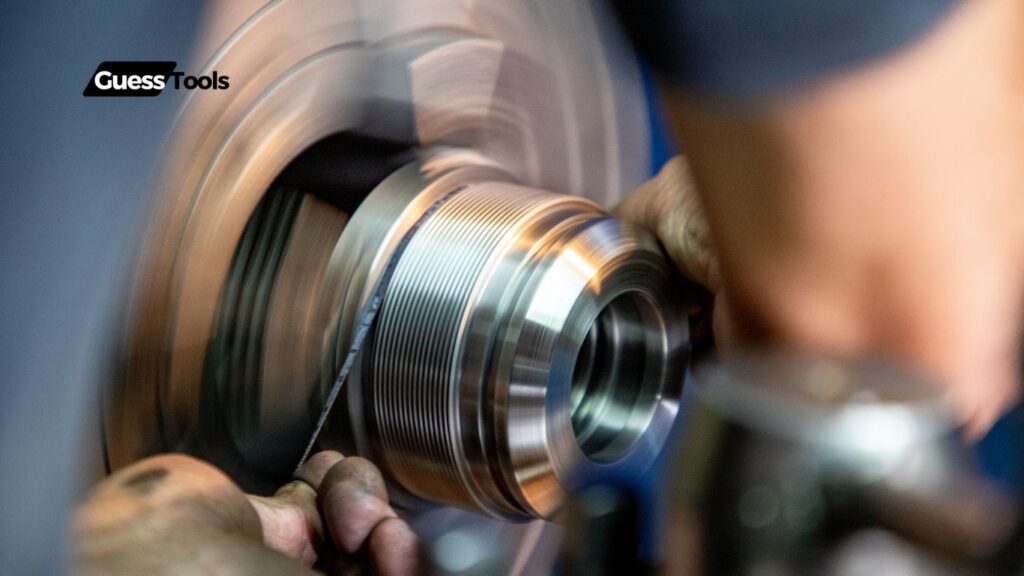
Nel fare una scelta intelligente riguardo agli utensili di filettatura, dobbiamo valutare i nostri requisiti specifici, confrontare potenziali costi e benefici ed esaminare le caratteristiche di qualità. Pensiamo anche a dove acquistare e come fare un investimento saggio.
Come valutare le vostre esigenze di threading
Per iniziare, considera di che tipo o dimensione della filettatura di cui hai bisogno per i tuoi progetti. Stiamo lavorando con tubi o bulloni? È importante saperlo prima di fare una scelta. Strumenti diversi sono adatti a compiti diversi, che si tratti di filettare tubi in PVC o lavorare con viti metalliche.
Successivamente, guarda quanto spesso prevediamo di utilizzare lo strumento. Per un uso intenso e regolare è opportuno investire in una macchina robusta. Per lavori occasionali, uno strumento più semplice potrebbe essere sufficiente.
Infine, considera l'ambiente in cui lavoreremo. I progetti industriali potrebbero aver bisogno di macchine elettriche, mentre gli strumenti di threading a mano potrebbero essere ideali per compiti di piccole dimensioni.
Analisi costi-benefici
Peso i costi rispetto ai benefici. Strumenti costosi spesso portano funzionalità avanzate, come stampi regolabili o design ergonomici, che possono rendere il threading più semplice e più veloce. Tuttavia, queste caratteristiche sono necessarie per le nostre attività specifiche?
Gli strumenti economici potrebbero risparmiare in anticipo, ma potrebbero portare a costi più elevati in seguito a causa di usura, o prestazioni peggiori. Bilanciare il prezzo con la durata e le funzionalità è la chiave per ottenere valore.
Inoltre, considera potenziali costi nascosti. Ciò potrebbe includere manutenzione, parti di sostituzione o formazione specifica necessaria per utilizzare macchine più sofisticate.
Indicatori di qualità
Quando esaminiamo la qualità, il materiale è una priorità assoluta. Cerca strumenti realizzati in lega di alta qualità o acciaio temprato. Questi materiali offrono durata e prestazioni coerenti.
L'affidabilità è un'altra caratteristica fondamentale. Molte recensioni e testimonianze degli utenti su strumenti come Kamation PVC Thread Maker e Ridgid 1224 lodano la loro longevità e facilità d'uso. Il controllo del feedback degli utenti è un modo eccellente per valutare le prestazioni del mondo reale.
Anche gli standard di precisione e sicurezza devono essere controllati. I marchi ben noti di solito sono dotati di certificazioni che assicurano che otteniamo risultati sicuri e precisi.
Dove acquistare
Trovare un luogo affidabile per acquistare è cruciale. Piattaforme online Offri comodità e spesso fornisci una vasta selezione attraverso siti come Amazon o rivenditori di ingegneria specializzati.
Negozi fisici, come i negozi di ferramenta o specializzati, ci consentono di ispezionare fisicamente i prodotti, il che può essere utile per prendere una decisione. Possono anche offrire consigli o dimostrazioni personalizzate.
Per gli strumenti di seconda mano, prestare attenzione. Assicurarsi che non siano eccessivamente usurati o danneggiati. I siti Web o i forum degli strumenti utilizzati in genere hanno utenti più esperti che possono fornire feedback.
Considerazioni sugli investimenti
Prima di finalizzare il nostro acquisto, consideriamo l’investimento a lungo termine. Gli strumenti affidabili possono durare molti anni, rendendoli più convenienti nel tempo. Cerca garanzie o garanzie che diano tranquillità.
Pensa al potenziale valore di rivendita. I marchi di qualità superiore spesso mantengono un buon valore. Se le nostre esigenze cambiano, la vendita di uno strumento ben mantenuto può recuperare i costi.
Infine, rimani informato sui progressi tecnologici. I modelli più recenti possono offrire miglioramenti che potrebbero giustificare un investimento leggermente più elevato ora per risparmi e efficienza futuri.
Conclusione

Abbiamo coperto un bel po 'degli strumenti di threading, no? Guardiamo indietro a ciò che rende questi strumenti così essenziali in vari settori. Dalla creazione fili precisi Nei metalli e nelle materie plastiche per garantire la durata, gli strumenti di threading sono preziosi.
Tipi chiave:
- Discussione: Ideale per thread interni ad alta velocità ed economici. Ottimo per la produzione di massa.
- Fili di fili: Offri flessibilità e precisione, specialmente in materiali più difficili.
Ti chiedi mai perché utilizziamo strumenti diversi per materiali diversi? Si tratta di adattarsi perfettamente e garantire che i fili siano fortemente sotto stress.
Sfide:
Lavorare con materiali più duri come l'acciaio ad alto contenuto di carbonio può essere complicato. Potremmo affrontare la rottura degli utensili e i problemi di sicurezza. Chi lo vuole, giusto?
Soluzioni:
I thread Mills ci danno la flessibilità necessaria per compiti così impegnativi. La loro precisione aiuta a creare fili forti e accurati, anche in forme e dimensioni complesse. Pensa a loro come alla nostra soluzione di riferimento per progetti intricati.
Future Outlook:
Con l'avanzare della tecnologia, gli strumenti di filettatura diventeranno sempre più sofisticati. Con innovazioni come le operazioni CNC, la nostra capacità di creare filettature impeccabili migliorerà. Non è emozionante pensare a dove questa tecnologia potrebbe portarci?
Continuiamo a esplorare e imparare insieme. C'è sempre qualcosa di nuovo all'orizzonte nel mondo del threading.


