

Sisipan pembubut karbida adalah alat kecil namun hebat yang membantu kita membentuk logam dan bahan lain menjadi bagian yang kita perlukan. Ini terspesialisasi alat pemotong terbuat dari tungsten karbida dan dipasang pada alat pemutar pada mesin bubut untuk menghilangkan material dan menciptakan bentuk dan hasil akhir yang presisi. Anda dapat menemukannya di bengkel mesin dan fasilitas manufaktur di mana pun.

Kami senang menggunakan sisipan karbida karena mereka menawarkan perpaduan sempurna antara kekerasan dan daya tahan. Saat Anda bekerja dengan material keras seperti baja atau aluminium, sisipan ini dapat menangani kecepatan dan suhu tinggi sekaligus mempertahankan ketajamannya. Artinya, kami dapat bekerja lebih cepat dan mendapatkan hasil yang lebih baik.
Ingin membuat pemesinan Anda lebih efisien? Sisipan pembubutan karbida tersedia dalam berbagai bentuk dan ukuran untuk disesuaikan dengan berbagai pekerjaan. Baik Anda perlu menghaluskan material dengan cepat atau membuat hasil akhir yang sangat halus, tersedia sisipan yang dirancang untuk tugas spesifik Anda. Mari jelajahi cara memilih yang tepat untuk kebutuhan Anda.
Memahami Konstruksi Sisipan Karbida
Sisipan pembubutan karbida menggabungkan bahan khusus dan geometri presisi untuk menghasilkan alat pemotong yang sangat efektif. Detail konstruksi memberikan perbedaan besar dalam seberapa baik mereka melakukan tugas pemesinan tertentu.
Bahan Inti dan Komposisi
Dasar dari memutar sisipan adalah Tungsten Carbide, senyawa super keras yang memberikan ketahanan aus yang luar biasa. Kami mencampur tungsten karbit bubuk dengan kobalt, yang bertindak sebagai bahan pengikat untuk membuat karbida disemen.
Nilai yang berbeda mengandung jumlah bahan berikut yang bervariasi:
- Kandungan kobalt tinggi (10-15%): Ketangguhan lebih tinggi untuk pemotongan kasar
- Kandungan kobalt rendah (3-6%): Ketahanan aus yang lebih baik untuk pemotongan akhir
Campuran tersebut dikompres dan dipanaskan untuk menghasilkan alat pemotong yang padat dan kuat. Proses ini, yang disebut sintering, menciptakan properti sisipan yang berbeda:
- Kekerasan ekstrim (hingga 90 HRA)
- Konduktivitas termal yang tinggi
- Ketahanan yang kuat terhadap deformasi
Sisipan Dilapisi vs. Tidak Dilapisi
Banyak sisipan modern memiliki lapisan khusus yang meningkatkan kinerjanya. Bahan pelapis yang umum meliputi:
- Titanium nitrida (TiN): Warna emas, performa menyeluruh yang bagus
- Titanium karbonitrida (TiCN): Ketahanan aus yang lebih baik
- Aluminium oksida (Al2O3): Peningkatan ketahanan panas
Sisipan tanpa lapisan cocok untuk:
- Bahan non-ferrous seperti aluminium
- Aplikasi kecepatan lebih rendah
- Saat tajam canggihIni sangat penting
Fitur Desain Utama dan Geometri
Geometri sisipan memainkan peran penting dalam kinerja pemotongan. Pengukuran utama meliputi:
Fitur Dasar:
- Sudut bantuan: Biasanya 0° hingga 20°
- Jari-jari hidung: 0,004″ menjadi 0,125″
- Panjang ujung tombak: Bervariasi berdasarkan aplikasi
Elemen Desain Tingkat Lanjut:
- Chipbreaker untuk mengontrol pembentukan chip
- Persiapan tepi untuk kekuatan
- Masukkan metode penjepit untuk memegang dengan aman
Bentuknya juga mempengaruhi performa. Pilihan umum adalah:
- Berlian (titik 55°)
- Segitiga (60° poin)
- Persegi (sudut 90°)
Jenis dan Klasifikasi

Sisipan pembubutan karbida hadir dalam berbagai bentuk dan desain khusus untuk menangani berbagai tugas pemotongan. Sisipan yang tepat dapat memberikan perbedaan besar pada hasil pemesinan Anda.
Varietas Sisipan Standar
Bentuk sisipan yang umum mencakup geometri berlian, segitiga, persegi, dan bulat. Setiap bentuk melayani kebutuhan pemotongan tertentu:
Berlian (80°)
- Terbaik untuk penyelesaian yang presisi
- Bagus untuk operasi threading
- Memberikan kontrol chip yang baik
Segitiga (60°)
- Ekonomis – 3 tepi tajam
- Ujung tombak yang kuat
- Bekerja dengan baik untuk putaran umum
Persegi (90°)
- 4 ujung tombak yang dapat digunakan
- Cocok untuk pekerjaan seadanya yang berat
- Stabil dalam kondisi sulit
Desain Pemecah Chip
Pola pemecah chip pada sisipan Anda memengaruhi aliran chip logam selama pemotongan. Kami melihat tipe umum berikut:
- Pemecah chip ringan untuk pemotongan akhir
- Pemutus chip sedang untuk pekerjaan tujuan umum
- Pemecah chip yang berat untuk pemotongan kasar
Sisipan modern menggunakan geometri khusus untuk mengontrol pembentukan chip. Alur kecil dan area yang ditinggikan mengarahkan serpihan menjauh dari zona pemotongan.
Jenis Sisipan Khusus untuk Aplikasi Tertentu
Bahan dan pengoperasian yang berbeda memerlukan desain sisipan khusus:
Sisipan Threading
- Titik tajam untuk bentuk benang yang presisi
- Profil khusus sesuai dengan standar benang
- Tersedia dalam tipe profil penuh dan sebagian
Sisipan Alur
- Tepi tajam sempit untuk slot/alur
- Dukungan ekstra mencegah defleksi
- Tersedia dalam berbagai lebar
Sisipan yang Membosankan
- Fitur anti getar
- Kemampuan jangkauan jauh
- Alur kontrol chip internal
Manfaat Kinerja
Sisipan pembubutan karbida memberi Anda keuntungan besar dalam masa pakai alat, Kecepatan pemotongan, dan kualitas bagian jadi. Mari kita lihat apa yang menjadikan mereka berkinerja sangat baik dalam operasi pemesinan.
Perbandingan dengan Alat HSS
Sisipan karbida bertahan 3-5 kali lebih lama dibandingkan perkakas baja berkecepatan tinggi (HSS) bila digunakan dengan benar. Kekerasan karbida yang ekstrim berarti lebih sedikit keausan selama pemotongan.
Kami menemukan bahwa karbida tetap mempertahankan ketajamannya bahkan setelah digunakan terus-menerus selama berjam-jam. Ini berarti lebih sedikit perubahan alat dan lebih sedikit waktu henti untuk toko Anda.
Keuntungan utama dibandingkan HSS:
- Kecepatan potong 2-3x lebih tinggi
- Ketahanan panas yang lebih baik hingga 800°C
- Penggantian yang lebih jarang diperlukan
- Performa pemotongan lebih konsisten
Dampak terhadap Kecepatan dan Efisiensi Pemesinan
Anda dapat menjalankan sisipan karbida dengan kecepatan pemotongan hingga 1000 kaki permukaan per menit (SFM) pada banyak material. Ini jauh lebih cepat dibandingkan alat HSS tradisional.
Ketahanan panas karbida memungkinkan Anda mempertahankannya kecepatan tinggi without damaging the cutting edge. Your cycle times drop significantly.
Productivity gains:
- 40-60% faster machining speeds
- Less time spent changing worn tools
- More parts produced per shift
- Biaya lebih rendah per bagian
Surface Finish Quality Improvements
The rigid cutting edge of carbide produces consistently smooth surface finishes. Parts often need minimal secondary finishing.
We regularly achieve surface roughness values below 32 microinches with carbide inserts. The precise geometry stays intact longer than HSS.
Finish quality benefits:
- Smoother surfaces right off the machine
- Kualitas komponen lebih konsisten
- Reduced need for finish passes
- Lebih baik akurasi dimensi
Selecting the Right Carbide Insert

Memilih sisipan karbida yang sempurna memerlukan pertimbangan cermat terhadap bahan, aplikasi, spesifikasi, dan anggaran. Kita harus mencocokkan elemen-elemen kunci ini untuk mendapatkan performa pemotongan dan masa pakai alat yang optimal.
Pertimbangan materi
Material benda kerja Anda mendorong banyak keputusan pemilihan sisipan. Bahan yang berbeda memerlukan kadar dan pelapis karbida tertentu.
Pertandingan Material Umum:
- Bahan lunak (aluminium, kuningan): Tepi tajam, permukaan dipoles
- Bahan sedang (baja karbon): Nilai untuk keperluan umum
- Bahan keras (>45 HRC): Nilai karbida tangguh dengan lapisan tahan aus
Kekerasan material mempengaruhi kecepatan pemotongan dan laju pemakanan. Material yang lebih keras membutuhkan kecepatan yang lebih lambat dan sisipan yang lebih keras.
Faktor Khusus Aplikasi
Ukuran sisipan penting untuk stabilitas. Sisipan yang lebih besar (>25mm) bekerja lebih baik untuk pemotongan berat.
Faktor Aplikasi Utama:
- Kedalaman pemotongan diperlukan
- Persyaratan penyelesaian permukaan
- Volume produksi
- Stabilitas mesin
- Kompatibilitas pemegang alat
Cocokkan geometri sisipan dengan operasi Anda. Sudut penggaruk positif bekerja dengan baik untuk finishing, sedangkan penggaruk negatif membantu dalam pengasaran.
Memahami Sistem Pengodean Sisipkan
Kode ISO memberi tahu kami detail sisipan yang penting. Sistem pengkodean menggunakan huruf dan angka untuk menentukan:
- Sisipkan bentuk
- Sudut bantuan
- Toleransi ukuran
- Desain canggih
Contoh: CNMG 120404 dipecah menjadi:
- C = bentuk berlian 80°
- N = sudut relief 0°
- M = Toleransi sedang
- G = Gaya pemecah chip
Pertimbangan Biaya
Harga bukanlah segalanya. Pikirkan tentang total biaya per bagian.
Faktor Nilai:
- Kehidupan alat
- Kecepatan potong mungkin
- Jumlah ujung tombak
- Perubahan seiring berjalannya waktu
- Pengurangan sisa
Sisipan yang lebih mahal mungkin menghemat uang melalui kecepatan pemotongan yang lebih cepat atau masa pakai yang lebih lama. Lacak kinerja untuk mengoptimalkan pilihan Anda.
Pertimbangkan set starter dengan ukuran dan nilai populer untuk menguji mana yang paling sesuai untuk aplikasi Anda.
Mengoptimalkan Parameter Pemesinan

Mendapatkan parameter pemesinan yang tepat sangat penting untuk pemotongan yang berkualitas dan lebih lama Kehidupan alat. Mari kita jelajahi faktor-faktor utama yang memengaruhi kinerja sisipan karbida dan pelajari strategi yang telah terbukti untuk mengoptimalkannya.
Parameter Kritis
Milikmu laju umpan Dan kecepatan pemotongan memainkan peran terbesar dalam keberhasilan operasi pembubutan. Kami merekomendasikan memulai dengan rentang dasar berikut:
- Kecepatan umpan: 0,004-0,012 inci per putaran untuk penyelesaian akhir
- Kecepatan potong: 600-1000 kaki permukaan per menit untuk sebagian besar material
- Kedalaman pemotongan: 0,020-0,250 inci tergantung pada jenis pengoperasian
The material you’re cutting affects these values significantly. Harder materials need slower speeds and lighter feeds.
Performance Impact Statistics
Proper parameter optimization can improve your results dramatically:
- Tool life increases 25-40% with correct speed settings
- Surface finish quality improves up to 60%
- Productivity gains of 15-30% are common
Poor parameter choices lead to:
- 50% reduction in insert life
- 35% more machine downtime
- 25% higher operating costs
Common Optimization Strategies
Start with these proven approaches to dial in your parameters:
Speed Adjustment Process:
- Begin at 70% of recommended speeds
- Increase gradually while monitoring wear
- Stop at first signs of degradation
Feed Rate Tips:
- Match feed to insert nose radius
- Increase feeds on stable setups
- Reduce when vibration occurs
Kami telah menemukan kombinasi arah pemotongan yang tepat dan optimal kedalaman potongan mengurangi kekuatan sebesar 20-30%. Pantau kondisi pemesinan Anda dengan cermat dan sesuaikan saat Anda melihat keausan pahat semakin cepat.
Ingatlah untuk memeriksa kekakuan – pengaturan yang longgar memerlukan pengurangan parameter. Pengaturan yang kaku memungkinkan Anda mendorong lebih keras dengan tetap menjaga akurasi.
Aplikasi di Seluruh Industri
Sisipan pembubutan karbida berfungsi sebagai alat penting di banyak sektor manufaktur. Ketahanan panas dan daya tahannya yang luar biasa menjadikannya sempurna pemesinan berkecepatan tinggi operasi.
Aplikasi Otomotif
Kami melihat sisipan pembubutan karbida digunakan secara luas dalam manufaktur otomotif untuk menciptakan komponen mesin yang presisi. Mereka unggul dalam pemesinan blok mesin, poros engkol, dan suku cadang transmisi.
Sisipan ini membantu produksi kepala silinder Dan rotor rem dengan permukaan akhir yang luar biasa. Ketahanan aus yang tinggi menjadikannya ideal untuk produksi besar.
Aplikasi otomotif utama meliputi:
- Operasi membosankan blok mesin
- Pembubutan jurnal poros engkol
- Pemesinan cakram rem
- Produksi poros transmisi
Penggunaan Dirgantara
Industri dirgantara mengandalkan sisipan pembubutan karbida untuk pemesinan paduan khusus dan komponen titanium. Kami menganggapnya penting untuk membuat bagian turbin dan komponen roda pendaratan.
Alat-alat ini mempertahankan keunggulannya saat bekerja dengan:
- Superalloy tahan panas
- Paduan Titanium
- Komponen badan pesawat aluminium
Sisipan’ stabilitas membantu mencapai toleransi ketat yang diperlukan untuk suku cadang pesawat. Umur alat yang panjang mengurangi biaya produksi material luar angkasa yang mahal.
Manufaktur Umum
Dalam manufaktur umum, kami menggunakan sisipan pembubutan karbida untuk berbagai operasi pemesinan. Mereka bekerja dengan baik pada benda kerja berdiameter kecil dan besar.
Aplikasi umum meliputi:
- Poros berputar dan menghadap
- Operasi penguliran
- Pemotongan alur
- Pembalikan profil
Sisipan’ keserbagunaannya menjadikannya cocok untuk pekerjaan seadanya dan penyelesaian akhir. Pola keausannya yang dapat diprediksi membantu menjaga kualitas komponen tetap konsisten.
Aplikasi Industri Khusus
Kami menemukan aplikasi unik untuk sisipan pembubutan karbida di industri khusus seperti manufaktur perangkat medis dan produksi energi.
Alat-alat ini unggul dalam:
- Produksi implan medis
- Pemesinan komponen minyak dan gas
- Bagian peralatan pembangkit listrik
- Pembuatan alat dan cetakan
Kemampuannya untuk menjaga toleransi yang ketat menjadikannya sempurna untuk menciptakan instrumen medis yang presisi. Ketahanan panas yang tinggi membantu saat mengerjakan material keras yang digunakan dalam komponen pembangkit listrik.
Analisis biaya-manfaat

Membuat pilihan cerdas mengenai sisipan pembubutan karbida memerlukan pertimbangan cermat baik dari biaya jangka pendek maupun nilai jangka panjang. Sisipan yang tepat dapat menghemat ribuan dolar seiring waktu melalui pengurangan Perubahan Alat Dan peningkatan kinerja pemotongan.
Pertimbangan Investasi Awal
Biaya awal untuk sisipan pembubutan karbida lebih tinggi dibandingkan alat pemotong tradisional. Satu sisipan biasanya berharga antara $15-50, sedangkan sistem pemegang alat lengkap berkisar antara $200-500.
Tingkat material mempengaruhi harga secara signifikan:
- Karbida dasar: $15-25 per sisipan
- Karbida berlapis: $25-40 per sisipan
- Nilai premium: $40-60 per sisipan
Kami menemukan bahwa operasi manufaktur yang lebih besar bisa mendapatkan keuntungan dari diskon harga massal sebesar 10-25% saat membeli set sisipan.
Nilai karbida berkualitas dari produsen terkemuka memberikan nilai yang lebih baik meskipun biaya awal lebih tinggi. Alternatif yang lebih murah sering kali menyebabkan kinerja tidak konsisten dan umur alat lebih pendek.
Penghematan Biaya Jangka Panjang
Sisipan karbida biasanya bertahan 2-3 kali lebih lama dibandingkan perkakas baja berkecepatan tinggi jika digunakan dengan benar. Masa pakai yang lebih lama ini mengurangi frekuensi penggantian dan biaya tenaga kerja terkait.
Kebanyakan sisipan memiliki beberapa tepi tajam yang dapat diindeks ketika salah satu sisinya aus. Sisipan persegi menyediakan 4 tepi tajam, yang secara efektif membagi biaya per tepi dengan 4.
Mari kita uraikan penghematannya:
- Pengurangan 75% dalam penggantian alat
- 50% lebih sedikit waktu henti mesin
- 30% lebih rendah biaya perkakas tahunan
Peningkatan Produktivitas
Sisipan karbida modern memungkinkan kecepatan pemotongan lebih cepat – seringkali 2-3x lebih cepat dibandingkan alat tradisional. Peningkatan kecepatan ini secara langsung meningkatkan hasil produksi.
Ketahanan panas karbida memungkinkan pemesinan terus menerus tanpa seringnya penghentian pendinginan. Kami melihat peningkatan produktivitas secara umum sebesar:
- 40% tingkat pemberian pakan yang lebih tinggi
- 60% peningkatan tingkat pemindahan material
- Pengurangan waktu siklus sebesar 25%.
Peningkatan ini berarti lebih banyak suku cadang yang diproduksi per shift dengan peralatan dan tenaga kerja yang sama.
Perhitungan ROI
Analisis ROI pada umumnya menunjukkan sisipan karbida membayar sendiri dalam waktu 3-6 bulan melalui peningkatan efisiensi.
Contoh perhitungan tabungan bulanan:
- Pengurangan perubahan alat: $300
- Biaya waktu henti yang lebih rendah: $500
- Peningkatan produksi: $1.200
- Total manfaat bulanan: $2,000
Investasi awal pada perkakas karbida berkualitas seringkali menghasilkan 3-4x harga pembelian dalam tahun pertama penggunaan.
Pemeliharaan dan Praktik Terbaik
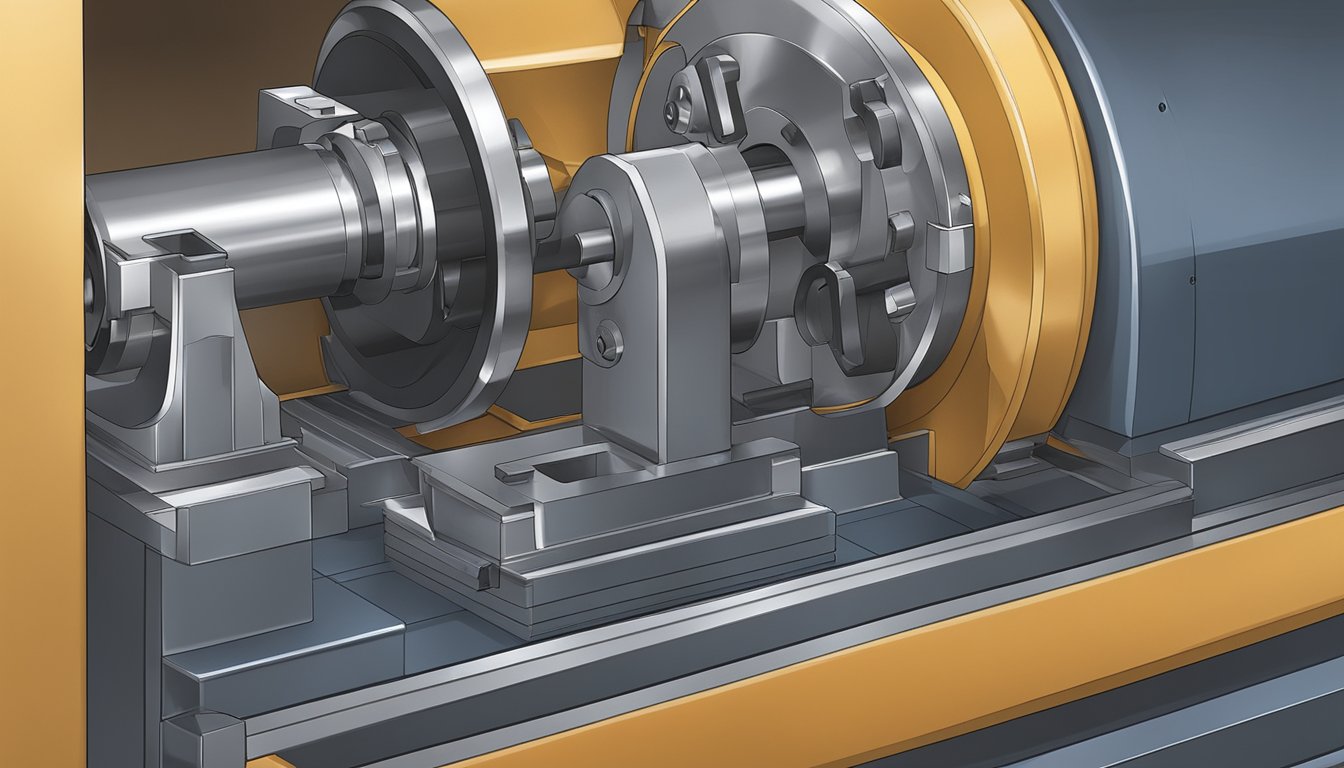
Merawat sisipan pembubutan karbida dengan baik akan membantu sisipan tersebut bertahan lebih lama dan bekerja lebih baik. Perawatan rutin dan penanganan yang tepat akan memberikan perbedaan besar pada kualitas pemesinan dan masa pakai alat.
Penanganan dan Penyimpanan yang Benar
Simpan sisipan Anda dalam kemasan aslinya atau tempat penyimpanan khusus. Kondisi bersih dan kering mencegah karat dan kerusakan.
Jangan pernah menyentuh ujung tombak dengan tangan kosong – minyak dari kulit Anda dapat menyebabkan masalah. Gunakan pinset atau kenakan sarung tangan saat menangani sisipan.
Simpan sisipan jauh dari kelembapan dan suhu ekstrem. Lemari perkakas khusus dengan kompartemen terpisah berfungsi dengan baik.
Labeli wadah penyimpanan dengan jelas beserta spesifikasi sisipannya. Pengorganisasian yang baik menghemat waktu dan mencegah campur aduk.
Pemantauan Keausan
Periksa sisipan sebelum digunakan tanda-tanda keausan atau kerusakan. Mencari:
- Tepi terkelupas atau retak
- Tidak biasa pola pakai
- Material yang menumpuk pada permukaan pemotongan
- Bintik-bintik kusam atau perubahan warna
Ambil foto pola keausan untuk melacak kinerja sisipan dari waktu ke waktu. Ini membantu memprediksi kapan penggantian diperlukan.
Gunakan kaca pembesar atau mikroskop untuk pemeriksaan detail. Cacat kecil dapat menyebabkan masalah besar jika diabaikan.
Waktu Penggantian
Ganti sisipan sebelum mereka gagal total. Mendorong perkakas yang aus terlalu jauh akan mengakibatkan pemotongan yang buruk dan kerusakan pada benda kerja.
Kebanyakan masinis mengganti sisipan setelah:
- 2-4 jam pemotongan terus menerus
- Keausan tepi yang terlihat melebihi 0,3 mm
- Kualitas permukaan akhir menurun
- Kekuatan pemotongan meningkat secara nyata
Siapkan sisipan cadangan untuk meminimalkan waktu henti. Rencanakan perubahan sisipan selama jeda alami dalam produksi.
Memecahkan masalah masalah umum
Permukaan akhir yang buruk? Periksa Anda aliran pendingin dan konsentrasi. Cairan pendingin yang bersih membantu sisipan dipotong lebih baik dan bertahan lebih lama.
Jika sering memasukkan chip:
- Kurangi kecepatan potong
- Periksa kekerasan benda kerja
- Verifikasi bahan pencocokan nilai sisipan
- Pastikan pegangan alat kokoh
Keausan yang tidak merata dapat menyebabkan masalah kesejajaran. Periksa kembali pengaturan Anda dan pastikan semuanya sudah kencang.
Ubah parameter pemotongan secara bertahap saat menguji solusi. Penyesuaian kecil sering kali menyelesaikan masalah besar.
Tren dan inovasi masa depan
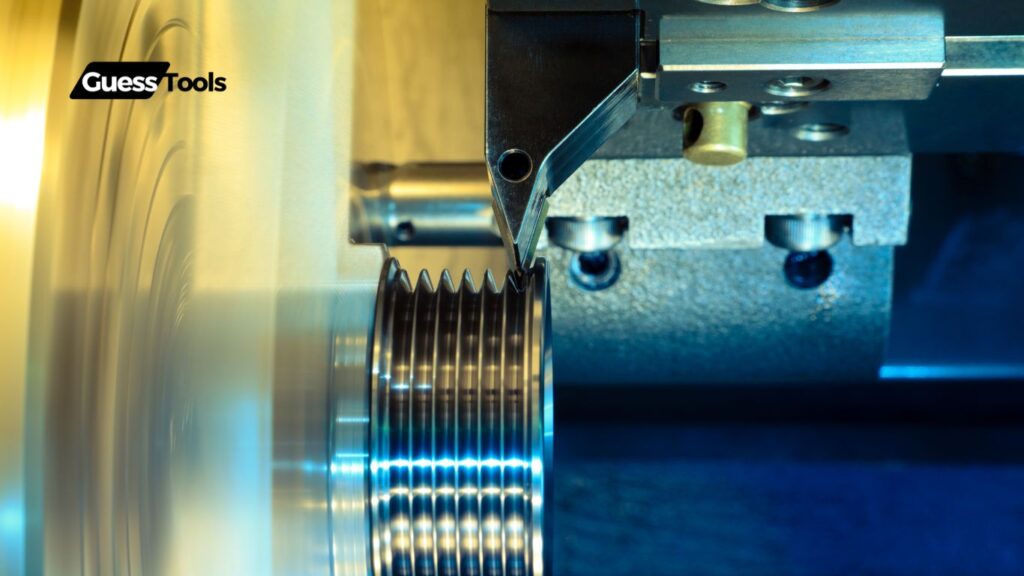
Perkembangan baru pada sisipan pembubutan karbida berfokus pada peningkatan kinerja, memperpanjang masa pakai alat, dan meningkatkan efisiensi pemesinan. Manufaktur cerdas dan materi tingkat lanjut sedang membentuk kembali cara kerja alat ini.
Teknologi Pelapisan Terbaru
Kami melihat kemajuan menarik dalam pelapisan multi-lapis yang menggabungkan berbagai bahan untuk kinerja yang lebih baik. Metode pelapisan PVD dan CVD baru menciptakan lapisan pelindung ultra-tipis yang tahan terhadap keausan dan panas.
Pelapis modern ini memungkinkan kami melakukan pengerjaan dengan kecepatan lebih tinggi tanpa merusak sisipan. Beberapa pelapis kini menyertakan bahan nano yang membuat permukaan ekstra halus dan tahan lama.
Peningkatan pelapisan utama:
- Aluminium kromium nitrida (AlCrN) untuk stabilitas suhu tinggi
- Karbon seperti berlian (DLC) untuk gesekan berkurang
- Titanium aluminium nitrida (TiAlN) dengan sifat beradaptasi sendiri
Geometri Tingkat Lanjut
Bentuk sisipan menjadi lebih presisi berkat metode produksi yang lebih baik. Sekarang kita dapat membuat pemecah chip kompleks yang mengontrol chip logam dengan lebih efektif.
Tepi tajamnya memiliki tekstur mikro yang membantu mengurangi gesekan dan panas. Beberapa desain baru menyertakan saluran khusus untuk aliran cairan pendingin yang lebih baik langsung ke zona pemotongan.
Fitur geometri populer:
- Sudut penggaruk positif untuk potongan yang lebih halus
- Geometri wiper untuk penyelesaian permukaan yang lebih baik
- Tepi tajam yang diperkuat untuk umur yang lebih panjang
Aplikasi yang Muncul
Sensor cerdas yang terpasang pada dudukan sisipan baru melacak gaya pemotongan dan suhu secara real-time. Hal ini membantu mencegah kerusakan alat dan memastikan kualitas yang konsisten.
Sistem AI kini menyarankan parameter pemotongan terbaik berdasarkan material dan kondisi. Kami lebih banyak menggunakan sisipan ini dalam manufaktur hibrid, yang menggabungkan pemotongan tradisional dengan metode baru.
Area aplikasi yang berkembang:
- Komposit luar angkasa
- Bahan implan medis
- Manufaktur ramah lingkungan dengan pendingin minimal
- Superalloy yang sulit dikerjakan dengan mesin


