

When it comes to creating threads in metal parts, machinists often face a choice: Penggilingan benang or tapping? Each method has its place in the workshop, and knowing when to use which can save time and money. Thread milling uses a rotating cutting tool that moves in a helical path to cut threads, while tapping uses a tool shaped like the thread to cut directly into the material as it turns.

We find that tapping is generally faster than thread milling, making it ideal for high-volume production or when you need to create many threads quickly. This speed advantage is especially noticeable with smaller or deeper threads. However, thread milling creates smoother, more even threads and works better for harder materials like titanium or Inconel where taps might break.
Your material choice matters too! For softer materials or when you need to make lots of identical threads, tapping is often the way to go. But if you’re working with expensive parts where a broken tap would be costly, thread milling offers more security. We’ve seen many shops switch to thread milling for critical components despite the slightly longer machining time.
Thread Milling vs Tapping: Core Technology Differences
Thread milling and tapping represent two distinct approaches to creating internal threads in machined parts. Each method uses different mechanical principles and tooling requirements, which impact their suitability for various manufacturing scenarios.
How Each Process Works Mechanically
Tapping works through a direct cutting action. The tap, which resembles a threaded bolt with cutting edges, is rotated and pushed into a pre-drilled hole. As it turns, the tap cuts material in a continuous spiral motion, forming threads in a single operation. Taps come in various styles including Plug Taps, ketukan bottoming, Dan cut taps, each designed for specific applications.
Thread milling, on the other hand, uses a rotating milling cutter that moves in a helical path. The pabrik benang has cutting teeth around its circumference and makes a circular interpolation motion while gradually moving deeper into the hole. This creates threads through multiple passes rather than a single cutting action.
The key difference? Tapping cuts all threads simultaneously while thread milling creates threads progressively through a coordinated movement of the tool both circularly and along the axis.
Equipment and Tooling Requirements
For tapping operations, you’ll need:
- A tap of appropriate size and style
- A drill for creating the pilot hole
- Either a tapping machine, CNC mill with tapping cycle, or hand tapping equipment
- Lubricant specific to the material being tapped
Tapping can be performed on simpler machinery, including manual methods, though CNC milling centers provide the best precision and control.
Thread milling requires:
- A CNC mill with helical interpolation capability
- Thread mill cutters (which can create different thread sizes)
- More complex programming
- Proper workholding to prevent vibration
Thread milling is exclusively a CNC operation, requiring more sophisticated machinery and programming knowledge. However, the benefit is that a single thread mill can often produce multiple thread sizes, unlike taps which are size-specific.
Perbandingan visual
When comparing the processes visually, you’ll notice significant differences:
Tool Appearance:
- Keran: Look like threaded bolts with flutes cut into them
- Pabrik Benang: Resemble end mills with special teeth patterns around the circumference
Process Motion:
| Process | Tool Rotation | Feed Motion | Thread Formation |
|---|---|---|---|
| Tapping | Single axis | Linear | Continuous |
| Penggilingan benang | Multiple axes | Spiral | Progressive |
Thread Quality Indicators:
- Tapped threads typically show more uniform cutting marks
- Milled threads often display a subtle spiral pattern from the helical tool path
We can see the difference in action when watching the cutting process. Tapping creates chips that flow up through the tap’s flutes, while thread milling produces smaller chips as the cutter progressively forms the thread profile.
Speed, Efficiency, and Production Considerations

When choosing between thread milling and tapping, understanding their speed differences and efficiency factors can significantly impact your production outcomes. These methods have distinct advantages depending on your specific manufacturing needs.
Comparative Analysis of Production Times
Thread milling and tapping have different speed profiles that might surprise you. Contrary to some claims, tapping is generally faster than thread milling for single-hole operations. Why? A tap creates a complete thread in one continuous motion, while thread milling requires the tool to follow a helical path to cut the threads.
In our experience, tapping can complete a standard thread in about 3-8 seconds, while thread milling might take 10-15 seconds for the same operation. This difference becomes more noticeable when dealing with smaller thread sizes.
However, the speed comparison isn’t that simple. When working with larger thread diameters (over 1″), thread milling can actually be faster because tapping would require significantly more torque and slower Kecepatan pemotongan.
Batch Size Considerations
Are you running a small batch or large production? This question dramatically affects which method is more efficient.
Untuk small batches with varied thread sizes, thread milling shines. Why? Because one thread mill can create multiple thread sizes and types, eliminating Perubahan Alat. This versatility reduces overall cycle times by up to 30% in mixed-size production runs.
Untuk large batches of identical threads, tapping often wins the efficiency race. With optimum cutting parameters established, tapping’s simpler operation means less programming time and faster per-hole completion.
Berikut perbandingan singkatnya:
| Batch Type | Better Option | Mengapa |
|---|---|---|
| Small/Mixed | Penggilingan benang | Versatility, fewer tool changes |
| Large/Identical | Tapping | Faster per-hole time, simpler setup |
Setup Time Differences
Kami menemukan itu setup time often gets overlooked when comparing these methods, but it can make or break your efficiency.
Thread milling requires more complex programming and typically needs longer setup times to establish the helical tool paths. You’ll need to carefully program feed rates and cutting speeds for optimal results. However, this investment pays off through flexibility.
Tapping setup is more straightforward—usually just programming depth and speed. But don’t forget about the potential headaches! Broken taps can cause significant downtime, sometimes requiring EDM to remove.
Are you frequently changing thread specifications? Thread milling setup becomes more efficient over time, as you can often use the same tool with modified programming rather than switching to entirely different taps.
Material Compatibility and Thread Quality

Choosing between thread milling and tapping often comes down to the material you’re working with and the quality of threads you need. Both methods have their sweet spots when it comes to different metals and applications.
Which Materials Work Best
Thread milling excels with harder materials like Titanium, stainless steel, and Inconel. We’ve found it works particularly well when machining these tough metals because the cutting action distributes forces more evenly than tapping.
Does your material chip easily? Thread milling might be your answer. The intermittent cutting action prevents chip buildup that can break taps in blind holes.
Tapping, on the other hand, shines with softer materials like aluminum, brass, and mild steel. It’s faster and more economical for these materials, especially for high-volume production.
Berikut perbandingan singkatnya:
| Bahan | Penggilingan benang | Tapping |
|---|---|---|
| Aluminium | Bagus | Bagus sekali |
| Baja tahan karat | Bagus sekali | Bagus |
| Titanium | Bagus sekali | Adil |
| Inconel | Bagus sekali | Miskin |
| Besi cor | Bagus | Bagus |
Impact on Thread Finish and Precision
Kapan tight tolerance thread milling is required, thread mills often deliver superior results. They create clean, consistent thread form with excellent surface finish.
Thread milling leaves minimal burrs and creates smoother threaded holes. This is especially important for precision threads in aerospace or medical applications.
Do you need metric threads or unusual pipe threads? Thread milling handles non-standard thread sizes and pitches with ease, as it’s programmed rather than form-bound like taps.
Tapping can sometimes struggle with maintaining consistent quality in deeper holes. The deeper you go, the more friction builds up, potentially affecting the kualitas utas.
Saat bekerja dengan through holes melawan blind holes, thread milling offers advantages for blind holes by allowing better chip evacuation and reducing the risk of broken tools.
Strength and Durability of Resulting Threads
The threads created by both methods have different strength characteristics. Tapping tends to work-harden materials slightly, which can increase thread strength in some applications.
Thread milled utas eksternal often show better load distribution properties. This is because the cutting process creates less stress on the material compared to tapping’s pushing action.
Right-handed threads are standard for both methods, but thread milling makes left-handed threads just as easily. This versatility is valuable for specialized applications.
Untuk aplikasi yang membutuhkan clean cuts and durability, karbit tools are available for both methods. However, thread mills with karbit inserts typically last longer in abrasive materials.
Sudahkah Anda mempertimbangkan hole size requirements? Thread milling requires a slightly larger starting hole than tapping, which might affect your design considerations for thin-walled components.
Cost Analysis: Initial Investment vs. Long-Term Value

When comparing thread milling and tapping, understanding the financial implications can help you make the right choice for your specific needs. The true cost goes beyond just the initial price tag of tools.
Breakdown of Tooling Costs
Thread milling tools typically require a higher upfront investment. A quality thread mill can cost anywhere from $50-200 depending on size and coating, while taps generally range from $15-100 for similar applications.
Why the price difference? Thread mills are more complex to manufacture, often featuring multiple memotong tepi and specialized geometries. They also frequently come with premium coatings to extend Kehidupan alat.
However, don’t let the initial price scare you away! Thread mills can often create multiple thread sizes and pitches with a single tool, unlike taps which are specific to one thread configuration.
Typical Starting Costs:
- Basic thread mill set: $300-600
- Basic tapping set: $100-300
Tool Life Comparison
We’ve found that tool life significantly impacts your overall machining costs. Thread mills typically last 2-3 times longer than taps when used properly in appropriate materials.
Why such a difference? Thread mills distribute wear across multiple cutting edges, reducing the stress on any single edge. This distribution helps prevent catastrophic tool breakage, which is more common with taps.
In our tests with aluminum components, a single thread mill completed over 5,000 threads before showing signs of wear, while comparable taps needed replacement after 1,500-2,000 holes.
Tool life factors to consider:
- Kekerasan material
- Thread depth
- Cutting speeds
- Coolant effectiveness
ROI Calculation Framework
How do you determine which process offers better value? We recommend analyzing the total cost per thread using this simple formula:
Total Cost = (Tool Cost ÷ Number of Threads) + (Machine Time × Hourly Rate)
For example, if a $150 thread mill produces 4,000 threads before replacement, your tool cost per thread is just $0.0375. Compare this to a $40 tap that lasts 1,000 threads ($0.04 per thread).
Don’t forget to factor in machine time differences! While tapping may be faster for simple, low-volume work, thread milling often wins for complex parts or harder materials.
We also suggest tracking tool breakage incidents. Each tap breakage isn’t just the cost of the tool—it often means scrapped parts and downtime for removal. Thread mills rarely have catastrophic failures that damage workpieces.
Decision Framework: When to Choose Each Method

Choosing between thread milling and tapping isn’t a one-size-fits-all decision. The right method depends on your specific project needs, materials, production volume, and thread requirements.
Application-Specific Decision Tree
When deciding between thread milling and tapping, ask yourself these key questions:
Do you need thread flexibility?
- Choose Penggilingan benang if you need to create multiple thread sizes with one tool
- Choose tapping if you’re making many identical threads
Is part value high?
- Choose Penggilingan benang for expensive workpieces where a broken tap could ruin the part
- Choose tapping for lower-value parts where speed matters more than risk
Do you have thin walls?
- Choose Penggilingan benang as it exerts less radial pressure on the workpiece
- Choose tapping for sturdy parts that can handle the cutting forces
Is thread depth critical?
- Choose Penggilingan benang for precise depth control
- Choose tapping for standard depth applications
Pertimbangan volume
Production volume plays a huge role in your method selection.
Untuk Produksi volume tinggi, tapping typically offers faster cycle times. A tap can create a complete thread in one operation, while thread milling requires a circular interpolation path that takes longer.
Untuk low to medium volumes, thread milling’s flexibility often outweighs its speed disadvantage. You can create different thread sizes with a single tool, reducing setup time and tool inventory.
Batch size matters too! If you’re constantly switching between different thread specifications, thread milling reduces the need for tool changes. This can actually make it faster overall for varied production runs.
Material-Based Selection Criteria
The workpiece material often determines your optimal threading method:
| Jenis material | Recommended Method | Reasoning |
|---|---|---|
| Hard materials (>35 HRC) | Thread milling | Less torque, reduced tool breakage |
| Soft aluminum alloys | Tapping | Faster, efficient chip evacuation |
| Baja tahan karat | Thread milling | Reduced work hardening, better finish |
| Besi cor | Either method | Both work well with proper speeds/feeds |
Untuk gummy materials like certain baja tahan karats and super alloys, thread milling usually performs better since it creates smaller chips that don’t bind up the tool.
Saat bekerja dengan bahan abrasif, thread milling’s ability to use carbide tools (more wear-resistant than tap steels) gives it an advantage.
Thread Size and Complexity Factors
Thread specifications significantly impact your method choice:
For small threads (under 1/4″ or M6):
- Tapping is often preferred due to the fragility of small thread mills
- Exception: blind holes where thread milling reduces risk of tap breakage
For large threads (over 1″ or M24):
- Thread milling reduces torque requirements
- Lower tool costs compared to large taps
Thread depth matters too! For depths greater than 3× diameter, thread milling becomes advantageous. It creates less heat and offers better chip evacuation in deep holes.
Complex thread forms like buttress or custom pitches almost always favor thread milling, as specialty taps are expensive and have long lead times.
Real-World Applications and Case Studies
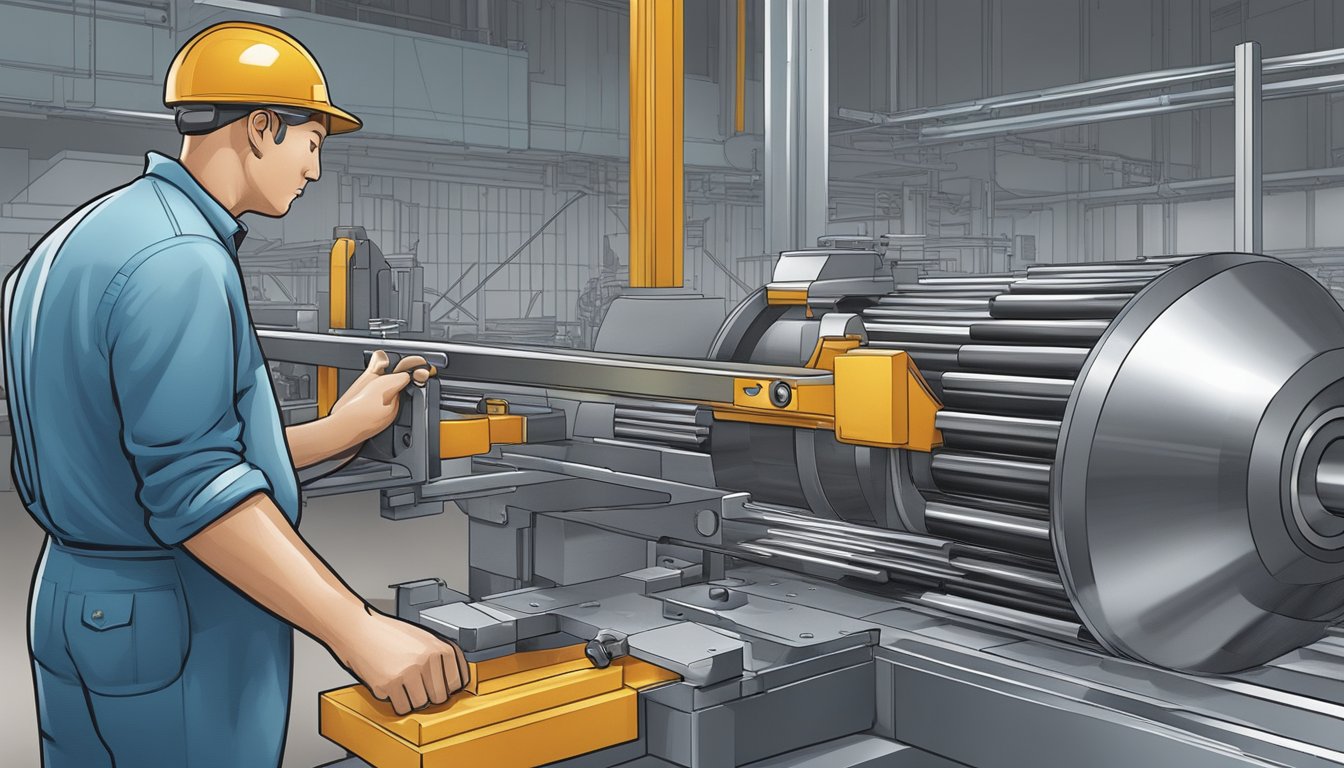
Looking at how thread milling and tapping perform in actual workshops reveals valuable insights for anyone choosing between these methods. The differences become clear when we examine specific industries and real challenges machinists face.
Industry-Specific Examples
Di dalam aerospace manufacturing, thread milling dominates when working with expensive titanium components. We’ve seen major aircraft manufacturers switch to thread milling for engine components because a broken tap in a $50,000 part isn’t just inconvenient—it’s catastrophic.
Itu medical device industry relies heavily on thread milling for surgical implants. Why? These small, precise threads in titanium and stainless steel need perfect finishes without contamination.
Untuk automotive production, tapping still rules in high-volume operations. A major engine manufacturer we spoke with processes over 10,000 threaded holes daily using specialized tapping centers. The speed advantage makes tapping the clear winner here.
Di dalam precision hydraulic components, thread milling proves essential for creating tapered pipe threads in valve bodies, where taps would struggle with the complex geometry.
Problem-Solving Scenarios
Have you ever dealt with blind holes in bahan yang dikeraskan? This is where thread milling shines. A tool manufacturer in Michigan faced this exact challenge with hardened steel components (52 HRC). Their taps kept breaking, causing expensive scrap. Switching to thread milling eliminated breakage completely.
What about thin-walled parts? A sheet metal fabricator we interviewed switched to thread milling for aluminum electronics enclosures. The reduced cutting forces prevented wall deformation they experienced with tapping.
Kapan interrupted threads come into play, like those with cross-holes or slots, thread milling becomes the hero. A pump manufacturer solved persistent tap breakage issues by switching to thread milling for their cast iron housings with cross-drilled oil channels.
Success Stories from Each Approach
A CNC job shop in Texas improved throughput by 35% on an aerospace contract by using thread mills on their existing machining centers. This eliminated the need for a dedicated tapping machine and reduced setup time between different thread sizes.
We visited a hydraulic component maker who mastered high-speed synchronous tapping. By investing in rigid toolholders and quality taps, they achieve 4,000+ threads per tap in aluminum. Their cost per thread is just $0.03 compared to $0.09 with thread milling.
Sebuah automotive supplier created a hybrid approach for their transmission components. They use tapping for high-volume standard threads but switch to thread milling for the critical sealing threads. This smart strategy maximizes efficiency while maintaining quality where it matters most.
Even small shops find success stories. A two-person operation specializing in custom motorcycle parts uses thread milling exclusively. “We can’t afford scrap or delivery delays from broken taps,” the owner told us.
Future Trends and Technology Advancements

The threading world is evolving rapidly with new technologies and automation solutions transforming both thread milling and tapping processes. These advances are making these operations faster, more precise, and increasingly adaptable to different manufacturing environments.
Emerging Technologies in Threading
CNC technology has dramatically changed threading operations in recent years. We’re seeing multi-axis machines that can perform complex threading operations in a single setup, saving valuable production time.
Modern pabrik benang now feature specialized coatings that extend tool life by up to 300% compared to earlier generations. Some cutting-edge tools even include built-in sensors that provide real-time feedback on cutting conditions.
Pernahkah Anda memperhatikan kebangkitan hybrid threading tools? These innovative designs combine the speed of tapping with the flexibility of thread milling, giving machinists the best of both worlds.
New Threading Technologies:
- Specialized PVD coatings for extreme heat resistance
- Embedded sensors for real-time performance monitoring
- Self-adjusting tools that compensate for wear
How Automation is Changing Both Processes
Automation has become a game-changer in threading operations. Modern CNC systems can now automatically select the optimal parameter pemotongan based on material properties and hole specifications.
Robotic tool changers have reduced downtime between operations, with some systems achieving tool changes in under 2 seconds! This means your threading operations can run nearly continuously.
We’re also seeing more adaptive control systems that can adjust cutting parameters on-the-fly. These systems monitor cutting forces and make micro-adjustments to maintain thread quality even when material conditions vary.
Did you know that some newer systems can automatically switch between tapping and thread milling based on hole size and material, all within the same program?
Advanced Materials and Their Impact
Today’s cutting tools are utilizing revolutionary materials like karbida butiran nano and cermet composites. These materials can withstand higher temperatures and cutting speeds than traditional baja berkecepatan tinggi.
For challenging materials like titanium and Inconel, we’re seeing specialized cryogenically treated tools that maintain their edge up to 60% longer than standard tools.
Computer numerical control (CNC) programming has also evolved to handle these advanced materials better. Modern machine code can now incorporate complex toolpaths that minimize tool stress when threading difficult materials.
What’s particularly exciting is the development of self-lubricating coatings that reduce friction during threading operations. This means better surface finishes and longer tool life even when machining exotic alloys.
Conclusion: Making the Right Choice for Your Application
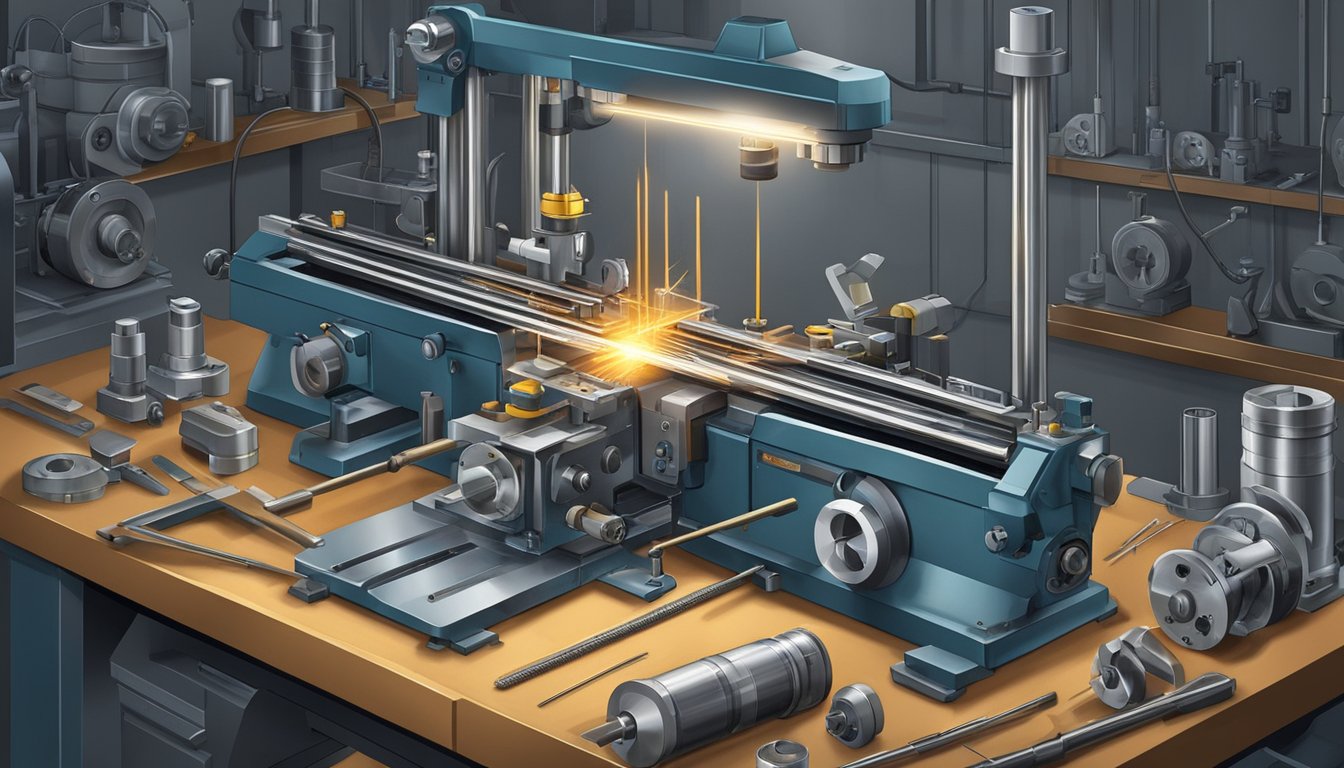
When choosing between thread milling and tapping, we recommend considering your specific project needs. Both methods can create quality threads, but they shine in different situations.
Material matters. Tapping works well with softer materials, while thread milling excels with harder materials where taps might break.
Consider your production volume:
- Low volume: Thread milling offers flexibility
- High volume: Tapping might be more efficient and cost-effective
Thread quality is another factor to weigh. Thread milling typically produces higher-quality threads with better surface finish, which can be crucial for precision applications.
Do you have expensive workpieces? Thread milling poses less risk of damaging costly parts since a broken thread mill is less likely to get stuck in the workpiece.
Your available equipment will also influence your decision. Tapping can be done on simpler machines, while thread milling requires more advanced CNC capabilities.
Quick comparison:
| Faktor | Tapping | Penggilingan benang |
|---|---|---|
| Kecepatan | Faster for single holes | Better for multiple holes |
| Tool cost | Lower initial cost | Higher initial cost |
| Fleksibilitas | Limited to one thread size | Can create multiple sizes |
| Risk | Higher chance of tool breakage | Lower risk to workpiece |
We’ve found that understanding these trade-offs helps make the right choice for specific applications. What’s your threading challenge?


