

When we step into the world of machining and metalworking, one tool stands out for its precision and utility—the center drill. A center drill is a specialized drill bit with a pointed tip and two cutting edges designed to create small pilot holes. These tiny holes serve as a guide for more extensive drilling operations or to prepare the workpiece for lathe machining.

Our understanding of the center drill shows its importance in ensuring accuracy in drilling processes. It’s not just about making a hole but about starting the process correctly to achieve precise results. By using a center drill, we can prevent potential drilling mishaps that might occur with standard drill bits.
Learning how to use a center drill effectively can elevate our machining skills. This tool helps us make sure that drilling processes begin with the exactness required for successful outcomes. It’s fascinating how such a small tool can play such a critical role in a workshop.
What Is A Center Drill?
A center drill is a useful tool that helps create precise holes in metalworking. It has a special design with a narrow pointed tip and a wider body. These features are essential for starting holes before further drilling operations.
Basic Definition And Components
Center drills are small drill bits with two main parts: a pointed tip for starting holes and a body for creating a countersink.
The pointed tip helps in creating a small pilóta lyuk, allowing main drill bits to work more accurately and without wandering. The wider part of the drill forms the countersink, which helps in seating the machine’s live center.
These drills are essential in setting a solid starting base for drilling, especially in lathe operations. By ensuring the drill is perfectly centered, we can avoid errors in the drilling process.
Why It’s Different From Regular Drill Bits
Unlike regular drill bits, center drills have an intricate design focused on precision. Regular drill bits often come with flutes for material removal, while center drills focus on creating an accurate starting point.
Center drills have a pointed tip, while regular drill bits mostly have a more uniform shape. The center drill’s pointed tip creates a precise spot for drilling, ensuring the main drill doesn’t slip.
These differences make center drills especially favored in high-accuracy applications. They excel in tasks where precision is more important than speed. Regular drills are more suited for general drilling tasks.
Visual Guide To Parts Of A Center Drill
A center drill is simple, yet it’s structured for effective use. Here’s a basic breakdown:
- Pointed Tip: Starts the drilling process, creating a guide hole.
- Body (Countersink): Forms a wider angle for machines to sit firmly.
Understanding these parts helps us use center drills properly in our projects. This knowledge ensures we select the right tool for precision drilling tasks.
Why Use A Center Drill?

When we’re working with a center drill, its biggest advantages include boosting accuracy and precision, minimizing drill bit breakage, enhancing the quality of holes, and providing safety benefits. Let’s explore each benefit in more detail.
Improved Accuracy And Precision
Center drills help us start drilling holes with greater accuracy. By creating a starter hole, they guide the main drill bit to stay on course. This minimizes wandering, which often happens with standard drill bits when starting a hole.
Our projects often require precise alignments. With center drills, we gain control, ensuring the drill goes where it’s supposed to. The centered holes allow us to make sure our workpieces are aligned perfectly for any future operations.
Reduced Drill Bit Breakage
Using a center drill can reduce the risk of a drill bit breaking. When we use it first, the main drill bit endures less stress. This is because the initial hole reduces friction és heat that can wear down or break our tools.
The starter hole created by a center drill means the main bit doesn’t have to fight its way through the surface, decreasing incidents of breakages. This saves us time and money by reducing tool replacement needs.
Better Hole Quality
Center drills can significantly improve the quality of the holes we make. By using a center drill initially, our holes are more likely to be round and less likely to be oval vagy irregular. This leads to better fits for screws and other fittings that our projects might require.
With cleaner edges and less debris, our workpieces also maintain their integrity. This means we often get a smoother and more polished look, which is vital for both function és appearance-
Safety Advantages
There are clear safety benefits when using center drills. When starting a hole, the drill bit doesn’t slip or skid as easily, reducing the risk of injuries to us or damage to the workpiece. Stabilitás during drilling is crucial to prevent accidents.
Furthermore, by minimizing tool breakage, we avoid potential hazards from flying debris and broken bits. This helps maintain a safe working environment, which should always be a top priority for us in any workshop.
Types Of Center Drills
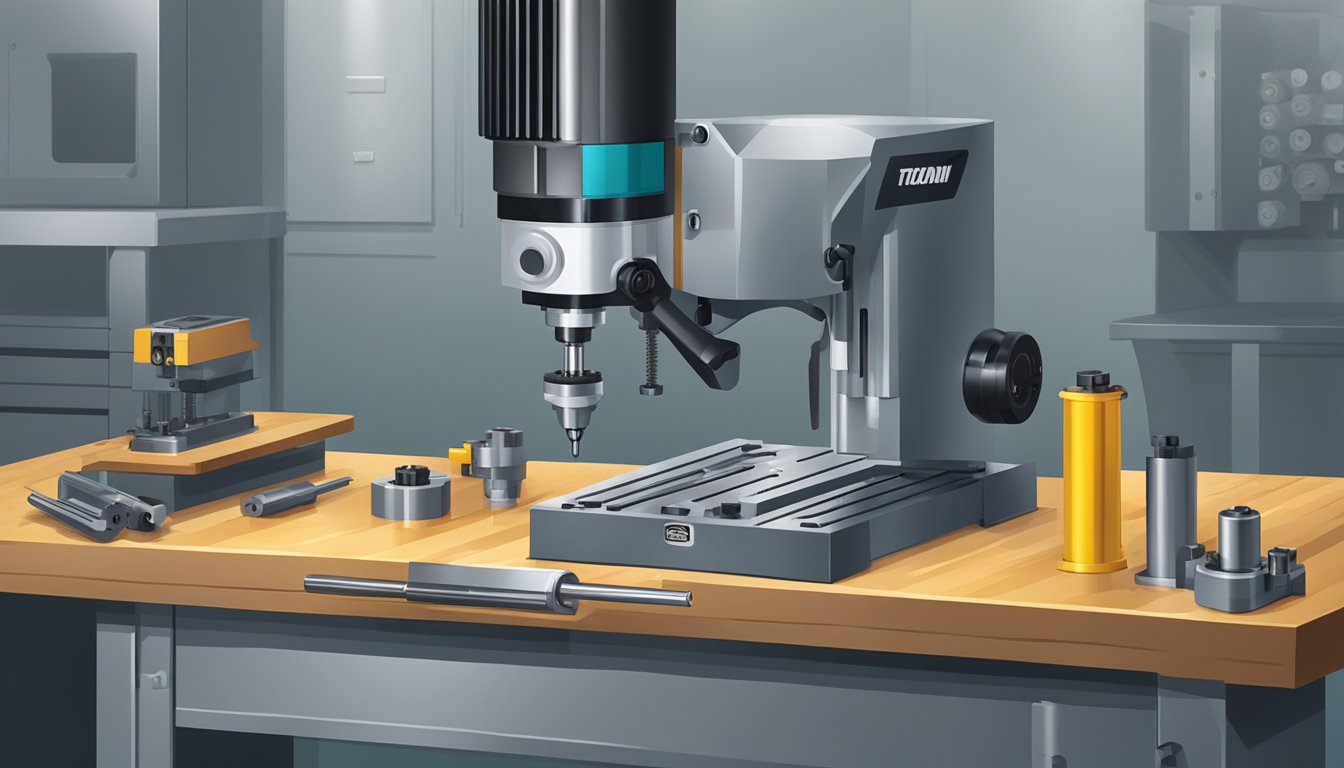
In the world of metalworking, center drills are vital for creating precise pilot holes. Various types cater to different needs, and choosing the right one can make all the difference in a project.
Type A (Standard)
Type A center drills are the most used in general applications. They form a simple center hole with a single 60-degree chamfer. This basic design suits most tasks, including securing workpieces between centers. These drills are especially great for softer materials like mild steel and aluminum, where precision and speed are prioritized.
Using Type A is straightforward due to its uncomplicated geometry. It’s a staple in any workshop for its versatility and reliable performance. The simplicity of these drills makes them a practical choice for everyday use.
Type B (Protected)
Type B differs from Type A as it includes an additional 120-degree chamfer. This extra chamfer creates a protected hole, often preventing damage to the workpiece during further operations. Such protection is crucial when working with delicate or high-finishing jobs where the quality of the cut is essential.
We prefer Type B for jobs requiring higher durability and precision. Its unique design minimizes the risk of cracking or breaking under stress. This makes it a go-to for more challenging materials or when a flawless finish is needed.
Type R (Radius Form)
Type R center drills feature a unique radius form. Unlike the typical chamfers seen in other types, these have smooth curves. This design reduces stress on cutting edges and can improve tool life.
These drills excel in operations demanding precise alignment, such as machining hardened materials. Their distinct shape allows for better distribution of cutting forces. This makes them an excellent choice for professionals aiming for high accuracy and efficiency in demanding scenarios.
When To Use Each Type
Choosing the right type hinges on the task at hand. Type A is versatile and suits everyday jobs. When creating sturdy holes in softer materials, this is our preference. Type B is best when extra hole protection is needed, ideal for sensitive or high-finish work.
Type R should be chosen for tasks requiring superior precision and tool longevity, especially in tough materials. By understanding each type’s strengths, we can ensure optimal results for varied applications.
Size Selection Guide
Selecting the right size is crucial for achieving desired outcomes. Center drills come in a range of sizes, typically indicated by number or diameter. It’s important to choose based on the workpiece material and the required hole depth.
A general rule: smaller sizes work well for delicate tasks and larger ones for heavy-duty work. We recommend having a variety of sizes on hand to cover the spectrum of potential projects. Deciding based on material and project specifics can enhance both accuracy and efficiency in the drilling process.
Step-by-step Guide To Using A Center Drill

When using a center drill, preparation is key. We must choose the right tool and ensure our work area is ready. Safety is a priority, so wearing protective gear is essential. Operating the drill correctly increases accuracy. We also need to adjust techniques for different materials and be aware of common errors to achieve good results.
Preparation Steps
First, we need the correct center drill size and type. It should match the diameter of the workpiece. Calipers help measure the workpiece accurately. Keep the drill tip sharp and check for any damage.
It’s equally important to set up the workspace. Securely clamp the material to prevent movement. Aligning the drill press properly ensures even and centered drilling. This reduces the risk of errors.
Biztonsági megfontolások
Safety should always be on our minds. We must wear safety glasses to protect our eyes from metal shavings. Ear protection is wise if the noise level is high. Tying back long hair and avoiding loose clothing reduces the risk of getting caught in the machine.
Always inspect the equipment before use. A drill press with a working emergency stop button adds a layer of security. Awareness of surroundings and keeping the area clear of clutter is also beneficial.
Operating Procedure
With everything set, we start by positioning the center drill in the chuck. Secure it firmly to prevent slipping. Adjust the speed settings on the drill press to suit the material. Slower speeds are usually better for metal, while faster speeds suit softer materials.
Then, we align the drill over the marked point. Lower the drill slowly to make a small indentation. This helps guide the larger drill bit that follows. Gradually increase pressure, ensuring consistent depth without rushing.
Tips For Different Materials
Different materials require different techniques. For lágyfémek like aluminum, it’s best to use a smaller drill size. Faster speeds work here. For harder metals, slow down the speed and apply cutting oil to reduce heat and friction. This prolongs tool life and maintains precision.
When working with plastics or faipari, gentle pressure is necessary to avoid cracking. Supporting the material underneath reduces the risk of blowout. Adjusting these approaches ensures quality and precision across different mediums.
Common Mistakes And How To Avoid Them
We must avoid using a dull drill tip. This leads to inaccurate holes and damage to the material. Regularly check the drill tip’s condition, replacing it if necessary.
Our alignment needs to be perfect. Misalignment results in uneven holes. Rechecking alignment before drilling can save time and materials. Finally, avoid rushing. Taking time to drill slowly and steadily enhances accuracy and prevents errors.
Best Practices and Troubleshooting

When using a center drill, it’s essential to follow some best practices to ensure precision and extend the tool’s lifespan. Proper speed and lubrication, identifying wear, and solving common issues are key areas to focus on.
Megfelelő sebesség- és takarmányozási sebesség
To achieve precision and avoid damaging our center drill, we need to use the correct speed and feed rates. The speed of the drill should match the material we are working on. Slower speeds are suitable for harder materials, while faster speeds are better for softer metals.
Our feed rate should be steady and controlled. If our feed rate is too fast, it can cause the tip of the center drill to dull quickly. We should adjust the drill press settings and test on scrap material to make sure we are using the best combination of speed and feed.
Cooling and Lubrication
Cooling and lubrication are crucial when working with center drills to prevent overheating. Overheating can cause premature wear or break the drill. We should always apply a suitable lubricant to the bit and the contact area of the workpiece.
Using cutting fluids helps reduce friction and dissipate heat. This not only prolongs tool life but also improves hole quality. We need to ensure we are using the right lubricant based on the material, for example, using oil for metals or a water-based solution for others.
Signs of Wear and Damage
To maintain the quality of our work, we need to check our center drills for signs of wear and damage. Common signs include chipped or dull tips, which can lead to inaccurate holes or drill chatter.
We should regularly inspect our drills and replace any that show signs of excessive wear. If a center drill becomes dull or damaged, it will affect the precision and quality of our work. Regular inspection helps us avoid unexpected breakage during the drilling process.
Problem-solving Guide
Even with the best practices, problems can arise. If we’re facing issues with hole accuracy, we should first check if our center drill is properly secured and aligned. Misalignment can cause the drill to wander, resulting in an off-centered hole.
If the drill snaps during use, it could be due to excessive pressure or too high a speed. Adjusting these settings can prevent further breakage. If we’re dealing with chatter, reassess the feed rate and ensure proper lubrication to stabilize drilling. Regular checks and adjustments are vital for optimal performance.
Maintenance And Care
Proper maintenance ensures that center drills work efficiently and last longer. We’ll look at cleaning, storage, sharpening, and knowing when it’s time to replace your center drills. These steps will help us keep our tools in top shape.
Cleaning Procedures
First, we should remove any debris or residue after use. A soft brush can help us clean away lingering metal particles. If needed, mild detergent and water can be used for a deeper clean.
After washing, it’s crucial to dry the center drill fully. Even a little moisture can lead to rust over time. We might wipe it with a soft cloth or use compressed air for quicker drying. Keeping the tool clean helps avoid dulling and extends its life.
Storage Recommendations
Proper storage prevents unnecessary wear and tear. We should keep our center drills in a dry place to avoid rust. A small toolbox or drawer with compartments can offer protection from impacts and dust.
Using protective sleeves or caps shields the sharp edges. This helps maintain the drill’s performance and prevents accidents. We benefit from organizing our drills by size, which makes selecting the right one for a task easier.
Sharpening Guidelines
Center drills can become dull with use. A sharpening stone or honing tool will help us restore the edge. To begin, we position the drill at the correct angle against the stone. Consistent pressure and movement ensure even sharpening.
We need to check the tip frequently during sharpening to keep the right shape. Over-sharpening can change the drill’s angle, affecting its performance. For best results, we must sharpen regularly instead of waiting until the tool is very dull.
When To Replace
Despite good care, center drills do wear out. Look for signs like chips, cracks, or if sharpening no longer improves performance. Using substandard drills could result in poor-quality work or damage to the material.
Regular inspections help us detect issues early. If a drill consistently struggles or if the conical tip wears unevenly, it’s time to replace it. Having backups handy ensures minimal disruption to our work processes.
Advanced Applications And Tips

In our exploration of center drills, we’ll focus on their industrial uses, special techniques, professional tips, and performance metrics.
Industrial Uses
In industrial settings, center drills are crucial in preparing workpieces for further machining. Autóipar és aerospace industries often use them to improve accuracy during the assembly process.
They help in aligning cutting tools precisely, which reduces errors. In metalworking, center drills create starting points for larger drill bits, preventing them from wandering.
Another application is in CNC megmunkálás, where they provide precise entry points for complex parts. Manufacturing plants utilize center drills in production lines, where repeatability and precision are key. Their ability to create consistent and precise centers makes them essential tools in various industries.
Special Techniques
Certain special techniques can enhance the performance of center drills. Újraköszörülés the tips prolongs their life and sharpens the cutting edge for better results.
Using cooling agents is also important in keeping the drill from overheating, thereby improving accuracy. Another technique is step drilling, which involves using progressively larger drills after the initial point, ensuring a precise hole.
Adjusting feed rates can aid in maintaining drill efficiency. This prevents wear and achieves a smoother finish. By employing these techniques, we can optimize the performance of center drills for demanding tasks.
Professional Tips
For optimal performance, we should always check the drill’s condition before each use. Ensuring there are no chips or cracks is vital for safety and efficiency.
Regular maintenance helps in prolonging the lifespan of the drill. Another important tip is to secure the workpiece properly to prevent slipping, which can damage both the drill and material.
Aligning the center drill accurately prevents misalignment during subsequent operations. Choosing the correct drill size for the intended application is also essential. By focusing on these tips, we enhance the reliability and effectiveness of our center drills.
Teljesítménymutatók
Performance metrics offer insight into the efficiency of center drills. The vágási sebesség is crucial; higher speeds can lead to faster wear. Monitoring the adagolási sebesség is important for ensuring that the drill doesn’t get stressed.
We should measure drill longevity periodically, which can be an indicator of wear and tear. Diameter accuracy is another vital metric that ensures the hole is the right size for subsequent operations.
By tracking these metrics, we can adjust processes to boost the effectiveness and lifespan of our drilling equipment.


