
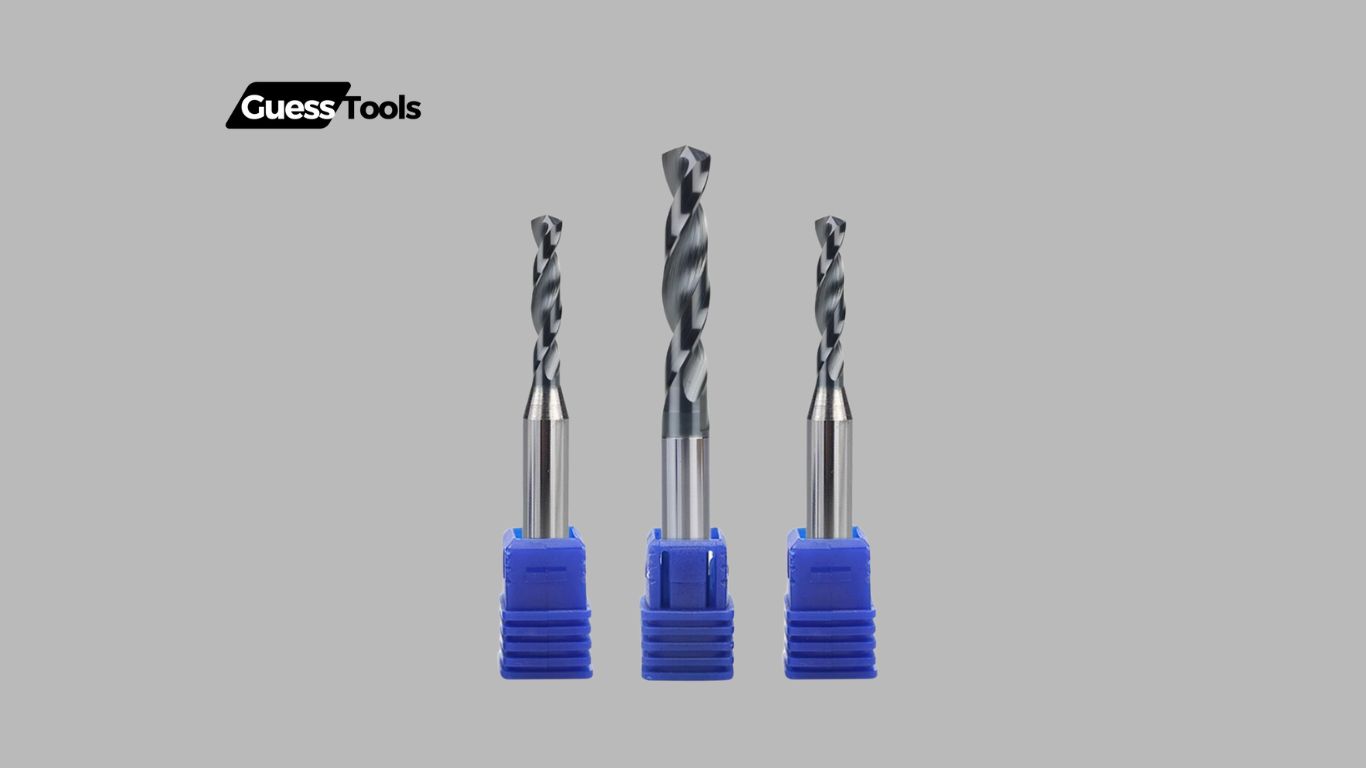
Bitovi za bušenje su ključni alati u mnogim industrijama, od građevine do obrade drva. Kad trebate probiti kroz teške materijale, Karbidni dijelovi za bušenje su izbor. Ovi specijalizirani alati za rezanje imaju zadivljujuću snagu i izdržljivost s kojim se redoviti čelični bitovi ne mogu uskladiti.
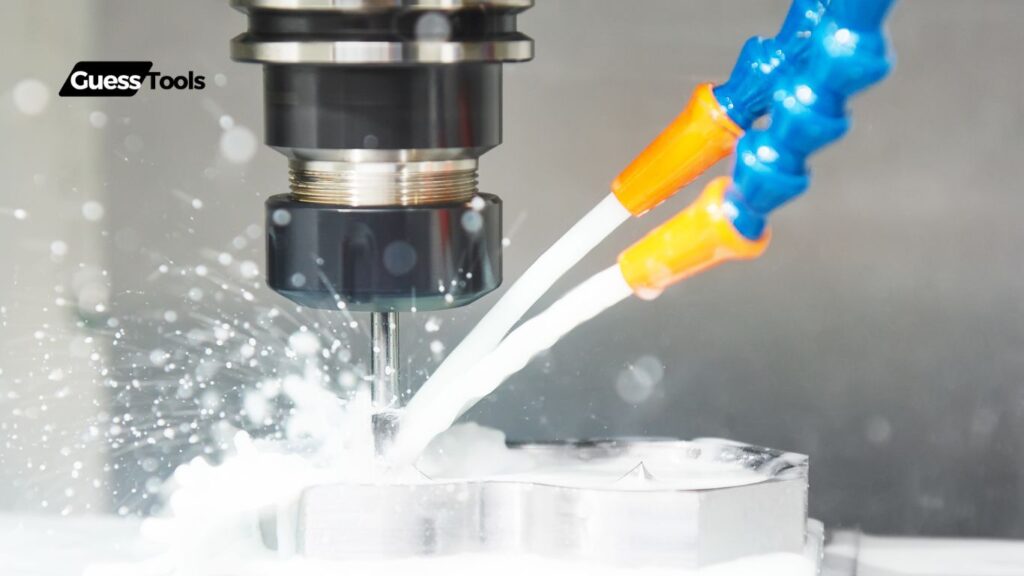
Bit za bušenje karbida započinje kao mješavina praha s volframskom karbidom i drugih materijala koji se pritiskaju i zagrijavaju u super tvrd metalni spoj. Koristimo posebne strojeve za oblikovanje ovog materijala u poznati spiralni dizajn bušenja. Proces zahtijeva precizne temperature i pritiske za stvaranje alata koji mogu izdržati intenzivnu toplinu i silu.
Želim znati zašto bitovi karbida koštaju više od redovitih? To je zato što su napravljeni od vrhunskih materijala i složenih koraka proizvodnje. Rezultat je alat za rezanje koji traje duže i radi brže od standardnih bitova. Vidimo ove bitove koji se svakodnevno koriste u trgovinama za obradu metala, gradilištima i proizvodnim postrojenjima gdje su kvaliteta i performanse zaista važni.
Razumijevanje bita za bušenje karbida
Carbide drill bits represent a crucial advancement in cutting tool technology, combining remarkable strength with precision machining capabilities. We rely on these specialized tools daily across countless industrial applications.
Što su karbidna svrdla?
Carbide drill bits are cutting tools designed for drilling holes in tough materials like metals, composites, and hard plastics. We can achieve much better results with these compared to standard steel bits.
These bits maintain their sharp cutting edge far longer than traditional options. They work especially well at high speeds, making them perfect for production environments.
Ključne karakteristike:
- Vrhunska otpornost na trošenje
- High heat tolerance
- Excellent dimensional accuracy
- Long tool life
Material Composition and Properties
The main ingredient in carbide drill bits is volfram karbid – a compound of tungsten and carbon. We mix this with cobalt powder, which acts as a binding material.
The manufacturing process uses high pressure and heat to create what we call cemented carbide. This gives the bits their distinctive properties:
Physical Properties:
- Hardness: 8-9 on Mohs scale
- Heat resistance: Up to 800°C
- Density: 14.5 g/cm³
These characteristics make carbide bits ideal for demanding machining processes where standard tools would quickly wear out.
Historical Development and Importance in Modern Manufacturing
We first saw carbide tools emerge in the 1920s, when researchers discovered ways to create cemented carbide. This revolutionized the machining industry.
Modern manufacturing relies heavily on carbide drill bits. They’ve become essential in:
- Aerospace component production
- Automotive manufacturing
- Medical device creation
- Electronics fabrication
The development of specialized coatings and geometries has pushed performance even further. Our current carbide tools can achieve cutting speeds up to 10 times faster than traditional high-speed steel bits.
The Science Behind Carbide Materials
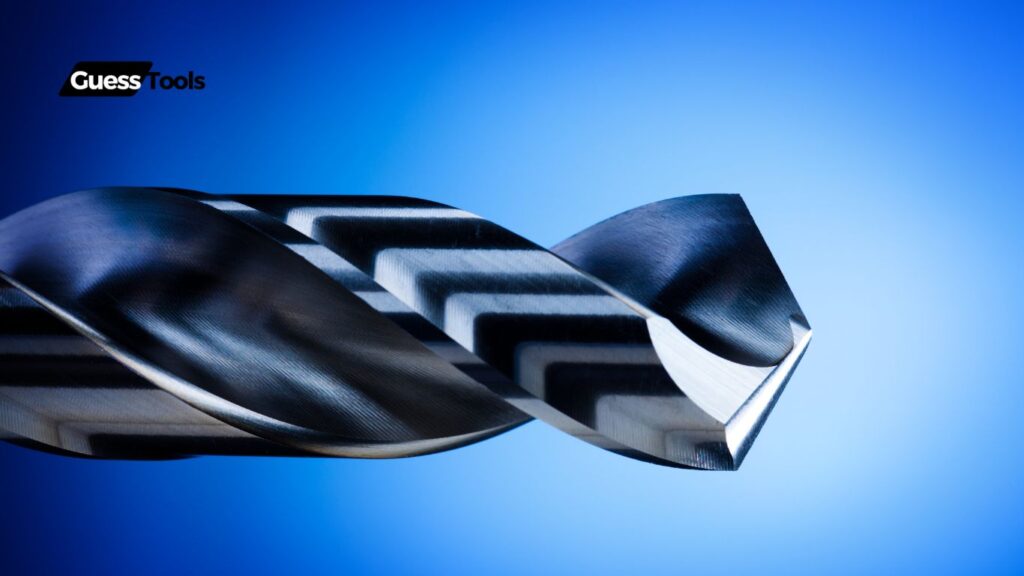
The incredible strength and durability of carbide drill bits comes from their unique material composition and structure. These tools represent a perfect blend of hardness and toughness that makes them ideal for drilling through the toughest materials.
Tungsten Carbide Composition and Properties
Tungsten carbide forms when we combine tungsten and carbon atoms at high temperatures. This creates an incredibly hard compound that ranks 9 on the Mohs scale – just below diamond.
We can identify several key properties that make tungsten carbide special:
- Tvrdoća: 2-3 times harder than steel
- Toplin: Maintains strength up to 800°C
- Otpornost na habanje: Exceptional resistance to abrasion and wear
- Density: 50% denser than steel
The atomic structure gives tungsten carbide its remarkable stability. Carbon atoms fit perfectly between tungsten atoms to create an extremely tight and strong bond.
Role of Binding Materials
Cobalt acts as the primary binding material in carbide tools. Think of it as the glue that holds everything together.
Količina kobalta koju koristimo obično se kreće od 6-12% i utječe na nekoliko svojstava:
Utjecaj na svojstva:
- Više kobalta = veća žilavost
- Manje kobalta = veća tvrdoća
- Optimalna ravnoteža = bolje performanse
Pažljivo kontroliramo sadržaj kobalta na temelju namjeravane uporabe bušilice. Teška bušenja treba više kobalta za apsorpciju udara.
Mikrostruktura i njegov utjecaj na performanse
Veličina i raspodjela žitarica karbida igraju ključnu ulogu u izvedbi alata. Te faktore možemo kontrolirati tijekom proizvodnje:
Veličine zrna:
- Fina zrna (< 1 mikron): Bolja otpornost na habanje
- Srednja zrna (1-3 mikrona): uravnotežena svojstva
- Gruba zrna (> 3 mikrona): Poboljšana žilavost
The spacing between grains affects how cracks develop and spread. Tighter grain structures resist crack propagation better.
Comparison with Other Drill Bit Materials
Carbide offers significant advantages over traditional materials:
Usporedba performansi:
| Materijal | Tvrdoća | Heat Resistance | Life Span |
|---|---|---|---|
| Karbid | Very High | Izvrsno | 10x |
| High-Speed Steel | Umjereno | Dobro | 1x |
| Carbon Steel | Nizak | Fer | 0.5x |
We see carbide tools last up to 10 times longer than steel bits. They maintain sharper edges and work at higher speeds.
Carbide tools cost more upfront but save money through longer life and faster cutting speeds. They excel in demanding applications where other materials fail quickly.
Manufacturing Process Step-by-Step

Creating carbide Bitovi za bušenje requires careful attention to detail and precise control at every stage. The process combines advanced powder metallurgy with precise machining techniques to produce tools that can withstand extreme drilling conditions.
Powder Metallurgy Basics
We start with tungsten carbide powder, which gives drill bits their exceptional hardness. The powder particles measure between 1-10 microns in size. We mix these particles with cobalt powder, which acts as a binding metal.
The ratio of tungsten carbide to cobalt typically ranges from 80-94% carbide and 6-20% cobalt. This mix determines the final properties of the drill bit:
- Higher cobalt = More flexible but less wear-resistant
- Lower cobalt = Harder but more brittle
Material Preparation and Mixing
The raw powders need careful preparation before we can use them. We clean and screen the materials to remove any contamination.
Next, we combine the powders in special mixing machines with:
- Lubricants to help with forming
- Solvents to create a uniform mixture
- Binding agents for strength
The mixing process takes 12-24 hours in ball mills. These rotating drums use ceramic balls to blend everything thoroughly.
Pressing and Forming
We load the powder mixture into molds that match the rough shape of the drill bits. A hydraulic press applies pressure between 10,000-30,000 psi to compress the powder.
The compressed shape, called a “green compact,” is very fragile at this stage. We handle it with extreme care.
Some key pressing parameters we control:
- Pressure level
- Pressing time
- Temperatura
- Mold design
Sintering Process and Temperature Control
The green compacts go into special sintering furnaces. We heat them to temperatures around 1,400°C (2,552°F).
The heating schedule follows strict steps:
- Slow warm-up phase
- Main sintering at peak temperature
- Controlled cooling period
This process takes 24-48 hours total. The cobalt melts and flows between the carbide particles, creating strong bonds.
Final Shaping and Grinding
After sintering, we shape the bits using diamond grinding wheels. This creates the cutting edges and flutes.
Key grinding steps include:
- Point angle formation
- Flute grinding
- Margin relief
- Edge sharpening
We use computer-controlled grinding machines for precise angles and dimensions.
Mjere kontrole kvalitete
Each drill bit undergoes strict testing:
- Dimensional checks with micrometers
- Hardness testing
- Surface finish inspection
- Concentricity measurements
We use microscopes to check cutting edges for defects. Any bits that don’t meet specs get rejected.
Random samples from each batch undergo performance testing on standard materials to verify cutting ability and wear resistance.
Types of Carbide Drill Bits
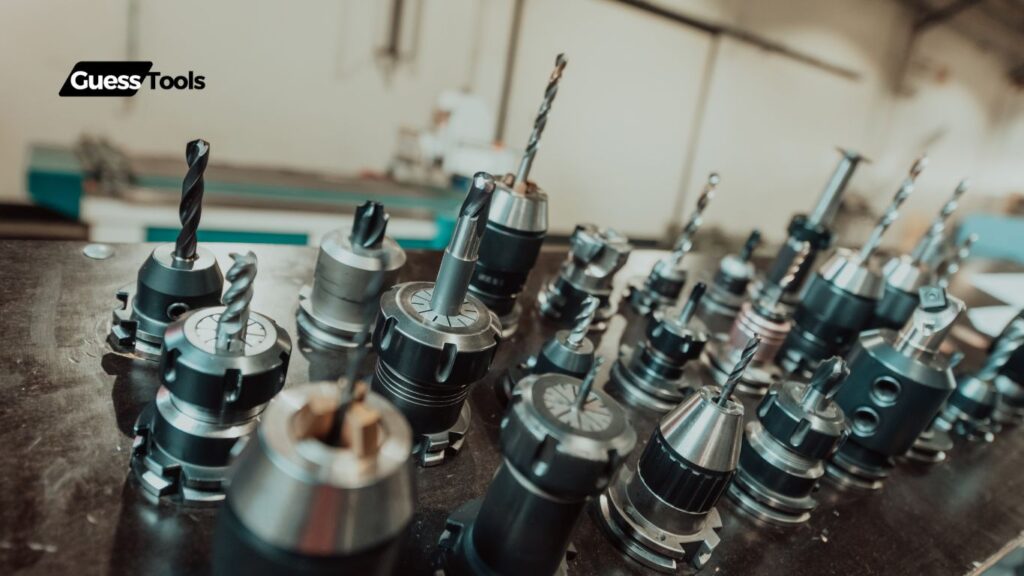
Carbide drill bits come in many designs to match specific cutting needs. We’ll explore the main types that help you drill through tough materials like hardened steel and stainless steel.
Carbide-Tipped vs. Solid Carbide Construction
Čvrsti ugljični komadići izrađeni su u cijelosti od volframskog karbida. Ovi bitovi nude izvrsnu otpornost na habanje i mogu održavati oštre rubove rezanja duže od standardnih bitova. Odlično djeluju za precizni rad, ali mogu biti krhki ako se odustanu.
Karbidni komadići imaju čelična tijela s zavarenim vrhovima karbida. Koštaju manje od čvrsti karbid dok još uvijek pružaju dobre performanse. Čelično tijelo čini ih manje vjerojatnim da će se probiti tijekom upotrebe.
Ključne razlike:
- Čvrsti karbid: Bolja preciznost, duži život, skuplji
- Karabidni vrh: Pristupačnije, čvršće tijelo, dobro za opću upotrebu
Posebne geometrije i dizajni
Različiti kutovi vrha i dizajni flaute pomažu u skladu s specifičnim potrebama bušenja:
Uobičajeni dizajni:
- 118 ° točki kut za opću namjenu upotrebe
- 135 ° podijeljena točka za teže materijale
- Double margin for straighter holes
- Straight flute for better chip removal
The right geometry helps control heat and removes material efficiently. Spiral flutes carry chips away from the cutting edge to prevent clogging.
Application-Specific Variations
We see many specialized carbide bits for different jobs:
Metal drilling bits:
- Extra thick core for strength
- Special coatings to reduce friction
- Modified point angles for clean entry
Masonry bits:
- Carbide tips shaped for concrete
- Wider flutes for dust removal
- Reinforced shoulders for impact resistance
Cost-Benefit Analysis of Different Types
Basic carbide-tipped bits start around $15-30 each. Solid carbide precision bits can cost $50-200+ depending on size and coating.
Value factors to consider:
- Brzina rezanja
- Trajnost alata
- Material costs
- Proizvodni volumen
Za povremenu uporabu, bitovi s karbidnim vrhovima nude dobru vrijednost. Proizvodnja velikog količine obično opravdava vrhunske alate od krutih karbida koji traju duže i brže režu.
Površinski tretmani i poboljšanja
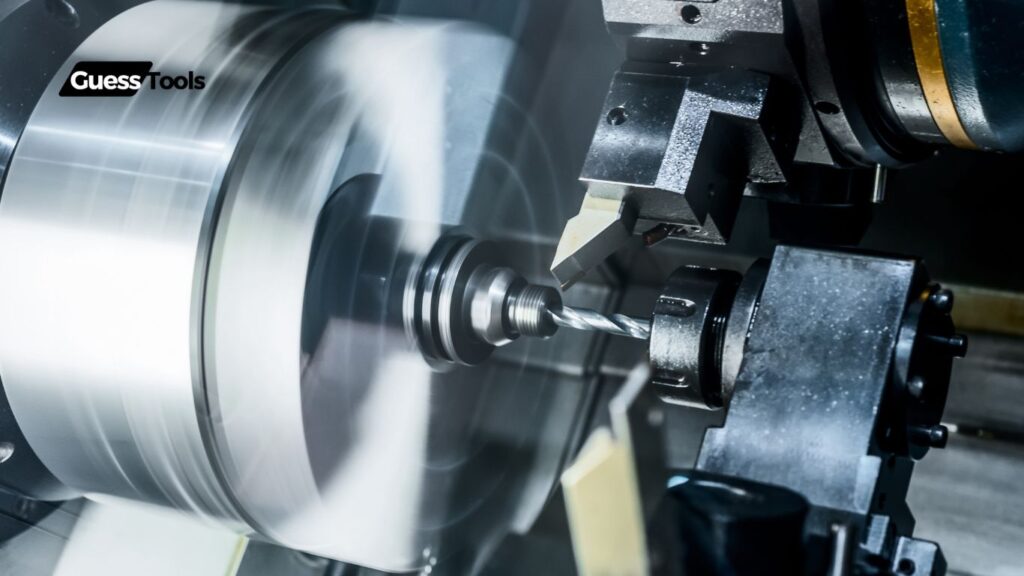
Površinski tretmani igraju vitalnu ulogu u proširenju života bušenja i poboljšanju performansi rezanja. Nekoliko naprednih procesa i premaza djeluje zajedno kako bi stvorili teže, izdržljivije alate.
Objasnio kriogena obrada
Zamrzavamo komadiće bušenja karbida do temperatura ispod -300 ° F koristeći tekući dušik. Ovaj postupak mijenja molekularnu strukturu materijala, što ga čini otpornijom na habanje.
Zamrzavanje se događa postupno tijekom 24-48 sati kako bi se spriječio toplinski šok. Zatim polako zagrijavamo komadiće natrag na sobnu temperaturu.
Prednosti kriogenog liječenja:
- 50% duži život alata
- Bolja otpornost na toplinu
- Ujednačenija struktura karbida
- Smanjeno lom alata
Moderne tehnologije premaza
Dvije glavne metode premaza dominiraju u industriji: fizičko taloženje pare (PVD) i kemijsko taloženje pare (CVD).
PVD primjenjuje tanke filmove poput nitrid od titana (Limen) i titanij aluminijski nitrid (Tialn) na temperaturama oko 900 ° F. Ovi zlatni i ljubičasti premazi povećavaju tvrdoću i otpornost na toplinu.
CVD stvara deblji premazi pri većim tempovima (1800 ° F+). Uobičajeni CVD premazi:
- Aluminijski oksid
- Titan karbonitrid
- Ugljik sličan dijamantu
Zahtjevi za površinsku završnu obradu
The carbide surface needs thorough cleaning and preparation before coating. We use special polishing and etching processes to create the ideal surface texture.
Key surface requirements:
- Roughness under 0.4 μm
- No scratches or defects
- Clean of all oils and debris
We test surface quality using special microscopes and measurement tools to ensure coating adhesion.
Impact on Performance and Longevity
Proper surface treatments can triple a drill bit’s working life. Our coated bits cut faster with less friction and heat buildup.
Test results show:
- 300% longer tool life
- 25% higher cutting speeds
- Bolja evakuacija čipa
- Smanjene sile rezanja
The right coating also prevents built-up edge formation and provides better hole quality in tough materials like stainless steel and titanium.
Performance Optimization
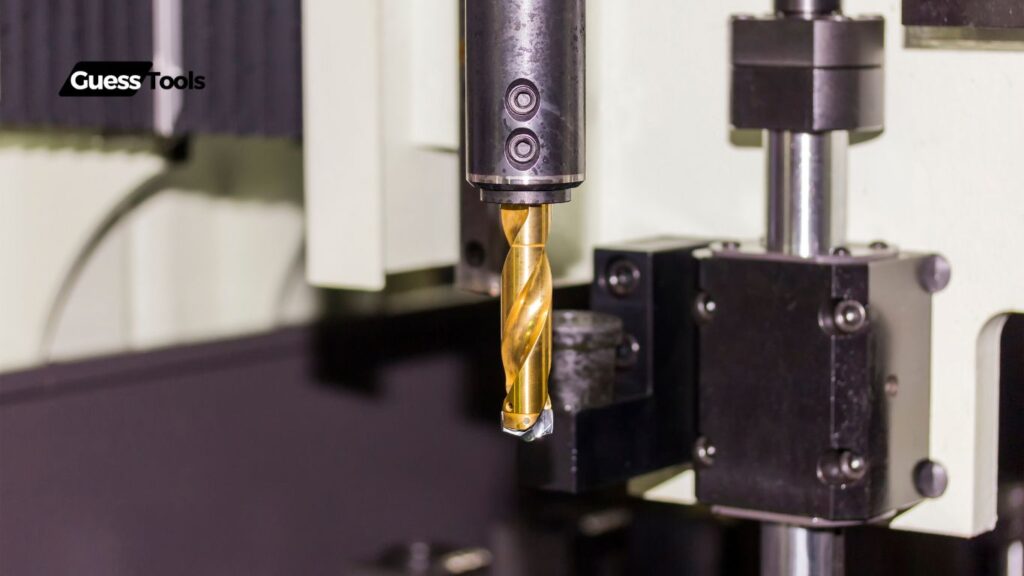
Proper optimization of carbide drill bits leads to improved cutting efficiency and longer tool life. The right mix of speed, cooling, and maintenance makes a big difference in how well these tools perform.
Odgovarajuća brzina i dodaci
Pravo Brzina rezanja and feed rate are essential for optimal drilling performance. We recommend starting with these basic parameters:
Speed Guidelines:
- Aluminij: 200-300 surface feet per minute (SFM)
- Čelik: 80-150 SFM
- Nehrđajući čelik: 50-100 SFM
Feed rates depend on the drill diameter. A good starting point is 0.002-0.004 inches per revolution for drills under 1/4 inch.
Prebrze ili spore brzine mogu oštetiti bit bušilice. Pazite na znakove poput prekomjerne topline ili lošeg stvaranja čipa. Prilagodite brzine na temelju materijalne tvrdoće i dubine rupe.
Zahtjevi za hlađenje i podmazivanje
Pravilno hlađenje proširuje život bušenja i poboljšava kvalitetu rupe. Toplina je najveći neprijatelj karbidnih alata.
Essencijalne metode hlađenja:
- Preko alata Dostava rashladne tekućine
- Hlađenje poplave za plitke rupe
- Hlađenje magle za lagano djelo
Pravi tip rashladne tekućine također je važan. Za čelik koristimo hladnjake na bazi vode za aluminij i naftu. Čisto rashladno sredstvo pomaže u sprječavanju nakupljanja čipa i trošenja alata.
Optimizacija života alata
Nekoliko čimbenika utječe na to koliko dugo traju vježbe karbida:
- Pravilno skladištenje Da bi se spriječilo oštećenje
- Redovita inspekcija za nošenje
- Periodično preusmjeravanje Kad je potrebno
- Ispravni držači alata i minimalno trčanje
Track tool life to spot problems early. Most carbide drills should last 50-100 holes in steel when used correctly.
Common Failure Modes and Prevention
Watch for these warning signs of drill failure:
Common Issues:
- Chipping at corners
- Cratering on cutting edges
- Neravnomjerni uzorci trošenja
Prevention Tips:
- Start holes at reduced speed
- Use pilot holes for deep drilling
- Clean chips regularly
- Check alignment before drilling
Good maintenance and proper use prevent most failures. Replace drills showing signs of wear before they break.
Applications and Selection Guide
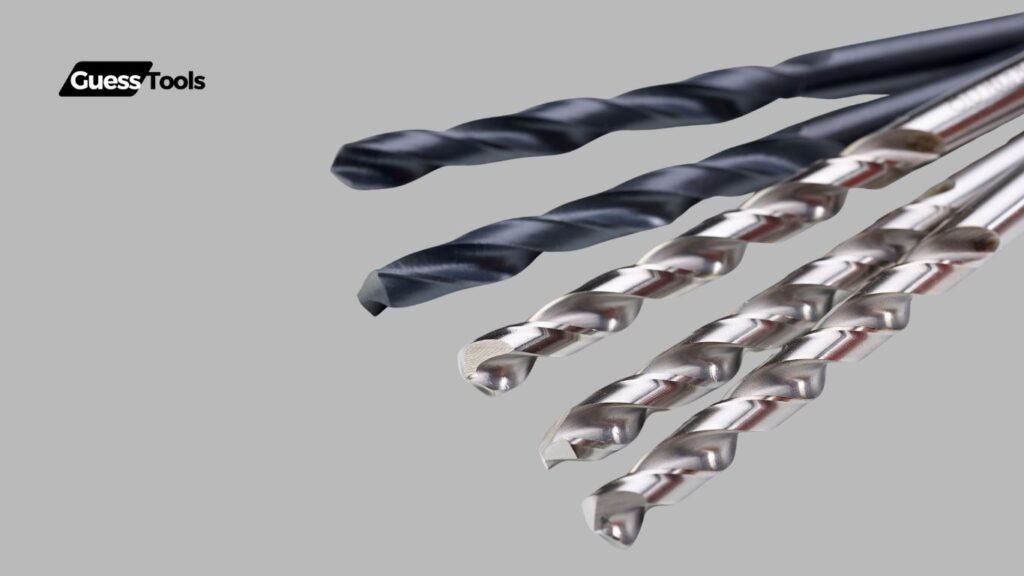
Carbide drill bits serve specific roles across industries and materials based on their unique properties. We’ll guide you through choosing the right bit za vaše potrebe.
Aplikacije specifične za industriju
Proizvodna biljaka često koriste bitove karbida za proizvodnja velikog volumena bušenje. Ovi bitovi izvrsni u automatizirani sustavi Tamo gdje je bitna dosljedna izvedba.
Građevinska industrija oslanja se na bitove karbida za betonske radove. Njihova izdržljivost čini ih savršenim za bušenje rupa za sidrenje i montažu učvršćenja.
Stakleni proizvođači odabiru komadiće karbida jer se čisto režu bez pucanja. Vidjeli smo sjajne rezultate prilikom bušenja zaslona i arhitektonskog stakla.
Proizvođači elektronike trebaju bitove karbida za proizvodnju pločice. Precizni rubovi rezanja sprječavaju oštećenja osjetljivih materijala.
Vodič za kompatibilnost materijala
Najbolji materijali za bitove karbida:
- Očvršćeni čelik (do 65 sati)
- Staklo i keramika
- Kompoziti od ugljičnih vlakana
- Beton i zidarstvo
- Obojeni metali
Not Recommended For:
- Soft plastics (can cause melting)
- Wood (too expensive for the application)
- Thin sheet metal (HSS bits work better)
Selection Criteria for Different Tasks
Consider these key factors when picking your carbide bit:
Speed Requirements:
- Low speed: 1000-2000 RPM for hard materials
- High speed: 3000+ RPM for production work
Coating Options:
- TiN for general purpose
- AlTiN for high heat applications
- Diamond coating for abrasive materials
Vaš drilling depth affects bit choice too. Shorter bits provide more stability, while longer ones reach deep spots.
Cost Considerations and ROI
A carbide bit costs 5-10 times more than an HSS bit. The investment makes sense for:
- Proizvodnja velikog volumena
- Hard material drilling
- Applications requiring precise holes
We track productivity gains to justify the cost. One carbide bit often outlasts 15-20 HSS bits in tough materials.
Typical Lifespan Comparison:
- HSS: 50-100 holes
- Carbide: 500-1000 holes in similar conditions
Consider getting reconditioned bits to save money. Many manufacturers offer resharpening services at 30-40% of new bit cost.
Održavanje i njega
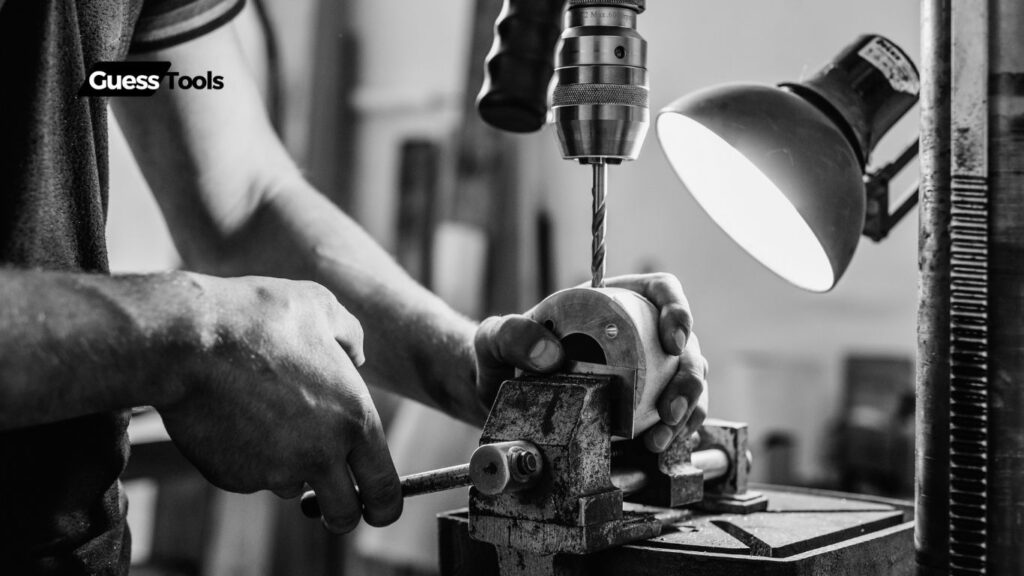
Taking good care of carbide drill bits helps them last longer and perform better. Regular cleaning, proper storage, and careful handling make a big difference in getting the most value from these tools.
Proper Storage Practices
We recommend storing carbide bits in a dedicated case or holder to protect the rezni rubovi. Nikada ih ne bacajte u okvir s alatima gdje mogu naletjeti na druge alate.
Držite prostor za skladištenje suhim i pod kontrolom klime. Vlaga može dovesti do hrđe na čeličnim dijelovima bitova.
Koristite plastične straže ili rukave za zaštitu rubova rezanja kada se bitovi ne koriste.
Savjeti za pohranu:
- Očistite komadiće prije skladištenja
- Koristite pojedinačne odjeljke ili utore
- Držite temperaturu stabilnu oko 70 ° F
- Izbjegavajte vlažne lokacije
Tehnike oštrenja
Karbidni komadići trebaju posebne dijamantske abrazive za oštrenje. Redovni kotači za brušenje neće djelovati učinkovito.
Slijedite ove korake prilikom oštrenja:
- Očistite bit temeljito
- Koristite dijamantski kotač ili datoteku
- Održavajte originalne kutove rezanja
- Nanesite svjetlosni pritisak
- Neka malo hladi
Ne pokušavajte izoštriti teško oštećene bitove – zamijenite ih umjesto toga.
Detekcija nošenja
Watch for these signs that your bit needs attention:
- Slower cutting speed
- Increased pressure needed
- Rough finish on drilled holes
- Chipped cutting edges
- Unusual noise or vibration
Check bits before each use. Look closely at cutting edges and corners for damage.
Produljenje vijeka trajanja alata
Use the right speed and feed rates for your material. Too much speed or pressure will wear bits quickly.
Let bits cool between uses. Heat is a major cause of premature wear.
Apply cutting fluid when drilling metals. This reduces friction and helps remove chips.
Clean bits after each use with a soft cloth. Remove all chips and debris that could cause corrosion.
Future Trends and Innovations
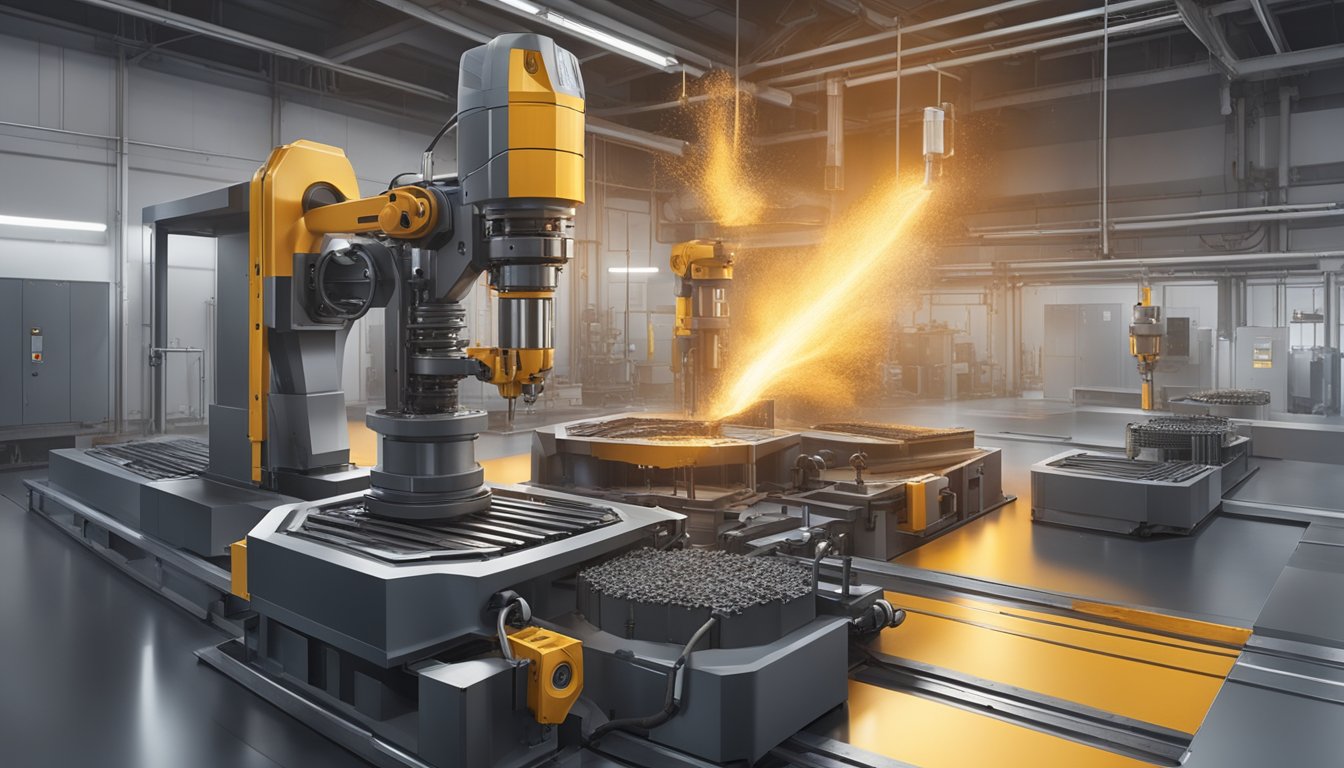
The carbide drill bit industry is experiencing rapid advancement through new technologies, materials, and smart manufacturing approaches. These developments are making drill bits more efficient, durable, and environmentally friendly.
Emerging Manufacturing Technologies
Nanotechnology is transforming how we create carbide drill bits. We’re seeing manufacturers apply nano-coatings that reduce friction and heat during drilling operations.
3D printing technology lets us design složene geometrije that weren’t possible before. We can now print custom carbide tools with internal cooling channels and unique cutting edges.
Advanced laser sintering helps create more precise and uniform carbide powder distribution. This leads to stronger, more consistent drill bits.
Key Manufacturing Advances:
- Precision nano-coating applications
- Additive manufacturing for complex designs
- Advanced powder metallurgy techniques
- Automated quality control systems
New Material Developments
Scientists are developing enhanced carbide formulations with better wear resistance. We’re seeing new micro-grain carbides that maintain sharpness longer than traditional materials.
Multi-layer coatings combine different materials like TiAlN and diamond-like carbon. These provide better heat resistance and reduced friction.
Promising New Materials:
- Ultra-fine grain carbides
- Hybrid ceramic-carbide composites
- Advanced coating combinations
- Nano-structured carbide matrices
Industry 4.0 Integration
Smart sensors embedded in drill bits now monitor temperature and wear in real-time. This helps prevent tool breakage and optimizes drilling parameters.
Cloud-connected manufacturing systems adjust production based on real-time data. We can now predict maintenance needs before problems occur.
Digital twins help simulate and optimize drill bit designs before production starts. This reduces waste and improves first-time quality.
Razmatranja održivosti
Manufacturers are developing recycling programs for used carbide drill bits. The recovered materials go back into production, reducing waste.
New cooling technologies use minimal lubricant or dry machining techniques. This cuts down on harmful chemical usage.
Energy-efficient manufacturing processes reduce the carbon footprint of drill bit production. We’re seeing more solar-powered facilities and heat recovery systems.
Green Initiatives:
- Material recycling programs
- Eco-friendly cooling methods
- Energy-efficient production
- Sustainable packaging solutions


