

When choosing the right inserts for machining, the differences between carbide and ceramic options matter a lot. Ceramic inserts are significantly harder than carbide inserts, which allows them to withstand higher cutting speeds and offer superior wear resistance. This extra hardness means you can push your cutting speeds higher without damaging the tool, potentially increasing your productivity.

Why should you care about these differences? Well, ceramic inserts excel at handling high temperatures without losing their cutting performance. They’re particularly good for working with tough materials that generate a lot of heat during machining. Carbide inserts, while not as hard as ceramic ones, are less brittle and can handle interrupted cuts better.
We’ve found that choosing between these insert types depends on your specific application. Do you need to make fast cuts on hard materials where heat is a factor? Ceramic might be your best bet. Are you working with varying depths or interrupted cutting? Carbide could be the more reliable choice. Understanding these differences helps us select the right tool for each job.
Material Composition and Key Properties
The performance difference between carbide and ceramic inserts comes down to their unique material compositions. Both types offer distinct advantages based on their molecular structure, kovuus levels, and thermal properties that affect their machining capabilities.
Carbide: Tungsten Carbide with Cobalt Binder Composition
Carbide inserts are primarily made of tungsten carbide (WC) particles held together by a cobalt (Co) binder. This powdered metallurgical composite creates a material with excellent sitkeys and durability. The cobalt content typically ranges from 6-12% and directly affects the insert’s properties.
Higher cobalt content increases the toughness but decreases hardness, while lower cobalt percentages create harder but more brittle inserts. The tungsten carbide particles provide the primary hardness and wear resistance.
These inserts have a hardness of 90-92 HRA (Rockwell A) or approximately 1600 HV (Vickers). While not as hard as ceramics, they offer better impact resistance, making them suitable for interrupted cutting operations and machining a wide range of materials.
Ceramic: Aluminum Oxide/Silicon Nitride Composition
Ceramic inserts are crafted from advanced materials like aluminum oxide (alumina) or silicon nitride. Unlike carbides, ceramics don’t use a metallic binder, resulting in a different molecular structure with exceptional hardness and heat resistance.
The composition gives ceramic inserts their distinctive properties:
- Alumiinioksidipohjainen keramiikka: Made primarily from Al₂O₃, sometimes mixed with titanium carbide or zirconia
- Silicon nitride ceramics: Composed of Si₃N₄, offering improved thermal shock resistance
Ceramics can withstand temperatures up to twice what carbides can handle, allowing leikkausnopeus 20-30 times faster than standard carbide when machining hard materials like HRSA (Heat Resistant Super Alloys).
Their lack of metallic binder eliminates issues with thermal deformation that affects carbides, but makes them more susceptible to cracking under impact.
Comparative Table of Hardness Values
| Omaisuus | Kovametalliterät | Ceramic Inserts |
|---|---|---|
| Kovuus | 90-92 HRA (1600 HV) | 93-95 HRA (2200+ HV) |
| Max Temperature | 800-900°C | 1600-2000°C |
| Thermal Conductivity | Kohtuullinen | Matala |
| Kovuus | Suurempi | Alentaa |
| Maksaa | Alentaa | Suurempi |
| Ihanteelliset sovellukset | General purpose, interrupted cuts | High-speed finishing, hard materials |
We can see that ceramics significantly outperform carbides in hardness and heat resistance. This makes ceramics ideal for high-speed machining of hardened steels and super alloys. However, carbides remain preferable when toughness and versatility are more important than pure cutting speed.
Performance Characteristics: A Detailed Comparison

When choosing between carbide and ceramic inserts for your machining needs, understanding their performance differences can save you time and money. These tool materials vary significantly in how they handle heat, resist wear, respond to impact, and perform at different speeds.
Heat Tolerance and Thermal Stability
Ceramic inserts shine when it comes to heat handling capabilities. They can withstand much higher temperatures than carbide inserts – often operating effectively at temperatures that would cause carbide to fail.
Temperature comparison:
- Keraamiset sisäosat: Can operate at 1200-1600°C
- Carbide inserts: Typically limited to 800-900°C
This superior heat tolerance makes ceramic inserts ideal for nopea leikkaus operations where friction generates extreme heat. We’ve found that ceramic inserts maintain their hardness at high temperatures (called “hot hardness”), allowing them to keep cutting effectively when carbide would soften.
When machining materials like hardened steel or superalloys, this thermal stability advantage becomes even more pronounced. The ceramic won’t deform or lose its cutting edge as quickly under intense heat.
Wear Resistance and Durability
Both insert types offer excellent kulutuskestävyys, but they shine in different applications. Carbide inserts provide a balanced approach to wear resistance and toughness that works well for many machining tasks.
Wear characteristics:
- Ceramic inserts last up to 5x longer than carbide when cutting hardened materials
- Carbide inserts offer better overall durability in varied cutting conditions
Ceramic’s exceptional hardness gives it superior wear resistance, especially in high-temperature applications. This translates to longer tool life when machining abrasive materials consistently.
However, we’ve observed that tool life isn’t just about hardness. While ceramics resist wear better, carbide’s overall durability might provide better value depending on your specific application and material mix.
Impact Resistance and Brittleness Concerns
This is where carbide inserts truly stand out. They have significantly better toughness and can absorb impacts that would shatter ceramic inserts.
Impact resistance comparison:
- Karbidi: Good resistance to thermal and mechanical shock
- Keraaminen: Highly brittle with poor impact resistance
When machining interrupted cuts or working with materials that have hard spots, we recommend carbide inserts. Their toughness allows them to handle these challenging conditions without breaking.
Ceramic’s brittleness means it requires more careful handling and setup. It doesn’t forgive errors in machining parameters as easily as carbide does. We’ve seen ceramic inserts crack when subjected to even minor impacts or vibration.
For unstable machining conditions or when working with inconsistent materials, carbide’s impact resistance makes it the safer choice.
Speed Capabilities and Cutting Efficiency
Ceramic inserts excel at high-speed machining, offering superior metallin poistonopeudet in the right applications.
Speed capabilities:
| Aseta tyyppi | Optimal Cutting Speed | Metal Removal Rate |
|---|---|---|
| Keraaminen | 500-1500 m/min | Erittäin korkea |
| Karbidi | 150-400 m/min | Keskitaso korkeaan |
The exceptional hardness and heat resistance of ceramic inserts allow for cutting speeds 3-5 times faster than carbide in certain applications. This dramatically increases productivity when machining hardened steels, cast irons, and high-temperature alloys.
We’ve found that ceramic inserts achieve these high speeds while maintaining excellent surface finish quality. Their sharp cutting edges leave better surface finishes than carbide at comparable speeds.
For maximum cutting efficiency on hard materials, ceramic inserts offer unmatched performance. However, they require machines capable of these high speeds and rigid setups to prevent vibration.
Optimal Applications by Industry

Different industries have unique cutting demands that affect whether ceramic or carbide inserts would be the better choice. The right insert selection can dramatically impact productivity, cost efficiency, and final product quality.
Ilmailu-
In aerospace manufacturing, ceramic inserts shine when working with nickel-based alloys like Inconel and titanium. These hard-to-machine materials generate extreme heat during cutting – a perfect scenario for ceramics.
We’ve found that ceramic inserts handle temperatures up to 2000°F without losing their cutting edge, making them ideal for nopea koneistus of engine components. When precision matters on turbine blades and structural components, ceramics deliver excellent surface finish with close tolerance capabilities around ±0.0005 inches.
Key advantages in aerospace applications:
- Better tool life in continuous high-temperature cutting
- Less thermal deformation of workpieces
- Reduced cutting forces on delicate components
However, for interrupted aerospace cuts or when vibration is present, carbide inserts still prove more reliable due to their superior impact resistance.
Automotive Manufacturing Uses
The automotive industry benefits from both insert types depending on specific applications. For cast iron engine blocks and cylinder heads, ceramic inserts excel in high-volume production environments.
We recommend ceramics for:
- Finishing operations on brake rotors (superior surface finish)
- High-speed machining of engine components
- Continuous turning of hardened steel parts
Carbide inserts work better for:
- Roughing applications where impact resistance matters
- Complex geometries requiring versatility
- Mixed material manufacturing lines
One automotive factory reported 40% increased productivity when switching to ceramics for cast iron machining. The higher initial cost was offset by longer tool life and faster cutting speeds.
Heavy Machinery Industry Requirements
Heavy machinery manufacturing presents unique challenges with large workpieces and varied materials. When machining massive components, cutting forces become a major concern.
Carbide inserts typically handle the roughing applications better in this sector. Their toughness withstands the interrupted cuts and variable conditions common in heavy equipment manufacturing.
For finishing operations on hardened surfaces, ceramics can provide excellent results. We’ve observed that ceramic inserts maintain consistent performance even after hours of continuous cutting in applications like:
- Large shaft turning
- Roller bearing races
- Heavy equipment gears
The reduced downtime for tool changes makes ceramics cost-effective despite higher initial prices. One heavy equipment manufacturer saved $45,000 annually by switching to ceramics for specific finishing applications.
Specialized Applications
Some manufacturing scenarios have very specific needs that clearly favor one insert type over the other.
Glass and ceramics processing almost exclusively requires carbide inserts. The brittle nature of ceramic inserts can’t handle the abrasive properties of these materials.
Puolesta high-temperature alloy machining, ceramics dominate. When working with materials like Hastelloy or Waspaloy, ceramics maintain their cutting edge far longer than carbides.
Medical implant manufacturing often requires incredibly precise surface finishes. We find that:
- Ceramic inserts achieve Ra values below 0.2μm
- Tool path consistency is superior with ceramics
- Close tolerances are maintained longer
The electronics industry prefers carbide for circuit board drilling and small component machining where precision at lower temperatures is paramount.
Kustannus-hyötyanalyysi
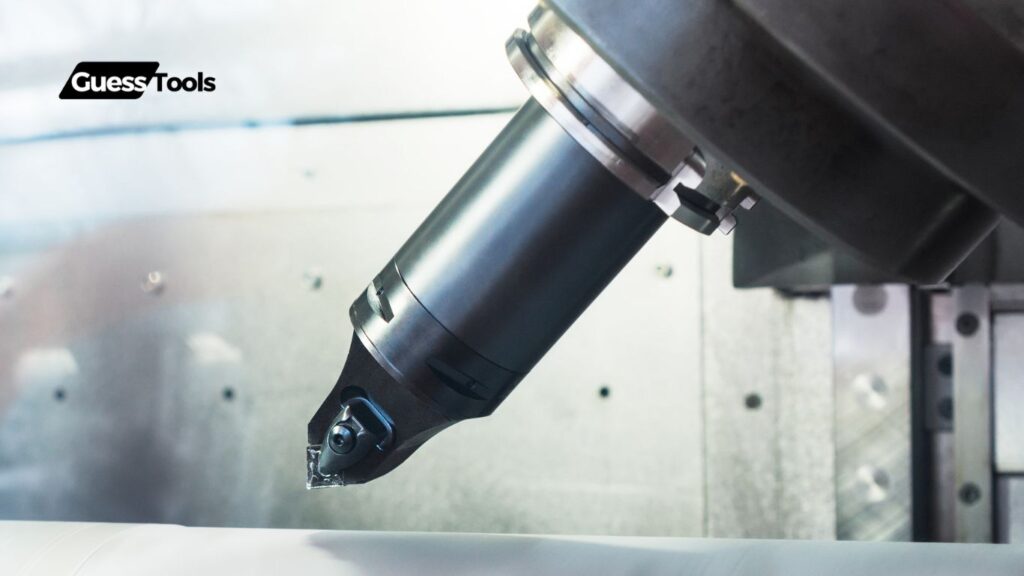
When choosing between carbide and ceramic inserts, understanding the financial implications is crucial. The right choice can significantly impact your bottom line through initial costs, replacement frequency, ja production efficiency.
Alkuinvestoinnin näkökohdat
Ceramic inserts typically come with a higher price tag than carbide options. You’ll find ceramic inserts often cost 2-3 times more than comparable carbide inserts in the initial purchase. This upfront cost difference can be substantial when outfitting an entire machining operation.
Why the price difference? Ceramic manufacturing processes require specialized equipment and higher firing temperatures, increasing production costs. The advanced materials used in ceramics (like aluminum oxide, silicon nitride, or zirconia) also contribute to the higher price.
For smaller operations or those with tight budgets, the higher initial investment can be a significant barrier. When planning purchases, we recommend calculating total tooling costs rather than just comparing individual insert prices.
Long-Term Value and Replacement Frequency
Despite higher upfront costs, ceramics often provide better long-term value through extended työkalu. Ceramics can last up to 5 times longer than carbide inserts when used in appropriate applications.
Replacement frequency comparison:
- Carbide inserts: More frequent replacement needed, especially in high-heat applications
- Ceramic inserts: Fewer replacements required, reducing downtime and labor costs
This reduced replacement frequency means fewer production interruptions. We’ve seen shops reduce their annual insert purchases by 35-40% after switching to ceramics for appropriate applications.
The math is straightforward: if a ceramic insert costs twice as much but lasts three times longer, you’re achieving significant savings in the long run. Don’t forget to factor in the labor cost of changing inserts and machine downtime.
Production Efficiency Impacts
Ceramic inserts enable higher cutting speeds—often 2-4 times faster than carbide—significantly improving production rates. This speed advantage directly translates to more parts produced per shift.
The efficiency gains include:
- Korkeammat materiaalien poistoasteet due to increased heat resistance
- Reduced cycle times on compatible materials
- Less machine downtime for tool changes
- More consistent part quality throughout insert life
We’ve observed that hard materials like cast iron and hardened steels see the most dramatic efficiency improvements with ceramics. Some operations report 30-50% reduction in cycle times after switching to ceramics for these applications.
However, ceramics aren’t always more efficient. Their brittleness makes them unsuitable for interrupted cuts or applications with vibration, where carbide often performs better.
When Higher Costs Are Justified
Ceramic inserts deliver the best return on investment in specific scenarios:
- Suuren määrän tuotanto where machine time is at a premium
- High-speed machining of hard materials (>45 HRC)
- Continuous cutting operations without interruptions
- Heat-intensive applications where carbide would degrade quickly
For aerospace and automotive industries working with hard alloys, the productivity gains easily justify the higher insert costs. One manufacturer reported a 22% cost reduction on a jet engine component by switching to ceramics despite the higher insert price.
Not every application needs ceramics. For low-volume work, softer materials, or interrupted cuts, carbide often remains the more cost-effective choice. We always recommend testing both options on your specific application before making a full conversion.
Selection Guide: Making the Right Choice

Choosing between carbide and ceramic inserts requires balancing several factors including material properties, application requirements, and operating conditions. The right insert can dramatically improve your koneistustehokkuus and part quality.
Materiaalikohtaiset suositukset
When deciding which insert to use, the material you’re cutting plays a crucial role:
For Steel Processing:
- Carbide inserts work well for most steel applications
- Coated carbide offers better wear resistance for higher speeds
- Keraamiset sisäosat excel when machining hardened steels (>45 HRC)
Valurautalle:
- Silicon nitride ceramics work exceptionally well
- Carbide with proper edge preparation handles interrupted cuts better
For HRSA (Heat-Resistant Super Alloys):
- Ceramic inserts can achieve speeds 20-30 times faster than carbide
- SiAlON ceramics offer good balance of wear resistance and toughness
Remember that material hardness, composition, and heat treatment will affect your final choice.
Operation Type Considerations
Different operations demand different insert characteristics:
Roughing Operations:
- Choose inserts with stronger leikkuureunat
- Carbide handles interrupted cuts and vibration better
- Harkita insert geometry with positive rake angles for lower cutting forces
Finishing Operations:
- Ceramic’s superior heat resistance allows higher speeds
- Look for specialized insert geometries with wiper edges for better surface finish
- Consider CBN for super-finishing of hardened materials
Turning vs. Milling:
- Continuous turning benefits from ceramic’s heat resistance
- Milling’s interrupted nature often favors carbide’s toughness
Your feed rate should match the insert type – ceramics generally work best at higher speeds but moderate feeds.
Speed and Feed Guidelines
Proper parameters ensure optimal performance from your chosen insert:
| Aseta tyyppi | Speed Range | Feed Range | Depth of Cut |
|---|---|---|---|
| Karbidi | 100-600 SFM | 0.004-0.020 IPR | 0.020-0.250″ |
| Keraaminen | 500-3000 SFM | 0.002-0.012 IPR | 0.010-0.100″ |
Tärkeimmät huomiot:
- Start conservatively with speeds and feeds, then increase gradually
- Ceramic inserts need higher speeds to generate proper cutting temperature
- Carbide offers more flexibility in syöttöasteet
- Match your cutting material to appropriate parameters
Are your machines capable of the higher speeds needed for ceramics? If not, carbide might be more practical despite ceramic’s theoretical advantages.
Decision Flowchart for Selection
Use these questions to guide your insert selection:
- What material are you cutting?
- Hardened materials (>45 HRC) → Consider ceramic
- Softer materials with interruptions → Lean toward carbide
- What’s your machine capability?
- High-speed capability → Ceramic can be utilized fully
- Limited RPM → Carbide may be more practical
- Is your setup rigid?
- Very rigid → Either insert type works
- Some flex or vibration → Carbide’s toughness helps
- What’s your priority?
- Maximum material removal → Ceramic for hard materials
- Versatility across jobs → Carbide offers more flexibility
Remember that cutting edge preparation is crucial – ceramics typically need careful edge preparation to prevent premature chipping.
Handling, Maintenance and Best Practices

Proper care of cutting inserts significantly impacts their performance and lifespan. The way you handle, store, and maintain both carbide and ceramic inserts can make a big difference in your machining results and overall costs.
Proper Storage and Handling Techniques
Ceramic inserts require extra care during handling due to their brittle nature. We recommend using a container with individual compartments to prevent the inserts from contacting each other. This helps avoid chipping and microfractures that might not be visible to the naked eye.
Always handle ceramic inserts with clean gloves to prevent oils from your skin transferring to the insert. These oils can create thermal shock issues when the insert heats up during cutting operations.
For carbide inserts, moisture is the main enemy. Store them in a dry place with silica gel packets in the container to absorb humidity. While carbide is tougher than ceramic, the edges can still chip if inserts are allowed to bump against each other.
Pro tip: Label your storage containers with insert specifications to avoid mix-ups that could lead to improper machine settings.
Yleisten kysymysten vianmääritys
When ceramic inserts crack unexpectedly, check for:
- Insufficient warm-up cuts
- Inconsistent coolant application
- Excessive cutting speeds
- Unstable workholding
Ceramic inserts generally work best with no coolant or with carefully directed air cooling. Liquid coolant can cause thermal shock in ceramics, leading to premature failure.
For carbide inserts that wear too quickly, consider:
- Reducing cutting speed
- Checking for proper coolant concentration (typically 5-10%)
- Verifying correct insert grade for the material
- Examining the tool holder for wear or damage
Is your insert creating poor surface finish? This often indicates improper speed/feed rates or inadequate rigidity in your setup rather than an insert problem.
Maximizing Lifespan for Each Type
We’ve found that rotating ceramic inserts at the first sign of wear can extend their useful life by up to 30%. Don’t wait until cutting edges are completely worn – small wear marks signal it’s time to rotate.
Carbide insert lifespan enhancers:
- Use moderate cutting speeds for longer wear life
- Ensure consistent coolant flow (when appropriate)
- Program tool paths to distribute wear evenly
- Clean insert seats thoroughly before mounting new inserts
For ceramic inserts, start with light cuts and gradually increase to operating parameters. This “warm-up” approach can significantly extend tool life by preventing thermal shock.
Remember that ceramic performs best at high cutting speeds but with lighter depths of cut. Carbide, meanwhile, tolerates heavier cuts but performs optimally with proper coolant delivery to manage heat generation.


