

وقتی نوبت به انتخاب تیغه اره مناسب برای پروژه شما می رسد، تصمیم بین گزینه های کاربید و الماس می تواند گیج کننده باشد. ما این مبارزه را درک می کنیم و می خواهیم به شما کمک کنیم تا بهترین انتخاب را برای نیازهای خاص خود داشته باشید. تیغه های الماس در واقع مواد را برش نمی دهند - در حالی که از طریق آنها خرد می شوند تیغه های کاربید استفاده از a عمل برش با دندان های مخصوص طراحی شده

با نگاهی به عملکرد در طول زمان، متوجه شده ایم که تیغه های کاربید شروع به از دست دادن خود می کنند کیفیت برش از همان اولین استفاده پایان به تدریج با هر برش تمیزتر می شود. از سوی دیگر، تیغه های الماسی، قبل از نشان دادن علائم سایش، برای مدت طولانی تری به طور مداوم تمیز می شوند. این تفاوت در طول عمر می تواند تاثیر زیادی بر نتایج پروژه و کیف پول شما داشته باشد.
ماده ای که برش می دهید باید انتخاب تیغه شما را راهنمایی کند. تیغه های کاربید برای بسیاری از موارد معمول به خوبی کار می کنند برش وظایف و موادی مانند چوب و برخی فلزات. تیغه های الماس با مواد سخت تری مانند بتن، کاشی و سنگ برتری دارند. ما متوجه شدیم که ابزارهای الماسی همچنین برشهای دقیقتری را با تحملهای سختتر نسبت به همتایان کاربید خود ارائه میکنند، که برای پروژههای جزئیات محور که نیاز به دقت دارند، اهمیت زیادی دارد.
مواد و ساخت و ساز: درک تفاوت های اساسی
کارایی تیغه اره تا حد زیادی به این بستگی دارد که از چه چیزی ساخته شده و چگونه ساخته شده است. تفاوت اصلی بین تیغه های کاربید و الماس از مواد اولیه آنها شروع می شود و به فرآیندهای تولید آنها گسترش می یابد.
کاربید تنگستن در مقابل ترکیب الماس مصنوعی
استفاده از تیغه های کاربید کاربید تنگستن، ترکیبی که در مقیاس سختی Mohs حدود 9 است. این ماده از ترکیب اتم های تنگستن و کربن در دمای بالا ایجاد می شود. ما متوجه شدیم که این تیغه ها معمولاً ویژگی دارند بیت های کاربید یا دندان هایی که به بدنه فولادی جوش داده شده اند.
از سوی دیگر، تیغه های الماس حاوی ذرات الماس واقعی هستند - سخت ترین ماده شناخته شده در مقیاس 10 در مقیاس Mohs. این الماس های جواهرآلات نیستند، بلکه الماس های صنعتی مصنوعی هستند که به طور خاص برای ابزارهای برش ساخته شده اند.
مقایسه سختی مواد:
| مادی | سختی Mohs | قدرت برش نسبی |
|---|---|---|
| کاربید تنگستن | 9.0 | عالی |
| الماس | 10.0 | استثنایی |
این تفاوت ممکن است روی کاغذ کم به نظر برسد، اما در عمل، سختی استثنایی الماس باعث میشود تا حدود 4 برابر بیشتر از کاربید در برابر سایش مقاوم باشد. به همین دلیل است که ما تیغه های الماس را برای سخت ترین مواد مانند بتن و چینی توصیه می کنیم.
فرآیندهای ساخت و عناصر طراحی
نحوه ساخت این تیغه ها به طور قابل توجهی متفاوت است. تیغه های کاربید معمولاً با لحیم کاری نوک کاربید بر روی یک دیسک فولادی در یک الگوی دقیق تولید می شوند. کیفیت لحیم کاری و درجه کاربید تا حد زیادی بر عملکرد تأثیر می گذارد.
برای تیغه های الماس، سازندگان از فرآیندی به نام استفاده می کنند “تف جوشی” جایی که ذرات الماس در یک ماتریس فلزی (اغلب کبالت یا برنز) جاسازی شده است. این چیزی را ایجاد می کند که ما آن را می نامیم “بخش الماس”
عناصر کلیدی طراحی:
- غلظت الماس: تعداد الماس بیشتر = عمر بیشتر
- اندازه الماس: ذرات بزرگتر سریعتر اما خشن تر بریده می شوند
- سختی باند: تعیین می کند که الماس ها با چه سرعتی در معرض دید قرار می گیرند
- طراحی بخش: بر خنک کاری و حذف زباله ها تأثیر می گذارد
ما متوجه پیشرفت های قابل توجهی در هر دو فناوری شده ایم. تیغه های الماس مدرن اکنون دارای بخش های جوش لیزری و کانال های خنک کننده تخصصی هستند، در حالی که طرح های کاربید هندسه دندان را برای برش های تمیزتر بهبود داده اند.
چگونه خواص مواد بر عملکرد تأثیر می گذارد
خواص مواد به طور مستقیم بر نحوه عملکرد این ابزارهای برش تأثیر می گذارد. تیغه های الماس از طریق سایش کار می کنند - ذرات الماس به جای برش، مواد را خرد می کنند. این آنها را برای مواد بسیار سخت و شکننده ایده آل می کند.
تیغه های کاربید بیشتر شبیه ابزارهای برش سنتی عمل می کنند، با دندانه های تیز کاربید مواد موجود در تراشه ها را از بین می برند. آنها در برش مواد نرم تر برتری دارند، جایی که لبه برش مشخص آنها بیش از سختی شدید اهمیت دارد.
عوامل عملکرد بر اساس مواد:
- مقاومت در برابر حرارت: ابزارهای الماس سختی را حتی در دماهای بالا حفظ می کنند، در حالی که کاربید در حدود 800 درجه فارنهایت شروع به نرم شدن می کند.
- شکنندگی: ذرات الماس در صورت برخورد شدید می توانند شکسته شوند
- سرعت برش: سختی الماس امکان برش سریعتر مواد ساینده را فراهم می کند
- الگوی پوشیدن: کاربید به تدریج کدر می شود، در حالی که ابزار الماس “خود تیز کردن” همانطور که ذرات قدیمی فرسوده می شوند
ما هر دو نوع را به طور گسترده آزمایش کردهایم و متوجه شدهایم که عمر تیغه الماس هنگام برش موادی مانند بتن میتواند 50 تا 100 برابر بیشتر از کاربید باشد، اگرچه هزینه آنها 3 تا 5 برابر بیشتر است. انتخاب مواد در نهایت به نیازهای خاص برش شما بستگی دارد.
کاربردهای ایده آل: تطبیق تیغه ها با مواد

انتخاب تیغه مناسب برای کار برش می تواند باعث صرفه جویی در وقت، هزینه و ناامیدی شما شود. ماده ای که می برید باید راهنمای اصلی شما در انتخاب بین تیغه های کاربید و الماس باشد.
نقاط قوت کاربید: چوب، پلاستیک، فلزات نرم
تیغه های با نوک کاربید هنگام برش مواد نرم تر عالی هستند. ما متوجه شدهایم که آنها روی چوب، از جمله الوارهای تحت فشار و تخته سه لا، عملکرد فوقالعادهای دارند. آنها همچنین برای برش ملامینه و مواد لمینت شده در جایی که لبه تمیز بسیار مهم است، ایده آل هستند.
ایده آل برای:
- چوب (جامد، مهندسی شده، تخته سه لا)
- پلاستیک و اکریلیک
- آلومینیوم و سایر فلزات نرم
- تخته خرده چوب با روکش ملامینه
هنگامی که با چوب کار می کنید و بعداً اتصالات چسب را اعمال می کنید، برش تمیز از یک تیغه کاربید تیز باعث ایجاد پیوندهای قوی تر می شود. بیت های روتر با نکات کاربید are particularly versatile for woodworking projects, allowing precise edge profiling and joinery.
One advantage we love about carbide blades is their relative affordability compared to diamond options. For most home workshops and construction sites dealing with non-masonry materials, they’re the practical choice.
Diamond Strengths: Concrete, Stone, Ceramics
Diamond blades outshine all competitors when cutting hard, abrasive materials. Their superior hardness allows them to maintain a consistent cutting edge much longer than carbide alternatives.
Best applications include:
- Concrete (green or cured)
- Natural stone (granite, marble)
- Porcelain and ceramic tiles
- Brick and other masonry materials
- Fiber cement board
ما متوجه شدهایم که تیغههای الماس در هنگام کار با این مواد سخت، کیفیت برش خود را بسیار طولانیتر از کاربید حفظ میکنند. در حالی که سرمایه گذاری اولیه بیشتر است، عمر طولانی آنها را برای کارهای بنایی معمولی مقرون به صرفه تر می کند.
برای برشکاری که مربوط به گرد و غبار است، می توان از بسیاری از تیغه های الماس به صورت مرطوب استفاده کرد و ذرات معلق در هوا را کاهش داد. این امر به ویژه برای پروژه های نوسازی داخلی یا هنگام برش موادی که گرد و غبار سیلیس تولید می کنند بسیار ارزشمند است.
محدودیت های بین برنامه ای
استفاده از تیغه نامناسب برای یک ماده می تواند منجر به نتایج ناامید کننده و خطرات احتمالی ایمنی شود. ما از نزدیک دیدیم که یک تیغه کاربید هنگام برش بتن یا سنگ چقدر سریع کدر می شود.
محدودیت های مهمی که باید به خاطر بسپارید:
- تیغه های کاربید به سرعت روی مصالح بنایی مات می شوند
- تیغه های الماس ممکن است به شدت از روی چوب برش دهند
- استفاده از الماس بر روی فلزات می تواند به تیغه آسیب برساند و خطراتی را ایجاد کند
سرعت برش نیز بین انواع تیغه ها به طور قابل توجهی متفاوت است. به عنوان مثال، یک تیغه الماس ممکن است کندتر از یک تیغه کاربید ساخته شده از چوب برش دهد، حتی اگر از نظر فنی بتواند برش را انجام دهد.
افزایش گرما یکی دیگر از نگرانی های مربوط به کاربرد متقابل است. استفاده از کاربید بر روی موادی که برای آن طراحی نشده است، منجر به اصطکاک بیش از حد می شود که به طور بالقوه باعث تاب برداشتن تیغه یا سوختن مواد می شود. ما همیشه توصیه می کنیم که تیغه را با مواد برای نتایج بهینه و ایمنی مطابقت دهید.
مقایسه عملکرد: دقت و کیفیت برش

هنگام انتخاب بین تیغه های کاربید و الماس، درک نحوه عملکرد هر کدام از نظر دقت و کیفیت بسیار مهم است. انتخاب صحیح می تواند در زمان، هزینه و ناامیدی شما صرفه جویی کند و در عین حال نتایج مورد نیاز پروژه خود را ارائه دهد.
کیفیت برش در مواد مختلف
تیغه های الماس در برش مواد سخت و ساینده مانند بتن، سنگ و سرامیک عالی هستند. ما متوجه شدیم که تیغه های الماس برش های تمیزتر و دقیق تری را با حداقل بریدگی روی این سطوح سخت ایجاد می کنند. این دقت ناشی از روشی است که ذرات الماس به تدریج مواد را از بین میبرند نه اینکه به زور آن را برش دهند.
Carbide blades, on the other hand, perform better on softer materials like wood and some metals. They can create clean cuts with sharp edges when used properly. However, when faced with very hard materials, carbide blades tend to dull quickly and may produce rougher cuts with more material waste.
For materials like fiber cement and some composites, both blade types can work, but diamond typically offers better edge quality and precision. Your material should be your primary consideration when choosing between these options.
Speed Comparison Across Applications
Diamond blades generally allow for نرخ تغذیه سریعتر on hard materials due to their superior hardness and heat resistance. We’ve observed that in CNC applications, diamond tooling maintains consistent سرعت برش even after extended use.
Carbide blades start out cutting quickly but slow down as they dull. Here’s a simple comparison:
| Blade Type | Initial Cutting Speed | Sustained Speed | Best Application |
|---|---|---|---|
| الماس | Moderate to High | Maintains well | Hard materials, production runs |
| کاربید | عالی | Decreases over time | Softer materials, shorter jobs |
The efficiency difference becomes more pronounced in professional settings where time equals money. For contractors doing multiple cuts throughout the day, diamond’s consistent cutting speed often justifies its higher initial cost.
Finishing Characteristics And Post-Cut Requirements
Diamond blades typically produce a cleaner finish that requires less post-processing. From our experience testing both options, diamond-cut edges stay smooth and clean from the first cut to the last. The search results confirm this, noting that “diamond tools maintain a nice clean finish right up until it” needs replacement.
Carbide blades start strong but finish quality deteriorates progressively. As one search result mentions, “the finish starts to deteriorate from the very first cut onward” with carbide tools.
What does this mean for you? With diamond blades, you’ll spend less time sanding, grinding, or otherwise finishing your cuts. This is especially important in visible installations where edge quality matters.
For precision work where clean cuts are essential, diamond blades typically offer superior results with fewer post-cut requirements.
Cost Analysis: Initial Investment Vs. Long-Term Value

When comparing carbide and diamond saw blades, understanding the financial implications is crucial for making the right choice. The price tag only tells part of the story, and we need to look at both short-term costs and long-term value.
Upfront Pricing Differences
Diamond blades typically cost 10-12 times more than their carbide counterparts, which can cause sticker shock for first-time buyers. A quality diamond blade might set you back $200-400, while a similar-sized carbide blade might only cost $20-40.
Price Comparison Chart:
| Blade Type | Entry Level | Mid-Range | Professional Grade |
|---|---|---|---|
| کاربید | $15-25 | $30-60 | $70-150 |
| الماس | $100-150 | $200-300 | $400-800+ |
This significant price difference often makes buyers hesitate. But is the higher upfront investment worth it? That depends on your specific needs and usage patterns.
Total Cost Of Ownership Calculation
The real value becomes clear when we calculate total cost of ownership (TCO). Diamond blades last significantly longer than carbide – between 25-100 times longer depending on the materials being cut.
Let’s break down a simple example:
- Carbide blade: $30, needs replacement after 20 hours of cutting
- Diamond blade: $300, lasts 500 hours (conservative 25× estimate)
Cost per hour calculation:
- Carbide: $1.50 per hour ($30 ÷ 20 hours)
- Diamond: $0.60 per hour ($300 ÷ 500 hours)
This calculation doesn’t even factor in labor costs for changing blades and downtime. For professionals, these hidden costs add up quickly!
Return On Investment Considerations For Professionals
برای professional contractors and workshops, the ROI on diamond blades is usually realized within weeks or months. We’ve found that high-volume users see the fastest returns.
Key ROI factors to consider:
- Frequency of use: Daily users benefit most from diamond blades
- Labor savings: Less time spent changing blades means more productive work
- سازگاری: Diamond blades maintain cutting quality longer
اگر مواد سختی مانند گرانیت، بتن یا مواد کامپوزیت را برش دهید، جدول زمانی ROI به طور چشمگیری کاهش می یابد. تیغه های الماسی در این سطوح چالش برانگیز که تیغه های کاربید به سرعت کدر می شوند برتری دارند.
آیا در نظر گرفته اید که چقدر زمان صرف تعویض تیغه می کنید؟ برای بسیاری از متخصصان، این به تنهایی تغییر به فن آوری الماس را توجیه می کند، به خصوص زمانی که مهلت های مشتری و جدول زمانی پروژه را در نظر بگیریم.
دوام و طول عمر: الزامات نگهداری
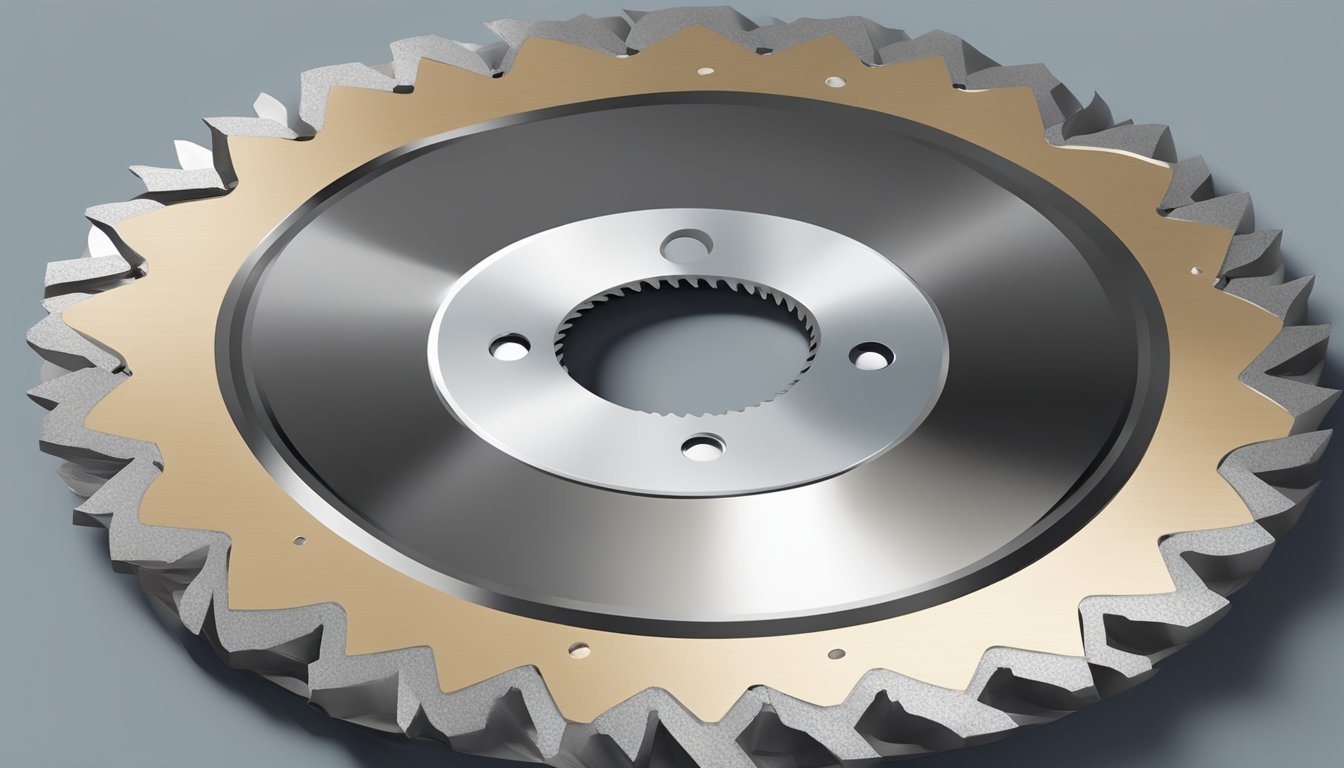
هنگام انتخاب بین تیغه های اره کاربید و الماس، درک عوامل دوام و نیازهای نگهداری آنها می تواند در هزینه و ناامیدی شما صرفه جویی کند. هر دو نوع دارای طول عمر متمایز و الزامات مراقبتی هستند که مستقیماً بر عملکرد برش و ارزش کلی شما تأثیر می گذارد.
مقایسه طول عمر مورد انتظار
تیغه های الماسی معمولاً با اختلاف قابل توجهی از تیغه های دارای نوک کاربید بیشتر دوام می آورند. در حالی که یک تیغه کاربید با کیفیت ممکن است بین 500 تا 1000 برش (بسته به سختی مواد) دوام بیاورد، تیغه های الماسی می توانند 5000 تا 7000 برش یا بیشتر را قبل از نیاز به تعویض انجام دهند.
این تفاوت هنگام برش مواد ساینده بیشتر آشکار می شود. نکات کاربید از اولین برش شروع به زوال می کنند و به تدریج کیفیت برش خود را از دست می دهند. در مقابل، diamond blades عملکرد ثابت خود را تا پایان عمر خود حفظ کنند.
ما دریافتیم که برای حرفه ای هایی که روزانه تراش می زنند، یک تیغه الماس با وجود هزینه های اولیه بیشتر، اغلب مقرون به صرفه تر است. برای کسانی که آخر هفته انجام می دهند، ریاضیات بسته به فرکانس پروژه شما تغییر می کند.
مقاومت در برابر دما نیز در دوام نقش دارد. تیغه های الماس شرایط گرمای بالا را بسیار بهتر از کاربید مدیریت می کنند، که در صورت گرم شدن بیش از حد می تواند سریعتر تخریب شود.
نیازهای تعمیر و نگهداری و فرکانس
نگهداری از تیغه های اره به درستی عمر آنها را صرف نظر از نوع آنها افزایش می دهد. تیغه های الماسی نیاز به تعمیر و نگهداری کمتری دارند اما از تمیز کردن گاه به گاه برای از بین بردن تجمع سود می برند.
برای تیغه های با نوک کاربید:
- پس از هر بار استفاده برای جلوگیری از تجمع رزین تمیز کنید
- هر 10 تا 15 بار استفاده از دندان های لق یا آسیب دیده را بررسی کنید
- در صورت نیاز نوک های کاربید را تیز کنید یا جایگزین کنید
- Store in protective cases to prevent accidental damage
For diamond blades:
- Perform “dressing cuts” in abrasive material occasionally to expose fresh diamonds
- Rinse with water after wet cutting to prevent slurry hardening
- Inspect for cracks or warping monthly if used regularly
We recommend setting up a simple maintenance schedule rather than waiting until cutting performance degrades. Five minutes of maintenance can add hours of cutting life!
Signs It’s Time For Replacement
Knowing when to replace your blade saves materials from damage and prevents safety issues. For both blade types, certain warning signs should never be ignored.
Listen for changes in cutting sound – صدای ناله با صدای بلندتر اغلب نشان دهنده کسالت است. مراقب دود در حین برش ها باشید، حتی زمانی که به شدت فشار نمی آورید، که نشان دهنده اصطکاک بیش از حد ناشی از یک تیغه فرسوده است.
با تیغه های کاربید، به دنبال:
- چندین دندان شکسته یا از دست رفته
- سرعت برش به طور قابل توجهی کندتر است
- آثار سوختگی که روی مواد بریده شده ظاهر می شوند
- لرزش در حین کار
برای diamond blades، تعویض زمانی لازم است که:
- لبه الماس نزدیک به هسته فرسوده شده است
- بخش ها ترک خورده، آسیب دیده یا گم شده اند
- تیغه دیگر مستقیماً بریده نمی شود
- لرزش بیش از حد در هنگام استفاده رخ می دهد
ما بسیاری از افرادی که DIYER را انجام می دهند دیده ایم که تیغه ها را از نقطه اوج خود عبور می دهند، اما این تنها منجر به نتایج ضعیف و خطرات بالقوه ایمنی می شود. هنگامی که شک دارید، جایگزینی تیغه خود مطمئن ترین انتخاب است.
روندهای صنعت و رشد بازار
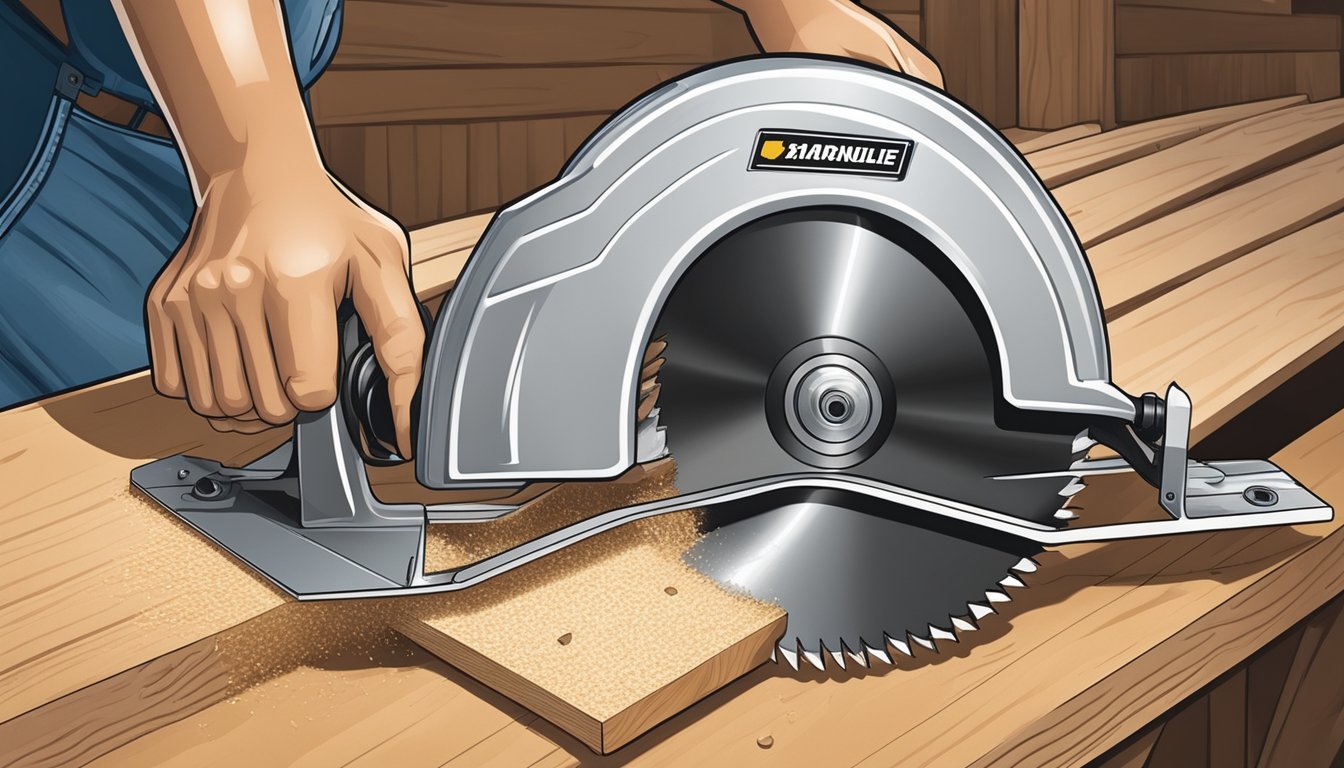
The saw blade market is experiencing steady growth with both carbide and diamond segments showing promising futures. Market data reveals interesting patterns in growth rates and technological innovations that are reshaping the industry landscape.
Current Market Sizes And Projections
The overall saw blades market was valued at approximately $15.17 billion in 2023 and is projected to reach $20.44 billion by 2031. This represents a healthy trajectory for manufacturers and suppliers in this space. Diamond saw blades specifically held a market value of $8.2 billion in 2023, with North American diamond blade markets accounting for $1.2 billion in 2022.
Looking at market segments, we’re seeing carbide saw blades dominating with a 55.2% market share as of 2023. This dominance reflects the widespread application of carbide blades across various industries.
Market Highlights:
- Overall saw blades market: $15.17B (2023) → $20.44B (2031)
- Diamond saw blades market: $8.2B (2023)
- North America diamond market: $1.2B (2022) → $1.8B (projected by 2030)
Growth Rates In Different Sectors
We’re tracking different growth rates across various blade technologies and markets. The overall saw blades industry is growing at a CAGR of 3.8% through 2031, while diamond saw blades specifically are expanding at a more modest 2.41% CAGR.
Regional markets show interesting variations too. North America’s diamond saw blade market is expected to grow from $1.2 billion in 2022 to $1.8 billion by 2030, representing stronger regional growth than the global average.
The construction industry remains the primary driver of growth, with infrastructure projects and residential construction creating steady demand. Metal fabrication and woodworking sectors are also contributing significantly to market expansion.
Technological Advancements Driving Changes
We’re witnessing exciting innovations that are transforming both carbide and diamond blade technologies. Improved manufacturing processes have extended blade lifespans and cutting precision, making them more cost-effective for end-users.
Advanced bonding technologies are enhancing the attachment of diamond particles and carbide tips to blade bodies. This creates more durable products with longer service lives between replacements.
Specialized coatings are another area of innovation, reducing friction and heat during cutting operations. These improvements are particularly important for high-speed applications where traditional blades would quickly deteriorate.
Key technological trends:
- Nano-diamond particle incorporation
- Laser-welded diamond segments
- Hybrid designs combining carbide and diamond elements
- Computer-optimized tooth geometries
- Vibration-reducing blade bodies
Professional Selection Guide: Making The Right Choice

Choosing between carbide and diamond blades can make or break your project’s success. We’ve worked with contractors for years and found that the right selection comes down to understanding your specific needs, budget constraints, and long-term goals.
Decision Framework Based On Project Type
When selecting between carbide and diamond blades, project type is your first consideration. For woodworking projects, carbide-tipped blades are typically your best bet. They provide clean cuts in soft to medium-hard woods at a reasonable price point.
Are you cutting masonry, concrete, or brick? Diamond blades are your go-to option. These materials would quickly dull carbide blades, making your work inefficient and costly.
For metal cutting, consider these options:
- Soft metals: Standard carbide blades
- Hardened metals: Specialized carbide with harder formulations
- Abrasive metals: Diamond blades for longer life
The cutting environment matters too. Will you have access to water for cooling? Wet diamond blades work excellently for prolonged cutting sessions since they stay cooler.
Common Selection Mistakes To Avoid
The biggest mistake we see professionals make is choosing blades based solely on price. A cheaper blade often results in more frequent replacements and poorer cut quality.
Another common error is ignoring blade specifications. Not all carbide is created equal! C2 or C3 carbide formulations offer different hardness levels – softer carbides resist shock better but dull faster.
Watch out for these red flags:
- Using dry diamond blades without proper ventilation
- Selecting the wrong tooth count for your material
- Ignoring arbor size compatibility with your saw
Don’t forget about blade diameter. Using an incorrectly sized blade can damage your equipment and create safety hazards.
When To Invest In Premium Options
Is it worth spending more on high-end blades? For professionals, absolutely yes. Premium cermet blades might cost 30% more than standard options but can last 50% longer, improving your overall value.
زمانی که:
- You’re working on high-visibility finished products
- Labor costs for blade changes exceed the price difference
- Project deadlines demand uninterrupted workflow
Premium diamond blades with higher diamond concentration and better bonding agents provide cleaner cuts and longer life spans. For regular concrete cutting, these upgrades pay for themselves quickly.
We’ve found that contractors who invest in quality blades actually save 15-20% on their overall project costs when factoring in labor and downtime. Look for respected brands with warranties that back their performance claims.
Conclusion: Balancing Performance, Cost, And Project Requirements

Choosing between diamond and carbide saw blades comes down to understanding your specific needs. The right blade depends on your budget, materials you’re cutting, and how often you’ll use it.
Summary Of Key Decision Factors
When deciding between diamond and carbide blades, cost vs. longevity is a major factor. Diamond blades cost more upfront but can last up to 25 times longer than carbide options. This makes them more economical for frequent users or large projects.
سازگاری مواد should guide your choice too. Diamond blades excel with:
- Concrete
- Stone
- Tile
- Other hard, abrasive materials
Carbide blades work better for:
- Wood
- Soft metals
- پلاستیک
- Composites like Azek
Your project size matters a lot. For occasional DIY projects, carbide blades might be more practical. The initial savings make sense if you won’t use the blade often enough to benefit from diamond’s longevity.
Final Recommendations
We suggest diamond blades if you:
- Work with hard materials regularly
- Need precision cuts on abrasive surfaces
- Can invest more upfront for long-term savings
- Handle large-scale or professional projects
Go with carbide blades when you:
- Cut primarily wood or softer materials
- Have budget constraints
- Need a versatile tool for different materials
- Work on occasional home projects
For homeowners doing mixed projects, consider having both types. A quality carbide blade for wood and a diamond blade for any masonry work gives you the best of both worlds.
Remember to match the blade to your saw’s specifications and always wear proper safety gear regardless of which blade type you choose.


