

Have you ever wondered how those tiny metal pieces, karbiidi lisamine, make such a big difference in metalworking? These essential tools allow us to machine metals with high precision and efficiency. Carbide inserts are small cutting tools used in machining to shape metals like steel, cast iron, and high-temperature alloys. They’re known for their ability to be flipped or rotated, ensuring we can use every edge for cutting, which makes them cost-effective and versatile.
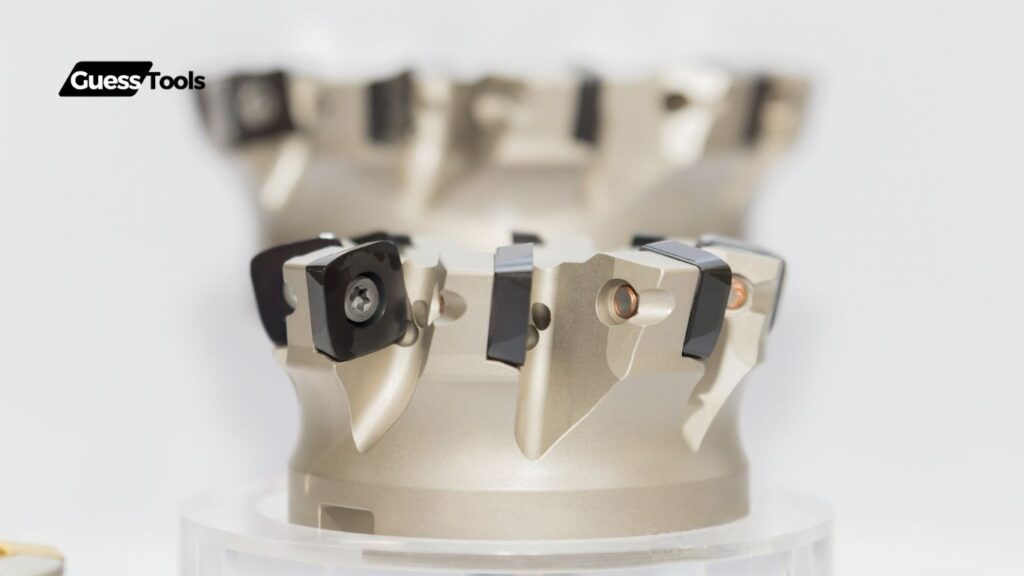
Carbide inserts come in various types, each suited for specific tasks. Positive inserts, with their angled design, offer smoother cuts in soft materials, while negative inserts provide stability for harder metals. Large companies, like Kennametal, focus on producing these durable and reliable inserts that can withstand the pressures of industrial machining. Their indexable nature – being able to swap out a worn insert without changing the whole tool – saves us time and money.
Choosing the right carbide insert depends on the material we’re working with and the desired finish. By understanding the differences between insert types and grades, we can make informed decisions that impact the efficiency and quality of our machining processes. Whether we’re tackling a simple project or something more complex, having the right insert can make all the difference.
Understanding Carbide Inserts: The Fundamentals
Carbide inserts are essential tools in many machining operations, providing durability and precision. Let’s explore what makes these inserts invaluable to machining processes by examining their purpose, composition, and properties.
What They Are and Why They Matter
Carbide inserts are a type of cutting tool used in precision machining. They help us remove material from workpieces efficiently. Why are they important? Well, they increase productivity by allowing faster machining with improved surface finishes.
These inserts are typically made of volframkarbiid, a strong material that remains stable even under high heat. Their durability makes them suitable for heavy-duty machining operations, allowing us to maintain a high degree of accuracy and consistency in our work.
Core Components and Composition
The composition of carbide inserts is fascinating. At their core, they are made of carbide particles bonded together by a metallic binder, usually cobalt. This combination is known as cemented carbide.
The exact ratio of carbide to binder affects the insert’s performance. If you’re curious about toughness and resistance to wear, it’s all about choosing the right composition. Some carbide inserts are coated to enhance performance further, adding to their heat resistance and cutting efficiency.
Key Properties That Make Them Valuable
Carbide inserts stand out in machining due to their toughness ja kuumakindlus. Because they can withstand extreme conditions, they are less prone to wear and damage. This toughness allows us to use them for extended periods without frequent replacements.
Their ability to handle high temperatures means we can use them in demanding machining operations without compromising the quality of the cut. Additionally, the heat resistance ensures that the tool maintains its integrity, leading to better finishes on machined parts. Each of these properties contributes to the reliability and efficiency of carbide inserts in our machining tasks.
Types and Configurations

When it comes to carbide inserts, understanding their different types and configurations is crucial. They vary in shapes, coatings, and specialized functions, which all impact performance in machining tasks. Whether you are turning, milling, or drilling, knowing these differences helps us choose the best insert for the job.
Common Shapes and Geometries
Carbide inserts come in many shapes, each designed for specific tasks. Triangles are known for their high strength and are perfect for heavy-duty cutting. Diamond shapes offer great versatility for finishing and light cutting tasks. Round inserts, often called button inserts, excel at handling large cutting depths and curved surfaces. We can also find spetsiaalsed geomeetriad like squares and rectangles for more specific applications. Choosing the right shape impacts efficiency and precision during cutting operations.
Different Coating Options
Adding coatings to carbide inserts is a common practice to improve their longevity and performance. Titaannitriid (tina) is one of the most popular coatings, offering good wear resistance and lower friction. Titanium Aluminum Nitride (TiAlN) ja Titanium Carbide (TiC) provide enhanced thermal stability for high-speed operations. These coatings help protect the inserts from heat and improve cutting efficiency. Using coated carbide inserts can result in increased tool life, minimizing the need for frequent replacements.
Specialized Variants for Specific Applications
Did you know there are specialized carbide inserts designed for unique tasks? Turning inserts are versatile and commonly used for shaping metals and plastics. Milling inserts cater to complex milling processes, providing precision in creating grooves and patterns. In some cases, manufacturers design custom inserts for tasks outside standard machining, like handling unique materials or difficult shapes. Understanding these specialized variants allows us to pick the most effective tool for our specific needs.
Õige valiku tegemine
Choosing the right carbide insert is crucial for efficient machining. Let’s look into how factors like application requirements, insert grades, workpiece materials, and performance metrics play a role in selecting the best option for our needs.
Selection Criteria for Your Application
When we talk about choosing the correct carbide inserts, it starts with knowing what our specific application needs. Are we working on turning, milling, or facing? Each operation has its own demands. Indekseeritavad sisetükid are popular due to their ability to be replaced quickly, which minimizes downtime.
Criteria such as cutting speed, feed rate, and tööriista geomeetria matter. High feed rates increase productivity, but they require an insert that can handle the pace. If we’re dealing with malmist, certain inserts are better suited to manage the wear.
Understanding Grade Specifications
Carbide insert grades are essential for matching tool capabilities with the task. They help us identify how well an insert handles factors like surface quality and wear. These grades affect how efficiently we can machine materials like steel or cast iron. ISO code systems often give us a quick guide to understanding these grades.
When choosing a grade, we must consider chip control ja kuumakindlus. Some grades offer better heat dissipation, which is key when we aim for faster machining without overheating or tool breakage.
Matching Inserts to Workpiece Materials
Our choice should also match the material being machined. Different materials require distinct insert properties. For example, turning inserts designed for stainless steel might not suit softer materials. When machining malmist, we need inserts that can handle its abrasive nature.
This is where täpsus plays a role. Some inserts are crafted for more delicate work, allowing us to achieve fine finishes. By understanding the material, we can avoid unnecessary wear and ensure a smoother operation.
Performance Considerations
Performance is the heartbeat of machining, and choosing the right insert impacts our results. Factors like tool geometry and indexable bits can influence performance. Higher-quality surface finishes are achievable with the right carbide insert grade.
We should think about the lifespan of the insert as well. Can it maintain consistency throughout its usage? Bad inserts can ruin our work, making regular reviews of performance necessary. Regular checks help us ensure everything works without risking the project quality.
Applications Across Industries

Carbide inserts are essential tools in various industries due to their precision, durability, and adaptability. They play a significant role in enhancing machining efficiency and performance in several critical sectors. Let’s look at their diverse applications.
Manufacturing and Metalworking
In manufacturing and metalworking, carbide inserts are vital for tasks like milling, turning, and drilling. They are used with machines such as milling cutters and face mills. Their ability to withstand high temperatures and maintain a sharp edge ensures efficient material removal and better finishes on metals, including steels and high-temperature alloys. These inserts improve productivity through their longer tool life compared to high-speed steel tools, which often require frequent replacements.
It’s fascinating how they make precise cuts even at high speeds. By utilizing carbide inserts, manufacturers can enhance quality and reduce operational costs, making them indispensable in metalworking operations.
Automotive and Aerospace
Selle automotive ja aerospace industries rely heavily on carbide inserts for manufacturing precision components, such as engine blocks ja cylinder heads. These inserts provide the necessary accuracy and finish needed for automotive engine parts, leading to better performance and efficiency.
In aerospace, they are crucial when machining high-strength materials like titanium and other high-temperature alloys. Their resistance to heat and wear make them suitable for these demanding applications, resulting in reliable and safe aerospace components. Plus, their versatility means they adapt to evolving industry needs, continually supporting innovation.
Tool and Die Making
Carbide inserts are important in the tool and die making sector, used to craft dies, molds, and custom tools. Their ability to hold intricate shapes and maintain sharpness makes them perfect for shaping materials into specific forms. We can appreciate their contribution to producing uniform and high-quality products consistently.
By incorporating carbide inserts, toolmakers achieve greater precision and reduced production times. It’s amazing how these inserts help create durable tools that can withstand repeated use while maintaining their cutting edge longer than alternatives.
Other Specialized Applications
Outside of these major industries, carbide inserts find use in various specialized fields. From high-speed machining of nonferrous materials to shaping complex parts in electronics and medical device manufacturing, the adaptability of carbide inserts cannot be understated. Boring bars and endmills also benefit from carbide inserts’ resilience and cutting precision.
Their application in specialized areas highlights the versatility and technological integration that carbide inserts offer, continually supporting innovation across several sectors. The wide applicability ensures that wherever precision and durability are key, carbide inserts are likely playing a part.
Maximizing Performance and Value

In this section, we’ll explore key strategies for getting the most out of carbide inserts. We’ll discuss best practices for usage, maintenance routines, addressing common issues, and tips for cost-effective operations.
Best Practices for Usage
To enhance the performance of carbide inserts, let’s first focus on using the right cutting parameters. Adjusting the cutting speed, feed rate, and depth of cut is crucial. By optimizing these factors, we can prolong tööriista eluiga and achieve better finishes.
Don’t forget about using the right coolant. A good coolant helps reduce heat, improving the wear resistance of our tools. Regular inspection of the inserts for any signs of wear or damage before starting operations is also important. These checks ensure efficient and smooth machining processes.
Maintenance and Care
Maintaining carbide inserts is essential for durability and efficiency. Regular cleaning is key to prevent material build-up. We suggest wiping down slices with a soft cloth to clear away residues. While doing this, take time to check for chips and cracks.
Storing the inserts properly also extends their life. Keep them in a dry, temperature-controlled environment. Rotating the inserts instead of using one face continuously can ensure even wear, giving us extended tool life and better performance.
Levinud probleemide tõrkeotsing
Encountering problems when using carbide inserts is not uncommon. One of the most frequent issues is premature wear. Check if we are using the correct cutting speed and feed rate. High speeds can cause excessive wear, reducing tool efficiency.
If we’re noticing poor surface finish, this might be due to improper tool alignment or worn-out inserts. Reassess the holder styles and alignment settings. Ensuring our tools are securely fastened minimizes vibrations, leading to smoother cuts and improved finishes.
Cost-Efficiency Considerations
To maximize value, look at the cost-effectiveness of our carbide inserts. Investing in quality inserts might seem expensive upfront, but they offer longer tool life and improved durability, saving us money in the long run.
Use a table to compare insert costs and benefits:
| Insert Quality | Esialgne maksumus | Vastupidavus | Tööriista elu |
|---|---|---|---|
| Standard | Madal | Mõõdukas | Short |
| Premium | Kõrge | Kõrge | Long |
Keeping track of our machining operations helps assess areas for cost savings, allowing us to make informed choices that balance our budget with performance needs.
Technology and Future Developments
In the rapidly changing world of carbide inserts, we’re seeing significant advancements in their technology and development. From enhanced grades to trends influencing market growth and the emergence of new technologies, there’s much to discuss.
Advanced Grade Developments
Advancements in carbide insert grades continue to lead the way in machining. Multi-layer coatings and nano-grain carbides are gaining traction. These innovations help improve wear resistance, which is vital for extending the tool’s life.
Sintering remains a key process, as it binds materials at higher temperatures to create exceptionally hard inserts. Manufacturers are focusing on eco-friendly processes and materials that lessen environmental impact while maintaining high performance.
Market Trends and Growth
Carbide inserts are becoming increasingly popular due to their durability and recyclability. We’re seeing growth in demand due to industrial expansion, especially in Asia-Pacific. Industries like automotive and aerospace are driving this growth as they seek efficient machining solutions.
Sustainable alternatives to traditional tools are in high demand. Recyclability is particularly appealing to industries looking for cost-effective and environmentally friendly options. This creates a vibrant market for these täiustatud tööriistad.
Emerging Technologies and Innovations
New technologies are opening exciting prospects for carbide inserts. Multi-functional and multi-layered inserts are among the latest innovations, offering enhanced performance for various applications. These new designs provide more versatility, which is crucial in demanding manufacturing environments.
Manufacturers are also exploring advancements in tailored micro-geometries. This results in inserts that can handle specific tasks with greater efficiency. The focus on innovative technologies helps meet unique industry demands, pushing the boundaries of what’s possible with carbide inserts today.
Järeldus
So, what makes carbide inserts so essential in the world of machining? We’ve seen that they are known for their täpsus, durability, ja efficiency.
Carbide inserts come in various grades and types. They allow manufacturers to choose the best fit for their specific needs, whether it’s milling, turning, or another application. Prices can vary, typically ranging from $10 to $60 per insert. This flexibility helps us optimize operations without breaking the bank.
They are especially important in industries like automotive and mining, where getting the right tool can make a huge difference. Using the correct insert can improve productivity and accuracy, which are vital for our business success.
We know that selecting the right carbide insert isn’t just about the tool itself. It involves understanding the material we’re working with and the conditions under which it’s used. Compatibility with our existing equipment and balancing cost with performance are key factors to consider.
In the end, our choice of carbide inserts drives the quality of our final products. Let’s use this knowledge to make informed decisions for our machining processes.


