

Are you curious about how tiny bits of metal can transform into threads that hold our everyday items together? Threading tools are the unsung heroes in creating and repairing these essential components. From taps and dies to advanced thread-turning tools, these devices allow us to cut, repair, and maintain threads with precision. Whether you’re a DIY enthusiast or a professional machinist, understanding these tools can vastly improve your work efficiency and quality.
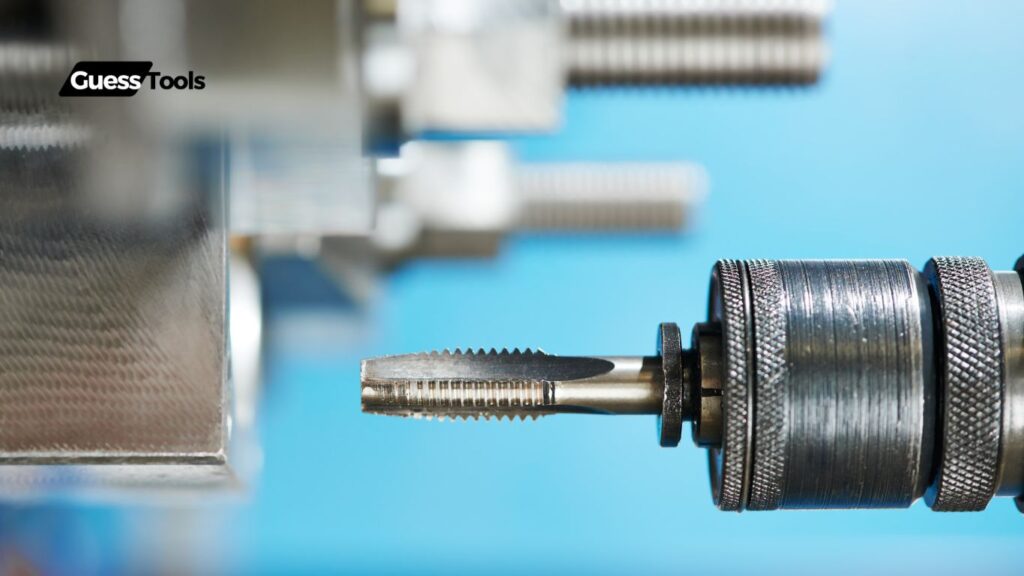
Let’s dive into what makes threading tools so essential. Taps and Dies, for instance, come in various sizes such as Metric M2 to M18 and serve different functions. They are vital for creating both internal and external threads. Did you know that some tap and die sets come with over 110 pieces? This means you have everything you need for a wide range of threading tasks at your disposal.
Imagine having a tool that can fix rusted threads or remove debris from tapped holes. That’s exactly what thread-repair tools offer. They not only save time but also extend the life of screws, pipes, and even machinery. Our exploration into these versatile tools will show you how they can be game-changers in both small and large projects. So, let’s explore together how threading tools make our technical tasks easier and more efficient.
Understanding Threading Tools
Threading tools are essential in creating internal and external threads. They are used in various manufacturing processes and come in different types and sizes. We will explore their purpose, important applications, and key terminology.
What Are Threading Tools?
Threading tools are specialized instruments used to cut and form threads on the inside or outside of materials like metal and plastic. The main types include taps, dies, and threading inserts. Taps cut internal threads, dies make external threads, and inserts are used in high-production settings for more complex threads.
These tools need to be precise to ensure a correct fit. The size and type depend on the material and the tråd specifikationer, such as metric or imperial measurements. The right choice determines the strength and functionality of the final product.
Core Applications And Importance In Manufacturing
Threading tools play a crucial role in manufacturing, providing the means to assemble components securely. They are essential in industries like automotive, aerospace, and machinery production, where precise threading ensures components fit and function correctly.
Using high-quality tools, such as carbide taps or thread mills, improves the durability and performance of threads. This precision reduces material waste and production time, ultimately saving costs. A good example is the use of threading taps in engine components, ensuring each part aligns perfectly.
Basic Terminology Every User Should Know
Understanding key terms is vital for anyone working with threading tools. Pitch refers to the distance between thread peaks, while TPI (Threads Per Inch) is common in imperial systems. These measurements guide the selection of the right tool.
Føre describes the distance a screw thread advances axially in one turn. Another important term is flute, referring to the grooves in taps that allow chips to escape. Knowing these terms helps users choose and use tools effectively, ensuring quality threaded connections every time.
Types Of Threading Tools: Making The Right Choice

Choosing the right threading tool can make a big difference in the quality and durability of threads. We’ll look at various types of threading tools like taps, dies, thread mills, and specialty tools, helping us decide which ones are best for different tasks.
Taps For Internal Threading
Taps are essential for creating threads inside a hole. They come in different types. Hand taps, for example, are often used in manual threading thanks to their simple design. Machine taps are perfect for faster production tasks. Plug taps, bottoming taps, og taper taps each have special uses, primarily affecting thread depth and ease.
We may choose taper taps for starting the process or bottoming taps for threading to the bottom of blind holes. Consider the material, as some taps are made specifically for hard metals or plastics. Glossary charts can help identify the perfect tap.
Dies For External Threading
Dies cut threads on the outside of a rod or pipe. We can think of them as the opposite of taps. Round dies are common and work well for most tasks. Hex dies are another option, often used with a wrench for manual applications.
Adjustable round dies offer flexibility and can be set for different thread depths. It helps to know the exact size and pitch needed before choosing a die. Generally, selecting the right die involves matching it with the thread standard like UNF eller UNC. This ensures compatibility with screws and bolts.
Trådmøller
Thread mills are versatile because they can create both internal and external threads. Their use is growing, especially in CNC machining. They offer great precision, making them suitable for high-tolerance tasks.
Unlike taps or dies, thread mills cut threads using a rotating cutter. This means less force and heat, which is beneficial for delicate materials. Single-form and multi-form are popular choices, with the latter being faster given its ability to create multiple threads in one pass. We should also consider the material of the thread mill, like Carbide, for Høj ydeevne.
Chasers And Specialty Tools
Chasers are used in thread cutting lathes to create threads on a workpiece. These are often used in situations where speed and efficiency are essential. Specialty tools like thread cutting abrasive disks can achieve great results in hard materials, often offering finishes with minimal burr.
For intricate, fine-thread work, some specialty tools can handle unique tasks that taps and dies might struggle with. Specialty tools often fill gaps and allow us to tailor our approach. When working with these, understanding the materials and machines they are suited for will optimize our outcomes.
Material Science In Threading Tools
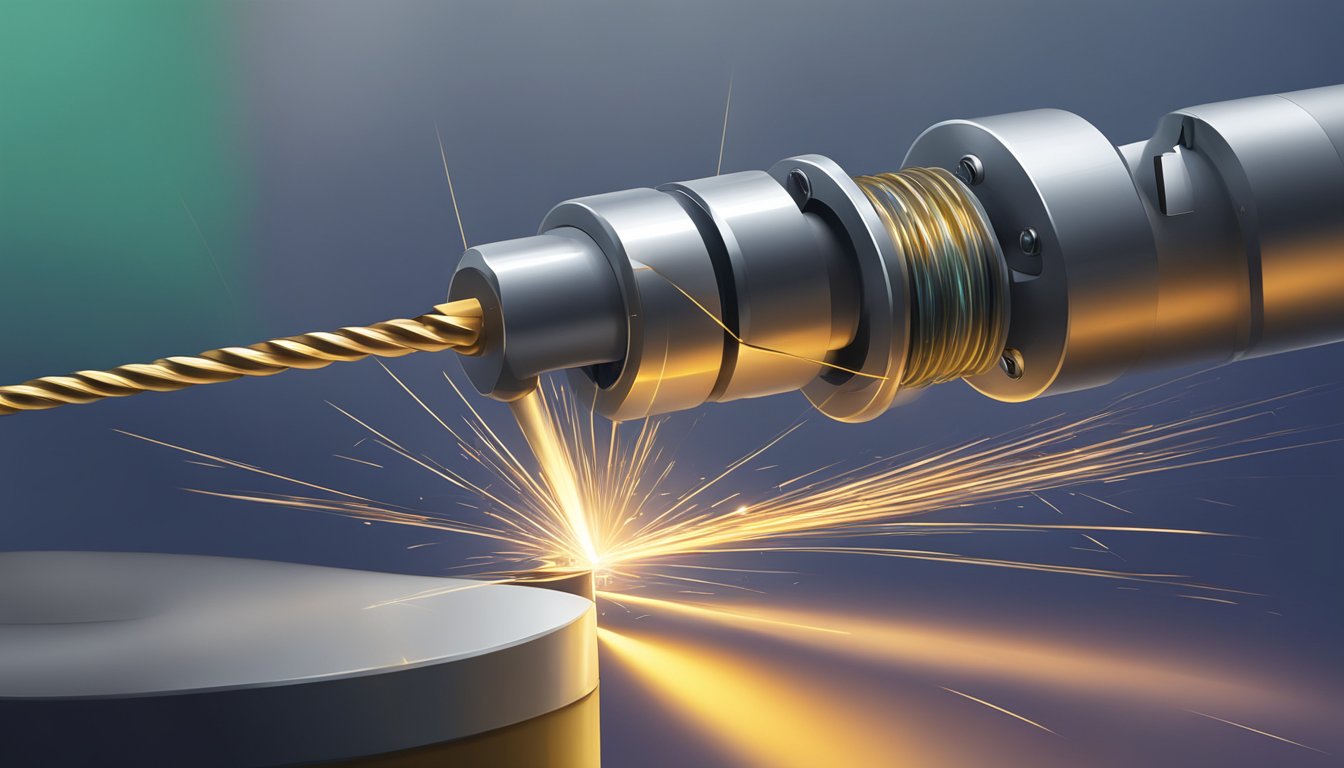
When it comes to making threading tools, the materials we choose play a big role. We need to consider how strong and durable they are, especially when they’re used in tough conditions. In this area, materials like High-Speed Steel, carbide, and cobalt alloys stand out.
High-Speed Steel (HSS) Tools
High-Speed Steel (HSS) is a popular choice for threading tools. You might wonder why. Well, it’s because HSS is tough and versatile. We find it especially useful in situations where the tool shouldn’t lose its sharpness too quickly.
These tools maintain their edge at higher temperatures, which makes them ideal for operations that involve a lot of heat. HSS tools are cost-effective compared to other materials, meaning we can use them in various applications without breaking the bank.
Carbide Threading Tools
Carbide threading tools step up in situations where even more durability is needed. Made largely from tungsten carbide, these tools are extraordinarily hard and wear-resistant. Why is this important? It means they can handle long-term use even on hårde materialer, like steel and super-alloys, without losing efficiency.
Carbide tools perform better in high-speed settings. They offer precision and quality in professional settings where we need reliable results every time. Though pricier, they are often worth the investment due to their reduced tool replacement and maintenance costs.
Cobalt Alloy Options
When it comes to high-temperature applications, cobalt alloys stand out. These are premium materials that can maintain their strength even when things heat up. So, what does this mean for us? We are less likely to worry about tool deformation or wear during high-stress processes.
These alloys provide the much-needed balance between toughness and Varmebestandighed. They are used mainly in demanding environments like aerospace and heavy manufacturing. Although they come at a higher cost, the benefits in performance and longevity often make these tools an attractive option for specific, high-demand tasks.
Practical Guide: Using Threading Tools

Threading tools are vital in many industries for creating precise threads in different materials. From understanding the threading process to learning about safety and avoiding common errors, we’ll explore everything needed to master threading tools effectively.
Step-By-Step Threading Process
Let’s start by understanding the threading process.
- Select the Right Tool: Choose from taps, dies, or thread chasers based on whether you’re cutting internal or external threads.
- Prepare the Material: Ensure the workpiece is clean and sized correctly.
- Lubricate: Use a suitable lubricant to reduce friction and wear.
- Align the Tool: Keep the tool perpendicular to the work surface to avoid skewed threads.
- Engage and Cut: Begin threading carefully. Avoid applying excessive force.
- Reverse and Clean: Occasionally reverse the tool to break chips and prevent jamming.
By following these steps, we can achieve clean, durable threads that meet our project’s specifications.
Sikkerhedsovervejelser og bedste praksis
Safety is crucial when using threading tools. Unsafe practices can lead to injuries and damage. Always wear safety goggles and gloves to protect against metal shavings and tool slips.
Keep the workspace organized and free from clutter. A clean area ensures precise work and reduces risks. Regularly check tools for wear and tear. Worn tools can cause faulty threads or even break.
Don’t forget to maintain a firm grip on tools to avoid unexpected slips. Practicing consistent and steady pressure helps minimize problems and maintain control.
By following these best practices, we ensure our safety while working with threading tools.
Fælles fejl at undgå
Mistakes can easily derail a threading job.
One common error is misaligning the tool. If it’s not perfectly perpendicular, the thread can become uneven or damaged.
Another frequent issue is skipping lubrication. Lubrication helps in reducing heat and ensures smoother cuts. Without it, threads can become rough and tools may wear rapidly.
Inaccurate measurements are another culprit. Double-check all measurements before cutting to prevent costly errors. Lastly, rushing the process can lead to sloppy work. Patience in threading delivers the best results.
By avoiding these pitfalls, we enhance both quality and efficiency in our projects.
Tips From Industry Experts
Industry experts have some valuable insights for us. Ensuring tool sharpness is one vital tip. A sharp tool reduces effort and improves thread quality.
When using taps and dies, experienced professionals recommend starting with a gentle touch. Let the tool do the work rather than forcing it.
Brug af high-quality coolants can improve results by controlling temperatures and extending tool life.
Lastly, keeping tools organized and properly stored prevents unnecessary damages or losses. Following these expert tips will certainly enhance our threading technique.
Troubleshooting Guide
When issues arise, troubleshooting becomes essential.
Problem: Threading tool gets stuck frequently.\
Løsning: Check if chips are clogging the tool. Reverse the tool occasionally during use to clear debris.
Problem: Threads are rough or uneven.\
Løsning: Inspect tool sharpness and ensure proper lubrication.
Problem: Tool slips and damages the thread.\
Løsning: Double-check alignment and pressure applied on the tool.
By identifying these common problems, we can troubleshoot effectively and get back on track with minimal disruptions.
Maintenance And Longevity

Taking care of threading tools is key to ensuring they last a long time and work well. Let’s explore how cleaning, storing, and sharpening these tools can help them perform at their best.
Essential Cleaning Procedures
Cleaning is the first step in maintaining our threading tools. After each use, we should clear away debris, chips, and cutting fluids. Consider using a small brush or compressed air to dislodge particles stuck in the threads. It’s also important to wipe the tools with a cloth soaked in a light oil, which helps prevent rust.
Regular cleaning not only keeps tools in good shape but also boosts performance. Clean tools make better cuts, leading to cleaner threads and less rework.
Korrekt opbevaringsteknikker
Proper storage is another crucial aspect. Storing tools in a dry, organized space minimizes the risk of rust and physical damage. Use protective cases or racks to prevent tools from hitting each other and becoming dull.
Labeling shelves or bins with the type and size of tools can save us time when searching for a specific tap or die. Consider using silica gel packs for added moisture protection if the storage area has high humidity.
Sharpening Guidelines
Sharpening boosts tool longevity and efficiency. A dull threading tool can produce poor-quality threads and compromise our projects. Using a fine diamond file, we can carefully sharpen the cutting edges, paying attention to maintaining the tool’s original angles.
Regular inspection of the cutting edge helps us decide when sharpening is needed. Tools kept sharp are less likely to break and provide consistent results.
Signs Of Wear And Replacement Indicators
Knowing when to replace a threading tool is just as important. We should look for signs like chipped edges or tools that seem to require more force than usual – indicators that the tool is worn out.
Monitoring tool performance over time helps maintain quality. Keeping a log of usage can give us insights into when a tool typically starts to wear down, aiding in proactive replacements.
Cost-Saving Maintenance Tips
Maintaining tools doesn’t have to be expensive. Regular care prevents costly replacements and downtime. Use multi-purpose oils for both cleaning and lubrication to cut costs. Simple tools like brushes and files don’t break the bank either.
By investing a little time in tool care, we save money long-term, keeping our projects on track and our tools in top-notch shape.
Industry Insights And Future Trends

In the threading tool industry, market trends, technology, and growth projections are shaping future paths. This includes technological advances and new applications, while focusing on sustainability to meet global demand and environmental challenges.
Current Market Analysis
The threading tool market is an exciting space as growth predictions evolve. According to the Federation of Industry and Innovation, CECIMO forecasts a 3.2% increase in machine tool production in Europe for 2024. This is moderate, yet the industry remains essential due to its roles across sectors like automotive, aerospace, and construction. Each of these sectors demands high-quality tools for precision, efficiency, and reliability, making the market vibrant and competitive. In short, the need for these tools isn’t going anywhere, and it’s pivotal in multiple manufacturing processes.
Technological Advancements
Technology in threading tools continues to inspire. Recent advancements focus on precision and efficiency. For instance, computer numerical control (CNC) technologies offer high accuracy and speed in threading processes. There’s a shift towards using robust materials for længere værktøjslevetid, such as carbide and coated metals, reducing downtime. Automation is also rising, as robotic systems handle tools, ensuring consistent performance. By embracing these advancements, manufacturers can enhance productivity and reduce costs. It’s fascinating to witness how technology continues to redefine tool capabilities and meet evolving industry demands.
Industry Growth Projections
Industry growth over the next decade is promising. Analysts project significant expansion due to the rise in manufacturing activities worldwide. The global market integrates both quantitative and qualitative analyses to predict the future. Emphasis on infrastructure development and technological investments boosts the demand. Companies are innovating and expanding their reach into emerging markets. As we see more countries prioritize industrial growth, the threading tool sector stands to benefit immensely, offering ample opportunities for providers looking to expand.
Emerging Applications
Threading tools adapt and innovate as they find applications in new sectors. The traditional industries—automotive and aerospace—remain strong, but we observe increasing relevance in renewable energy and medical devices. These tools craft critical components for wind turbines and surgical instruments. The push towards customization and bespoke manufacturing solutions allows for specialized threading in complex structures. Demand for tailored applications is leading the way, and it’s an exciting time for manufacturers who cater to niche industries.
Sustainability Considerations
Sustainability in the threading tool market is gaining attention. Environmental impacts drive us towards eco-friendly practices. Manufacturers are increasingly adopting sustainable raw materials, reducing waste during production. Energy-efficient technologies lead to lower carbon footprints, aligning with global sustainability goals. We’re seeing efforts towards recycling programs for tools and components. It’s clear sustainability isn’t just a buzzword; it’s essential for future industry success. It challenges us to innovate responsibly and ensure that growth doesn’t come at the planet’s expense.
Buyer’s Guide
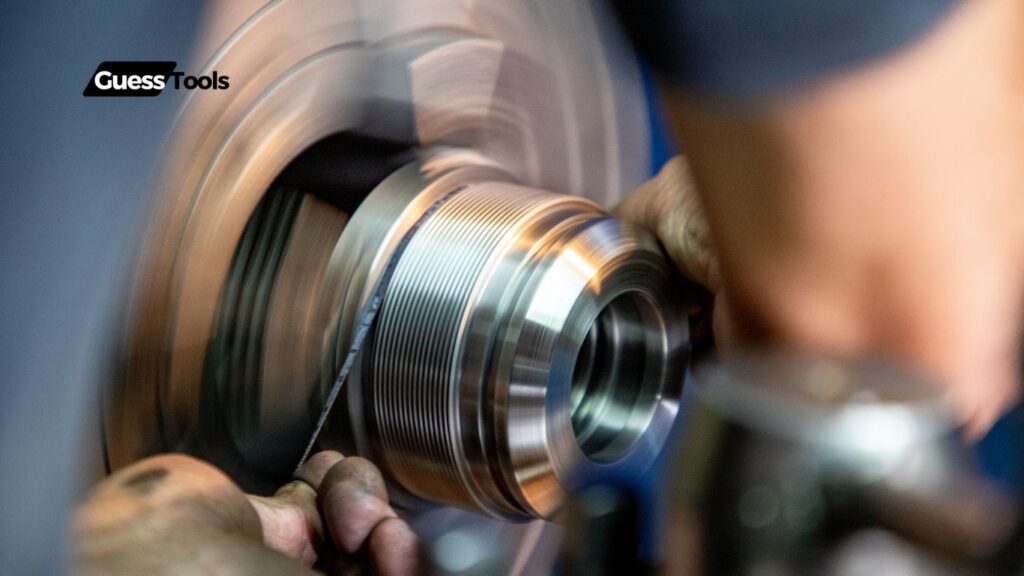
In making a smart choice about threading tools, we need to evaluate our unique requirements, compare potential costs and benefits, and examine quality features. Let’s also think about where to buy and how to make a wise investment.
How To Assess Your Threading Needs
To begin, consider what type or size of threading you need for your projects. Are we working with pipes or bolts? It’s important to know this before making a choice. Different tools are suited for different tasks, whether it’s threading PVC pipes or working with metal screws.
Next, look at how often we plan to use the tool. For heavy, regular use, investing in a robust machine makes sense. For occasional jobs, a more basic tool might be sufficient.
Finally, consider the environment we’ll be working in. Industrial projects might need electric machines, while hand-threading tools may be ideal for small, home-based tasks.
Omkostnings-fordel-analyse
Let’s weigh the costs against the benefits. Expensive tools often bring advanced features, like adjustable dies or ergonomic designs, that can make threading easier and faster. However, are these features necessary for our specific tasks?
Cheap tools might save money upfront, but could lead to higher costs later due to wear and tear, or worse performance. Balancing price with durability and features is key to getting value.
Also, consider potential hidden costs. This might include maintenance, replacement parts, or specific training needed to operate more sophisticated machines.
Quality Indicators
When we’re examining quality, material is a top priority. Look for tools made from high-grade alloy or hardened steel. These materials offer durability and consistent performance.
Reliability is another core feature. Many reviews and user testimonials on tools like the KAMATION PVC Thread Maker and RIDGID 1224 praise their longevity and ease of use. Checking user feedback is an excellent way to gauge real-world performance.
Precision and safety standards should be checked, too. Well-known brands usually come with certifications that ensure we get safe and precise results.
Where To Purchase
Finding a reputable place to buy is crucial. Online platforms offer convenience and often provide a wide selection through sites like Amazon or specialized engineering retailers.
Physical stores, like hardware or speciality shops, allow us to physically inspect the products, which can be helpful in making a decision. They may also offer personalized advice or demonstrations.
For second-hand tools, be cautious. Ensure they are not overly worn or damaged. Used tool websites or forums typically have more skilled users who can give feedback.
Investment Considerations
Before finalizing our purchase, let’s consider the long-term investment. Reliable tools can last many years, making them more cost-effective over time. Look for warranties or guarantees which give peace of mind.
Think about potential resale value. Higher-quality brands often maintain a good value. If our needs change, selling a well-maintained tool can recoup costs.
Finally, stay informed on technological advancements. Newer models may offer improvements that could justify a slightly higher investment now for future savings and efficiency.
Konklusion

We’ve covered quite a bit about threading tools, haven’t we? Let’s look back at what makes these tools so essential in various industries. From creating precise threads in metals and plastics to ensuring durability, threading tools are invaluable.
Key Types:
- Thread Taps: Ideal for high-speed, cost-effective internal threads. Great for mass production.
- Thread Mills: Offer flexibility and precision, especially in tougher materials.
Do you ever wonder why we use different tools for different materials? It’s all about getting the perfect fit and ensuring the threads hold strong under stress.
Challenges:
Working with harder materials like high-carbon steel can be tricky. We might face tool breakage and safety concerns. Who wants that, right?
Solutions:
Thread mills give us the flexibility needed for such challenging tasks. Their precision helps in creating strong and accurate threads, even in complex shapes and sizes. Think of them as our go-to solution for intricate designs.
Future Outlook:
As technology advances, threading tools will only become more sophisticated. With innovations like CNC operations, our ability to create flawless threads will improve. Isn’t it exciting to think about where this technology could take us?
Let’s keep exploring and learning together. There’s always something new on the horizon in the world of threading.


