
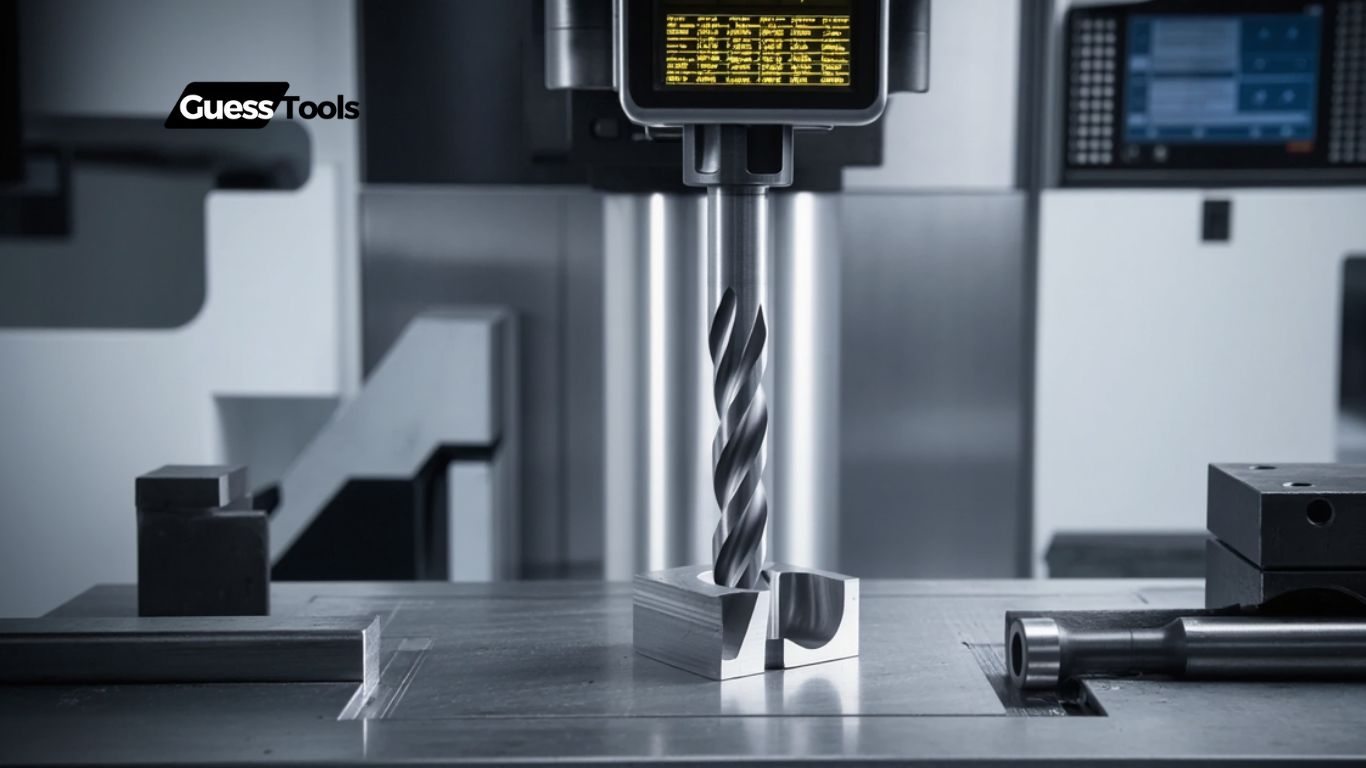
Choosing the right drill bits can make a huge difference in your projects. Let’s look at two popular types – High-Speed Steel (HSS) and carbide drill bits. Each has unique strengths that make them better suited for different tasks.

HSS drill bits cost less and work great for everyday drilling in wood, soft metals, and plastic, while carbide bits last longer and excel at drilling harder materials like stainless steel. We’ve tested both types extensively in our workshop, and the choice really depends on what you’re drilling and how often you’ll use them.
HSS bits give us a sharper cutting edge and we can resharpen them easily when they get dull. Carbide bits are harder and more heat-resistant, but they’re also more expensive and can be brittle. We recommend starting with HSS bits for most home projects, and adding carbide bits when you need to tackle tougher materials or do lots of repetitive drilling.
Understanding Drill Bit Basics
Drill bits have transformed from simple stone and bronze tools to sophisticated cutting instruments made from advanced materials like high-speed steel and carbide. The right drill bit can make all the difference in your project’s success.
Brief History and Evolution of Drill Bit Technology
Early metalworkers used basic iron drill bits that dulled quickly and couldn’t handle high speeds. The real breakthrough came in the 1900s with the invention of high-speed steel (HSS). This new material could cut four times faster than traditional steel tools.
Modern manufacturing brought us powder metallurgy techniques that created even stronger drill bits. We now make bits with complex geometries and specialized coatings for specific tasks.
The latest advance is carbide technology, which lets us drill at much higher speeds without losing sharpness. These bits work especially well in tough materials like hardened steel.
Core Terminology and Concepts Readers Should Know
Essential Drill Bit Parts:
- Cutting edge: The sharp part that removes material
- Flutes: Spiral grooves that clear away chips
- Shank: The part that fits into your drill
Common Angles:
- Point angle: Usually 118° for general use
- Relief angle: Helps reduce friction
- Helix angle: Controls chip removal speed
We measure drill bit performance by factors like cutting speed, feed rate, and tool life. These numbers help us pick the right bit for each job.
Why Material Choice Matters in Drill Bit Selection
Different materials have unique properties that affect drilling performance. HSS bits work well for general-purpose tasks and cost less than other options. They’re great for wood, soft metals, and plastic.
Material Properties:
- HSS: Good heat resistance, easy to sharpen
- Carbide: Very hard, excellent wear resistance
- Tool steel: Tough and durable for basic work
Your choice depends on what you’re drilling into. Harder materials need stronger bits with better heat resistance. Softer materials let you use less expensive options.
Temperature control is key – better materials like carbide can handle much more heat without losing their edge. This means faster drilling speeds and longer tool life.
Deep Dive: Material Composition & Properties
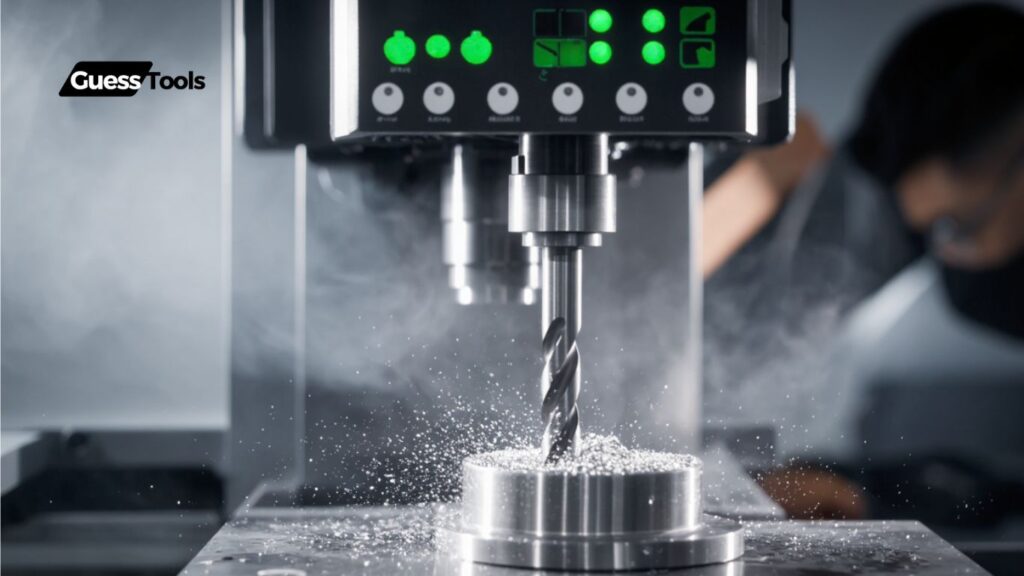
Material composition directly impacts drill bit performance through hardness ratings, heat handling, and overall durability. Let’s explore the key properties that make each type unique.
HSS Composition and Characteristics
HSS drill bits contain a mix of iron, carbon, and various alloying elements like tungsten, molybdenum, chromium, and vanadium. These elements work together to create a versatile cutting tool.
The precise mix of metals gives HSS its signature properties:
- 18% tungsten
- 4% chromium
- 1% vanadium
- 0.75% carbon
This balanced composition helps HSS maintain sharpness while resisting wear during use.
Heat Resistance Properties
We find HSS drill bits can handle temperatures up to 1,100°F (600°C) before losing their hardness. This heat resistance comes from the molybdenum and tungsten content.
The unique microstructure of HSS allows it to:
- Keep cutting edges sharp at high speeds
- Maintain strength during extended use
- Cool down quickly between cuts
Flexibility and Toughness
HSS offers excellent shock resistance and can handle impacts without breaking. This flexibility makes it perfect for hand-held drilling and less stable conditions.
The material’s toughness comes from its:
- Strong grain structure
- Even distribution of alloying elements
- Balanced hardness-to-flexibility ratio
Hardness Rating (55-65 HRC)
HSS typically measures between 55-65 on the Rockwell C hardness scale. This range provides good wear resistance while maintaining toughness.
The hardness level varies based on:
Base Material: 55-58 HRC
With Cobalt: 60-63 HRC
Premium Grade: 63-65 HRC
Carbide Composition and Characteristics
Carbide drill bits combine tungsten carbide particles with cobalt as a binding agent. The ratio typically ranges from 80-95% tungsten carbide and 5-20% cobalt.
Key features include:
- Ultra-fine grain structure
- High density
- Low porosity
- Excellent wear resistance
Tungsten Carbide Properties
Tungsten carbide’s unique atomic structure creates an incredibly strong material. Its particles are twice as stiff as steel and maintain their shape under pressure.
The material offers:
- Exceptional compressive strength
- Superior wear resistance
- High thermal conductivity
Superior Hardness (60-70 HRC)
Carbide drill bits achieve hardness ratings of 60-70 HRC, making them significantly harder than HSS options.
The exceptional hardness results in:
- Longer tool life
- Better edge retention
- More precise cuts
- Less frequent replacement needs
Heat Handling Capabilities
Carbide maintains its hardness at temperatures up to 1,800°F (980°C). This superior heat resistance makes it ideal for high-speed machining.
The material’s thermal properties include:
- Fast heat dissipation
- Resistance to thermal shock
- Stability at high temperatures
- Minimal thermal expansion
Performance Analysis: Head-to-Head Comparison
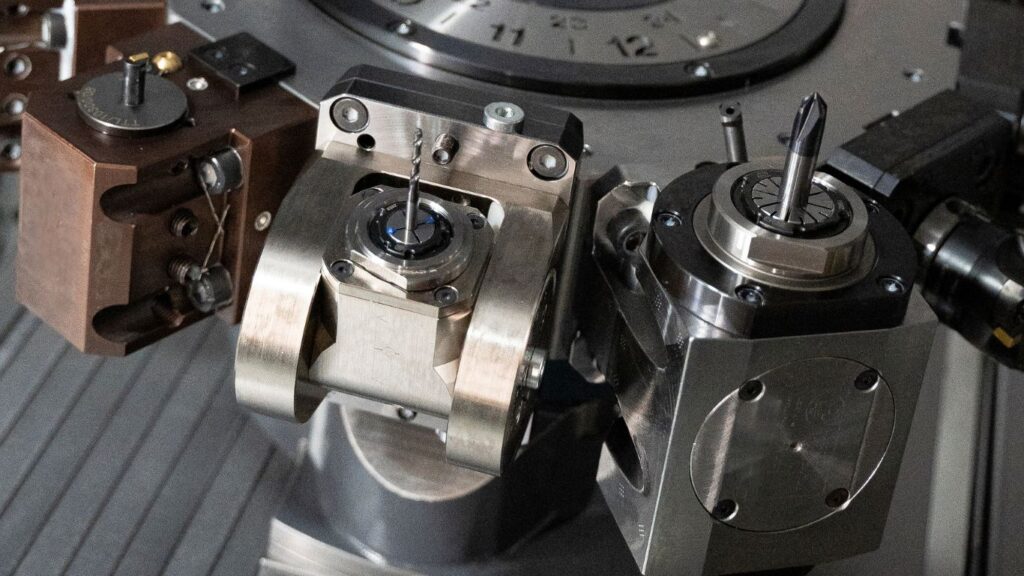
Let’s break down the key differences between carbide and HSS drill bits to help you choose the right tool for your needs. These two materials offer distinct advantages in different drilling scenarios.
Cutting Speed Capabilities
Carbide drill bits shine when it comes to cutting speed. We’ve found they can operate at speeds 2-3 times faster than HSS bits. This means you’ll get your work done much quicker with carbide.
HSS bits work best at moderate speeds around 100-150 surface feet per minute (SFM). Carbide bits can handle speeds up to 300-400 SFM without losing performance.
Higher cutting speeds with carbide bits lead to:
- Faster material removal rates
- Reduced project completion time
- Better productivity
Material Compatibility
HSS bits work great with:
- Mild steel
- Aluminum
- Brass
- Most common metals
Carbide bits excel at cutting:
- Hardened steel
- Cast iron
- Stainless steel
- Abrasive materials
We recommend using HSS bits for general-purpose drilling and softer materials. Save your carbide bits for tough jobs where HSS won’t cut it.
Temperature Resistance
Both types handle heat differently. HSS bits start to lose their hardness around 1,100°F (593°C). Carbide bits maintain their strength up to 1,500°F (816°C).
This temperature resistance means carbide bits:
- Stay sharp longer during high-speed cutting
- Require less coolant
- Work better in continuous operations
Precision and Accuracy
Carbide bits offer superior precision due to their rigid structure. They produce:
- Straighter holes
- Better surface finish
- More consistent hole size
HSS bits can flex slightly during use, which might affect accuracy in deep holes. For high-precision work, carbide is often the better choice.
Impact Resistance
HSS bits have better shock resistance than carbide. They’re less likely to chip or break if the drill catches or binds.
Impact resistance comparison:
| Feature | HSS | Carbide |
|---|---|---|
| Shock absorption | High | Low |
| Breakage risk | Low | High |
| Drop resistance | Good | Poor |
We suggest using HSS bits when working conditions might be unpredictable or when learning new drilling techniques.
Investment vs. Value

Making smart choices about drill bits means looking at both price tags and long-term benefits. The right choice can save money and boost productivity.
Initial Cost Considerations
HSS drill bits are much cheaper to buy upfront. You’ll typically spend $5-15 for a good quality HSS bit. This makes them great for simple jobs and learning.
Carbide bits cost 3-5 times more than HSS. A single carbide bit might set you back $20-50. This higher price comes from the advanced materials and manufacturing process.
We recommend starting with HSS if you’re new to drilling or only do occasional work. The lower investment makes more sense for learning and basic tasks.
Long-term Value Analysis
Carbide bits can last up to 10 times longer than HSS when used properly. This longer service life means fewer replacements over time.
HSS bits need more frequent sharpening and replacement, especially when working with harder materials. The costs of downtime and replacement add up quickly.
Key Benefits of Carbide:
- Less frequent replacements
- Reduced downtime
- Better cutting speed
- More consistent results
ROI Scenarios for Different Applications
For hobbyists working with soft materials, HSS bits offer the best value. The lower cost matches well with occasional use and simple projects.
Professional shops working with tough materials should pick carbide. The math is simple:
- 1 carbide bit ($40) = 10 HSS bits ($100 total)
- Less time spent changing tools
- Faster cutting speeds
- Better finish quality
If you’re drilling more than 100 holes per month in hard materials, carbide bits will pay for themselves within 3-6 months through better efficiency and fewer replacements.
Application-Specific Guidelines
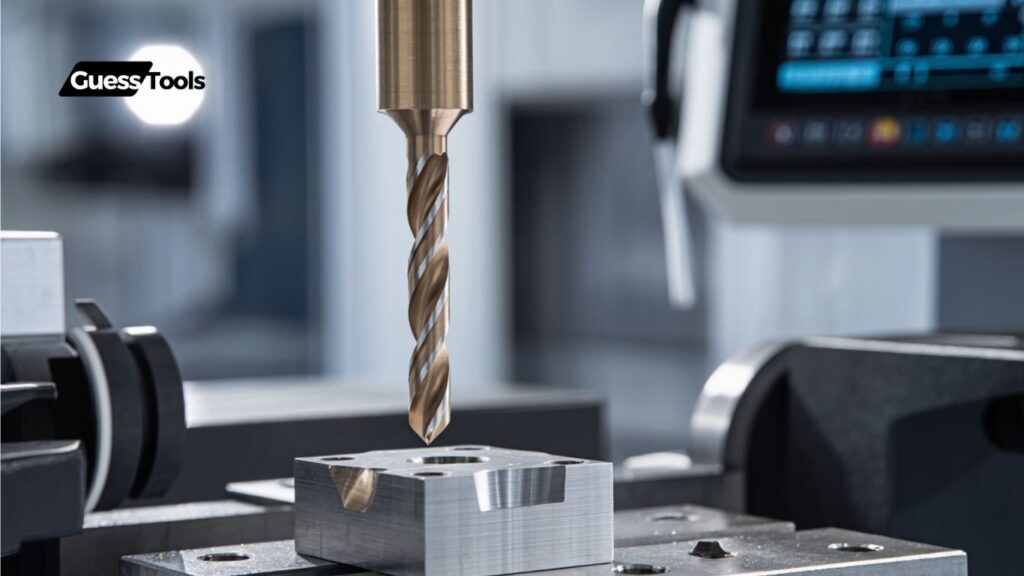
Selecting the right drill bit type can save time and money while delivering better results. Let’s look at the best situations for each type.
When to Choose HSS
HSS drill bits work great for everyday drilling in softer materials. We recommend these bits for:
- Common Materials: Wood, plastic, aluminum, and mild steel
- Speed Range: 1000-3000 RPM for most applications
- Cost-Effective Jobs: Home workshops and basic industrial needs
HSS bits handle well in hand drills and basic machine tools. They’re perfect for maintenance work and general repairs.
These bits can be resharpened multiple times, making them budget-friendly for smaller shops. We’ve found they work especially well for woodworking projects and light metalworking tasks.
When to Choose Carbide
Carbide bits excel in tough materials and high-speed machining. Here’s where they shine:
Best Applications:
- Hardened steels (above 50 HRC)
- Stainless steel
- Cast iron
- High-temperature alloys
Machine Requirements:
- CNC machines
- Rigid toolholding
- Precise spindle alignment
Carbide performs best in stable machining conditions with proper coolant flow. We recommend using these bits when you need tight tolerances and superior surface finish.
Industry-Specific Recommendations
Manufacturing:
- Aerospace: Carbide for titanium and exotic alloys
- Automotive: Mix of HSS for prototyping, carbide for production
- Woodworking: HSS for most applications
Machine Shops:
- Small Jobs: HSS for flexibility
- Production Runs: Carbide for consistency
- Milling Operations: Carbide end mills for high speeds
For CNC operations, we suggest carbide tools when running at high speeds above 10,000 RPM. HSS works well for conventional machining under 3,000 RPM.
Many shops keep both types on hand. Use HSS for quick, one-off jobs and carbide for precision production work.
Maintenance and Care
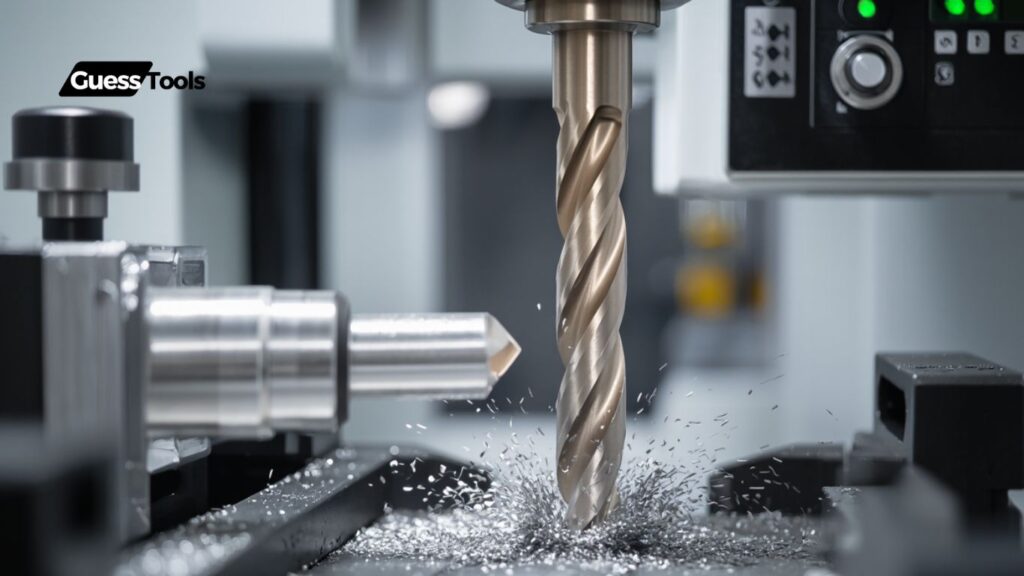
Taking good care of your drill bits helps them last longer and work better. The right storage, sharpening, cooling, and maintenance practices make a big difference in performance and lifespan.
Proper Storage Techniques
Store your drill bits in a dedicated case or holder to protect them from damage and moisture. We recommend using individual slots or dividers to prevent bits from touching each other.
A thin coat of light machine oil helps prevent rust when storing HSS bits. For carbide bits, keep them in a dry place since moisture can weaken the carbide.
Tip: Label your storage containers with bit sizes and types for easy identification.
Sharpening Considerations
HSS bits are easier to sharpen than carbide. You’ll need a bench grinder with a fine wheel for HSS bits. Maintain the original cutting angle (usually 118 degrees) when sharpening.
Carbide bits require special diamond wheels for sharpening. We suggest having a professional sharpen carbide bits unless you have experience with diamond grinding tools.
Common coatings:
- Titanium nitride (TiN) – gold color
- Titanium carbon nitride – blue-gray color
- Black oxide
Cooling and Lubrication
Use cutting fluid or oil when drilling to:
- Reduce friction and heat
- Remove metal chips
- Extend bit life
- Improve cut quality
HSS bits need more cooling than carbide since they can’t handle high temperatures. We recommend using cutting fluid even for small holes.
Carbide bits work well with minimal lubrication but still benefit from proper cooling during heavy use.
Signs of Wear and Replacement Timing
Watch for these warning signs:
- Squealing or chattering during drilling
- Slower cutting speed
- Rough hole finish
- Visible chips or wear on cutting edges
Replace HSS bits when:
- The cutting edges are rounded
- You notice burning or smoking while drilling
- The bit requires excessive pressure
For carbide bits, replace them if you see:
- Chipped cutting edges
- Discoloration from heat damage
- Dull spots that won’t sharpen
Best Practices and Pro Tips
Getting the most from your drill bits means using them correctly. Let’s look at the key ways to keep your bits sharp and your cuts precise.
Speed and Feed Guidelines
The right speed makes a huge difference in your drilling success. For HSS bits, we recommend these speeds:
- Soft steel: 3000-3500 RPM
- Hard steel: 1500-2000 RPM
- Aluminum: 4000-4500 RPM
Carbide bits need different speeds:
- Soft steel: 4500-5000 RPM
- Hard steel: 2500-3000 RPM
- Aluminum: 5500-6000 RPM
Use steady pressure and let the bit do the work. Too much force can break your bits.
Material-Specific Setup Recommendations
Match your setup to what you’re drilling:
Soft Materials (Wood, Plastic)
- Use lower speeds
- Apply light pressure
- Clear chips often
Hard Materials (Steel, Cast Iron)
- Use cutting fluid
- Start with a pilot hole
- Take breaks to prevent overheating
We find using the right cutting fluid makes a big difference. Use sulphur-based fluids for steel and water-soluble oils for aluminum.
Common Mistakes to Avoid
Watch out for these common errors:
- Running too fast: This burns up bits quickly
- Skipping pilot holes: Makes work harder and less accurate
- Using worn bits: Leads to poor holes and broken tools
- Wrong cutting fluid: Can damage your workpiece
Clean your bits after each use. Dirty bits wear faster and make worse cuts.
Maximizing Tool Life
Good care doubles bit life. Here’s what works:
Store bits in a dry place. Keep them organized and separated.
Quick Care Tips:
- Check edges before each use
- Sharpen at first signs of dulling
- Clean after every job
- Use cutting fluid properly
We’ve found rotating bits in our collection helps wear them evenly. Mark the date you start using each bit.
Making the Right Choice
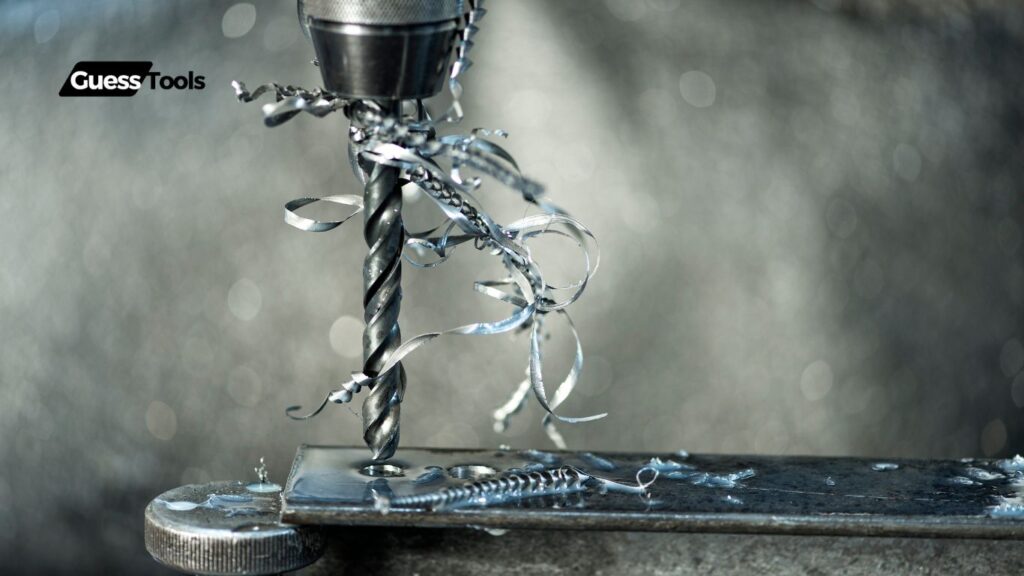
Selecting between HSS and carbide drill bits comes down to matching your specific needs with the right tool characteristics and understanding the trade-offs between cost, performance, and durability.
Decision Framework
We recommend starting with these key questions:
- What materials will you be drilling?
- How often will you use the drill bits?
- What’s your budget for tools?
Best Uses for HSS Bits:
- General-purpose drilling
- Softer materials like wood and mild steel
- Projects with tight budgets
- When shock resistance matters
Best Uses for Carbide Bits:
- Hard materials like stainless steel
- High-volume production
- Precision work
- When heat resistance is crucial
Cost-Benefit Analysis Tools
Let’s break down the financial aspects:
| Factor | HSS | Carbide |
|---|---|---|
| Initial Cost | $5-20 | $20-100+ |
| Lifespan | 3-6 months | 1-2 years |
| Cost per Use | Low | Very low |
We need to consider replacement frequency and downtime costs. HSS bits need more frequent replacement but cost less upfront.
Application Assessment Checklist
✓ Material Hardness
- Under 30 HRC: HSS works well
- Over 30 HRC: Consider carbide
✓ Speed Requirements
- Low speed: Either option works
- High speed: Carbide performs better
✓ Precision Needs
- Standard tolerance: HSS is fine
- Tight tolerance: Choose carbide
Future Trends and Considerations
We’re seeing more hybrid options entering the market that combine HSS cores with carbide tips. These offer a middle-ground solution.
New coating technologies are improving HSS performance while keeping costs down. This makes HSS more competitive for some applications where carbide was previously the only choice.
Smart manufacturing systems now track tool wear automatically. This helps optimize bit selection and replacement timing.


