

Working with aluminum requires the right tools for clean, precise holes. We know many DIYers and professionals struggle to choose the best type of drill bit for aluminum. The wrong choice can lead to rough edges, stuck bits, or damaged materials.
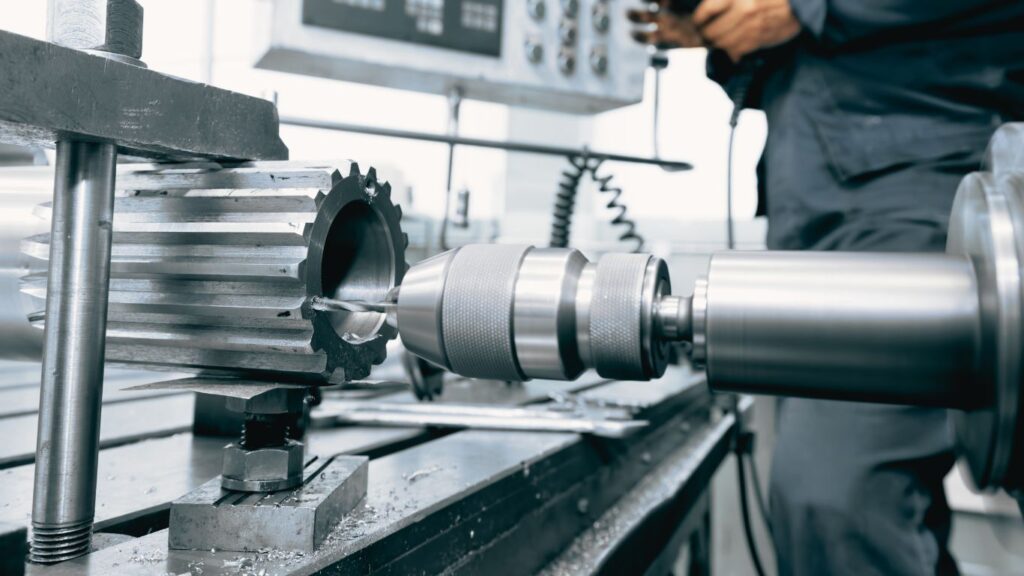
For most aluminum drilling projects, high-speed steel (HSS) drill bits are the best choice due to their durability, heat resistance, and ability to cut cleanly through the material. These bits give us reliable results without breaking the bank, making them perfect for both home workshops and professional settings.
Want more precision or planning to drill larger holes? We might want to consider stepping up to cobalt or carbide-tipped bits. While they cost more, these specialized bits can handle tougher jobs and maintain their sharp edges longer. Let’s explore your options to make sure you get the perfect bit for your next aluminum project.
Why Drilling Aluminum Requires Special Consideration
Aluminum’s unique properties create specific challenges when drilling that require careful attention to technique and tool selection. We need the right drill bits and methods to avoid common issues like galling, heat buildup, and rough finishes.
Unique Properties of Aluminum
Aluminum is much softer than steel and other common metals. Its softness means it can deform or tear easily during drilling if we don’t use the proper techniques.
The metal tends to stick to drill bits due to its gummy nature. This sticking creates a buildup that can affect the quality of our holes.
Aluminum conducts heat very efficiently. When we drill, the heat spreads quickly through the workpiece instead of staying localized at the cutting point.
Common Challenges
Heat management is one of our biggest concerns. Too much heat can:
- Cause the aluminum to expand
- Create oversized or misshapen holes
- Lead to poor surface finish
Chip control presents another major challenge. Long, stringy chips can:
- Wrap around the drill bit
- Clog the flutes
- Interfere with cutting action
The metal’s tendency to stick to tools often results in:
- Rough hole surfaces
- Reduced cutting efficiency
- Premature tool wear
Impact on Drill Bit Selection and Performance
We must choose drill bits specifically designed for aluminum. High-speed steel (HSS) bits work well for most applications. They provide:
- Good heat resistance
- Excellent cutting efficiency
- Long tool life
The drill bit’s geometry matters greatly. We need:
- Sharp cutting edges
- Wide flutes for chip evacuation
- A 135-degree point angle for clean entry
Speed and feed rates require careful control. Too fast, and we risk heat buildup. Too slow, and the bit might grab and tear the material.
Types of Drill Bits for Aluminum: A Detailed Comparison

Choosing the right drill bit saves time and creates clean holes in aluminum. Let’s look at the main types that work best for this soft but tricky metal.
High-Speed Steel
High-speed steel (HSS) drill bits are the most common choice for aluminum. These bits offer great value and good performance for most projects.
Key Benefits:
- Sharp cutting edges stay effective longer
- Resists heat buildup during drilling
- Works well at speeds up to 3,000 RPM
- Costs less than specialized bits
The 135-degree split point design helps prevent walking and creates cleaner holes. We recommend using cutting fluid with HSS bits to extend their life.
Solid Carbide
Solid carbide bits cost more but deliver superior results when drilling aluminum.
Advantages:
- Creates very precise holes
- Lasts 3-4 times longer than HSS
- Maintains sharpness better
- Perfect for production work
Use lower speeds (1,000-1,500 RPM) with carbide to prevent overheating. These bits can be brittle, so careful handling is important.
Cost-Benefit Analysis
Price Comparison:
- HSS bits: $5-15 each
- Carbide bits: $25-50 each
HSS bits work well for occasional use and DIY projects. The extra cost of carbide makes sense for:
- Professional shops
- High-volume work
- Projects needing precise holes
- Automated drilling
When to Use Each Type
Choose HSS bits when:
- Working on home projects
- Drilling fewer than 100 holes
- Budget is limited
- Occasional use only
Pick carbide bits for:
- Production environments
- Precision is critical
- Drilling thousands of holes
- Professional results required
Consider starting with HSS bits. Upgrade to carbide if you need better precision or drill aluminum regularly.
Selecting the Right Drill Bit: Key Factors
Picking the perfect drill bit for aluminum requires careful thought about your specific needs. The right choice depends on multiple factors that can make or break your project’s success.
Project Scale
For small DIY projects at home, a basic HSS (High-Speed Steel) drill bit will work fine. These bits are affordable and easy to find at local hardware stores.
For larger industrial projects, we recommend investing in cobalt steel bits. They last longer and handle higher speeds better.
Pro tip: Consider getting a set with multiple bits if you’ll be doing regular aluminum work. This saves money in the long run.
Budget Considerations
Entry-level HSS bits cost $5-15 for a basic set. They’re good for occasional use but wear out faster.
Mid-range titanium-coated bits run $20-40 per set. They offer better durability than basic HSS.
Premium cobalt bits cost $50-100+ for a complete set. The higher price brings:
- Longer lifespan
- Better heat resistance
- More precise holes
Surface Finish Requirements
For rough work where appearance isn’t critical, standard HSS bits work fine.
Clean holes need sharp bits with proper angles:
- 135-degree split point prevents wandering
- Polished flutes help remove chips
- TiN coating reduces friction
Use cutting fluid to get the smoothest finish. A few drops make a big difference in hole quality.
Size Selection Guidelines
Start with pilot holes 1/64 inch smaller than your final size. This helps prevent the bit from grabbing.
Common sizes for aluminum work:
- 1/16″ – 1/4″: General purpose holes
- 5/16″ – 1/2″: Mounting holes
- Over 1/2″: Use step bits
Pick bits with reduced shanks for deep holes. They prevent binding and make drilling easier.
Best Practices for Drilling Aluminum

Proper drilling techniques help prevent common issues like chip welding, hole deformation, and tool wear when working with aluminum. The right combination of speed, cooling, and technique makes a big difference in the quality of your results.
Speed and Feed Rates
The optimal drilling speed for aluminum varies based on the specific alloy and hole size. We recommend these general guidelines:
- Drilling Speed: 700-1,000 RPM for holes under 1/4 inch
- Feed Rate: 0.005-0.010 inches per revolution
Slower speeds work better for larger holes. If you hear squealing or see the aluminum turning brown, reduce your speed right away.
Your drill press or hand drill should run smooth and steady. Watch for signs of burning or melting, which means you need to adjust your speed down.
Cooling and Lubrication
Cutting fluid is essential when drilling aluminum. It helps in several ways:
- Prevents chip welding
- Reduces friction and heat
- Improves hole finish
- Extends tool life
Recommended lubricants:
- WD-40 for light duty work
- Cutting oil for deeper holes
- Specialized aluminum cutting fluid for production work
Apply lubricant before starting and add more as needed during drilling.
Proper Technique
Start with these key steps for clean, accurate holes:
- Mark your hole location with a center punch
- Use a pilot hole for holes larger than 3/8 inch
- Apply steady pressure while drilling
- Pull the bit out regularly to clear chips
The “peck drilling” method works great for deeper holes. This means drilling a short depth, backing out to clear chips, then continuing.
Keep your workpiece firmly clamped. Any movement can cause the bit to grab or wander.
Tool Maintenance
Clean your bits after each use. Look for these signs that indicate it’s time to sharpen or replace your drill bit:
- Dull cutting edges
- Chips or nicks in the cutting surfaces
- Discoloration from heat
- Rough or uneven holes
Quick maintenance tips:
- Wipe bits clean after use
- Store in a dry place
- Check cutting edges before each use
- Sharpen when performance drops
Change bits before they get too worn. Dull bits create more heat and can damage your workpiece.
Troubleshooting Common Issues
When drilling aluminum, we often face several challenges that can affect our work quality. Let’s explore the common problems and their solutions to help you achieve better results.
Heat-Related Problems
Heat buildup is a major concern when drilling aluminum. High temperatures can cause the metal to gum up and stick to the drill bit.
Signs of heat-related issues:
- Smoke coming from the drilling point
- Metal chips turning dark or discolored
- Drill bit becoming too hot to touch
We recommend using cutting fluid or lubricant to reduce friction. Take breaks between drilling to let the bit cool down.
Poor Hole Quality
Rough edges and uneven holes can ruin our work. These issues often stem from incorrect speed or pressure.
Common hole quality issues:
- Rough or torn edges
- Oversized holes
- Off-center drilling
To fix these problems, we need to:
- Start with a center punch to mark the spot
- Use sharp, clean bits
- Maintain steady pressure while drilling
Premature Tool Wear
Our drill bits can wear out quickly if we don’t use them correctly. The main causes are:
- Too much speed
- Insufficient lubrication
- Using the wrong bit type
Tips to extend bit life:
- Keep bits clean and sharp
- Use proper cutting speeds
- Apply cutting fluid regularly
Solutions and Preventive Measures
A successful drilling process starts with proper preparation and technique.
Essential preventive steps:
- Choose the right bit speed for aluminum (1,000-3,000 RPM)
- Apply steady, moderate pressure
- Use cutting fluid or WD-40
Keep your work area clean and organized. Check your bits for wear before each use.
Recommended safety measures:
- Wear safety glasses
- Secure workpiece firmly
- Clean chips regularly
Professional Tips and Expert Recommendations

Selecting the right drill bits and using proper techniques will help you achieve clean, precise holes in aluminum while extending tool life and maintaining safety. Let’s explore the key practices that professionals use every day.
Industry Best Practices
When drilling aluminum, speed control is crucial. We recommend running your drill at high speeds (1,000-3,000 RPM) but with light pressure to prevent heat buildup.
Use cutting fluid or lubricant specifically designed for aluminum. A few drops will reduce friction and help clear chips away from the cutting edge.
Essential drilling tips:
- Start with a center punch to prevent bit wandering
- Use stepped drilling for holes larger than 3/8 inch
- Clear chips frequently to prevent clogging
- Let the drill bit do the work—don’t force it
Tool Life Optimization
Clean your drill bits after each use. Built-up aluminum can stick to the flutes and reduce cutting efficiency.
Store bits in a dry place. Moisture can lead to oxidation and dull cutting edges.
Maintenance schedule:
- Inspect bits before each use
- Sharpen when performance drops
- Replace bits showing signs of wear
- Clean flutes after drilling deep holes
Cost-Saving Strategies
Buy quality bits in common sizes you use most often. We find that high-speed steel (HSS) bits with titanium nitride coating offer the best value for most jobs.
Consider drill bit sets that include common sizes from 1/16″ to 1/2″. This range covers most aluminum drilling needs.
Keep spare bits of frequently used sizes on hand. This prevents project delays and rushed purchases at higher prices.
Safety Considerations
Always wear safety glasses. Aluminum chips can be sharp and fly unexpectedly.
Use a vise or clamps to secure your workpiece. Never hold material by hand while drilling.
Safety checklist:
- Wear cut-resistant gloves
- Remove jewelry and loose clothing
- Use proper ventilation
- Keep work area clean and organized
Check your drill’s chuck regularly for tightness. A loose bit can cause accidents and damage your work.


