

Is jy verward oor gesementeerde karbied en Tungsten Carbide? Ons hoor dikwels dat hierdie terme uitruilbaar in industriële omgewings gebruik word, wat nogal raaiselagtig kan wees. Terwyl wolframkarbied verwys na die spesifieke materiaal wat wolfram en koolstof kombineer, is gesementeerde karbied eintlik 'n breër kategorie wat wolfraamkarbied insluit wat met 'n metaalbindmiddel (gewoonlik kobalt) gebind is.
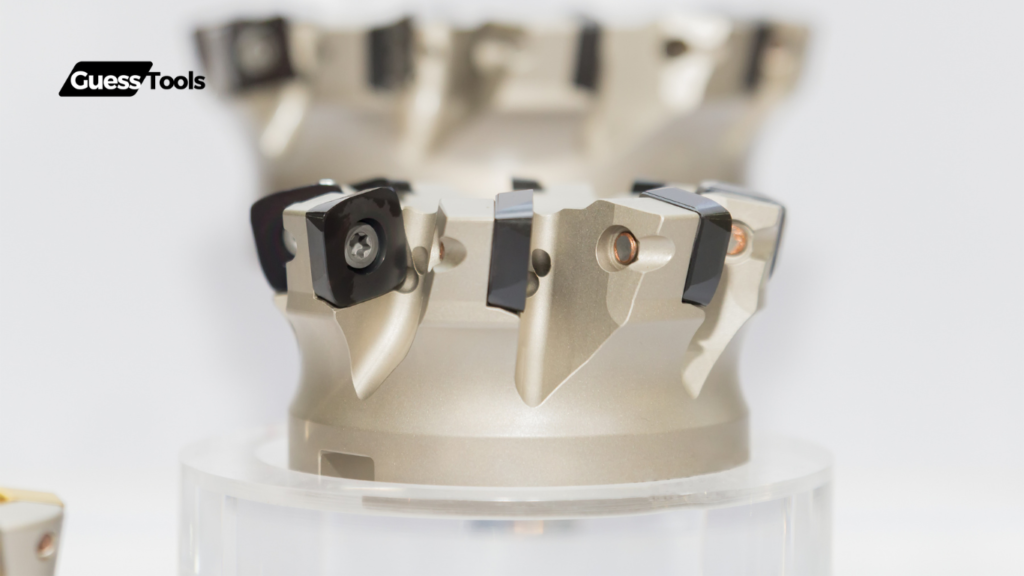
Wanneer mense in die industrie praat oor “karbied” of “wolframkarbied,” hulle verwys gewoonlik na saamgestelde sementkarbiede. Hierdie materiale is ongelooflik waardevol in die vervaardiging vanweë hul uitsonderlike hardheid, slytasieweerstand en taaiheid. Jy sal dit vind in snygereedskap, myntoerusting en selfs juweliersware!
Ons het opgemerk dat baie van ons kliënte wonder oor die verskil tussen hierdie terme. Die eenvoudige manier om dit te onthou, is dat wolframkarbied 'n spesifieke tipe gesementeerde karbied is. Alle gesementeerde karbiede met hardheid van meer as HRC65 val in hierdie kategorie, wat wolframkarbied 'n subset van die breër sementkarbiedfamilie maak.
Grondbeginsels: Wat is gesementeerde karbied en wolframkarbied?
Om hierdie materiaal te verstaan kan verwarrend wees as gevolg van oorvleuelende terminologie in die bedryf. Laat ons die verwarring uit die weg ruim oor hierdie ongelooflike harde materiale wat 'n belangrike rol speel in die vervaardiging en gereedskaptoepassings.
Duidelike definisies van beide materiale
Gesementeerde karbied is 'n saamgestelde materiaal gemaak van fyn deeltjies karbied wat saamgesement is deur 'n metaal bindmiddel. Die mees algemene tipe bevat wolframkarbied (WC) deeltjies wat deur kobalt bymekaar gehou word. Dit skep 'n materiaal met uitstekende hardheid en dra weerstand.
Dink aan gesementeerde karbied soos 'n sjokoladekoekie. Die karbieddeeltjies is die sjokoladeskyfies, en die bindmetaal is die koekiedeeg wat alles bymekaar hou.
Die belangrikste kenmerk van gesementeerde karbied is die kombinasie van hardheid en taaiheid. Met 'n Vickers-hardheid van ongeveer 10 000, is dit die tweede net na diamant in hardheid terwyl dit genoeg taaiheid vir industriële toepassings behou.
Hul verhouding en algemene wanopvattings
Die grootste wanopvatting is om te dink dit is heeltemal verskillende materiale. In werklikheid, Tungsten Carbide is 'n spesifieke verbinding (WC), terwyl gesementeerde karbied die voltooide saamgestelde materiaal is wat dikwels wolfraamkarbied bevat.
Wanneer iemand noem “wolframkarbied gereedskap,” hulle verwys gewoonlik na sementkarbiedgereedskap waar wolframkarbied die hoofkarbiedkomponent is. Suiwer wolframkarbied sonder 'n bindmiddel sal te bros wees vir die meeste toepassings.
Nog 'n algemene vermenging behels wolframstaal. Volgens ons soekresultate word wolframstaal eintlik geklassifiseer as 'n soort gesementeerde karbied, soms wolfram-titanium-legering genoem.
Alle materiale met hardheid wat HRC65 oorskry, kan gesementeerde karbied genoem word, wat dit 'n breër kategorie maak wat wolframstaal insluit.
Sleutelterminologie vir professionele persone in die industrie
Wanneer jy met hierdie materiaal werk, sal jy hierdie sleutelterme moet ken:
- WC: Chemiese simbool vir wolframkarbiedverbinding
- Binder: Metaal (gewoonlik kobalt) wat karbieddeeltjies bymekaar hou
- Korrelgrootte: Beïnvloed hardheid en slytasieweerstand (fyner = harder)
- Kobalt inhoud: Hoër persentasies verhoog taaiheid maar verminder hardheid
Hardheidmetings word tipies gedoen met behulp van die Vickers skaal vir hierdie materiale. Ter vergelyking:
| Materiaal | Benaderde Vickers-hardheid |
|---|---|
| Gesementeerde karbied | 1000-2000 |
| Suiwer wolframkarbied | 2200+ |
| Diamant | 10 000 |
Ons sien dikwels “soliede karbied” uitruilbaar met sementkarbied in produkbeskrywings gebruik word, wat tot die verwarring kan bydra vir kopers wat nuut is met hierdie materiale.
Samestelling en vervaardigingsprosesse
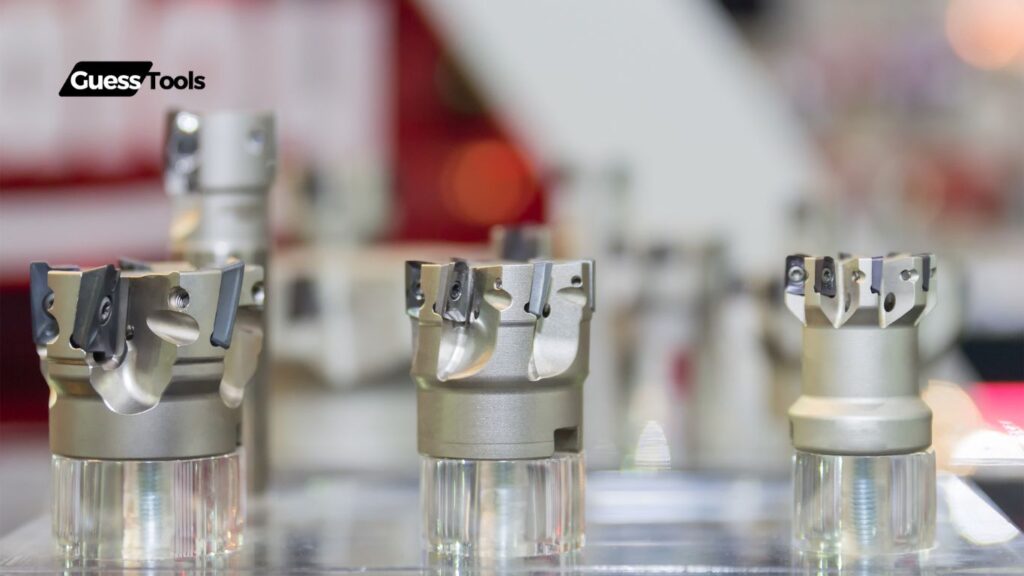
Om te verstaan wat in gesementeerde karbied en wolframkarbied ingaan, help om hul unieke eienskappe te verduidelik. Die materiale begin met soortgelyke bestanddele, maar verskil in verwerking en finale samestelling.
Gedetailleerde uiteensetting van materiaalkomponente
Geharde karbied is 'n saamgestelde materiaal gemaak van harde karbieddeeltjies wat met 'n sagter metaal aan mekaar gebind is. Die hoofkomponente sluit in:
- Wolframkarbied (WC): 80-97% van die samestelling
- Bindmiddel metale: Gewoonlik kobalt (Co) teen 3-20%, alhoewel nikkel (Ni) gebruik kan word vir weerstand teen korrosie
- Bykomende karbiede: Soms word titaan-, tantaal- of niobiumkarbiede bygevoeg
Die korrelgrootte van wolframkarbieddeeltjies het 'n aansienlike impak op die finale eienskappe. Ons klassifiseer karbiede as:
- Fyn graan (minder as 1 μm): Hoër hardheid, beter slytasieweerstand
- Medium graan (1-3 μm): Gebalanseerde eienskappe
- Growwe graan (meer as 3 μm): Beter slagweerstand, taaiheid
Suiwer wolframkarbied, daarenteen, bevat slegs wolfraam en koolstofatome in 'n kristallyne struktuur sonder 'n bindmetaal.
Stap-vir-stap vervaardigingsmetodes
Hoe word hierdie materiale gemaak? Kom ons kyk na die tipiese proses:
- Poeier voorbereiding: Rou wolfram en koolstofpoeiers word gemeng met bindmetale (kobalt/nikkel)
- Meulwerk: Die mengsel word natgemaal om deeltjiegrootte te verminder en egalige verspreiding te verseker
- Droog en granulering: Die suspensie word gedroog en gevorm tot korrels wat geskik is vir pers
- Druk: Die poeier word saamgepers in die verlangde vorm met behulp van matryse
- Sintering: Hierdie belangrike stap vind plaas by 1300-1500°C onder vakuum of beskermende atmosfeer
Tydens sintering, die bindmetaal smelt en vloei tussen karbieddeeltjies, wat 'n soliede massa skep. Dit is hoekom gesementeerde karbied soms 'n genoem word “gesementeer” materiaal – die bindmiddel sement letterlik alles saam.
Hoe samestelling prestasie beïnvloed
Die verhouding van karbied tot bindmiddel beïnvloed prestasie-eienskappe dramaties. Ons sien duidelike neigings:
Hoër wolfram inhoud verhoog hardheid en slytasieweerstand, maar verminder taaiheid. Meer bind metaal doen die teenoorgestelde – verbeter taaiheid terwyl hardheid verminder word.
Korrelgrootte maak ook saak! Fynkorrelige karbiede weerstaan slytasie beter, maar is broser. Grofkorrelige weergawes kan meer impak absorbeer.
Anders karbied grade is ontwerp vir spesifieke toepassings. Vir snygereedskap, kan ons grade met 6% kobalt en fyn korrels gebruik. Vir mynbougereedskap wat harde impakte ondervind, werk grade met 10-15% kobalt en medium-tot-growwe korrels beter.
Die tipe bindmiddel maak ook saak – terwyl kobalt uitstekende benatting en adhesie aan wolframkarbied bied, bied nikkel beter weerstand teen korrosie.
Visuele Vergelyking Tabel Van Samestellingsverskille
| Kenmerk | Gesementeerde karbied | Wolframkarbied (suiwer) |
|---|---|---|
| Hoofkomponente | WC (80-97%) + bindmetaal (3-20%) | Slegs toilet (wolfram + koolstof) |
| Bindmiddel metale | Kobalt, nikkel of yster | Geen |
| Tipiese korrelgrootte | 0.5-10 μm (beheerbaar) | NVT (enkelfase materiaal) |
| Bykomende verbindings | Kan TiC, TaC, NbC bevat | Geen |
| Vervaardiging | Poeiermetallurgie + sintering | Direkte karburasie van wolfram |
| Hardheid reeks | 89-93 HRA (wissel met samestelling) | ~93 HRA (vasgestel) |
| Buigsaamheid | Hoogs aanpasbare eienskappe | Beperkte eiendomsaanpassing |
Ons kan sien dat sementkarbied baie meer buigsaamheid in samestelling bied, wat vervaardigers in staat stel om eienskappe vir spesifieke toepassings aan te pas. Die vuurvaste metaal verbindings bied hitte weerstand terwyl die bindmetaal gee die materiaal sy taaiheid.
Prestasiemaatstawwe: 'n Omvattende vergelyking
As u gesementeerde karbied en wolfraamkarbied vergelyk, kan u die regte materiaal vir u toepassing kies as u hul prestasiemaatstawwe verstaan. Die verskille in hardheid, sterkte en slytasie-eienskappe het 'n direkte impak op gereedskaplewe en produktiwiteit in industriële omgewings.
Gegewens oor hardheid, taaiheid en slytasieweerstand
Gesementeerde karbied bereik tipies hardheidwaardes wat oorskry word HRC65 (bereik dikwels bo 90HRA), wat dit aansienlik moeiliker maak as konvensionele gereedskapstaal. Hierdie uitsonderlike hardheid kom van die wolframkarbieddeeltjies wat in die kobaltbinder ingebed is.
Wolframkarbied, as 'n primêre komponent in gesementeerde karbied, dra by tot hierdie uiterste hardheid. Die slytasieweerstand van hierdie materiale is merkwaardig – hulle kan hou 5-100 keer langer as hoëspoedstaal in skuurtoepassings.
Breuktaaiheid wissel na gelang van samestelling. Materiale met hoër kobaltinhoud (8-12%) bied beter slagweerstand maar effens verminderde hardheid. Ter vergelyking:
| Materiaal tipe | Hardheid (HRA) | Breuktaaiheid (MPa·m^(1/2)) |
|---|---|---|
| Fynkorrel WC-Co (6%) | 92-93 | 9-11 |
| Mediumgraan WC-Co (10%) | 89-91 | 12-15 |
| Hoëspoed staal | 80-86 | 20-25 |
Die grootteverhouding tussen karbiedkorrelgrootte en skuurdeeltjies beïnvloed slytasieprestasie in verskillende toepassings aansienlik.
Vergelykings van druksterkte en digtheid
Gesementeerde karbiede toon uitsonderlike druksterkte, tipies in die reeks van 3 000-7 000 MPa, wat ongeveer 2-3 keer hoër is as hoëspoedstaal. Dit maak hulle ideaal vir hoëdruk sny en vormingsbewerkings.
Digtheid is nog 'n sleutelmaatstaf. Gesementeerde karbiede het 'n digtheid van ongeveer 13-15 g/cm³, aansienlik hoër as hoëspoedstaal se 8-9 g/cm³. Hierdie hoër digtheid dra by tot hul stabiliteit tydens bewerking.
Die dwarsbreuksterkte (TRS) meet 'n materiaal se vermoë om buigkragte te weerstaan:
- Fynkorrelkarbiede (6% Co): 1 800-2 400 MPa
- Mediumkorrelkarbiede (10% Co): 2 500-3 000 MPa
- Grofkorrelkarbiede (15% Co): 2 800-3 200 MPa
Ons het gevind dat hoër kobaltinhoud TRS verbeter, maar effens hardheid en slytasieweerstand verminder. Hierdie afweging is van kardinale belang wanneer materiaal vir spesifieke toepassings gekies word.
Bedryfstandaard toetsresultate
Standaard industrie toetse verskaf betroubare statistieke vir die vergelyking van karbied prestasie. Die Rockwell-hardheidstoets (HRA-skaal) word algemeen gebruik, met sementkarbiede wat tipies bo 90 behaal, in vergelyking met hoëspoedstaal se 80-86.
Skuurweerstandstoetsing toon dat gesementeerde karbiede met aansienlike marges langer as konvensionele gereedskapstaal hou. In gestandaardiseerde pen-op-skyf toetse, sement karbiede wys 5-10 keer minder volumeverlies as hoëspoedstaal.
Impaksterktetoetsing toon interessante resultate. Wanneer dit aan herhaalde impak onderwerp word:
- Hoër kobaltgrade (12-15%) toon beter impakweerstand
- Fynkorrelstrukture bied beter randbehoud
- Byvoegings vir kubieke karbied (TiC, TaC) verbeter termiese stabiliteit
Genitreerde gesementeerde karbiede het indrukwekkende resultate in onlangse toetse getoon. Die met kubieke karbied verrykte buitenste laag werk soortgelyk aan 'n deklaag, wat slytasieprestasie in hoëtemperatuurtoepassings aansienlik verbeter.
Toepassingspesifieke prestasie-eienskappe
In metaalsnytoepassings sien ons gesementeerde karbiedgereedskap teen spoed werk 2-4 keer hoër as hoëspoedstaal. Dit vertaal direk na verhoogde produktiwiteit en verminderde bewerkingstyd.
Vir mynbou- en grondverskuiwingstoerusting word impakweerstand deurslaggewend. Grade met 10-15% kobaltinhoud bied die optimale balans tussen slytasieweerstand en taaiheid in hierdie veeleisende omgewings.
Die voordele van gesementeerde karbied in hoë-temperatuur toepassings is aansienlik:
- Handhaaf hardheid by temperature tot 800°C
- Weerstaan termiese vervorming
- Toon uitstekende chemiese stabiliteit wanneer reaktiewe materiale gesny word
In presisiegereedskap blink fynkorrel gesementeerde karbiede uit vanweë hul vermoë om skerp snykante te handhaaf terwyl dit hoë snykragte weerstaan. Hul dimensionele stabiliteit tydens hittebehandelings maak hulle perfek vir matryse en vorms wat streng toleransies vereis.
Warm hardheid is nog 'n gebied waar gesementeerde karbiede beter as staal presteer. Terwyl hoëspoedstaal aansienlik versag bo 500°C, behou sementkarbiede die meeste van hul hardheid tot 800-1000°C, wat voorsiening maak vir hoër Sny snelhede.
Industriële toepassings: gesementeerde karbied vs wolframkarbied
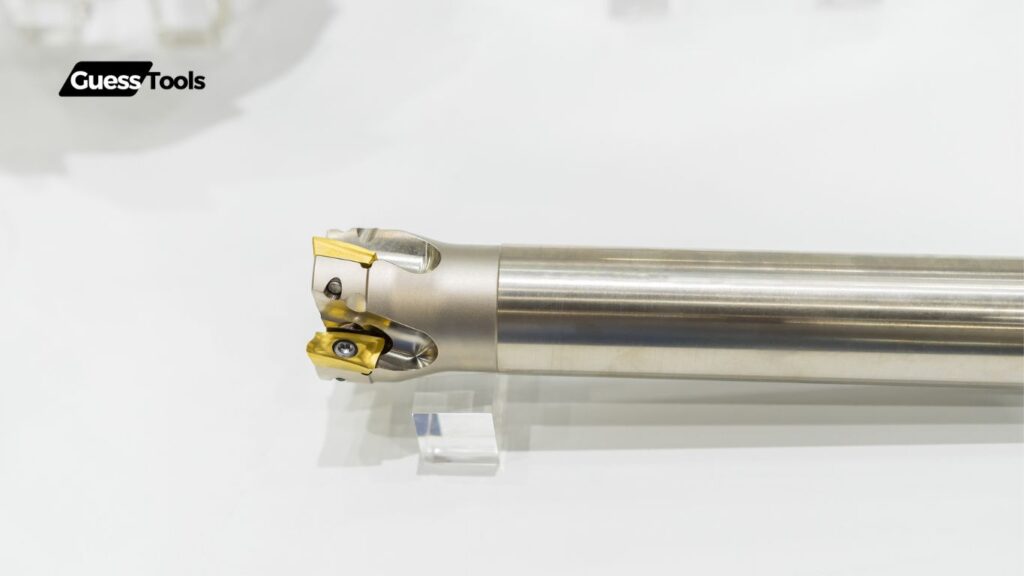
Choosing between cemented carbide and tungsten carbide depends on specific industry needs. The right material selection can dramatically improve performance, cost-efficiency, and tool life in various applications.
Machining And Cutting Tools
In machining operations, cemented carbide tools offer impressive performance advantages. These tools typically contain tungsten carbide particles in a cobalt binder, creating an ideal balance of hardness and toughness.
Did you know that cemented carbide cutting tools can operate at speeds 3-5 times faster than high-speed steel? This boost in productivity makes them the go-to choice for high-volume manufacturing processes.
When working with harder materials like stainless steel or titanium, we’ve found that carbide tools with specialized coatings perform exceptionally well. These coatings reduce friction and heat generation during cutting.
Key applications include:
- Turning operations
- Milling cutters
- Drill bits
- Thread cutting tools
Tungsten carbide rods are commonly used to manufacture these tools, providing the raw material for custom tooling solutions.
Mining And Drilling Applications
The extreme conditions of mining and drilling demand materials that can withstand intense abrasion and impact. Here, the distinction between grades of carbide becomes crucial.
Gesementeerde karbied met hoër kobaltinhoud (8-12%) bied beter slagweerstand vir rotsboor. Daarteenoor bied grade met minder kobalt (4-6%) uitstekende slytasieweerstand vir deurlopende snytoepassings.
Ons het daardie wolframkarbied waargeneem boorpunte hou tot 100 keer langer as staalstukke in harde rotstoestande. Hierdie dramatiese verbetering in werktuiglewe kom neer op minder vervangings en minder stilstand.
Gewilde komponente sluit in:
- Boorpunte vir olie- en gaseksplorasie
- Mynboukeuses
- Wolframkarbied spuitpunte vir sandblaas
- Tonnel boor masjien snyers
Hierdie toepassings trek voordeel uit karbied se unieke kombinasie van hardheid (90-92 HRA) en druksterkte (tot 7 000 MPa).
Slytasieonderdele en gespesialiseerde komponente
In industries facing extreme wear challenges, tungsten carbide components provide exceptional service life. The material’s resistance to abrasion, erosion, and chemical attack makes it ideal for demanding environments.
Tungsten carbide nozzles are particularly valuable in spray applications. We’ve found they maintain their dimensions up to 20-30 times longer than steel alternatives when handling abrasive slurries or powders.
Common wear applications include:
- Flow control valves
- Extrusion dies
- Seal rings
- Wire drawing dies
The material selection process must consider the specific wear mechanism. For sliding wear, finer-grained carbides with higher hardness excel. For impact wear, coarser grades with higher cobalt content perform better.
Case Studies Of Successful Implementations
A major automotive manufacturer switched to cemented carbide cutting tools for cylinder head machining. The result? Production rates increased by 35% while tool change frequency decreased by 70%.
In oil drilling, a company implementing tungsten carbide nozzles in their drilling mud system reduced nozzle replacements from weekly to quarterly intervals. This change saved approximately $120,000 annually in replacement costs and downtime.
A mining operation in Australia replaced standard steel components with custom tungsten carbide wear parts in their ore processing equipment. The new parts lasted 8 times longer, reducing maintenance downtime by 45%.
Hierdie werklike voorbeelde wys hoe strategiese materiaalkeuse operasionele doeltreffendheid kan transformeer. Die aanvanklike hoër koste van karbiedkomponente word tipies geneutraliseer deur hul dramaties langer dienslewe en verbeterde werkverrigting.
Ekonomiese oorwegings vir vervaardigers

By die keuse tussen gesementeerde karbied en wolframkarbied, moet vervaardigers verskeie ekonomiese faktore evalueer wat hul winspunt beïnvloed. Die regte besluit kan op lang termyn tot aansienlike kostebesparings en verbeterde produktiwiteit lei.
Koste-analise en ROI-berekeninge
Die aanvanklike belegging in sementkarbiedgereedskap is tipies hoër as tradisionele alternatiewe. Hierdie koste word egter dikwels met langer verreken werktuiglewe en verbeterde doeltreffendheid. Kom ons breek die getalle af:
- Aanvanklike koste: Geharde karbied kan vooraf 20-40% meer kos
- Produksie spoed: Kan uitset met 25-50% in baie toepassings verhoog
- Vervangingsfrekwensie: Langer intervalle tussen gereedskapveranderings
Ons het gevind dat die meeste vervaardigers binne 3-6 maande 'n opbrengs op belegging sien wanneer hulle na hardmetaal oorskakel. Hierdie ROI-berekening moet nie net die gereedskapkoste insluit nie, maar ook verminderde stilstandtyd vir gereedskapveranderings en verhoogde produksiekapasiteit.
Byvoorbeeld, 'n vervaardigingsaanleg wat $12 000 in gesementeerde karbiedsnygereedskap belê het, het 'n toename van 32% in produksiespoed en die vervanging van gereedskap met 40% verminder, wat jaarlikse besparings van ongeveer $38 000 tot gevolg het.
Voorsieningsketting-oorwegings
The tungsten carbide market is expected to grow from $5.69 billion in 2023 to $14.54 billion by 2031, which may affect both availability and pricing.
Key supply chain factors to consider include:
- Sourcing reliability: China produces about 80% of the world’s tungsten
- Material availability: Potential fluctuations due to mining regulations
- Lead times: Custom cemented carbide tools may require longer wait times
We recommend developing relationships with multiple suppliers to mitigate risk. Some manufacturers have implemented just-in-time inventory systems specifically for their carbide tooling to balance availability with carrying costs.
Supply chain disruptions can significantly impact production, so it’s worth considering how critical these tools are to your operation.
Maintenance And Tool Life Factors
Cemented carbide tools typically offer 5-10 times longer tool life compared to conventional alternatives in most applications. This extended lifespan directly impacts your maintenance budget and production schedule.
Maintenance considerations:
- Proper training for operators on correct use of carbide tools
- Regular inspection schedules to identify wear before failure
- Appropriate cleaning and storage protocols
Tool life can be further extended through proper cooling techniques during operation. One manufacturer reported a 35% increase in carbide tool life simply by optimizing their coolant system at a cost of just $2,000.
Remember that tool failure often leads to workpiece damage, which adds hidden costs beyond just replacing the tool itself.
Long-term Value Assessment
Behalwe vir onmiddellike koste-oorwegings, moet ons die totale waarde-aanbod van gesementeerde karbiedgereedskap evalueer.
Langtermyn voordele sluit in:
- Verbeterde oppervlakafwerkingskwaliteit (verminder sekondêre bewerkings)
- Meer presiese toleransies (minder afgekeurde dele)
- Vermoë om harder materiale te bewerk (uitbreiding van vermoëns)
- Verlaagde energieverbruik (tot 15% in sommige gevalle)
Wanneer hierdie bykomende voordele ingereken word, verskuif die waardevergelyking aansienlik. 'n Omvattende assessering moet kwaliteitverbeterings, afvalvermindering en uitgebreide produksievermoëns insluit.
For a mid-sized manufacturing operation, these benefits typically translate to an additional 10-15% cost advantage beyond the direct tool life and productivity gains, making cemented carbide a clear economic winner for most high-volume or precision applications.
Guess Tools Expert Guide To Material Selection
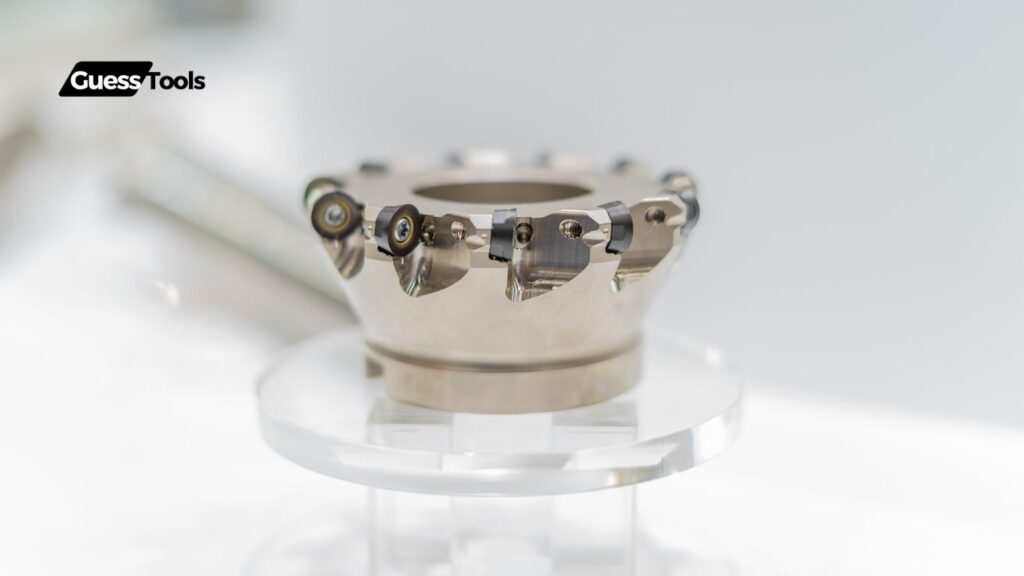
Selecting the right material for your cutting tools can make a huge difference in performance and cost. We’ve put together this guide to help you navigate the complex world of cemented carbide and tungsten carbide options based on our decades of experience in the field.
Application-specific Recommendations
Are you working with hard metals or soft materials? This question matters a lot when choosing between carbide types. For hoë snelheid bewerking of steel, we recommend fine-grained cemented carbide with 6-10% cobalt content for the best balance of wear resistance and toughness.
When cutting cast iron or non-ferrous metals, a straight tungsten carbide grade with lower cobalt content (4-6%) works extremely well. The higher hardness prevents premature wear.
Vir wood processing tools, medium-grain carbide with 10-15% cobalt provides the shock resistance needed to handle knots and varying densities.
Consider these factors:
- Workpiece material hardness
- Cutting speed requirements
- Wet vs. dry machining conditions
- Required surface finish quality
Remember that harder isn’t always better! Sometimes a slightly softer grade with better toughness will outlast a harder grade in interrupted cutting applications.
Industry Best Practices
We’ve found that most machining failures come from improper material selection. Follow these industry-proven guidelines for best results:
- Match the carbide grain size to your application:
- Nanograin (<0.2μm): Precision tools, excellent finish
- Fine grain (0.5-0.8μm): General purpose
- Medium grain (1.0-1.5μm): Heavier cuts, more impact resistance
- Coarse grain (2.0-6.0μm): Maximum toughness for roughing
- Consider the full cutting environment, not just the material being cut. Coolant availability, machine rigidity, and toolholder quality all affect what carbide grade will perform best.
Always run test cuts when possible. What works in theory doesn’t always translate to real-world success. We’ve seen cases where a slightly “wrong” grade according to charts outperformed the “correct” one because of unique machine characteristics.
Probleemoplossing van algemene kwessies
Is your tungsten carbide tool wearing too quickly? You might need a grade with higher hardness or different coating. Excessive edge chipping? Consider a grade with more cobalt binder for improved toughness.
Common problems and solutions:
| Problem | Potential Solution |
|---|---|
| Rapid wear | Increase WC content, reduce grain size |
| Edge chipping | Increase cobalt percentage |
| Built-up edge | Try PVD coating or polished edge |
| Tool breakage | Check for proper support, increase toughness |
Remember that temperature plays a huge role in carbide performance. If your tools are running hot, even the best grade selection can fail prematurely. Ensure proper cooling and don’t exceed recommended cutting speeds.
We’ve found that about 60% of carbide tool failures stem from improper application rather than material quality issues. Check your cutting parameters before blaming the tool!
Custom Solution Options
Can’t find the perfect carbide grade for your unique application? You’re not alone. We work with manufacturers to develop custom carbide formulations for specific challenges.
Several options exist for customization:
- Multi-layer carbide structures with tough core and hard outer layer
- Gradient carbide with varying cobalt content throughout the tool
- Specialized binders beyond traditional cobalt, including nickel, iron, or chromium variants
Custom solutions typically require minimum order quantities and development time. For critical applications with high volume, the investment pays off through extended tool life and improved productivity.
Have you considered alternative coatings? While the base carbide is crucial, specialized PVD or CVD coatings can dramatically change performance characteristics without requiring completely new carbide formulations.
Future Innovations In Carbide Technology
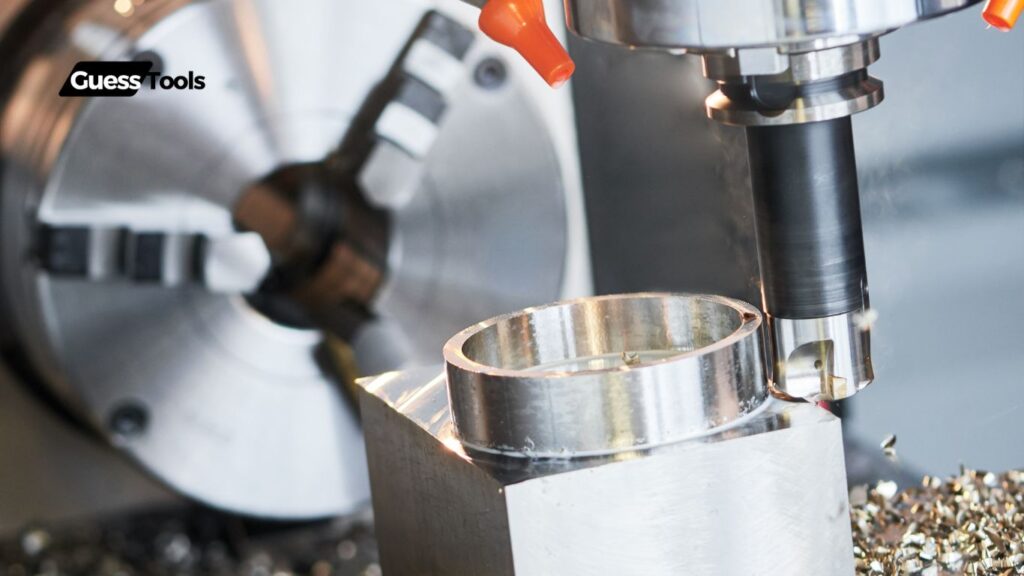
The carbide industry is on the verge of exciting breakthroughs that will transform how these materials are produced and used. Advances in manufacturing processes, coatings, and sustainability are reshaping what’s possible with both cemented and tungsten carbide technologies.
Emerging Trends And Research Directions
Research in carbide technology is moving faster than ever. We’re seeing major advances in nano-structured carbides that provide better hardness-to-toughness ratios than traditional materials. Have you considered how these might affect your industry?
Scientists are developing carbide composites with ceramic reinforcements that can withstand even higher temperatures—up to 1200°C in some cases! This opens new possibilities for aerospace and high-temperature manufacturing applications.
3D printing of carbide parts is another game-changer. Companies can now produce complex geometries that were impossible with traditional sintering methods. This means custom carbide tools with internal cooling channels and optimized cutting edges.
Some interesting developments include:
- Gradient carbides with varying composition throughout the part
- Self-healing carbide materials that can repair micro-cracks
- Ultra-fine grain structures (<0.2 μm) for superior wear resistance
New Coating Technologies
Coatings are revolutionizing carbide performance. The latest PVD (Physical Vapor Deposition) coatings can extend tool life by 300% compared to uncoated carbides. Isn’t that impressive?
Multi-layer coatings combine the benefits of different materials. For example, a TiAlN base layer provides heat resistance while a diamond-like carbon top layer offers lubricity and wear resistance.
Researchers at leading universities have developed “smart coatings” that respond to changing conditions. These coatings can release lubricants when friction increases or harden when exposed to higher pressures.
Some exciting new coating technologies include:
- Hydrogen-free diamond-like carbon (DLC) coatings
- Nanocomposite coatings with self-lubricating properties
- AlCrSiN coatings for high-temperature machining
- Oxide-based coatings for corrosion resistance in chemical applications
Sustainability And Recycling Developments
The carbide industry is getting much greener. New recycling methods can recover up to 95% of tungsten from used carbide tools, reducing the need for mining.
Water-based processing is replacing harmful solvents in carbide production. This cuts VOC emissions by 80% while maintaining product quality. We’ve seen companies adopt closed-loop water systems that eliminate wastewater discharge completely.
Alternative binders are replacing traditional cobalt, which has supply chain and health concerns. Iron-nickel alloys provide similar performance with reduced environmental impact.
Key sustainability initiatives include:
- Powder reclamation systems that recover material during grinding
- Energy-efficient sintering using microwave technology
- Bio-based binders derived from renewable resources
- Zero-waste manufacturing facilities
What To Expect In The Next 5 Years
In the coming years, we’ll see carbide tools that last twice as long as current options. Machine learning algorithms will optimize carbide compositions for specific applications, creating truly customized solutions.
Digital twins of carbide manufacturing processes will enable real-time quality control and predictive maintenance. This could reduce production costs by 20-30% according to industry forecasts.
The market for specialized carbides in emerging industries like hydrogen fuel cells and quantum computing will grow by an estimated 12% annually. These applications demand unique properties that only advanced carbides can provide.
How will this affect you? Expect more affordable and specialized carbide options as production efficiency improves. We’ll also see greater integration between carbide suppliers and end-users through digital platforms that optimize tool selection and usage.
Afsluiting & Resources

Understanding the differences between cemented carbide and tungsten carbide is essential for making the right material choices in your industrial applications. Let’s explore the key differences, provide some helpful resources, and explain how our team can assist you further.
Summary Of Key Differences And Selection Criteria
When choosing between cemented carbide and tungsten carbide, remember that tungsten carbide is actually a component of cemented carbide. Cemented carbide is a composite material that contains tungsten carbide particles bound together with a metal binder (typically cobalt). Tungsten, on the other hand, is just the individual metal element.
Key selection factors to consider:
- Hardness vs. Toughness: Cemented carbide offers an excellent balance of hardness and toughness compared to tungsten steel
- Application requirements: Consider wear resistance, temperature conditions, and chemical exposure
- Cost factors: Higher tungsten content typically means higher cost but better performance in certain applications
- Lifespan expectations: Cemented carbide generally offers superior resistance to plastic deformation due to its higher yield strength
When selecting between these materials, we recommend evaluating your specific operating conditions, budget constraints, and performance requirements.
Additional Resources And Tools
We’ve compiled some valuable resources to help deepen your understanding of carbide materials:
Technical Guides:
- Die Cemented Carbide Designer’s Guide – Comprehensive material properties and selection criteria
- Carbide Material Safety Data Sheets – Important handling and safety information
Online Tools:
- Our interactive material selector tool at guess-tools.com/material-selector
- Carbide wear calculator for estimating lifespan in various applications
Industry Publications:
- Modern Manufacturing magazine’s special issue on carbide applications
- The quarterly Carbide Technology Review with the latest research findings
These resources can help you make more informed decisions about which carbide material best suits your specific needs.
Call To Action For Consultation With Guess Tools Experts
Not sure which carbide material is right for your application? Our Guess Tools experts are here to help! We have over 15 years of experience working with carbide materials across numerous industries.
How we can assist you:
- Free 30-minute consultation to discuss your specific application needs
- Custom material analysis and recommendation report
- Sample testing to verify performance before large purchases
Contact us today at info@guesstools.com. We pride ourselves on finding the perfect material solution for challenging industrial applications.
Why struggle with material decisions alone? Let our team help you maximize performance while optimizing your budget!


