

Have you ever wondered how large machines manage to shape those massive metal blocks into the parts we use every day? The secret weapon in this process is a roughing end mill. This cutting tool is designed for rapid material removal, making it a powerhouse for heavy-duty milling tasks. It’s used in various machining activities, where it removes large amounts of material from a workpiece swiftly and efficiently.

Think of roughing end mills as the bulldozers of the milling world. They feature a higher number of flutes and a specially designed coarse pitch to cut through materials like steel or alloy with ease. This design allows them to handle heavy cuts and deep slots, reducing the load on the tool and minimizing generated heat. We’ve all seen those sparks fly when metal comes in contact with a roughing end mill, working its magic on pieces that need significant reshaping.
So, why should we care about what a roughing end mill does? Because understanding its role helps us appreciate how raw materials transform into intricate components in industries such as aerospace and automotive manufacturing. Knowing the capabilities of such milling cutters can also help those of us in machining choose the right tool for the job, leading to more efficient production processes.
Understanding Roughing End Mill Design
Let’s explore how roughing end mills are designed to perform their tough job of cutting through materials. We’ll look at the key features, the materials they’re made from, and how they efficiently remove material.
Key Design Features
Roughing end mills have unique designs that set them apart. They usually feature multiple flutes, between 3-7, which create many small chips during operation. This higher flute count helps spread out the cutting forces and reduces heat buildup.
The tips have a coarse pitch, allowing deeper cuts with less force. The serrated cutting edges slice through materials by removing large chunks. This is key for bulk material removal and is supported by varying helix angles that improve stability and control during the cutting process.
Common Materials Used In Construction
Roughing end mills are constructed from durable materials that help them handle demanding tasks. Carbide and high-speed steel (HSS) are commonly used due to their toughness and ability to maintain sharpness. Carbide roughing end mills are particularly favored for their resistance to wear and high-temperature toughness.
Sometimes, cobalt and ceramic may also be added to the mix. These materials enhance the tool’s performance by extending its life and enabling it to cut harder materials. Positive rake inserts and negative rake inserts may further optimize cutting capabilities, depending on the project requirements.
Efficient Material Removal
The primary purpose of a roughing end mill is to remove material quickly and efficiently. Thanks to their design, they achieve a high material removal rate. The multiple cutting edges contribute to this efficiency as each cuts simultaneously, reducing the time required for material removal.
With the specific tool profile and number of flutes, they handle rough cutting tasks easily, taking large amounts of material off at once. This makes them an excellent choice for preparing surfaces before finishing. The effectiveness of these mills in high-volume material removal is a key reason they are valued in machining processes.
Roughing vs. Finishing End Mills: Critical Differences

Understanding the critical differences between roughing and finishing end mills can greatly improve the milling process and the final product’s quality. In this section, we’ll explore the key features, specific usage scenarios, performance traits, and cost considerations of each type.
Comparative Analysis Of Features
Roughing and finishing end mills differ significantly in their design and purpose. Roughing end mills have serrated teeth, ideal for removing large amounts of material quickly. Their robust construction helps with heavy-duty cuts, making them perfect for initial machining stages.
Finishing end mills, on the other hand, feature more flutes and refined cutting edges. This design enables them to produce smooth surface finishes and maintain precise measurements in the final machining stages.
When To Use Each Type
Selecting the right tool for the task is crucial in milling operations. We use roughing end mills when we need to trim down bulk material fast, especially when surface roughness isn’t our main concern.
For tasks requiring a high-quality finish and tight tolerances, finishing end mills are our go-to choice. These tools excel in crafting a superior surface quality and detailed shapes, perfect for completing a piece.
Performance Characteristics
Performance is critical when deciding between these tools. Roughing end mills excel at quickly removing unwanted material and handle high chip loads efficiently. Their durable nature means they can withstand intense pressure, making them reliable for tough jobs.
Finishing end mills focus on delivering precision and smoothness. They use more flutes to cut with greater accuracy, achieving the fine finishing touches necessary for perfect component finishing.
Cost-Effectiveness Considerations
Cost is always part of the equation. Roughing end mills tend to save time due to their ability to rapidly shape, reducing energy and labor costs in the long term.
Finishing end mills might have a higher upfront cost due to their need for precision cutting and durability under less aggressive conditions. However, the quality they deliver often justifies the investment, especially for projects where surface finish and dimensional accuracy are paramount.
Selecting The Right Roughing End Mill

Choosing the right roughing end mill isn’t just about picking one off the shelf. It’s about understanding what will work best with your materials, machines, and desired outcomes. Let’s break down the key factors you should consider to make an informed choice.
Material Compatibility Guidelines
When selecting a roughing end mill, the first step is to consider the material you’ll be working with. Different materials require different types of end mills for optimal performance.
If we’re machining aluminum, a non-coated or ZrN-coated end mill works best. For harder materials like steel, carbide end mills are often preferred due to their durability. They can withstand the high heat and stress involved in machining tough materials. Always select a tool that aligns with the specific machining requirements of your material.
Size And Geometry Considerations
The size and geometry of the roughing end mill are crucial for achieving the desired machining results. Cutter diameter is key; it impacts how much material can be removed in each pass. Larger diameters remove more material but need more machine power.
Geometry involves flute length, helix angle, and the number of flutes. These factors determine the tool’s ability to cut and remove chips efficiently. Consider how these aspects fit with the parts you are making and the tolerance levels required.
Coating Options And Their Benefits
Coatings play a vital role in extending tool life and improving performance. For instance, titanium nitride (TiN) coatings reduce wear and increase tool longevity. Diamond-like carbon (DLC) coatings are excellent for non-ferrous materials, minimizing friction and providing a smoother cut.
We should choose a coating based on the material and temperature conditions expected during the machining. This ensures optimum performance and efficiency throughout the process.
Machine Capability Matching
The compatibility of the end mill with your CNC machinery is another important factor. We must consider the machine’s speed, torque capabilities, and overall condition. Machines with higher spindle speeds pair well with smaller diameter tools for precision cuts.
If your machine has high horsepower, it can handle larger and more aggressive cutting tools. Matching the tool with machine capabilities ensures efficiency, decreases tool wear, and improves precision in milling operations. Always align the tool specifications with what your equipment can support.
Applications And Industries

Roughing end mills are essential in transforming raw materials across various industries. They assist in shaping parts with speed and precision, handling different materials like steel, titanium, and aluminum. Let’s explore how these tools are utilized in several specific industry sectors.
Aerospace Applications
In the aerospace industry, precision and reliability are crucial, and roughing end mills play a significant role. We find them used to shape parts from high-temperature alloys and titanium. Their ability to effectively cut these tough materials ensures that components meet strict quality standards. These mills are often employed in profiling and slotting, creating precise contours and channels needed in aircraft components. They help in reducing the weight of aircraft by milling intricate designs into structural parts, while maintaining strength and durability. By rapidly removing large amounts of material, roughing end mills optimize production times, making manufacturing processes more efficient in aerospace applications.
Automotive Manufacturing
Automotive production involves crafting precision parts from materials such as aluminum, carbon steel, and stainless steel. Roughing end mills streamline these processes by quickly removing excess material, paving the way for finished components like engine parts, transmission housings, and more. In automotive manufacturing, these mills are used for producing slotting in gears and profiling in complex parts, ensuring accuracy and consistency. They help in machining parts that require high precision, while maintaining the structural integrity necessary for vehicle safety and performance. By using roughing end mills, manufacturers can optimize the machining of cast iron, non-ferrous metals, and alloys, ultimately enhancing productivity and reducing production costs.
Industrial Machinery
In the industrial machinery sector, roughing end mills are critical in fabricating robust and durable equipment. They are ideal for cutting and shaping various materials like stainless steel, cast iron, and composites. Their ability to handle tough materials ensures that machinery components are precise and reliable. Roughing end mills are employed in milling applications that involve creating machine parts with tight tolerances and intricate designs. The mills are used in creating the fundamental shapes and structures of equipment that withstand the rigors of industrial use. Their efficiency in removing material quickly allows for faster assembly and manufacturing of machinery, increasing productivity in the sector.
Mold And Die Making
Mold and die making demands accuracy, especially in creating complex shapes required for injection molding and casting. We see roughing end mills used in this field for creating initial shapes in steel and other materials. They are able to cut through hard surfaces, leaving smoother finishes for subsequent processes. Roughing end mills are applied in profiling and slotting, where they remove substantial material before finer detailing. Their usage in mold and die making helps in reducing lead times and enhancing the precision of the final products. Manufacturers rely on these mills to produce high-quality dies and molds that are fundamental in producing various consumer goods and components.
Shipbuilding Applications
Shipbuilding requires the machining of large components like hulls and structural parts from materials such as steel and aluminum. Roughing end mills play a crucial role in milling applications involving these metals, ensuring that materials are efficiently shaped to meet specifications. These mills help in creating slotting and other components crucial to the integrity and performance of ships. With their ability to remove large amounts of material quickly, they are invaluable in the production of ship parts that must withstand harsh marine environments. By employing roughing end mills, shipbuilders can achieve the necessary precision and scale needed to create reliable and robust vessels.
Best Practices For Using Roughing End Mills
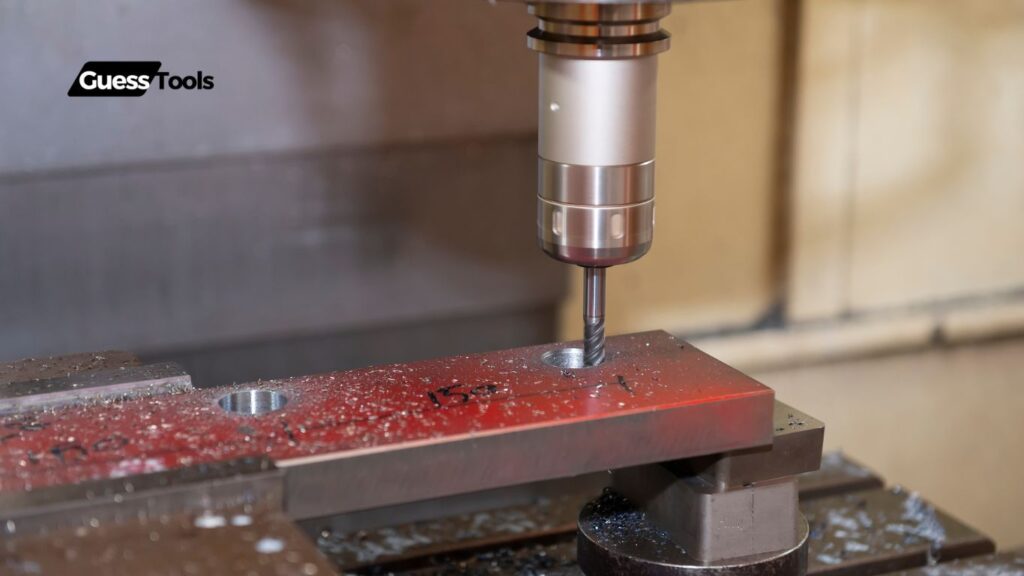
When using roughing end mills, selecting the right parameters is crucial. These tools need specific settings to perform effectively. We’ll discuss tips about cutting parameters, feed rates, chip evacuation, coolant usage, and machine stability.
Optimal Cutting Parameters
Choosing the optimal cutting parameters can drastically improve the performance of roughing end mills. Parameters like depth of cut, cutting forces, and cutting pressure need careful consideration. We should aim for a balance where the chip load is neither too light nor too heavy.
One example could be aiming for a depth of cut that matches the tool’s capacity, ensuring efficient material removal. Adjusting the cutting speed also helps in reducing tool wear and increasing longevity. Consistent evaluation of these parameters leads to better results and minimized tool damage.
Proper Feed Rates
Setting the right feed rates is vital for the effectiveness of the roughing process. A high feed rate may lead to aggressive cutting, which can cause tool failure. On the other hand, a too low feed rate might not be efficient in material removal.
To find the sweet spot, we can start with the manufacturer’s recommended settings and iterate based on specific material properties. By monitoring the tool’s performance, we can maintain an appropriate rate that balances the removal of materials with the longevity of the tool.
Chip Evacuation Techniques
Efficient chip evacuation is crucial while using roughing end mills. Accumulated chips can increase cutting forces and lead to overheating. Thus, implementing effective evacuation strategies is vital.
Using air blowers or coolant sprays can help remove chips from the cutting area. We can also adjust the tool’s angle or use end mills with a geometric design that naturally promotes chip removal. These strategies help maintain smoother operations and prolong tool life.
Coolant Usage
Coolant usage plays a significant role in maintaining the temperature of roughing end mills. By keeping the tool cool, we minimize the risk of overheating and tool wear. Coolants can reduce friction and help in chip evacuation.
Different coolants serve various purposes; selecting a suitable coolant helps get the most out of the process. We must ensure proper application, either through flooding or misting, to help reduce temperature and enhance efficiency in material removal.
Machine Stability Requirements
Ensuring machine stability is paramount when working with roughing end mills. Vibration can negatively affect the cutting process, leading to poor-quality finishes and increased tool wear. Checking for the rigidity of the setup ensures better outcomes.
Regular checks on machine alignment and stability contribute to more consistent and precise cuts. Using stabilized fixtures and appropriate mounting techniques offers further support, reducing unwanted movements during operation and maximizing performance.
Maximizing Tool Life And Performance
Let’s dive into how we can extend the life of our roughing end mills and improve their performance. We’ll explore maintenance, storage tips, wear tracking, and strategies that save costs, ensuring that our tools do their job effectively and efficiently.
Maintenance Guidelines
Regular maintenance is crucial for extending the tool life of roughing end mills. We should clean our tools after each use to prevent material buildup. Lubrication of moving parts is important to avoid undue wear and tear.
Check the tool for any signs of damage, such as nicks or dullness on the cutting edge. Using proper cleaning solutions helps in maintaining the integrity of the tool surfaces. It’s also a good idea to periodically recalibrate our equipment. This ensures that our roughing end mills maintain dimensional accuracy and cutting performance.
Storage Recommendations
Proper storage of roughing end mills helps in preserving their condition and performance. Always keep them in a dry and cool environment to prevent rusting. Using specific tool holders can keep our tools organized and prevent accidental impacts.
Make sure they are stored in such a way that the cutting edges do not touch other tools. This reduces the risk of chipping. Some people use racks or drawers lined with non-abrasive materials. These can provide a soft surface and keep cutting edges safe.
Wear Monitoring
Monitoring tool wear is essential in maintaining productivity and efficiency. Regularly inspect the roughing end mills for signs of wear like chipping or rounded edges. Using a magnifying glass or microscope can aid in detailed inspections.
By tracking how long each tool has been used, we can better predict when it might need replacement. Keeping a log of usage can help in identifying trends in wear resistance and milling performance. This proactive approach can prevent unexpected breaks during machining.
Cost-Saving Strategies
There are several strategies to save costs while maximizing tool life. First, selecting roughing end mills with specialized coatings can enhance durability, even though they may cost more upfront. These coatings help in reducing heat generation and improving wear resistance.
Consider implementing effective toolpath strategies. These can optimize machining efficiency and reduce stress on the tool. Regular training for our team ensures they are using the tools correctly, which can save costs related to tool damage and improve cutting performance.
Advanced Topics And Innovations
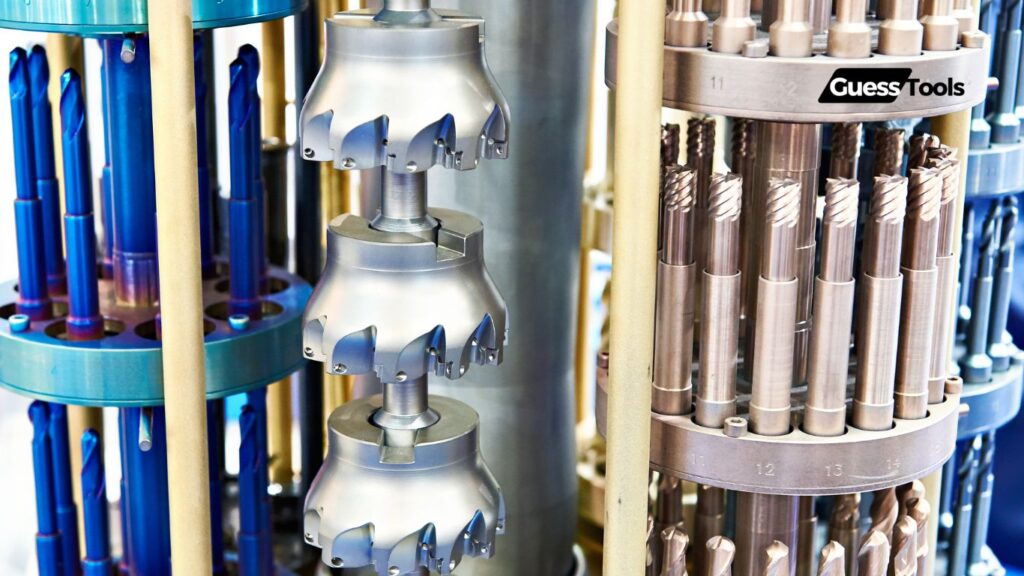
When we talk about roughing end mills, it’s interesting to consider what’s new in technology and materials. This section dives into innovative developments and what the future holds in this area.
Latest Technological Developments
In recent years, the roughing end mill has seen several technological improvements. One exciting progress is the use of coating technologies that enhance tool life and performance. Coatings like titanium nitride and aluminium chromium nitride reduce wear and allow for higher cutting speeds.
Another important development involves new carbide grades. These materials resist heat and wear, making roughing end mills more durable and efficient. With these advancements, we can mill harder materials faster without affecting the quality of the tool. Also, cryogenic machining is emerging, using extremely cold temperatures to improve tool performance during cutting.
Hybrid Roughing-Finishing Tools
Hybrid tools combine roughing and finishing features in one tool. What does this mean for us? Primarily, it reduces the number of tool changes in machining processes, saving time and costs. For example, some hybrid end mills have optimized flute designs that allow for both rapid material removal and smooth finishes.
The ability to switch between these functions without changing the tool means increased efficiency, especially in small-scale productions or complex geometries. This innovation makes them ideal for industries looking to streamline their operations. Mixed geometry designs in these tools provide versatility, making them a game-changer in precision engineering.
Future Trends
Looking ahead, what can we expect in the world of roughing end mills? One trend is the increasing use of artificial intelligence in tool design. By analyzing machining data, AI can suggest optimal tool paths and cutting parameters, reducing time and effort spent on setup.
Another future trend involves sustainability efforts. As manufacturing places more focus on environmentally friendly practices, expect developments in end mill designs that reduce energy consumption and waste. Additionally, 3D printing might play a role, allowing for custom tool design with features tailored for specific tasks, revolutionizing how we approach roughing end mill usage.
Isn’t it fascinating how far we’ve come in optimizing these essential tools? Let’s see where future innovations take us!


