

When we start working on tiny, detailed projects, regular drill bits just won’t cut it. That’s where micro drill bits come into play – these specialized tools let us create incredibly small holes with perfect precision. Micro drill bits are designed to make holes as small as 0.05 millimeters in materials like wood, plastic, and metal for intricate tasks such as model building, jewelry making, and detailed craftwork.

We’ve found these miniature bits excel at tasks where standard drill bits would be too large and clumsy. They work great for delicate electronics projects, watch repair, and even medical device manufacturing. The smallest micro bits can create holes thinner than a human hair.
We need to choose the right micro drill bits for each specific job. They come in various sizes and materials, and can be used with both hand-held drills and powered equipment. Many craftspeople keep sets of these bits ready for precise work that demands ultimate accuracy.
Understanding Micro Drill Bits
Micro drill bits represent a specialized category of precision cutting tools that have transformed how we approach intricate drilling tasks. These tiny tools help us create extremely small, accurate holes in various materials.
Definition And Basic Characteristics
Micro drill bits are specialized cutting tools designed for making very small holes with high precision. We find these bits are perfect for detailed work in electronics, jewelry making, and model building.
These bits come with sharp cutting edges and specially engineered flutes to remove material efficiently. A typical micro drill bit has a straight shank and a precise point angle for clean entry into the workpiece.
We often use these bits with high-speed rotary tools or specialized micro drilling machines. Their design allows for minimal wandering and exact hole placement.
Size Ranges (From 1 Micron To 1mm)
Micro drill bits start at incredibly small sizes around 0.05mm and can range up to 1mm in diameter. The smallest bits we work with are thinner than a human hair.
Common size ranges include:
- Ultra-micro: 0.05mm – 0.3mm
- Mid-range: 0.3mm – 0.7mm
- Large micro: 0.7mm – 1.0mm
These bits follow number-based sizing systems, with higher numbers indicating smaller diameters. For example, #80 bits are smaller than #60 bits.
How They Differ From Standard Drill Bits
Micro drill bits feature several key differences from their larger counterparts:
- Material composition: Usually made from high-speed steel or carbide for strength
- Flute design: Special geometries for chip evacuation in tiny holes
- Shank diameter: Often larger than the cutting diameter for stability
- Point angle: More precise angles for clean entry
We need special care when using these bits as they’re more fragile than standard sizes. They require higher speeds and lighter pressure during use.
Why Precision Matters In Micro Drilling
Precision in micro drilling affects the quality and success of delicate projects. A difference of just 0.01mm can determine whether a circuit board works or fails.
We need exact hole sizes for:
- Circuit board through-holes
- Watch component assembly
- Medical device manufacturing
- Scientific instrument creation
The right micro drill bit helps maintain tight tolerances and prevents material damage. Clean, precise holes reduce the need for secondary operations and improve product quality.
Types And Materials

Micro drill bits come in specialized designs and materials to match different drilling needs. The right combination makes tiny holes precise and clean.
Common Types Of Micro Drill Bits
Twist drill bits are the most popular type for micro drilling. We use these bits for their versatile spiral flutes that help remove material while drilling.
Brad point micro bits give us extra precision in wood. Their center point keeps the bit from wandering when we start the hole.
PCB drill bits are ultra-thin with a special tip angle for circuit boards. We need these when making holes in delicate electronics.
Popular specialty types include:
- Spade bits for flat-bottomed holes
- Diamond-tipped bits for glass and ceramics
- Step drill bits for gradually increasing hole sizes
Manufacturing Materials
High-speed steel (HSS) makes up most basic micro drill bits. We find these work well for wood, soft metals, and plastics at lower speeds.
Cobalt-enriched HSS gives us better heat resistance. This helps when we drill harder materials or need to work at higher speeds.
Tungsten carbide bits cost more but last longer. We pick these for the toughest jobs and most precise work.
Key material features:
- HSS: Good for general use
- Carbide: Best durability and precision
- Diamond-tipped: Needed for glass and ceramics
- TiN coating: Adds wear resistance
Industrial Applications And Use Cases

Micro drill bits play a vital role across multiple industries where precise, miniature holes are essential for manufacturing and assembly. These specialized tools let us create holes as small as 0.05mm with exceptional accuracy.
Electronics Manufacturing
We rely heavily on micro drill bits for producing printed circuit boards (PCBs) and other electronic components. These bits create the tiny through-holes needed to mount electronic parts and establish connections between PCB layers.
A typical PCB requires dozens or hundreds of precisely positioned holes between 0.2mm to 1mm in diameter. The bits must cut cleanly through copper and fiberglass without causing delamination or burrs.
We often use carbide micro bits for this work since they maintain sharpness longer when drilling abrasive PCB materials.
Medical Device Production
Our medical manufacturing processes depend on micro drilling for components like surgical instruments, implants, and diagnostic devices. We need extremely precise holes for fluid channels, wire passages, and assembly points.
The bits we select must meet strict biocompatibility requirements since many components contact human tissue. Titanium and stainless steel micro bits are common choices.
We frequently drill holes under 0.5mm in diameter in materials like titanium, stainless steel, and medical-grade plastics. These holes allow for drug delivery, sensor placement, and device assembly.
Aerospace Applications
We use micro drill bits extensively in aerospace manufacturing for creating cooling holes, sensor mounts, and lightweight structures. Many aerospace components need arrays of precisely sized holes for optimal performance.
The bits must maintain tight tolerances when drilling high-strength materials like titanium alloys and super-alloys. Specialized coatings help extend bit life in these demanding materials.
Typical aerospace applications include turbine blade cooling holes, composite structure assembly, and instrument mounting points.
Automotive Industry Uses
We implement micro drilling in numerous automotive manufacturing processes. Common applications include fuel injector nozzles, sensor mounts, and miniature fluid passages.
The holes we drill range from 0.1mm to 1.5mm depending on the specific component requirements. Materials include hardened steels, aluminum alloys, and engineering plastics.
Precision and consistency are critical since these components often operate under high pressures and temperatures. We carefully control drilling parameters to achieve the required hole quality.
Selection Guide: Choosing The Right Micro Drill Bit

Picking the perfect micro drill bit requires careful consideration of several key aspects to achieve precise, clean holes in our delicate projects. Let’s examine the crucial factors that will help us make the best choice.
Material Compatibility Considerations
We need to match our micro drill bits to the materials we’re working with. For metals, carbide bits offer excellent durability and precision. Steel bits work well for softer materials like wood and plastic.
Titanium-coated bits resist heat better when drilling aluminum and brass. We recommend HSS (High-Speed Steel) bits for general-purpose work across multiple materials.
Here are common material pairings:
- Carbide: Hardened steel, cast iron
- HSS: Wood, plastic, mild steel
- Titanium-coated: Aluminum, brass
- Diamond-coated: Glass, ceramics
Determining Appropriate Bit Size
Micro drill bit sizes typically range from 0.1mm to 3mm. We must choose a size that matches our project specs exactly.
A few key sizing tips:
- Check material thickness
- Account for tolerance requirements
- Consider pilot hole needs
- Match tap size for threaded holes
For model building and circuit boards, we often use bits between 0.3mm and 1mm. Jewelry work might need even smaller sizes.
Speed And Feed Rate Recommendations
Recommended Speeds by Material:
- Plastics: 2,000-3,000 RPM
- Soft metals: 1,500-2,000 RPM
- Hard metals: 1,000-1,500 RPM
- Wood: 3,000-3,500 RPM
We must reduce speed as bit diameter increases. Smaller bits need faster speeds to cut effectively.
Light pressure works best with micro bits. Too much force leads to breakage.
Application-Specific Requirements
PCB drilling needs bits with precise points and minimal wandering. Model making requires extra-sharp bits for clean entry.
Jewelry work demands:
- Ultra-precise diameter control
- Excellent concentricity
- Minimal burr formation
Watch repair needs specialized bits with specific point angles.
Cost-Effectiveness Factors
We can save money by buying sets instead of individual bits. Quality matters more than quantity for micro drilling.
Top value indicators:
- Tungsten carbide content
- Coating quality
- Manufacturing precision
- Brand reputation
We suggest investing in fewer high-quality bits rather than many cheap ones that break easily.
Professional-grade sets cost more but last longer and produce better results.
Technical Considerations And Best Practices
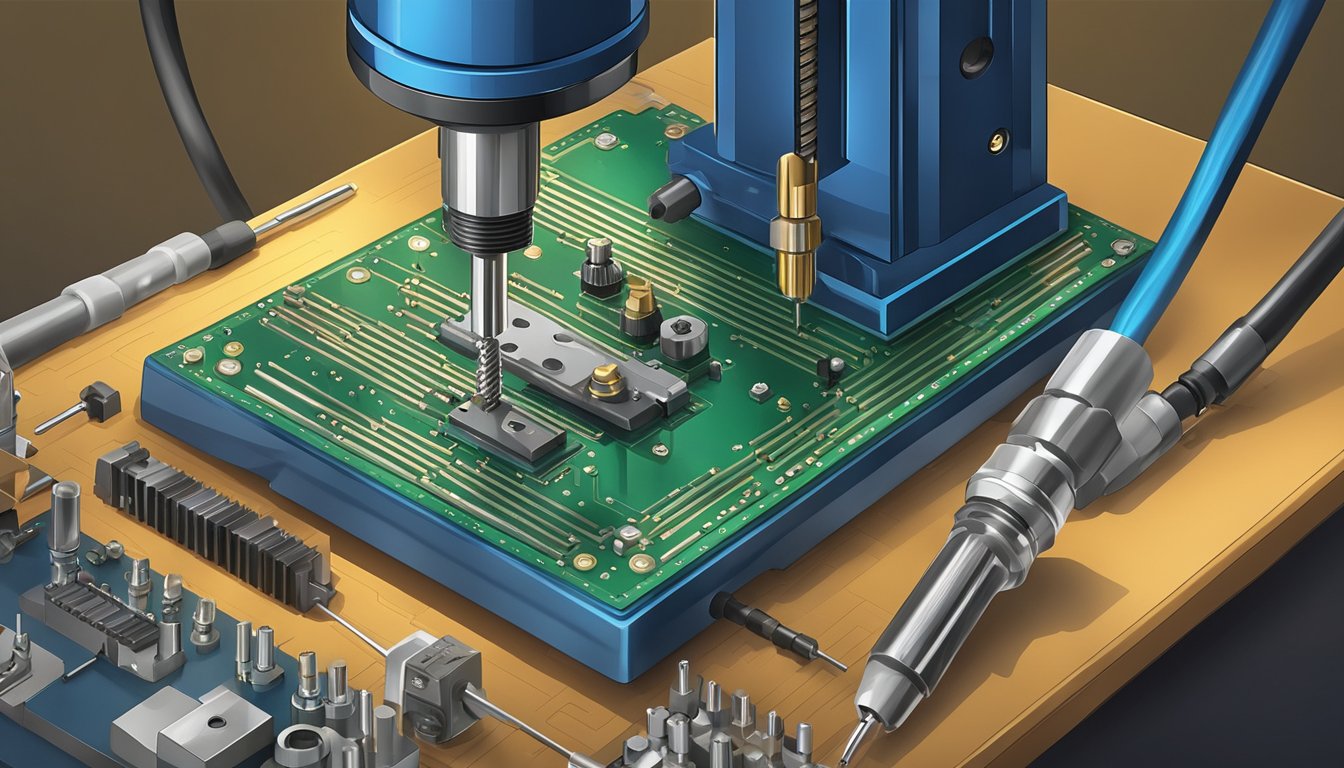
Working with micro drill bits requires careful attention to technical details and proper practices to achieve the best results. Precise control of operating parameters, proper maintenance, and safety measures are essential for success.
Operating Parameters
Proper speed settings are crucial for micro drilling. We recommend speeds between 65,000 to 350,000 RPM, depending on the bit diameter and material being drilled.
Cutting fluid plays a vital role in micro drilling operations. We must apply it consistently to reduce friction and heat buildup.
The feed rate needs careful control – too fast can break the bit, while too slow reduces efficiency. We suggest starting with lighter pressure and adjusting based on material resistance.
Tool Life Optimization
Regular cleaning prevents material buildup that can affect drilling performance. We use a soft brush or warm water rinse after each use.
Key maintenance steps:
- Store bits in protective cases
- Check for wear before each use
- Keep bits sharp and aligned
- Replace damaged bits immediately
Shorter drill bits offer better stability and less breakage risk. We select the shortest bit length that can complete the required task.
Common Challenges And Solutions
Material-specific issues:
- Metal: Use cutting fluid and slower speeds
- Plastic: Watch for melting; adjust speed down
- Wood: Clear chips frequently to prevent binding
Wandering bits create inaccurate holes. We solve this by using a center punch to mark the spot before drilling.
Chip removal becomes critical in deep holes. Light pecking helps clear debris and prevents bit breakage.
Safety Considerations
Essential safety gear:
- Safety glasses
- Dust mask
- Work gloves
- Secured workpiece
We always ensure proper bit installation in the chuck before starting work.
Proper workspace setup includes good lighting and a clean, stable work surface.
Small bits break easily under excess pressure. We maintain steady, controlled force throughout the drilling process.
Regular equipment inspection helps prevent accidents. We check for worn parts and loose connections before each use.
Latest Innovations And Market Trends
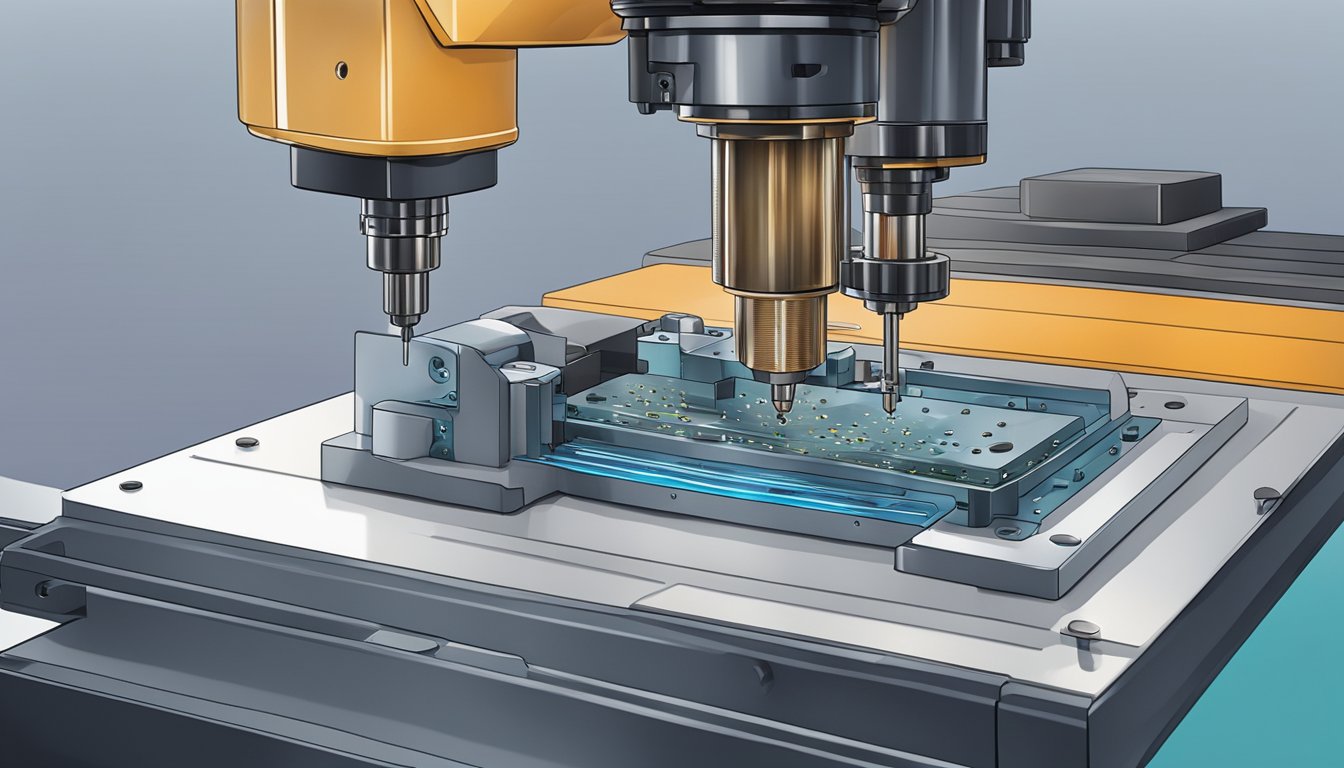
New technologies and market demands are rapidly changing how micro drill bits are made and used. The industry is seeing major advances in materials, design, and manufacturing processes.
Recent Technological Advancements
Diamond-coated micro drill bits are becoming more common in precision applications. These new coatings make the bits last much longer and cut more accurately.
Laser drilling technology pairs with micro drill bits to create ultra-precise holes in circuit boards and other delicate materials.
We’re seeing exciting developments in tungsten carbide formulations that give micro drill bits better heat resistance and strength.
New computer-aided design tools help manufacturers create more efficient cutting geometries for specialized applications.
Market Growth Statistics
The global PCB micro drill bits market reached $445 million in 2023. Experts predict it will grow to $605.58 million by 2030.
The market is growing at a steady rate of 4.50% per year as demand increases for smaller electronic devices.
Asia-Pacific leads the market growth due to its large electronics manufacturing base.
Industry Developments
Many tool companies launched new micro drill bit products in 2022-2023. These focus on improved durability and precision.
Smart manufacturing processes now create more consistent micro drill bits with tighter tolerances.
Companies are investing in automated quality control systems to ensure each bit meets exact specifications.
Future Outlook
We expect to see more automated drilling systems that work with micro drill bits to increase accuracy and speed.
Manufacturers are developing new nano-coating technologies to reduce friction and extend bit life.
The push toward smaller electronic devices will drive demand for even tinier, more precise micro drill bits.
Research into new materials like advanced ceramics and composite metals shows promise for future bit designs.
Troubleshooting And Maintenance

Proper care and upkeep of micro drill bits helps us achieve precise results and extends their working life. Regular maintenance prevents common problems that can affect our delicate drilling work.
Common Issues And Solutions
Micro drill bits face unique challenges due to their small size. Here are key problems we often encounter:
Breaking and Snapping
- Using too much pressure while drilling
- Running at incorrect speeds
- Working with materials that are too hard
Poor Cutting Performance
- Dull cutting edges
- Incorrect angle for the material
- Heat buildup during use
We can prevent most issues by adjusting our drilling speed and pressure. For metalwork, we recommend using cutting fluid to reduce heat and friction.
Maintenance Best Practices
Daily inspection is essential before using our micro drill bits. We look for:
- Signs of wear on cutting edges
- Bent or damaged shanks
- Chips or cracks in the flutes
Clean bits after each use with a soft brush and light oil. This removes debris that can cause corrosion.
Sharpening requires special care due to the tiny size. We use precision sharpening tools designed for micro bits. A magnifying glass helps us see the cutting edges clearly.
Storage Recommendations
Proper storage protects our micro drill bits from damage and keeps them organized. We prefer:
Best Storage Options:
- Plastic cases with individual slots
- Foam-lined containers
- Small parts organizers
Keep bits in a dry place away from moisture. Label containers clearly with bit sizes for easy identification.
When To Replace Micro Drill Bits
We replace our bits when we notice:
- Visible chips or cracks
- Bent shanks
- Severely worn cutting edges
- Difficulty starting holes cleanly
Regular use on hard materials wears bits faster. Bits used for precision work need replacement sooner than those used for general tasks.
Replacement cost is small compared to potential damage from using worn bits. We keep spares of commonly used sizes on hand.


