
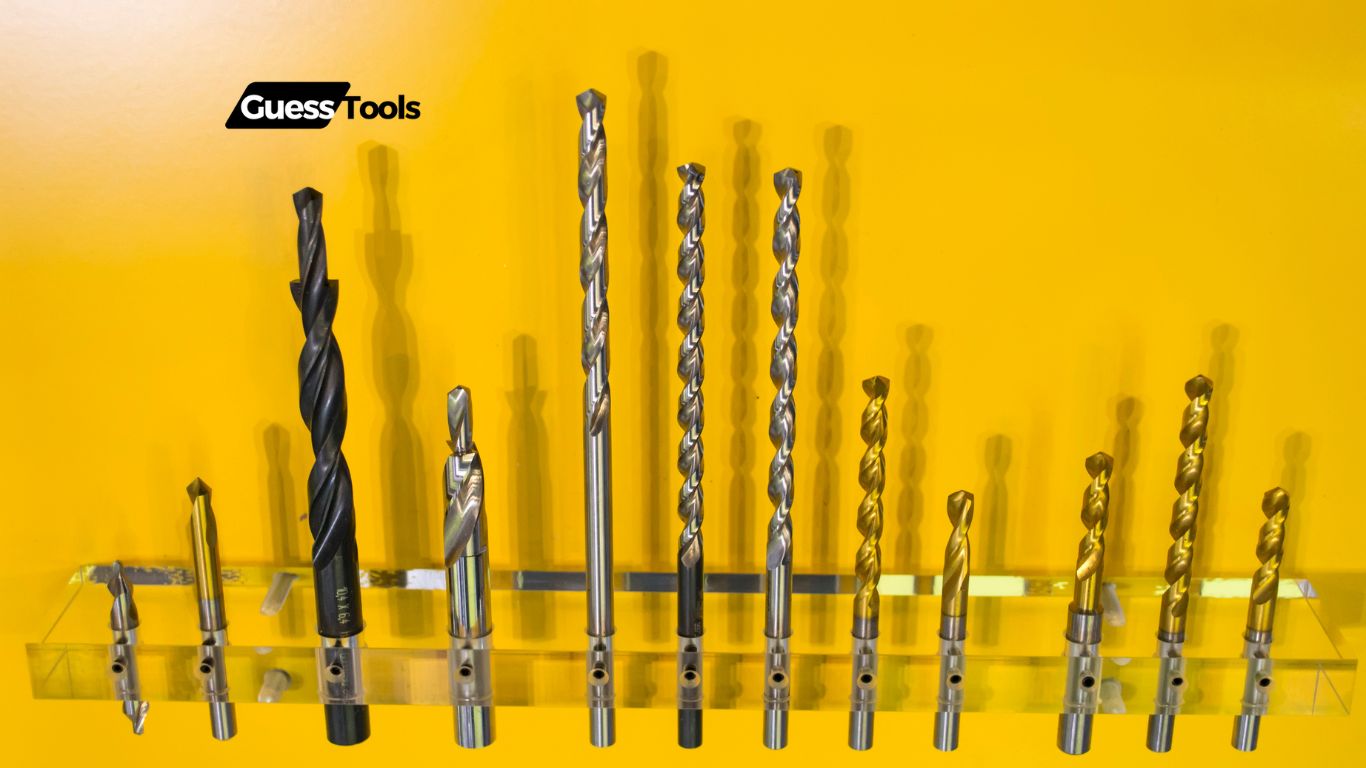
Drill bits are essential tools for any DIY enthusiast or professional. We use them to make holes in various materials, from wood to metal and everything in between. There are six main types of drill bits: twist bits, spade bits, Forstner bits, hole saws, masonry bits, and step bits. Each type has its own unique features and best uses.

Have you ever wondered which drill bit to use for your next project? Whether you’re hanging a shelf, building furniture, or working on a construction site, choosing the right bit can make all the difference. Let’s explore these six types and how they can help you tackle different drilling tasks with ease.
Key Takeaways
- Different drill bit types are designed for specific materials and tasks
- Choosing the right bit improves efficiency and results in cleaner holes
- Regular maintenance and proper use of drill bits ensure safety and longevity
Understanding Drill Bits
Drill bits come in various types and designs to suit different materials and drilling needs. Let’s explore the basic structure of drill bits and the materials used to make them.
Basic Anatomy of a Drill Bit
A drill bit has several key parts that work together to create holes. The shank is the part that fits into the drill chuck. The body of the bit has flutes, which are spiral grooves that help remove chips as you drill. At the tip, you’ll find the cutting lips – the sharp edges that actually do the cutting.
Different bit designs have unique features. Some have a pilot point to help start the hole accurately. Others have special flute shapes for faster chip removal. The angle of the cutting lips can vary too, affecting how aggressively the bit cuts.
Material Types and Coatings
We use various materials to make drill bits, each with its own strengths. High-speed steel (HSS) is common and works well for many tasks. Cobalt bits contain some cobalt mixed with HSS, making them harder and better for tough materials.
Carbide bits are super hard but can be brittle. They’re great for drilling very hard materials. Many bits have special coatings to improve performance. Titanium nitride (TiN) gives a gold color and helps the bit last longer. Black oxide coating reduces friction and resists rust.
Some bits use titanium aluminum nitride (TiAlN) coating. This coating handles high heat well, which is useful when drilling tough materials. The right coating can make a big difference in how long a bit lasts and how well it works.
Different Drill Bit Types and Their Uses
Drill bits come in various shapes and sizes, each designed for specific materials and applications. We’ll explore the most common types of drill bits and their ideal uses to help you choose the right one for your project.
Twist Drill Bits
Twist drill bits are the most common type you’ll find in toolboxes. They have a spiral flute design that helps remove material as you drill. We use these bits for drilling into wood, metal, and plastic.
For wood drilling, high-speed steel (HSS) twist bits work well. When drilling metal, cobalt steel bits offer better heat resistance. Titanium-coated bits can drill through multiple materials and last longer.
Tip: Start with a smaller pilot hole, then switch to a larger bit for cleaner, more accurate holes.
Spade Drill Bits
Spade bits, also called paddle bits, have a flat, paddle-like shape. We use these primarily for rough holes in wood, especially for electrical wiring and plumbing.
They’re great for making large diameter holes quickly, but the finish can be rough. To reduce splintering, drill slowly and back out often to clear chips.
Spade bits come in various sizes, typically from 1/4 inch to 1-1/2 inches in diameter.
Masonry Drill Bits
For drilling into brick, concrete, and other masonry materials, we use masonry bits. These have a wide, arrow-shaped tip made of tungsten carbide.
Masonry bits work best with hammer drills or rotary hammers. The hammering action helps break up the material while drilling.
We use these bits for installing anchors, hanging shelves, or mounting items on concrete walls. Always wear safety glasses and a dust mask when drilling masonry.
Hole Saws and Annular Cutters
Hole saws are circular cutting tools that create large, clean holes in wood, metal, and plastic. We use them for doorknobs, recessed lighting, and pipe fittings.
Annular cutters are similar but designed for thicker materials. They cut only the outer edge of the hole, leaving a solid core.
Both types come in various sizes and can be used with a drill or drill press. Use a pilot bit to keep the saw centered and prevent wandering.
Specialty Drill Bits
There are many specialty bits for specific tasks:
- Forstner bits: For clean, flat-bottomed holes in wood
- Step drill bits: For drilling different sized holes in thin metal
- Countersink bits: For creating recessed screw heads
- Auger bits: For deep holes in wood
Choose the right specialty bit based on your project needs. They can make tricky tasks much easier and produce better results.
Drill Bits for Woodworking

Woodworking projects need the right tools for clean, precise holes. Let’s look at three key types of drill bits that help us get great results in wood.
Brad Point Drill Bits
Brad point bits are our go-to for most wood drilling tasks. They have a sharp center point that helps the bit stay on target when we start drilling. This means we get more accurate holes without the bit wandering.
The edges of brad point bits are also designed to cut wood fibers cleanly. This results in neater holes with less splintering around the edges. We find these bits work well for drilling holes up to about 1/2 inch in diameter.
Brad point bits come in many sizes. We often use them for tasks like drilling pilot holes for screws or making holes for dowels in our projects.
Auger Drill Bits
When we need to drill deeper holes in wood, auger bits are our choice. These bits have a screw tip that pulls the bit into the wood as it spins. This makes drilling easier, especially for larger holes.
Auger bits also have a spiral flute that helps remove wood chips as we drill. This keeps the hole clean and prevents the bit from getting stuck. We use these for jobs like drilling through thick beams or making holes for bolts.
One thing to note: auger bits can leave a rough exit hole. We often put a piece of scrap wood behind our workpiece to prevent this.
Forstner Drill Bits
Forstner bits are our pick for drilling wide, flat-bottomed holes in wood. These bits have a circular rim that cuts cleanly into the wood fibers. This gives us very smooth holes with crisp edges.
We use Forstner bits for tasks like creating recesses for hardware or making decorative inlays. They’re great for drilling partial holes too – we can overlap cuts to create larger openings.
Forstner bits work best in drill presses. They need more pressure than other wood bits, so using them by hand can be tiring. But for precise, clean holes, they can’t be beat.
Drill Bits for Metalwork and Construction

Drill bits for metalwork and construction come in various types to tackle different materials and tasks. We’ll explore some specialized bits that make drilling into metal and other tough surfaces easier and more efficient.
Cobalt and Carbide Drill Bits
Cobalt drill bits are great for drilling into hard metals. They contain 5-8% cobalt, which makes them super tough and heat-resistant. We love using these bits for stainless steel, cast iron, and titanium.
Carbide-tipped bits are another top choice for metal drilling. The carbide tips stay sharp longer and can handle high-speed drilling. They’re perfect for jobs that need lots of holes or working with abrasive materials.
Both types come in different sizes and styles. We’ve found twist drill bits work well for most metal drilling tasks. For bigger holes, check out spade bits with carbide tips.
Step Bits and Cone Drill Bits
Step bits are awesome for making holes of different sizes with just one bit. They look like a cone with steps. Each step is a different diameter. We use these a lot for sheet metal work.
Pros of step bits:
- Make clean holes without burrs
- Work great for thin metals
- Can enlarge existing holes
Cone drill bits are similar but have a smooth cone shape. They’re good for deburring holes and can drill through multiple layers of thin metal.
Tips for using step and cone bits:
- Start slow to avoid wandering
- Use cutting oil for smoother drilling
- Don’t push too hard – let the bit do the work
SDS Drill Bits for Heavy-Duty Tasks
SDS bits are tough cookies for construction projects. SDS stands for “slotted drive system.” These bits fit into special hammer drills and rotary hammers.
Two main types:
- SDS Plus – For most hammer drilling jobs
- SDS Max – Bigger and stronger for the toughest tasks
We use SDS bits for drilling into concrete, brick, and stone. They’re built to handle the hammering action of these powerful drills.
Key features:
- Fluted design to remove dust and debris
- Carbide tips for long-lasting performance
- Quick-change system for easy bit swaps
Remember to wear safety gear when using SDS bits. They can kick up a lot of dust!
Drill Bits for Special Surfaces

Some surfaces need special drill bits to make clean, precise holes without damage. Let’s look at two types of specialized bits for tricky materials.
Glass and Tile Drill Bits
Glass and tile drill bits have unique designs to handle these delicate surfaces. They often have carbide or diamond tips to cut through hard, brittle materials.
When drilling glass, we use bits with spear-shaped points. These help prevent cracks and chips. For tile, we pick bits with slightly rounded tips. This shape keeps the bit from “walking” on slick surfaces.
We always drill slowly and use water to cool the bit and material. This stops overheating that can cause breaks. It’s best to start with a small pilot hole, then switch to larger bits as needed.
Glass bits work great on mirrors and windows too. Tile bits handle ceramic and porcelain tiles well. With the right bit and technique, we can drill neat holes in these tricky surfaces.
Diamond Drill Bits for Hard Materials
Diamond drill bits are our top choice for super-hard materials. Their tips have industrial diamond particles bonded to them. This makes them tough enough to cut through stone, concrete, and even some metals.
We use these bits for drilling:
- Granite countertops
- Marble tiles
- Concrete walls
- Hard gemstones
Diamond bits come in different shapes. Core bits are hollow and cut round plugs. Solid-tip bits make standard holes. We pick the right style based on the job.
These bits need water cooling to work well. The water also helps clear out debris as we drill. With proper use, diamond bits last a long time and make clean holes in the hardest surfaces.
Drill Bit Enhancements and Accessories

We’ve got some handy add-ons that can take your drilling game to the next level. These extras help you work faster, more precisely, and on a wider range of projects.
Countersink and Plug Cutter Bits
Countersink bits are super useful for making screws sit flush with the surface. They create a cone-shaped hole that lets the screw head nestle in nicely. We love using these for furniture and cabinetry work.
Plug cutters are another cool tool. They make wooden plugs to cover up screw holes, giving your project a smooth, finished look. You can match the wood grain for a nearly invisible repair.
Both these bits come in different sizes to fit various screw types. It’s a good idea to have a set on hand for different jobs.
Extension and Shank Types
Drill bit extensions are a lifesaver when you need to reach tight spots. They give your bit extra length, letting you drill in awkward places without straining.
As for shanks, we’ve got a few options:
- Straight shanks are the most common. They fit in any standard drill chuck.
- Hex shanks are great for quick bit changes. They lock into place securely.
- Threaded shanks are less common but useful for some specialty bits.
The right shank can make your work easier and faster. It’s worth considering which type suits your needs best.
Choosing the Right Drill Bit for Your Project
Picking the perfect drill bit can make or break your project. We’ve got some tips to help you choose wisely!
First, think about what you’re drilling into. Wood, metal, masonry – each material needs a specific bit. For wood, try a twist bit with a sharp point and flutes to remove chips. Metal requires harder bits, often with a coating for heat resistance.
What about the size? Match your bit diameter to the hole you need. Don’t forget about depth too! Longer bits are great for reaching tight spots.
Let’s talk about shanks. The part that fits into your drill comes in different shapes: • Round: Common and versatile • Hex: Grips better, less slipping • SDS: For hammer drills, absorbs vibration
Need clean holes in wood? Look for bits with spurs. These little points score the wood first, preventing splintering.
Here’s a quick guide to common drilling tasks:
| Task | Recommended Bit |
| Boring large holes | Spade or Forstner |
| Countersinking | Countersink bit |
| Drilling tile | Diamond-tipped |
| Making pilot holes | Brad point |
Remember, sharp bits work best. Replace dull ones to avoid damaging your work or overheating. With these tips, you’ll be drilling like a pro in no time!
Maintenance and Safety Tips

Let’s talk about keeping your drill bits in top shape and staying safe while using them. Regular cleaning is a must! We recommend wiping down your bits after each use to remove debris and prevent rust.
For metal bits, a light coat of oil can work wonders in protecting against corrosion. Wood bits? A quick rub with mineral oil does the trick.
Safety first, folks! Always wear protective eyewear when drilling. Flying debris can be dangerous. Gloves are a good idea too, especially with larger bits that can get hot during use.
Here’s a quick checklist to keep in mind:
- Inspect bits before each use
- Replace dull or damaged bits promptly
- Use the right bit for the job
- Don’t force the bit – let it do the work
- Keep your work area clean and well-lit
We can’t stress enough how important proper storage is. A dedicated case or holder keeps bits organized and protected from damage. This simple step can really extend their lifespan.
Remember, different materials require different drilling speeds. Too fast can overheat and damage both the bit and your workpiece. Start slow and adjust as needed.
By following these tips, we can all drill safely and keep our bits in great shape for years to come!


