
Esercitazioni in carburo per alluminio: la tua guida a tagli più veloci e più puliti nei progetti metallici

Working with aluminum requires the right tools, and choosing the proper drill can make a huge difference in your results. Carbide drills for aluminum offer 10 times longer tool life compared to standard HSS drills while producing more precise, rounder holes with minimal bell-mouthing. We often see metalworkers struggle with chip evacuation and hole quality […]
Punti di trapano in carburo di tungsteno per metallo: la tua guida esperta alle massime prestazioni di perforazione
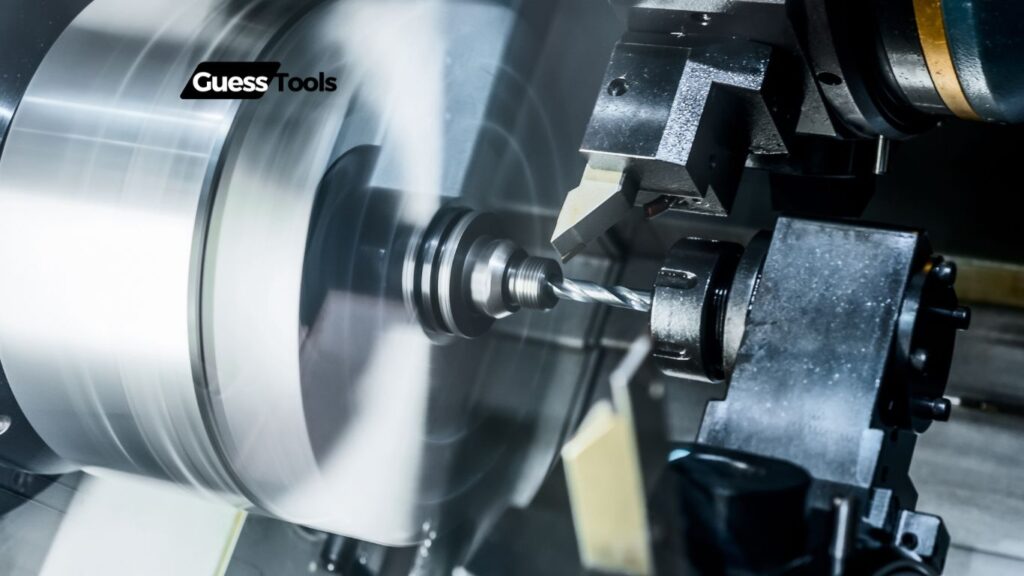
Looking for drill bits that can handle tough metals? Tungsten carbide drill bits for metal are among the strongest cutting tools available. These specialized bits are made from tungsten carbide – an extremely hard compound that stays sharp longer than standard steel bits and can cut through hardened steel, stainless steel, cast iron, and other […]
Per cosa sono usati i mulini della palla per: la tua guida completa a questi utensili di taglio CNC essenziali

Looking to create smooth 3D surfaces or intricate designs in your machining projects? Ball end mills might be exactly what you need. These specialized cutting tools have a rounded tip that sets them apart from other end mills, making them perfect for detailed work. Ball end mills are primarily used for creating complex 3D shapes, […]
Cos'è la perforazione del foro profondo: guida esperta alle tecniche di lavorazione di precisione

What is deep hole drilling? It’s a special way to make long, narrow holes in materials like metal. Deep hole drilling is defined by a depth-to-diameter ratio greater than 10:1, allowing for precise, straight holes with excellent surface finishes. This method differs from regular drilling because it needs special tools and techniques to keep the […]
Feed e velocità del taglierina a coda di coda: Guida degli esperti alle prestazioni ottimali

Diving into the world of machining with dovetail cutters can be tricky if you’re unsure about the right dovetail cutter feeds and speeds. We’ve found that many machinists struggle with finding the perfect balance, which can lead to poor cuts or even damaged tools. The manufacturer’s recommended guidelines suggest adjusting your RPM and feed rates […]
Bull Nose vs Flat End Mill: quale strumento di taglio ti dà risultati migliori?

Choosing between a bull nose and flat end mill can make a big difference in your CNC machining results. We know both tools have unique strengths that make them ideal for different jobs. Bull nose end mills combine the best features of both flat and ball end mills, with a flat bottom and rounded corners […]
Cos'è il trapano e come funziona nelle applicazioni di lavorazione

Ti sei mai chiesto cosa rende quei fori perfettamente praticati nelle parti metalliche? Parliamo degli esercizi a U! Una punta a U è un utensile da taglio specializzato con un esclusivo design della scanalatura a forma di U e inserti in metallo duro sostituibili, creato per operazioni di foratura efficienti e precise nella produzione. Questi strumenti intelligenti sono stati sviluppati per la prima volta da Sandvik nel […]
Qual è la differenza tra inserti in carburo e ceramici?
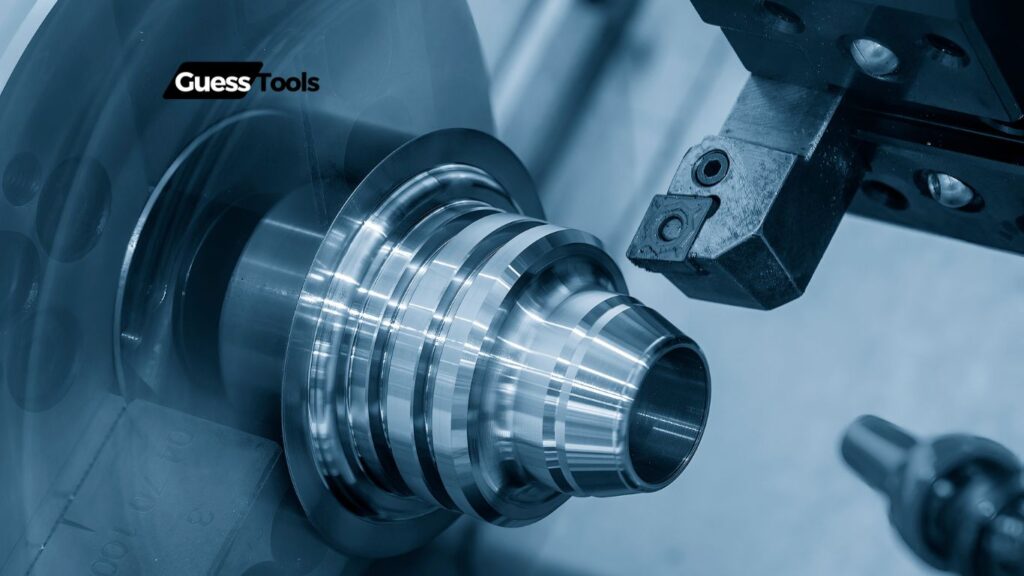
Quando si scelgono gli inserti giusti per la lavorazione, le differenze tra le opzioni in metallo duro e ceramica sono molto importanti. Gli inserti in ceramica sono significativamente più duri degli inserti in metallo duro, il che consente loro di resistere a velocità di taglio più elevate e offrire una resistenza all'usura superiore. Questa durezza extra significa che puoi aumentare le velocità di taglio senza danneggiare l'utensile, aumentando potenzialmente […]
Cutter di coda di coda per metallo: la tua guida completa alla falegnameria di precisione nella lavorazione del metallo

Desideri creare giunzioni a coda di rondine precise nel metallo? La taglierina a coda di rondine per metallo è uno strumento specializzato progettato per questo preciso scopo. Questi utensili di fresatura sono disponibili in vari angoli (comunemente 30°, 60° e 90°) e sono realizzati in metallo duro integrale per durezza, robustezza e resistenza all'usura superiori durante il taglio di materiali metallici. Abbiamo scoperto che […]
Il carburo ha bisogno di refrigerante? Una guida di un macchinista alle tecniche di raffreddamento adeguate
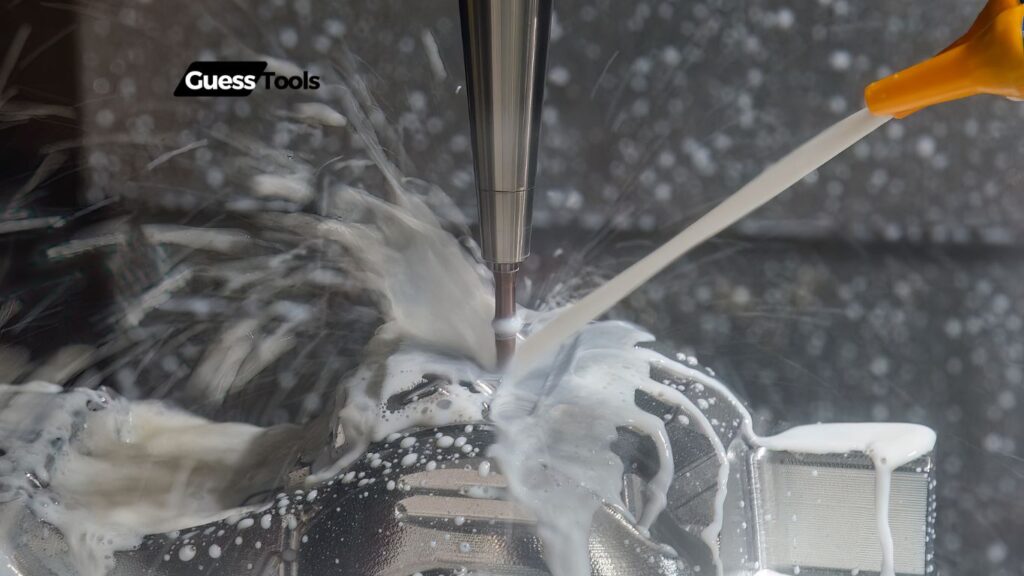
La questione se il metallo duro abbia bisogno di refrigerante è una questione che molti macchinisti affrontano nel loro lavoro quotidiano. Dalla nostra esperienza e dalle conoscenze del settore, c’è una risposta chiara: gli utensili in metallo duro generalmente funzionano meglio con refrigerante inondato o senza refrigerante, ma niente in mezzo. Il motivo? Il carburo non gestisce bene i cambiamenti di temperatura. Quando […]

