

When it comes to choosing the right end mill for your machining project, the debate between corner radius and square end mills is something we often hear about. Corner radius end mills provide longer tool life and can be run harder than square end mills because the rounded edge protects the end of the flutes from chipping and breaking. This simple design difference can make a huge impact on both your project results and your wallet.

Are you working with soft materials and need rounded internal corners? A corner radius end mill might be your best bet. The rounded edge not only improves tool strength but also reduces stress concentrations in your workpiece. On the flip side, square end mills excel at creating sharp edges and perform well with harder materials when those precise 90-degree corners are a must.
We’ve seen machinists extend their tool life significantly by making the switch to corner radius tools in appropriate applications. The amount of extra life you’ll get varies based on your specific cutting conditions, but the improvement is real and measurable. Want to know which option is right for your specific project? Let’s dive deeper into the pros and cons of each tool type.
Understanding End Mill Basics
End mills are essential cutting tools in machining operations that come in various shapes to handle different machining tasks. The choice between corner radius and square end mills can significantly impact your project’s outcome, tool life, and overall efficiency.
Defining Corner Radius and Square End Mills
Corner radius end mills have rounded edges at the meeting point of the side and end cutting surfaces. This design creates a smooth transition between surfaces when cutting. You might choose these when you need to create a filleted corner or want to avoid sharp internal corners in your workpiece.
Square end mills (also called flat end mills) have sharp 90-degree corners where the end cutting edge meets the side cutting edge. These tools create precise square corners and flat bottoms in cavities, pockets, and steps.
Key differences at a glance:
- Corner radius: Creates rounded internal corners
- Square end: Produces sharp, 90-degree corners
- Applications: Different depending on your project needs
Key Structural Differences
The main structural difference between these end mill types is at the corner where the cutting edges meet. Square end mills have a sharp intersection that forms a perfect 90-degree angle. Corner radius end mills have a deliberately rounded transition at this junction.
This seemingly small difference has major impacts on performance. The radius on corner radius end mills distributes cutting forces across a larger area, reducing stress concentration.
Think of it like this: a sharp corner concentrates all force at one point, while a radius spreads it out. This is why corner radius tools often last longer than their square counterparts.
Importance in Precision Machining
In precision machining, choosing the right end mill type directly affects:
- Tool life – Corner radius end mills typically last longer because the rounded edge distributes cutting forces more evenly, reducing wear.
- Surface finish – Square end mills create crisp corners but can sometimes leave marks where cutting edges meet. Radius end mills often produce smoother transitions.
- Material handling – When working with harder materials, the protective radius on corner radius end mills can prevent premature tool failure.
We’ve found that while square end mills are perfect for applications requiring sharp internal corners, corner radius end mills prove more durable for continuous production runs. Have you considered which might be best for your current project?
Technical Characteristics Comparison

When choosing between corner radius and square end mills, understanding their technical differences helps you make the right choice for your specific machining needs. These tools have distinct characteristics that affect their performance in different applications.
Cutting Edge Geometry
The most obvious difference between these tools is their edge design. Square end mills have a sharp 90-degree edge that creates precise corners and flat surfaces. This geometry allows them to cut square internal corners and produce flat-bottomed pockets.
Corner radius end mills feature a rounded edge at the transition between the end and side cutting surfaces. This radius can vary from very slight (0.005″) to more pronounced (0.125″ or larger). The rounded edge distributes cutting forces more evenly than a sharp corner.
We’ve found that the radius design significantly impacts tool life. As one machinist notes, “You can generally run corner radius tools harder/longer than square end because the corner radius protects the end of the flutes.”
Material Interaction
Different materials respond uniquely to each type of end mill. Square end mills typically perform well with:
- Hard materials (above 45 HRC)
- Applications requiring precise corner geometry
- When rigidity is paramount
Corner radius end mills excel with:
- Softer materials like aluminum and plastics
- Stainless steel and other gummy materials
- When tool life is a primary concern
The number of flutes also matters. For aluminum, we recommend 2-3 flutes for better chip evacuation. For harder materials like tool steel, 4+ flutes provide better surface finish and distribute cutting forces.
Carbide end mills with specialized coatings like TiAlN or ZrN can further enhance performance with specific materials.
Performance Metrics
When comparing these tools, several key metrics highlight their differences:
| Performance Factor | Square End Mills | Corner Radius End Mills |
|---|---|---|
| Tool Life | Shorter | 30-50% longer on average |
| Cutting Force | Concentrated at corner | Distributed along radius |
| Surface Finish | Excellent on flats | Better overall finish |
| Part Accuracy | Higher for square features | Higher for general milling |
Corner radius tools reduce chatter and vibration because the radius distributes cutting forces more evenly. This allows for increased feed rates and often deeper cuts.
We’ve observed that carbide corner radius end mills can last up to 50% longer than their square counterparts in identical applications. This translates to fewer tool changes and reduced tooling costs over time.
The slight tradeoff is that internal corners will always have the radius of your tool, which may require additional operations if perfect square corners are needed.
Application-Specific Performance
Choosing between corner radius and square end mills greatly impacts your machining results across different industries. The right tool selection depends on your specific application requirements, material properties, and desired finish quality.
Aerospace and Automotive Applications
In aerospace manufacturing, corner radius end mills often shine when machining complex aluminum components. We’ve found that these tools reduce the chances of chatter by up to 30% when cutting thin-walled parts common in aircraft structures.
Aerospace Material Considerations:
- Titanium alloys: Corner radius tools typically last 25% longer
- Aluminum components: Smoother surface finish with less rework required
- Composite materials: Less delamination with properly selected radius tools
For automotive applications, precision is key when machining engine blocks and transmission components. Corner radius end mills provide better tool life when milling hardened steels used in powertrain components, reducing production costs and downtime.
Did you know rounded corners on cutting tools can improve airflow in high-speed machining of complex automotive parts?
Precision Machining Scenarios
When machining precision components, your tool choice directly impacts final quality. Square end mills excel in creating sharp internal corners and flat surfaces necessary for mating components.
For medical device manufacturing, we recommend:
- Square end mills for precise fixture slots and flat mating surfaces
- Corner radius tools for stress-free transitions and improved surface finish
- Ball nose options for complex curved anatomical shapes
In mold making, corner radius tools help achieve better surface finishes on curved surfaces while reducing polishing time. The radius eliminates sharp transitions that can cause stress concentrations in the finished product.
Sharp-cornered tools typically perform better for slotting operations where square edges are required, while rounded corners reduce tool wear in side milling applications.
Industry-Specific Use Cases
Different industries have unique machining requirements that influence end mill selection. In the electronics industry, PCB manufacturing often requires micro-milling with square end mills to create precise circuit patterns and component pockets.
Tool Selection Guide by Industry:
| Industry | Preferred Tool Type | Key Benefit |
|---|---|---|
| Medical | Corner radius | Smooth transitions for implants |
| Tooling | Square end mill | Sharp internal corners for inserts |
| Consumer electronics | Combination approach | Balance of detail and durability |
For heavy machinery parts, we’ve seen machining efficiency improve by using indexable milling cutters with corner radius inserts. These tools handle interrupted cuts better in large steel components.
When machining curved surfaces in artistic applications or consumer products, ball end mills and corner radius tools create smoother transitions and more aesthetically pleasing results than square tools.
Performance Metrics Deep Dive

When choosing between corner radius and square end mills, understanding their performance differences can help you select the right tool for your job. Let’s examine how these tools compare in key areas that affect your machining results and efficiency.
Material Removal Rates
Corner radius end mills typically allow for higher material removal rates compared to square end mills. Why? The rounded edge distributes cutting forces more evenly, reducing stress on the tool.
You can run corner radius tools at 15-25% higher feed rates in many applications without risking premature tool failure. This means faster production times without sacrificing quality.
For example, when machining aluminum, we’ve found that a 1/4″ end mill with a .030″ corner radius can often handle feed rates up to 100 inches per minute, while an equivalent square end mill might be limited to 80 inches per minute.
But there’s a trade-off: square end mills remove material more completely in corners, requiring fewer passes for perfect 90° internal corners.
Surface Finish Quality
Surface finish varies significantly between these tool types, with each having distinct advantages.
Square end mills create crisp, defined edges ideal for precise fitting components. However, they can sometimes leave minor imperfections at high speeds due to vibration at the sharp corners.
Corner radius tools generally produce a smoother overall surface finish, especially on contoured surfaces. The rounded edge minimizes chatter and promotes more consistent cutting action.
Want to improve your surface finish? Try these approaches:
- Use a light finishing pass with reduced depth of cut
- Increase spindle speed while reducing feed rate
- Consider climb milling for final passes
Remember that material properties also affect surface quality – softer materials typically benefit more from corner radius tools.
Tool Life and Durability
Tool life represents perhaps the most significant difference between these mill types. Corner radius tools consistently outlast square end mills by 25-40% in comparable applications.
The sharp corner on square end mills acts as a stress concentration point, making it vulnerable to chipping and premature wear. This is especially true when machining harder materials like steel or titanium.
Corner radius tools distribute cutting forces more evenly, reducing heat buildup and wear at the critical corner junction. This translates to:
- Fewer tool changes
- More consistent part quality
- Lower tooling costs over time
For high-volume production runs, we’ve observed that the initial higher cost of corner radius tools is quickly offset by their extended durability and reduced replacement frequency.
Economic Considerations
When choosing between corner radius and square end mills, your budget plays a big role in the decision. Let’s look at what each option means for your wallet, both now and in the future.
Initial Tool Cost
When shopping for end mills, you’ll notice square end mills typically cost less than corner radius options. A basic HSS square end mill might run you $15-25, while a comparable corner radius version could cost $20-35 depending on the radius size.
Why the price difference? Corner radius end mills require more complex manufacturing processes to create that rounded edge. The grinding operations are more sophisticated and time-consuming.
For shops on tight budgets, square end mills offer good value, especially for simpler projects. If you’re just starting out or doing occasional work, these can be cost-effective choices.
Tool Type          | Average Cost (HSS) | Average Cost (Solid Carbide)
-------------------|-------------------|---------------------------
Square End Mill    | $15-25            | $40-80
Corner Radius Mill | $20-35            | $50-100
Long-Term Maintenance Expenses
Have you considered how long your tools will last? Corner radius end mills typically need less frequent replacement than square options. The rounded edge distributes cutting forces more evenly, reducing chipping and breakage.
Square end mills, with their 90-degree corners, are vulnerable to wear at those sharp points. We’ve found they often need replacement 20-30% sooner than their radius counterparts when used in similar applications.
For maintenance costs, consider:
- Resharpening fees (corner radius mills cost slightly more to resharpen)
- Downtime costs while waiting for replacement tools
- Labor costs for tool changes
These ongoing expenses can add up, making the slightly higher initial cost of corner radius tools worthwhile for high-volume production environments.
Performance-to-Cost Ratio
Is the extra cost of a corner radius end mill worth it? That depends on your specific needs.
For tough materials like stainless steel or titanium, corner radius mills offer superior value despite higher prices. Their longer tool life and better finish quality often justify the 15-25% price premium.
Solid carbide tools cost more upfront than HSS options but deliver better performance-to-cost ratios in high-production environments. A $75 carbide corner radius mill might outlast three $25 HSS versions.
Consider your typical workload:
- Light, occasional use: Square HSS mills are often most cost-effective
- Regular production: Corner radius carbide may deliver better long-term value
- High-speed machining: The performance benefits of corner radius tools usually outweigh their higher price
Your shop’s hourly rate should factor into this equation too. Faster cutting speeds and fewer tool changes can offset higher tool costs.
Practical Selection Guide

Choosing between corner radius and square end mills involves understanding your specific machining needs and material requirements. Let’s explore how to select the right tool for your next project.
Matching Tool to Application
When matching tools to applications, we recommend considering the final product requirements first. Square end mills work best for projects needing precise 90-degree corners, such as pockets, slots, and square shoulders. They excel at creating sharp internal corners and flat surfaces.
Corner radius end mills are ideal when you need:
- Enhanced tool strength
- Better surface finish
- Longer tool life
- Higher feed rates
For softer materials like aluminum, we find square end mills work well. However, when machining harder materials like steel or titanium, corner radius end mills reduce the risk of chipping and tool failure.
Remember that part design often dictates your choice. If your part requires sharp internal corners, you’ll need a square end mill despite the durability advantages of radius tools.
Decision-Making Criteria
We suggest evaluating these key factors when selecting between square and corner radius end mills:
Material Considerations:
- Harder materials → Corner radius
- Softer materials → Either tool type
- Abrasive materials → Corner radius (for durability)
Machining Parameters:
| Parameter | Square End Mill | Corner Radius |
|---|---|---|
| Feed Rate | Lower | Higher |
| Tool Life | Shorter | Longer |
| Finish Quality | Good for flat surfaces | Better overall |
Budget constraints matter too. While square end mills typically cost less initially, corner radius tools often provide better value through extended life and reduced replacement frequency.
Ask yourself: “Is the perfect 90-degree corner worth the potential tool breakage and more frequent replacements?”
Common Pitfalls to Avoid
We often see machinists make these mistakes when selecting end mills:
- Ignoring material properties – Using square end mills on hardened steels can lead to premature tool failure. Always match your tool to your material.
- Overlooking programming requirements – Corner radius tools require proper programming compensation to achieve accurate dimensions. Failing to account for the radius can result in undersized pockets.
- Misunderstanding versatility trade-offs – While corner radius tools offer greater versatility across materials, they can’t create sharp internal corners without additional operations.
Don’t automatically choose the same tool type for every job. What worked for aluminum might fail spectacularly in stainless steel. We recommend building a diverse tooling collection with both types for maximum flexibility.
Maintenance and Optimization
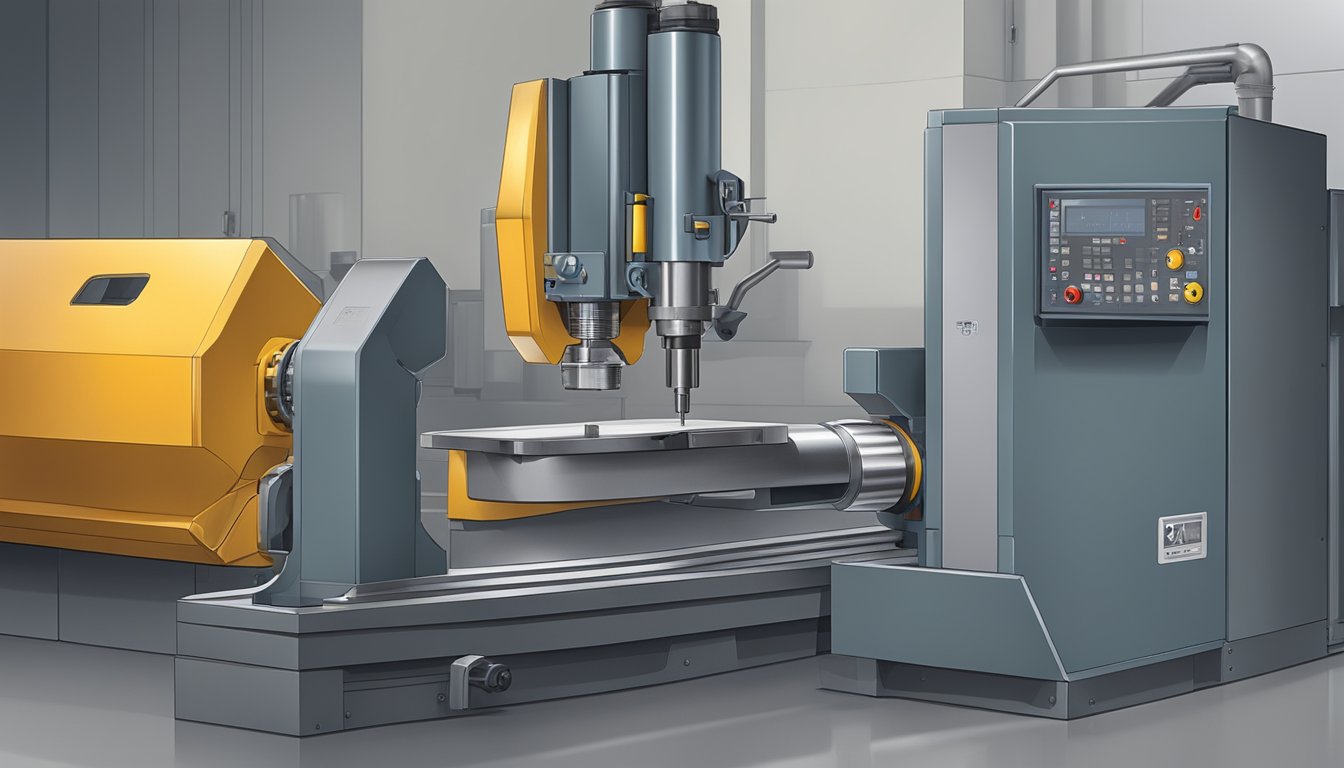
Proper maintenance of your end mills significantly impacts their performance and lifespan. Whether you choose corner radius or square end mills, the right care makes all the difference in achieving quality results and saving money.
Sharpening Techniques
When it comes to sharpening your end mills, the technique differs between types. Square end mills require extra care around the corners, which can easily chip during sharpening.
For corner radius end mills, we recommend using a diamond wheel grinder with a matching radius fixture. This maintains the precise curve that gives these tools their advantage.
Square end mills need a flat grinding approach with careful attention to the 90° edges. Remember: over-sharpening can remove the tool’s coating and reduce its effectiveness.
We’ve found that light, frequent touch-ups work better than waiting for severe dulling. This approach extends tool life for both types, though corner radius mills typically maintain their cutting edge longer.
Prolonging Tool Life
Want to get more life from your end mills? Proper feeds and speeds are crucial. Corner radius end mills can handle higher speeds than square ones because they distribute cutting forces more evenly.
Key factors for extending tool life:
- Reduce vibration through proper workholding
- Optimize chip evacuation with appropriate air or coolant
- Adjust spindle speed based on material and tool diameter
- Monitor tool deflection during deep cuts
For corner radius mills, we recommend starting with speeds 15-20% higher than square end mills of the same diameter. This takes advantage of their stronger corner geometry without overwhelming the tool.
Proper chip clearance prevents recutting, which quickly dulls any end mill. Using climb milling when possible reduces cutting forces and heat buildup.
Performance Monitoring Strategies
How do you know when it’s time to service your end mills? Regular inspection and performance tracking are essential.
We suggest examining tools after each job using a magnifying glass or microscope. Look for signs of wear, chip buildup, or edge dulling. Corner radius tools will show wear gradually across the radius, while square end mills often show more concentrated wear at corners.
Monitoring checklist:
- Check for changes in cutting sound or vibration
- Monitor power consumption during cutting
- Inspect surface finish quality for deterioration
- Track cutting time between tool changes
Setting up a simple documentation system helps identify patterns. Many shops we’ve worked with track tool performance using spreadsheets or specialized software, recording data like material cut, cutting parameters, and tool life.
By monitoring performance metrics, you’ll optimize replacement cycles and identify which type of end mill performs best for specific applications.


