

End mills are essential tools for machining aluminum. They come in various types and shapes to suit different needs. The best end mills for aluminum have sharp cutting edges, polished flutes, and special coatings to reduce friction and heat buildup.
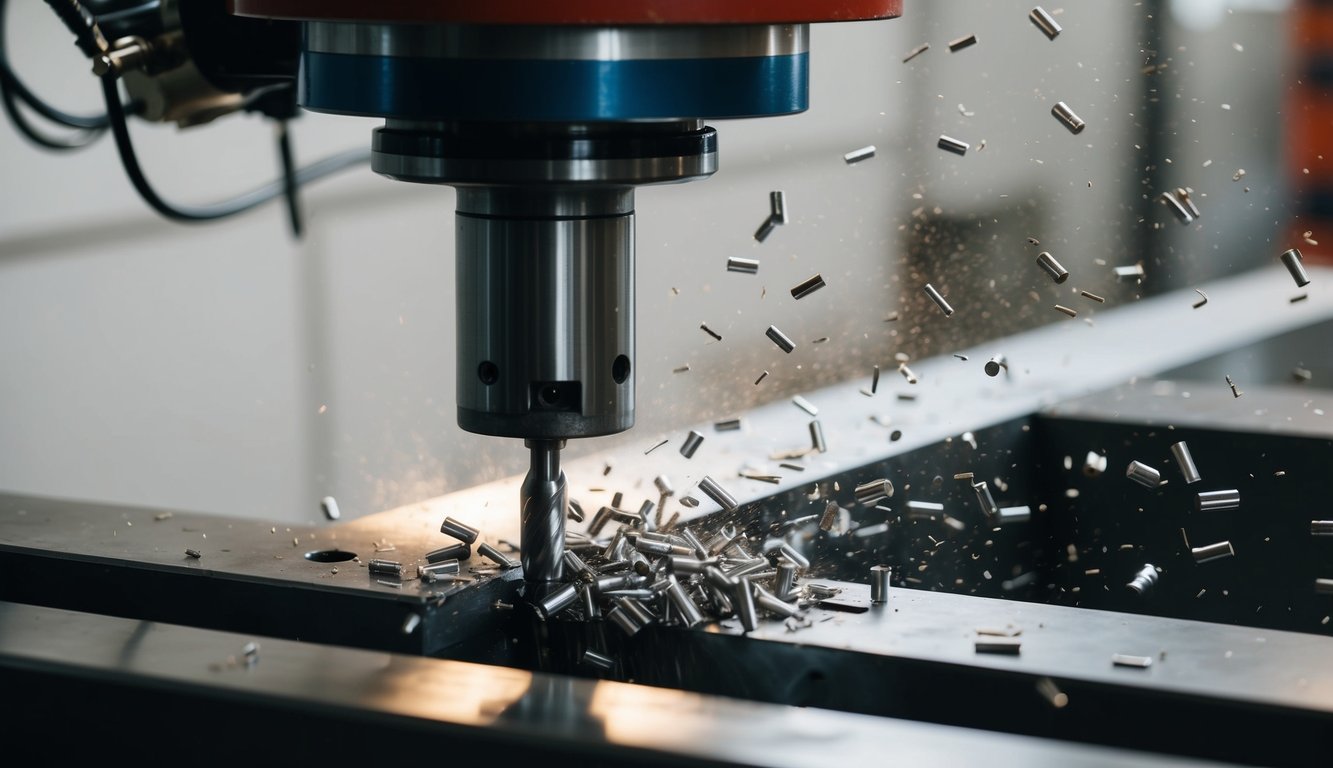
When choosing end mills for aluminum, it’s important to consider factors like the number of flutes, helix angle, and material. Three-flute end mills are commonly used for high-performance cutting of aluminum alloys. These tools allow for faster cutting speeds and better chip evacuation.
Using the right end mill can make a big difference in your aluminum machining projects. It can help you achieve smoother finishes, faster cutting speeds, and longer tool life. Some end mills are designed for aggressive aluminum machining, which can greatly reduce cycle times in production settings.
Key Takeaways
- Sharp cutting edges and polished flutes are crucial for effective aluminum milling
- Three-flute end mills are often preferred for high-performance aluminum cutting
- The right end mill choice can improve finish quality, cutting speed, and tool lifespan
Understanding End Mills in Aluminum Machining
End mills play a crucial role in machining aluminum. These versatile tools allow for precise cutting and shaping of aluminum parts. Let’s explore the key aspects of using end mills for aluminum machining.
What Are End Mills?
End mills are cutting tools used in CNC machining to remove material and create specific shapes. They have sharp teeth or flutes that cut into the workpiece as they rotate. End mills come in various types:
- Flat end mills: For creating flat surfaces and square shoulders
- Ball nose end mills: Ideal for 3D contours and curved surfaces
The number of flutes affects cutting performance. Two-flute end mills work well for aluminum, allowing good chip evacuation. Four-flute end mills can provide a smoother finish but may cause chip buildup.
End mill coatings like TiAlN can improve tool life when cutting aluminum. Choosing the right end mill is key for achieving desired results in aluminum machining.
Importance of Specialized Tools for Aluminum
Aluminum requires specialized tooling due to its unique properties. Why is this important?
- Chip control: Aluminum produces long, stringy chips that can wrap around tools. Special end mills with polished flutes help evacuate chips.
- Built-up edge: Aluminum tends to stick to cutting edges. Coatings and polished surfaces reduce this issue.
- Heat management: Aluminum conducts heat quickly. Tools designed for aluminum have features to manage heat and prevent melting.
Proper tool selection leads to better surface finish, longer tool life, and improved part quality. Using general-purpose tools can result in poor outcomes and wasted material.
Key Challenges in Aluminum Machining
Machining aluminum presents several challenges:
- Chip control: Long chips can tangle and damage parts or tools.
- Tool wear: Aluminum’s abrasive nature can quickly dull cutting edges.
- Surface finish: Achieving a smooth finish can be tricky due to aluminum’s softness.
- Dimensional accuracy: Aluminum’s thermal expansion can affect precision.
To address these issues:
- Use high spindle speeds and feed rates
- Apply proper coolant to manage heat
- Choose tools with appropriate geometries and coatings
- Optimize cutting parameters for each operation
Understanding these challenges helps machinists select the right tools and strategies. With the right approach, CNC machining can produce high-quality aluminum parts efficiently.
Types of End Mills for Aluminum
End mills come in various shapes and designs for cutting aluminum. Each type has unique features that affect performance and finish quality. Let’s explore the main options for aluminum machining.
2-Flute vs. 3-Flute End Mills
Carbide end mills with 2 or 3 flutes are common choices for aluminum. 2-flute end mills offer more chip clearance, making them ideal for roughing cuts. They work well at higher feed rates but may leave a rougher finish.
3-flute end mills provide a better balance between material removal and surface finish. They can handle higher speeds and produce smoother cuts. For aluminum, 3-flute tools often give the best mix of efficiency and quality.
The choice between 2 and 3 flutes depends on the specific job. Roughing operations benefit from 2 flutes, while finishing work often calls for 3 flutes.
Ball Nose End Mills
Ball nose end mills have a rounded tip. This shape is great for creating curved surfaces in aluminum parts. They excel at:
- 3D contouring
- Engraving
- Finishing complex shapes
These tools distribute cutting forces over a larger area, reducing wear. For aluminum, coated carbide ball nose end mills offer good performance and tool life.
Ball nose end mills come in various diameters. Smaller sizes allow for finer details, while larger ones cover more area quickly.
Specialized Aluminum Cutting Geometries
Some end mills have special designs just for aluminum. These features include:
- High helix angles (35-45 degrees)
- Polished flutes
- Variable flute spacing
High helix angles help with chip evacuation. Polished flutes reduce friction and prevent chip welding. Variable flute spacing breaks up harmonics, reducing chatter.
Many aluminum-specific end mills use harder carbide grades. This helps them stay sharp longer when cutting the soft but abrasive aluminum.
Some manufacturers offer end mills with unique cutting edge shapes. These can improve chip breaking and surface finish in aluminum.
Comparative Advantages of Each Type
2-flute end mills shine in roughing operations. They remove material quickly but may leave a rougher surface. 3-flute tools balance speed and finish, making them versatile for many aluminum jobs.
Ball nose end mills excel at 3D work and curved surfaces. They’re less efficient for flat surfaces but unbeatable for complex shapes.
Specialized aluminum geometries offer the best performance in many cases. They can:
- Cut faster
- Leave better finishes
- Last longer
However, they may cost more upfront. For high-volume aluminum work, these tools often pay for themselves in improved productivity.
The best choice depends on the specific project needs. Shops often keep a mix of end mill types on hand for different aluminum machining tasks.
Critical Features of High-Performance Aluminum End Mills
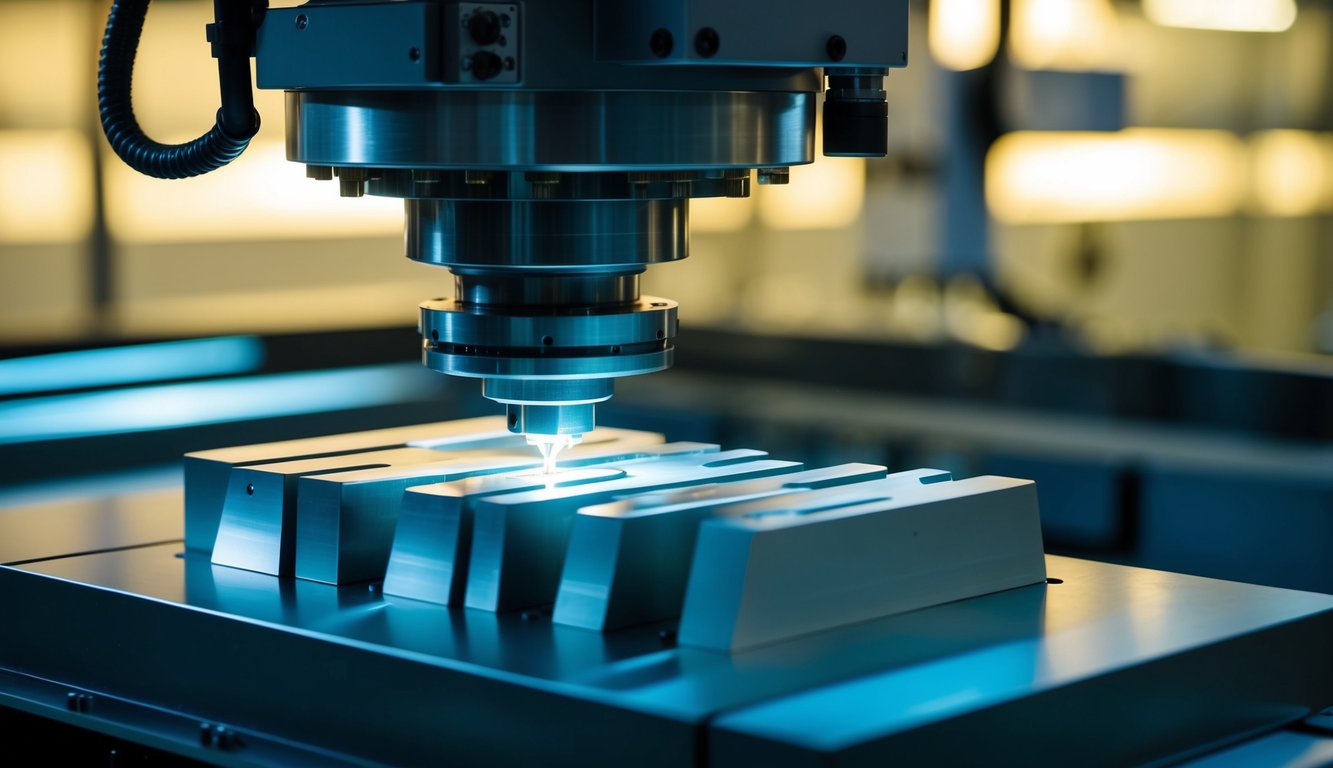
High-performance end mills for aluminum need special features to cut efficiently. These tools must balance speed, precision, and durability to handle aluminum’s unique properties.
Coating Technologies
Coatings play a big role in how well end mills work with aluminum. They help the tool last longer and cut better. Different coatings have different strengths:
- Some reduce friction
- Others protect against heat
- Many improve chip flow
The right coating can make a big difference in how well an end mill performs. It can help the tool stay sharp and work faster.
ZrN (Zirconium Nitride)
ZrN is a popular coating for aluminum end mills. It has some great benefits:
- It’s very hard, which helps the tool last longer
- The coating is smooth, so chips slide off easily
- It can handle high heat from fast cutting speeds
ZrN works well for both dry and wet machining. This coating helps end mills cut aluminum faster and more smoothly.
TiAlN (Titanium Aluminum Nitride)
TiAlN is another top coating for aluminum end mills. It has some unique features:
- It forms a hard oxide layer when hot, protecting the tool
- The coating is very tough and resists wear
- It can handle high cutting speeds
TiAlN is great for high-speed machining of aluminum. It keeps the tool cool and sharp, even during tough jobs.
Helix Angle Optimization
The helix angle of an end mill is crucial for cutting aluminum. It affects how chips form and move. A good helix angle:
- Helps chips flow out of the cut
- Reduces cutting forces
- Makes the tool more stable
For aluminum, a higher helix angle often works best. It helps the tool cut smoothly and reduces chatter.
Flute Design and Chip Evacuation
Flute design is key for aluminum end mills. Good flutes help remove chips quickly. This is important because aluminum makes a lot of chips when cut.
Flute features that help with aluminum:
- Wide, polished flutes
- Chip breakers to control chip size
- Special shapes to push chips out fast
Good flute design keeps the tool cool and prevents chips from clogging. This helps the end mill work better and last longer.
Material Considerations (Solid Carbide vs. Other Materials)
The material of the end mill itself matters a lot. Solid carbide is often the top choice for aluminum. Here’s why:
- It’s very strong and stiff
- It can handle high speeds
- It resists wear well
Other materials like high-speed steel (HSS) can work too. But they may not last as long or cut as fast. For tough jobs, carbide usually performs best.
Carbide end mills can be made with special grades just for aluminum. These grades are extra sharp and resist built-up edge.
Top Recommended End Mills for Aluminum
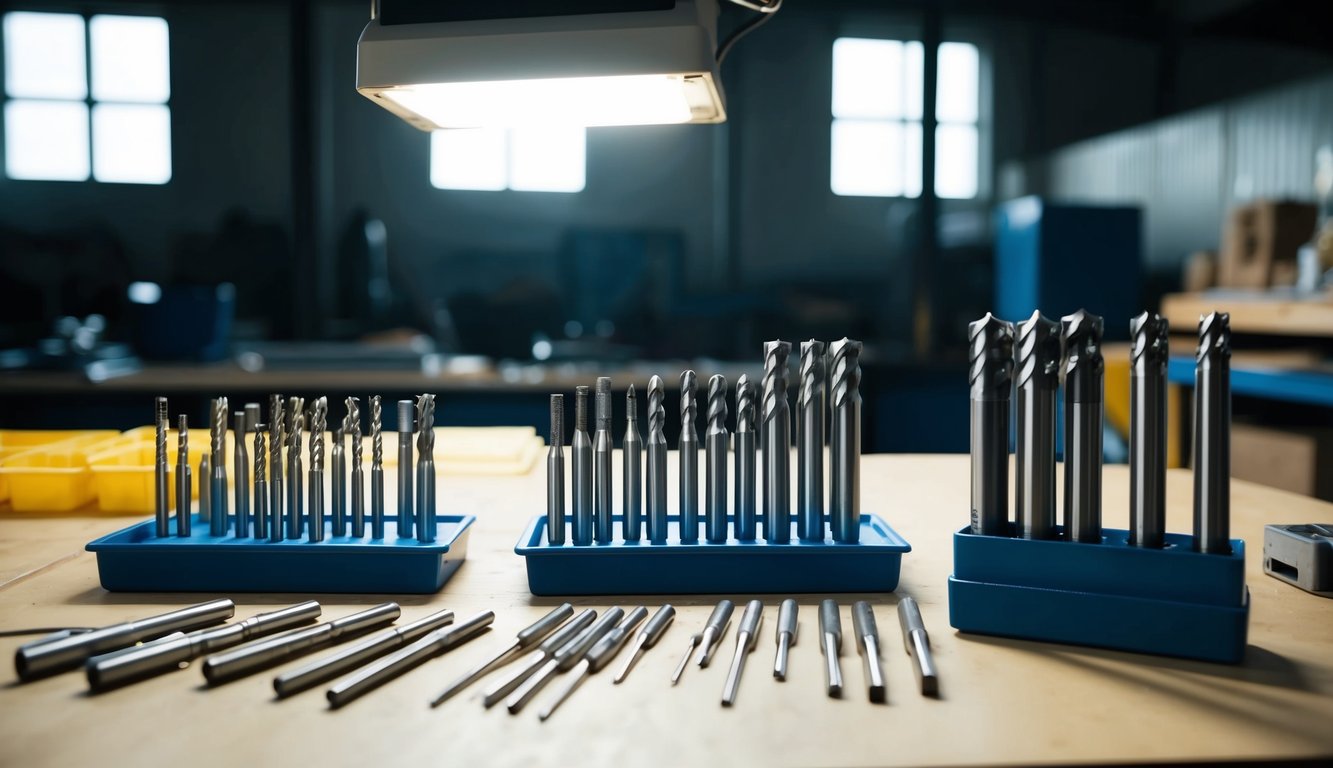
Choosing the right end mill for aluminum can make a big difference in machining results. Let’s look at some top performers that excel at cutting this versatile metal. We’ll compare key features and performance to help you pick the best tool for your needs.
Detailed Review of Top Performers
When it comes to milling aluminum, certain end mills stand out from the pack. We’ll examine three popular options known for their excellent results with this material.
The best aluminum end mills often have specialized coatings to improve performance. Features like flute count, helix angle, and cutting edge geometry also play key roles.
Each of these tools offers unique benefits for different aluminum machining applications. Let’s dive into the specifics of each to see how they compare.
Rushmore USA 3-Flute ZrN Coated End Mill
The Rushmore USA 3-Flute ZrN Coated End Mill is a top choice for aluminum milling. Its zirconium nitride coating helps reduce friction and heat buildup.
Key features: • 3 flutes for faster material removal • 45° helix angle for smooth cutting • ZrN coating for extended tool life
This end mill excels at both roughing and finishing operations. Its design allows for higher feed rates without sacrificing surface finish quality.
Users report excellent chip evacuation and minimal built-up edge formation. The tool’s balanced cutting action helps reduce chatter and vibration.
Guesstoos Ball Nose End Mills Series
Guess Tools Series is specifically engineered for aluminum machining. These end mills feature a unique geometry optimized for soft metals.
Notable aspects: • Polished flutes to prevent chip welding • Variable helix design to dampen vibration • Special corner chamfer for improved tool strength
The Alupower end mills can handle high-speed and high-feed cutting strategies. Their design promotes efficient chip removal, even in deep pockets.
Many machinists praise these tools for their ability to produce mirror-like surface finishes. The series offers options for both roughing and finishing applications.
Promax 3-Flute Corner Radius End Mill
Promax’s 3-Flute Corner Radius End Mill is another strong contender for aluminum work. Its rounded corners add strength and improve surface finish.
Standout qualities: • AlTiN coating for heat resistance • Reinforced cutting edges for stability • Corner radius options for various needs
This tool shines in operations requiring precise corner details. The corner radius helps distribute cutting forces more evenly along the edge.
Users appreciate the Promax end mill’s versatility across different aluminum grades. It performs well in both CNC and manual milling operations.
Performance Metrics and Comparison
To help you choose the right tool, let’s compare these end mills across key performance areas:
| End Mill | Tool Life | Surface Finish | Material Removal Rate | Chip Evacuation |
|---|---|---|---|---|
| Rushmore USA | Excellent | Very Good | High | Excellent |
| YG1 Alupower | Very Good | Excellent | Very High | Very Good |
| Promax | Good | Excellent | Good | Good |
Tool life: The Rushmore USA model leads, thanks to its durable ZrN coating.
Surface finish: YG1 and Promax excel here, with the Alupower series often producing the smoothest results.
Material removal rate: The YG1 Alupower allows for the highest feed rates in most cases.
Chip evacuation: Rushmore’s design gives it a slight edge in this category.
Cutting forces and tool deflection are also important factors to consider. All three options perform well in these areas when used within their recommended parameters.
Remember, the best choice depends on your specific application, machine capabilities, and workpiece requirements. Consider running tests with different tools to find the optimal solution for your needs.
Best Practices for Aluminum Milling
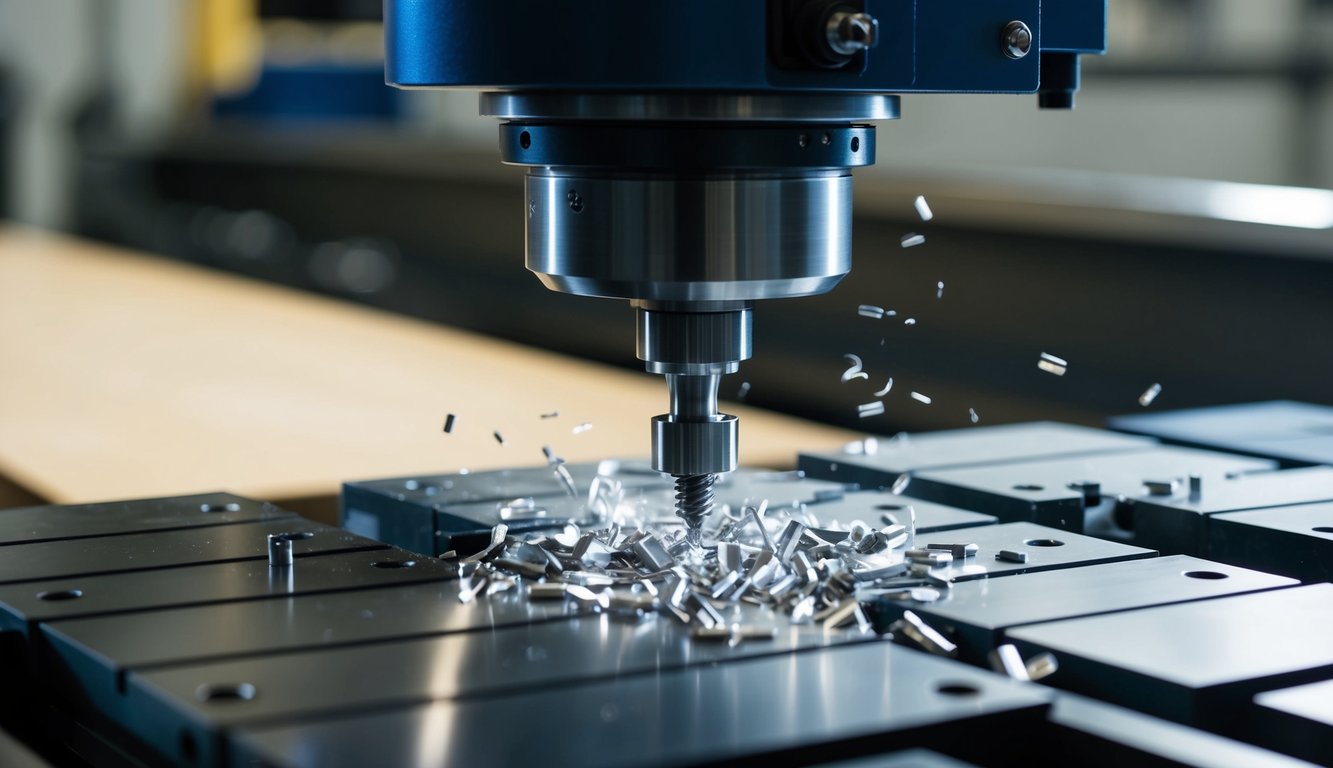
Effective aluminum milling requires careful attention to several key factors. These include selecting the right speeds and feeds, using proper cooling and lubrication, managing chips effectively, and optimizing tool paths.
Optimal Speeds and Feeds
Choosing the right speeds and feeds is crucial for successful aluminum milling. High-speed machining works well for aluminum, but you need to find the sweet spot.
For roughing operations, aim for: • Cutting speed: 1000-1500 sfm • Feed rate: 0.005-0.015 ipt
For finishing: • Cutting speed: 1500-2000 sfm • Feed rate: 0.002-0.008 ipt
These ranges help balance material removal rate with tool life and surface finish. Start in the middle and adjust based on results.
Remember that smaller end mills need higher spindle speeds to maintain optimal cutting speed. A 1/4″ end mill might run at 15,000 RPM, while a 1″ tool may only need 4,000 RPM.
Cooling and Lubrication Techniques
Proper cooling is vital when milling aluminum. It prevents chip welding and improves surface finish.
Flood coolant is most common. Use a water-soluble coolant at 6-10% concentration. Make sure you have enough flow to wash away chips.
For high-speed machining, consider these options: • Minimum Quantity Lubrication (MQL) • Through-tool coolant • Air blast cooling
MQL uses tiny amounts of lubricant in an air stream. It’s cleaner than flood coolant but may not cool as well. Through-tool coolant gets coolant right to the cutting edge. Air blast helps with chip evacuation.
Chip Management Strategies
Effective chip management is key to successful aluminum milling. Aluminum chips can be long and stringy, causing problems if not controlled.
Use these strategies:
- High-pressure coolant to break chips
- Chip breakers on cutting tools
- Peck drilling for deep holes
- Trochoidal milling paths
Chip evacuation is crucial. Make sure your coolant flow and air blast (if used) are aimed to flush chips away from the cut.
For dry machining, consider diamond-coated tools. They reduce chip adhesion and allow higher speeds.
Tool Path Considerations
Smart tool paths boost efficiency and improve results when milling aluminum.
For thin webs, use climb milling. It reduces deflection and chatter. Start with shallow cuts and work your way down.
Try these techniques: • Trochoidal milling for slots and pockets • Helical interpolation for holes • High-speed adaptive clearing
Avoid sudden direction changes. They can cause deflection and poor surface finish. Use smooth entry and exit moves.
For complex parts, consider specialized CAM strategies. They can optimize tool engagement and reduce tool wear.
Remember to adjust feed rates in corners and small features. Slowing down in these areas prevents tool breakage and improves accuracy.
Maintenance and Longevity
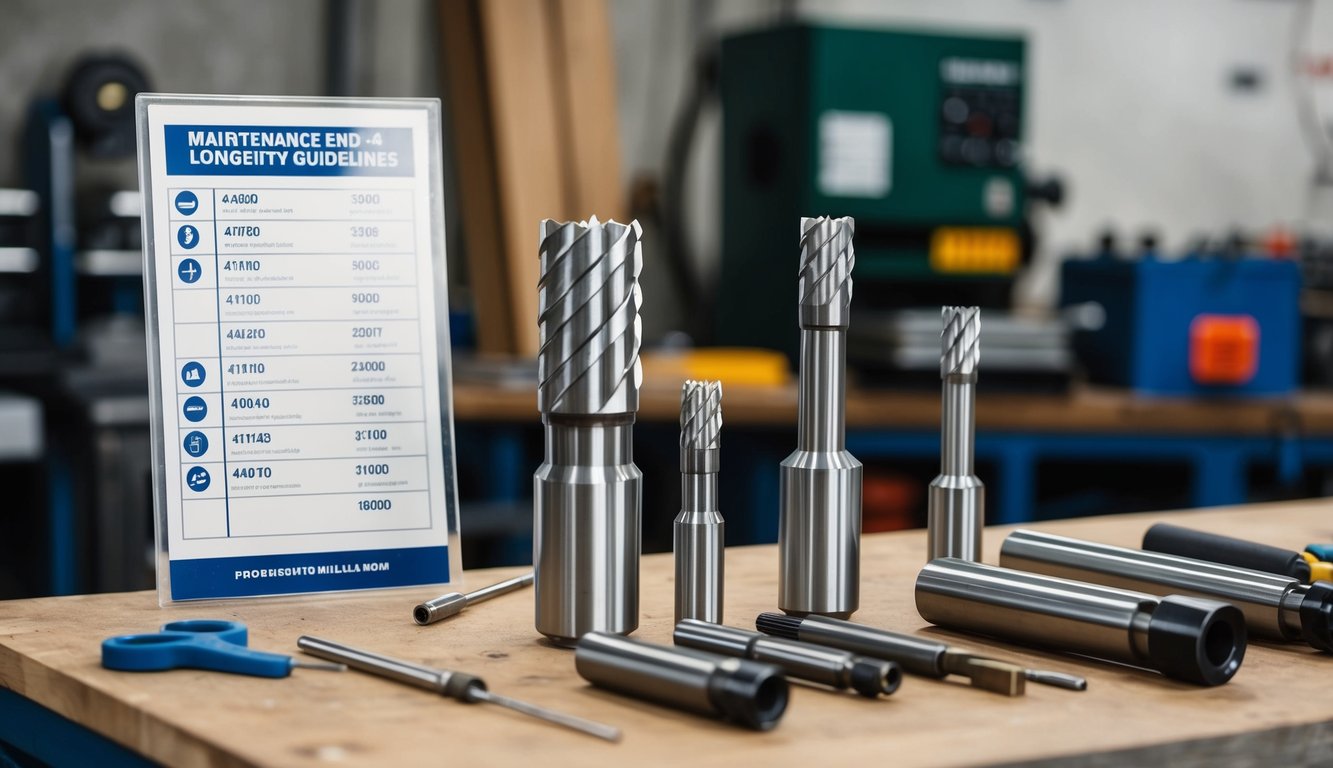
Taking good care of your end mills for aluminum can make them last longer and work better. Let’s look at some key ways to maintain these tools and extend their useful life.
Proper Cleaning Techniques
Keeping your end mills clean is crucial. After each use, remove any aluminum chips or debris. You can use a soft brush or compressed air for this. Be gentle to avoid damaging the cutting edges.
For stubborn buildup, try a mild solvent. Avoid harsh chemicals that could harm the tool’s coating. Always dry the end mill thoroughly after cleaning to prevent rust.
Some machinists use ultrasonic cleaners for a deep clean. These can be effective but use them carefully. Too much time in an ultrasonic bath might weaken the tool.
Remember to clean the tool holder too. A clean holder helps the end mill run true and reduces wear.
Storage and Handling
Proper storage keeps end mills safe when not in use. A dedicated toolbox or rack is ideal. This prevents tools from bumping into each other and getting damaged.
Consider these storage tips:
- Use protective sleeves or tubes
- Keep tools dry to prevent rust
- Store in a cool, stable environment
When handling end mills, be careful. Don’t drop them or let them hit hard surfaces. Even small nicks can affect performance.
Use gloves when possible. This protects both you and the tool. Oils from your skin can lead to corrosion over time.
Organize your storage area well. This makes it easy to find the right tool and reduces the chance of accidents.
Wear Inspection
Regular checks can catch problems early. Look for these signs of wear:
- Dull cutting edges
- Chips or nicks in the flutes
- Discoloration from heat
- Uneven wear patterns
Use a magnifying glass or microscope for a close look. Compare used tools to new ones to spot differences.
Pay attention to how the tool performs. If it’s not cutting as smoothly or requires more force, it might be wearing out.
Tool longevity can vary. Factors like cutting speed and depth affect wear rates. Keep notes on tool life to predict when replacements might be needed.
When to Replace End Mills
Knowing when to retire a tool is key. Using worn-out end mills can lead to poor results and even damage your workpiece.
Replace your end mill if:
- Cutting edges are visibly dull or chipped
- It’s making unusual noises during use
- The finish quality on your aluminum parts drops
- You notice increased vibration or chatter
Don’t push tools past their limits. It’s better to replace them a bit early than risk a failure during use.
Keep spare end mills on hand. This lets you swap out worn tools quickly without disrupting your work.
Consider regrinding services for high-quality end mills. This can be cost-effective for expensive tools. But know when a tool is beyond saving and needs full replacement.
Common Pitfalls and How to Avoid Them
When working with end mills for aluminum, machinists often face challenges. Knowing these issues and how to solve them can greatly improve results. Let’s look at some common problems and their solutions.
Speed and Feed Mistakes
Many machinists struggle with finding the right speed and feed rates for aluminum. Using incorrect rates can lead to poor surface finish and tool wear.
For aluminum, higher speeds are generally better. Aim for cutting speeds of 1000-5000 feet per minute. Feed rates should be 0.001-0.010 inches per tooth.
Tips to avoid speed and feed issues:
- Start with the tool manufacturer’s recommendations
- Adjust gradually based on results
- Listen for chatter or vibration
- Check surface finish quality
Remember, aluminum’s softness means it can handle higher speeds than harder metals.
Improper Tool Selection
Choosing the wrong end mill can cause big problems. Aluminum needs specific tool characteristics for best results.
Key features for aluminum end mills:
- High helix angle (35-45 degrees)
- Polished flutes
- 2-3 flutes for most jobs
- Coatings like TiB2 or ZrN
Avoid using standard steel cutting tools on aluminum. They often lead to built-up edge and poor chip evacuation.
For thin walls or delicate parts, consider tools designed for high-speed milling of aluminum.
Chip Evacuation Issues
Aluminum produces long, stringy chips that can wrap around the tool. This causes heat buildup and poor surface finish.
To improve chip evacuation:
- Use high-pressure coolant
- Increase spindle speed
- Try different cutting tool geometries
- Use air blast systems
Proper chip management is crucial for aluminum recycling too. Clean chips are more valuable and easier to process.
Overcoming Aluminum’s Unique Machining Challenges
Aluminum’s properties make it tricky to machine. It’s soft, gummy, and prone to warping.
Strategies for better aluminum machining:
- Use sharp, polished cutting edges
- Apply proper workholding techniques
- Control heat with coolant or minimum quantity lubrication (MQL)
- Consider cryogenic cooling for large parts
For thin-walled parts, step cutting or special tool path strategies can help reduce vibration and improve accuracy.
By understanding these challenges, machinists can produce high-quality aluminum parts more consistently.
Industry Trends and Future of Aluminum Machining
The aluminum machining industry is evolving rapidly. New technologies and market demands are shaping how manufacturers approach end milling for aluminum parts. Let’s explore the key trends and developments in this dynamic field.
Current Market Statistics
The global aluminum market is growing steadily. In 2023, worldwide production reached 69 million metric tons. The automotive and aerospace industries are driving much of this demand.
Aluminum’s lightweight properties make it ideal for fuel-efficient vehicles and aircraft. This has led to a 15% increase in aluminum use in cars over the past 5 years.
The market for aluminum end mills is also expanding. It’s expected to grow by 6.8% annually through 2028. This growth is fueled by rising demand for precision-machined aluminum parts.
Technological Advancements
CNC machining centers are becoming more advanced. Many now offer 5-axis capabilities, allowing for complex aluminum part geometries.
Cutting speeds for aluminum have increased dramatically. Modern high-speed spindles can reach 30,000 RPM or more. This allows for faster material removal rates and shorter cycle times.
Tool coatings have also improved. Diamond-like carbon (DLC) coatings reduce friction and heat buildup when milling aluminum. This extends tool life and allows for higher cutting speeds.
Emerging Technologies in End Mill Design
Micro-milling technology is gaining traction for small aluminum parts. These tiny end mills can create features as small as 0.1 mm.
Variable helix and variable pitch end mills are becoming more common. They reduce chatter and improve surface finish when machining aluminum.
3D printed end mills are an exciting development. They allow for custom geometries optimized for specific aluminum alloys and cutting conditions.
Smart end mills with built-in sensors are on the horizon. These tools can monitor cutting forces and temperatures in real-time, adjusting feed rates automatically for optimal performance.
Frequently Asked Questions
Choosing the right end mill for aluminum machining involves considering flute count, coatings, speeds, and sizes. Let’s address some common questions to help you select the best tools for your aluminum milling projects.
What’s the best type of flute count for end mills when machining aluminum?
For aluminum milling, 2-3 flute end mills are often preferred. These designs provide ample chip clearance, preventing buildup and ensuring smooth cutting. Two-flute tools excel in roughing operations, while three-flute options offer a balance between material removal and surface finish.
Is there a preferred coating that enhances end mill performance in aluminum cutting?
Uncoated tools work well for aluminum, but certain coatings can boost performance. TiB2 (titanium diboride) and ZrN (zirconium nitride) coatings reduce friction and heat buildup. These coatings help prevent aluminum from sticking to the tool, improving chip evacuation and extending tool life.
Can you recommend optimal speeds and feeds when milling aluminum materials?
Optimal speeds for aluminum milling typically range from 10,000 to 40,000 RPM, depending on the tool diameter and machine capabilities. Feed rates vary but often fall between 0.001 to 0.005 inches per tooth. It’s crucial to maintain high speeds to prevent material buildup on the cutting edges.
What distinguishes ‘best’ end mills for aluminum from other types?
The best end mills for aluminum feature sharp cutting edges, polished flutes, and geometries designed to evacuate chips efficiently. They often have higher helix angles (35-45 degrees) to reduce cutting forces and improve surface finish. These tools may also incorporate special edge preparations to enhance durability.
How can I choose the right end mill size for precision aluminum work?
Select an end mill diameter based on the features you’re machining. For tight corners and small details, choose smaller tools (1/8″ to 1/4″). Larger diameters (1/2″ to 1″) are better for roughing and larger pockets. Consider the depth of cut and wall thickness when selecting tool size to ensure rigidity and prevent deflection.
Are there specific brands or products that are leading for aluminum milling?
While many reputable brands offer quality tools for aluminum milling, some popular choices include Harvey Tool, Helical Solutions, and OSG. These manufacturers provide specialized aluminum cutting tools with optimized geometries and coatings. It’s important to evaluate tools based on specific project requirements and machine capabilities.


