

As dit kom by presisie in bewerking, begrip karbied ruimer spoed en voer is van kardinale belang. Om hierdie parameters reg te kry, kan die werkverrigting en lewensduur van jou aansienlik verbeter ruimers, wat gladder bedrywighede en beter algehele uitkomste tot gevolg het. Of jy nou 'n gesoute masjinis is of net begin, om die toepaslike snelhede en voere vir uitruim te ken, kan 'n groot verskil maak.
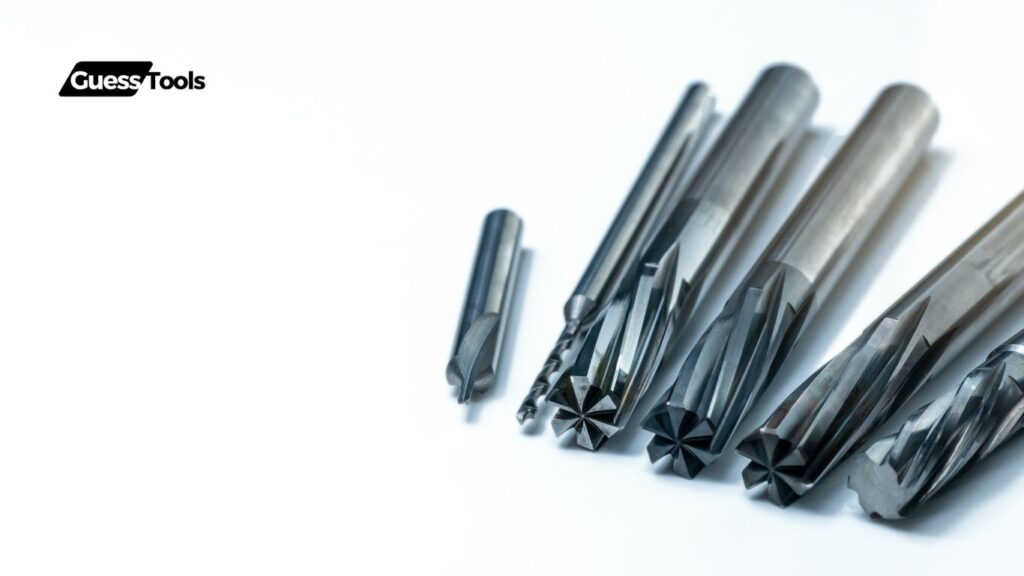
Ruim is 'n noodsaaklike operasie wat die akkuraatheid en afwerking van gate wat deur boor geskep word, verbeter. Die regte spoed en toevoer verseker dat ons uitstekende oppervlakafwerkings bereik en werktuigintegriteit handhaaf. Faktore soos masjienvermoë, gereedskapstyfheid en koelmiddeltoediening kan almal hierdie parameters beïnvloed. Deur die aanbevole riglyne te gebruik, kan dit ons help om ons uitruimbewerkings te optimaliseer en duur foute te vermy.
In hierdie blogplasing sal ons verskeie spoed- en voeraanbevelings vir karbiedruimers ondersoek, met behulp van industrie-insigte en praktiese voorbeelde. Teen die einde hoop ons om jou toe te rus met die kennis om jou bewerkingsprosesse te verbeter en ingeligte besluite in jou volgende projek te neem.
Verstaan Carbide Reamers
Karbiedruimers is belangrike gereedskap in bewerking, wat spesifieke voordele bo ander materiale soos HSS bied. Ons sal ondersoek wat karbiedruimers is, hul tipes en toepassings, en wanneer dit die beste is om karbied bo ander opsies te kies.
Wat is karbiedruimers en hul voordele bo HSS
Carbide ruimers is snygereedskap gemaak van 'n harde materiaal genaamd karbied. Hierdie materiaal is bekend vir sy duursaamheid en hittebestandheid.
Voordele van Carbide Reamers:
- Langer gereedskapslewe: Carbide ruimers hou langer as HSS (High-Speed Steel) gereedskap, dikwels 2 tot 3 keer so lank.
- Hoër snyspoed: Hulle kan teen hoër snelhede werk, wat die bewerkingstyd verminder.
- Beter afwerking kwaliteit: Karbiedruimers bied uitstekende oppervlakafwerkings, wat hulle ideaal maak vir presisiewerk.
Hierdie voordele maak karbied 'n voorkeurkeuse wanneer akkuraatheid en doeltreffendheid in bewerkingsprosesse nodig is.
Tipes karbiedruimers en hul toepassings
Carbide ruimers kom in verskeie tipes, elk geskik vir verskillende take. Hier is 'n paar algemene tipes:
- Soliede karbied ruimers: Beste vir presisiegate in harde materiale.
- Carbide Kantel ruimers: Dit het wenke gemaak van karbied, wat duursaamheid teen 'n laer koste bied.
- Verstelbare ruimers: Hulle stel ons in staat om die grootte te verander soos nodig, buigsaam vir verskeie toepassings.
Algemene toepassings sluit in:
- Afwerking gate: Die bereiking van die regte grootte en gladheid in verskeie gemasjineerde dele.
- Boorgrootte aanpassings: Maak fyn aanpassings aan bestaande openinge.
- Spesiale items: Spesifieke ontwerpe waar standaard ruimers nie kan pas nie.
Hierdie tipes verseker dat ons die regte gereedskap vir die regte werk het, wat ons bewerkingsvermoëns verbeter.
Wanneer om karbied bo ander ruimermateriaal te kies
Die keuse van karbied bo ander materiale soos HSS of gereedskapstaal kan van verskeie faktore afhang. Hier is 'n paar sleuteloorwegings:
- Materiaal wat gemasjineer word: Vir harder materiale bied karbied uitstekende slytasieweerstand.
- Produksievolume: In hoëproduksie-instellings kan die langer lewe van karbied tot kostebesparings lei.
- Snyspoed benodig: As die werk hoë snelhede vereis, kan karbiedgereedskap dit beter hanteer sonder om werkverrigting te verloor.
Wanneer om karbied te kies:
- Hoë presisie: Wanneer fyn toleransies vereis word.
- taai materiaal: Vir metale en legerings wat moeilik is om mee te werk.
- Hoë produksiekoerse: In omgewings waar tyd geld is.
Deur hierdie punte te verstaan, kan ons ingeligte keuses maak oor die regte ruimermateriaal vir ons spesifieke behoeftes.
Kritiese faktore wat prestasie beïnvloed
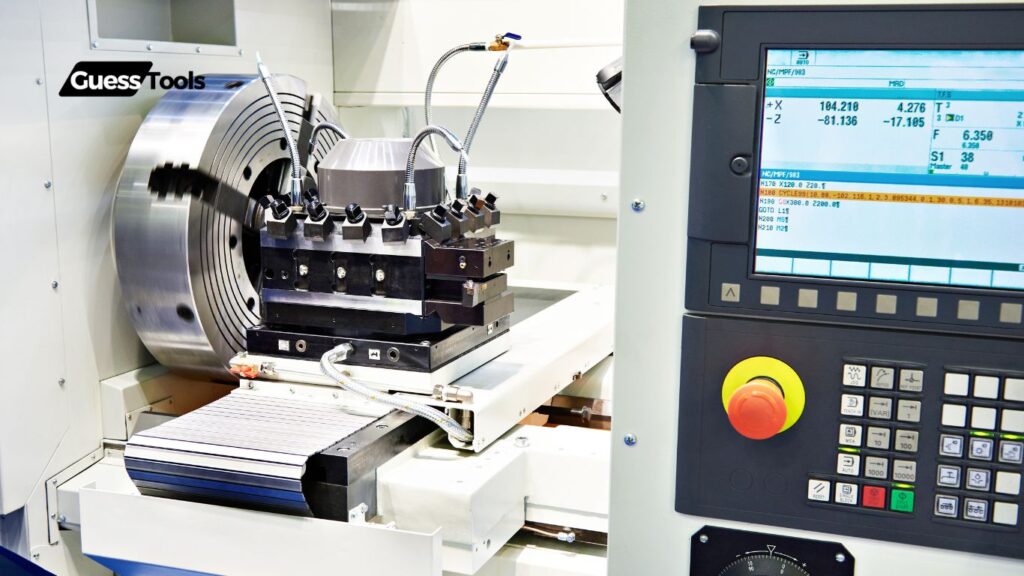
Wanneer karbiedruimers gebruik word, beïnvloed verskeie sleutelfaktore hul werkverrigting. Om hierdie elemente te verstaan, help ons om beter resultate te behaal en uitdagings tydens bewerking te vermy. Hier sal ons materiaal hardheid ondersoek, gereedskap meetkunde, masjien styfheid, en die belangrikheid van koelmiddel.
Materiaalhardheidsoorwegings
Die hardheid van die materiaal wat ons uitbrei, beïnvloed prestasie aansienlik. Vir harder materiale moet ons ons spoed en voertempo's aanpas. Stadiger spoed kan help om gereedskapslytasie of skade te voorkom.
Aanbevole snelhede:
- Sagte metale: 200-500 RPM
- Medium metale: 100-300 RPM
- Hard Metals: 50-150 RPM
Choosing the right combination of speed and feed helps maintain tool life and improve surface finish. We should also consider the specific properties of our material. This includes its tensile strength and thermal conductivity, which can impact overall performance.
Tool Geometry And Its Impact
The geometry of our carbide reamer plays a crucial role in how efficiently it cuts. Features like flute design, angle, and diameter are important.
Key Aspects of Tool Geometry:
- Flute Design: Affects chip removal and coolant flow.
- Cutting Edge Angle: Influences cutting efficiency.
- Diameter: Larger diameters can remove more material but may require different speeds and feeds.
Using the right tool geometry for the job can enhance performance. For instance, deeper flutes are better for high material removal rates, while tighter flutes suit precision tasks.
Machine Rigidity Requirements
The rigidity of our CNC machine affects machining stability and accuracy. A more rigid setup helps prevent vibration during the cutting process, which can cause poor finish and tool wear.
Factors to Consider:
- Machine Condition: Ensure it is well-maintained.
- Fixture Stability: Use clamps that securely hold the workpiece.
- Tool Holder Quality: A reliable holder dampens vibrations effectively.
Higher rigidity allows for faster speeds and feeds, improving productivity. We should check our machine’s condition regularly to keep it in top shape.
Coolant And Lubrication Best Practices
Die gebruik van die regte koelmiddel en smering is noodsaaklik vir suksesvolle uitruimbewerkings. Koelmiddel help om hitte te verminder, skyfies weg te was en werktuiglewe te verleng.
Beste praktyke vir koelmiddelgebruik:
- Tipe koelmiddel: Kies gebaseer op materiaal eienskappe.
- Toepassingsmetode: Vloed- of misverkoeling kan effektief wees.
Die gebruik van te min koelmiddel kan lei tot verhoogde slytasie, terwyl te veel skuim kan skep, wat doeltreffendheid verminder. Om te verstaan hoe om koelmiddel behoorlik toe te pas, kan werkverrigting aansienlik verbeter en oorverhitting voorkom.
Berekening van optimale parameters
Om die regte snelhede en voedinge vir karbiedruimers te vind, kan verander hoe doeltreffend ons werk. Deur die berekening van die optimale parameters, kan ons beter werkverrigting en langer werktuiglewe verseker. Kom ons breek die noodsaaklike berekeninge af.
Speed Calculation Formula With Examples
To calculate Snitspoed (SFM), we use the formula:
RPM = (SFM × 3.82) / Diameter of the Tool (inches)
Let’s say we want to use a carbide reamer with a diameter of 0.5 inches and a target cutting speed of 100 SFM. Plugging in the numbers gives us:
[ RPM = (100 \times 3.82) / 0.5 \approx 764 RPM ]
For different materials, the recommended SFM varies. For example:
- Aluminium: 200 SFM
- Stainless Steel: 60 SFM
- Titanium: 40 SFM
Calculating the RPM based on these speeds helps us stay within the right range for our specific task.
Feed Rate Determination For Different Scenarios
Feed rate affects material removal and surface finish. We can determine it with this formula:
Feed Rate (IPM) = RPM × Chip Load × Number of Teeth
Here’s a practical example. Suppose we have:
- RPM: 764 (calculated from the previous section)
- Chip Load: 0.004 inches (typical for carbide reamers)
- Number of Teeth: 2
Using the formula:
[ Feed Rate = 764 × 0.004 × 2 = 6.112 IPM ]
Adjusting our chip load based on factors like the material and tooling condition can help us optimize our feed rates for the best outcome.
How To Adjust For Special Situations
Sometimes, we face unique situations that require adjustments. Here are a few factors to consider:
- Material Type: Softer materials might need a higher feed rate but a lower speed.
- Tool Condition: A worn tool may require slower speeds and reduced feed rates to avoid further damage.
- Depth of Cut: Deeper cuts can lead to increased heat, so we should lower speeds to prevent tool wear.
Always keeping these factors in mind will help us fine-tune our parameters for specific scenarios.
Interactive Calculator Reference (If Applicable For Your Platform)
If your platform supports tools, we recommend using an interactive speeds and feeds calculator. Many tools let us input parameters such as:
- Materiaaltipe
- Gereedskap deursnee
- Desired finish quality
These calculators can quickly provide optimal RPM and feed rates based on the inputs. Using technology streamlines our process and ensures we make informed decisions with every reaming task.
Comprehensive Speed And Feed Charts

Wanneer ons die regte snelhede en voere vir karbiedruimers kies, moet ons verskeie faktore in ag neem. Ons kaarte fokus op materiaal tipes, deursnee groottes, en spesifieke toepassings om te verseker dat ons dit regkry. Kom ons breek dit vir elke belangrike afdeling af.
Materiaal-spesifieke aanbevelings (georganiseer volgens materiaalgroepe)
Verskillende materiale vereis verskillende spoed en voer. Hier is 'n basiese lys:
- Staal: 100-150 SFM (oppervlakvoete per minuut), 0,002-0,006 IPR (duim per omwenteling)
- Aluminium: 300-600 SFM, 0,005-0,01 IPR
- Gietyster: 100-200 SFM, 0,003-0,007 IPR
- Plastiek: 200-400 SFM, 0,005-0,01 IPR
Die gebruik van die korrekte spoed kan help om gereedskapslytasie te voorkom en 'n gladde afwerking te verkry. Hersien altyd eienskappe soos hardheid en treksterkte vir beter resultate.
Diameter-gebaseerde aanpassings
Die deursnee van 'n ruimer speel 'n rol in die bepaling van spoed en voer. Groter diameters benodig dikwels aanpassings as gevolg van groter snykantlengte. Hier is 'n paar wenke:
- Klein ruimers (minder as 0,25 duim): Gebruik hoër snelhede, ongeveer 150-200 SFM.
- Medium ruimers (0,25 tot 1 duim): Teiken spoed tussen 100-150 SFM.
- Groot ruimers (meer as 1 duim): Gebruik laer snelhede, ongeveer 50-100 SFM.
Hoër voertempo's is dikwels geskik vir groter gereedskap, terwyl kleiner snyers meer presisie en stadiger voer vereis. Pas aan soos nodig gebaseer op die spesifieke toepassing.
Toepassing-spesifieke wysigings
In sommige gevalle kan ons toepassings spesifieke wysigings benodig. Hier is hoe ons ons snelhede en strome kan aanpas:
- Deur gate: Gebruik gewoonlik hoër snelhede en voere om die proses te bespoedig.
- Blinde gate: Gebruik stadiger snelhede om die snykante te beskerm en 'n gladde afwerking te verseker.
- Diep gate: Oorweeg koelmiddeltoediening en verander voere om hitte te bestuur.
Sekere toepassings kan ook meer tande op die ruimer vereis vir beter doeltreffendheid. Toets altyd aanpassings volgens ons spesifieke behoeftes.
Vinnige verwysingsgids vir algemene toepassings
Hier is 'n eenvoudige tabel om ons te help met vinnige aanpassings:
| Toepassing | Materiaal | Spoed (SFM) | Voer (IPR) |
|---|---|---|---|
| Algemene Staal Sny | Staal | 100-150 | 0.002-0.006 |
| Aluminium afwerking | Aluminium | 400-600 | 0.005-0.01 |
| Presisie boor | Gietyster | 150-200 | 0.003-0.007 |
| Plastiek uitbrei | Plastiek | 250-400 | 0.005-0.01 |
Hierdie tabel bied 'n vinnige verwysing vir algemene materiale en hul spoed/voeropstellings. Deur hierdie riglyne te volg, kan ons ons bewerkingsbedrywighede en werktuiglewe aansienlik verbeter.
Foutoplossing en prestasieoptimalisering
As ons kyk na die probleemoplossing en die optimalisering van die werkverrigting van karbiedruimers, is daar verskeie sleutelareas om op te fokus. Dit behels die identifisering van algemene probleme, diagnosering werktuigdrag, verbeter oppervlakafwerking, en bestuur chip beheer effektief.
Identifisering en Oplos van Algemene Ruimprobleme
Algemene probleme met uitruim spruit dikwels uit verkeerde opstelling of werking. Hier is 'n paar probleme om na op te let:
- Te hoë gereedskapdeursnee: As die gereedskap deursnee te groot is, kan dit oormatige veroorsaak snykragte. Dit lei tot swak oppervlakafwerking en korter werktuiglewe.
- Oormatige snyspoed/voeding: Vinnige spoed kan vibrasies of gesels veroorsaak. Om spoed binne aanbevole reekse te hou, help om akkuraatheid te verbeter. Ons beveel aan dat u die vervaardiger se data nagaan vir optimale instellings.
- Spil of Gereedskap Uitloop: Wanbelyning kan konsentrisiteit aansienlik beïnvloed. Maak seker dat die spil behoorlik in lyn is om uitloop te verminder en werkverrigting te verbeter.
- Kort snyafkanting: 'n Afkanting wat te kort is, mag dalk nie die gereedskap behoorlik lei nie. Maak seker dat die afkanting geskik is vir die materiaal wat gemasjineer word.
Diagnose en voorkoming van gereedskapslytasie
Monitering van gereedskapslytasie is noodsaaklik vir die handhawing van werkverrigting. Hier is 'n paar maniere om dit te diagnoseer en te voorkom:
- Visuele inspeksie: Kyk vir tekens van slytasie soos gekapte rande of dowwe oppervlaktes. Inspekteer jou gereedskap gereeld en vervang dit soos nodig.
- Skerp Geluide: As ons 'n gegil tydens werking hoor, dui dit dikwels op probleme met spoed of voertempo's. Deur dit aan te pas, kan verdere skade voorkom.
- Chip Ondersoek: Die ontleding van die skyfies wat geproduseer word, kan insigte bied. Donker of gebrande skyfies dui op hoë temperature, dikwels van oormatige spoed.
- Verkoelingstelsels: Gebruik behoorlik verkoelingstegnieke to extend tool life. This includes using coolants or lubricants that suit the machining process.
Surface Finish Improvement Techniques
Achieving a superior surface finish can be a game-changer. Here are methods to enhance it:
- Feed Rate Adjustments: Slower feed rates can improve surface finish. Finding the right balance between speed and feed is essential.
- Cutting Edge Geometry: Choosing reamers with appropriate geometries can enhance finish quality. Look for those designed for your specific material.
- Regular Tool Changes: Worn tools tend to produce rough finishes. Regularly changing out tools when wear is noticeable keeps quality high.
- Machining Parameters: Always refer to the manufacturer’s recommendations. Following specific parameters can lead to better results.
Chip Control Strategies
Effektiewe spaanderbeheer is noodsaaklik vir veiligheid en doeltreffendheid. Hier is 'n paar strategieë:
- Chip grootte monitering: Hou skyfiegroottes dop. Groter skyfies kan 'n probleem aandui. Die ideale grootte help om verstopping te voorkom en verbeter ontruiming.
- Gebruik van koelmiddel: Behoorlike gebruik van koelmiddel kan help met die verwydering van skyfies. Dit hou die werkarea skoon en handhaaf 'n stabiele temperatuur.
- Optimale snyhoeke: Die gebruik van die regte snyhoeke kan help om skyfies van die snyarea weg te lei. Dit verminder die kans om skyfies weer te sny.
- Gereelde skoonmaak: Om die werkarea skoon te hou, voorkom steuring tydens uitruim. Gereelde instandhouding verbeter algehele werkverrigting.
Deur op hierdie areas te fokus, kan ons ons ruim prosesse optimaliseer, en doeltreffendheid en kwaliteit in ons bewerkingstake verbeter.
Gevorderde tegnieke en nywerheidstoepassings
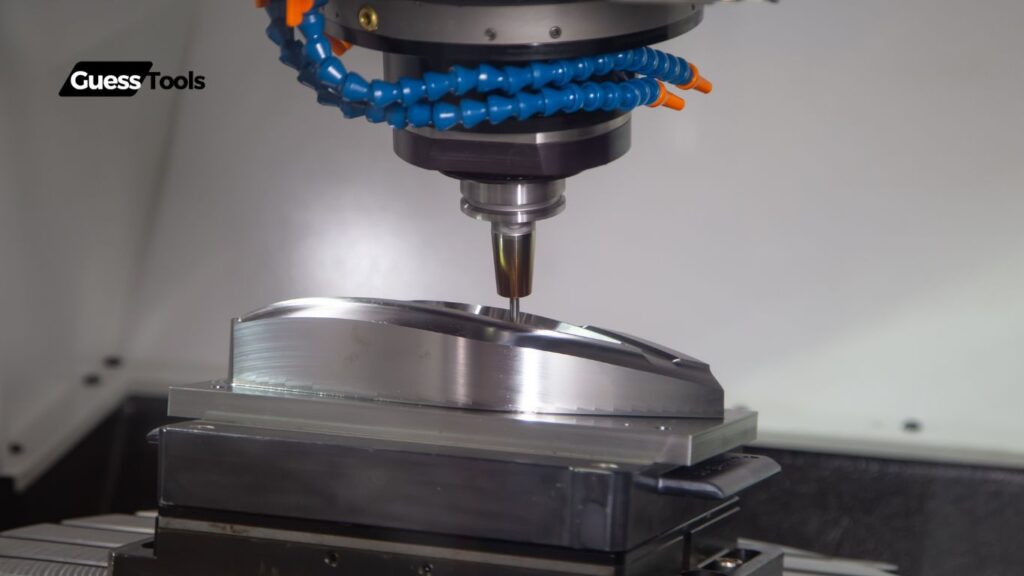
In die wêreld van karbiedruim is gevorderde tegnieke en spesifieke bedryfstoepassings noodsaaklik vir die verbetering van doeltreffendheid en produkgehalte. Kom ons kyk van naderby na hoe verskillende sektore die werkverrigting van karbiedruimers maksimeer.
Gevallestudies van lugvaart-, motor- en presisievervaardiging
In die lugvaartsektor is presiese toleransies van kardinale belang. 'n Studie het getoon dat die gebruik van karbiedruimers met spesifieke RPM-instellings die gatakkuraatheid met 30% verbeter het. Net so trek die motorbedryf voordeel uit pasgemaakte voere, wat die siklustyd aansienlik verminder. Byvoorbeeld, 'n motorvervaardiger het 'n doeltreffendheidsverhoging van 25% gerapporteer deur die voertempo aan te pas op grond van intydse gereedskapterugvoer. In presisie vervaardiging, firmas gebruik dikwels karbiedruimers om kwaliteit oor groot produksielopies te handhaaf, wat die werktuig se veelsydigheid oor hierdie kritieke velde ten toon stel.
Hoëprestasie-uitruimstrategieë
Ons kan verskeie strategieë implementeer vir hoëprestasie-ruim. Konsekwente RPM-instellings noodsaaklik is. Byvoorbeeld, om teen ongeveer 1800 RPM te werk, maksimeer doeltreffendheid sonder om kwaliteit in te boet. Deur dit te koppel met 'n toevoer van 0,002-0,004 duim per tand, optimaliseer die verwydering van skyfies. Daarbenewens kan die gebruik van smeermiddels van hoë gehalte wrywing verminder, wat gladder bedrywighede moontlik maak. Aanpassing van strategieë gebaseer op materiaal eienskappe is noodsaaklik. Vir harder materiale kan ons stadiger snelhede benodig om slytasie van gereedskap te voorkom. Hierdie pasgemaakte benadering verseker maksimum doeltreffendheid vir elke unieke toepassing.
Tegnieke vir die maksimum lewensduur van gereedskap
Om die lewensduur van karbiedruimers te maksimeer, moet ons verskeie tegnieke oorweeg. Gereelde onderhoud is sleutel; gereelde nagaan vir slytasie kan voortydige mislukkings voorkom. Die implementering van behoorlike verkoelingstegnieke help om termiese vervorming te verminder, wat die werktuiglewe kan verkort. Die gebruik van 'n kwaliteit koelmiddel wat ooreenstem met die materiaal waaraan gewerk word, verbeter werkverrigting verder. 'n Statistiek om te onthou is dat behoorlike verkoelingsmiddeltoediening die werktuiglewe met tot 50% kan verleng. Om tred te hou met die aantal gate wat geruim is, kan ons ook help om te besluit wanneer herslyp nodig is om optimale werkverrigting te handhaaf.
Koste-doeltreffendheid-analise
Verstaan die kostedoeltreffendheid van karbiedruimers is deurslaggewend vir besluitneming. Begin deur die ontleding van die koste per gat vervaardig. Deur die totale gereedskapkoste gedeel deur die aantal suksesvolle gate te bereken, kan ons insigte in winsgewendheid verkry. Byvoorbeeld, die vermindering van stilstand deur beter toevoer en spoed kan bedryfskoste aansienlik verlaag. Daarbenewens kan belegging in kwaliteit karbiedruimers vooraf duur lyk, maar kan op die lang termyn geld bespaar as gevolg van minder vervangings en herstelwerk.
Die implementering van hierdie strategieë en insigte kan ons bedrywighede en uitkomste oor verskeie industrieë drasties verbeter.
Toekomstige neigings in Carbide Reaming Tegnologie
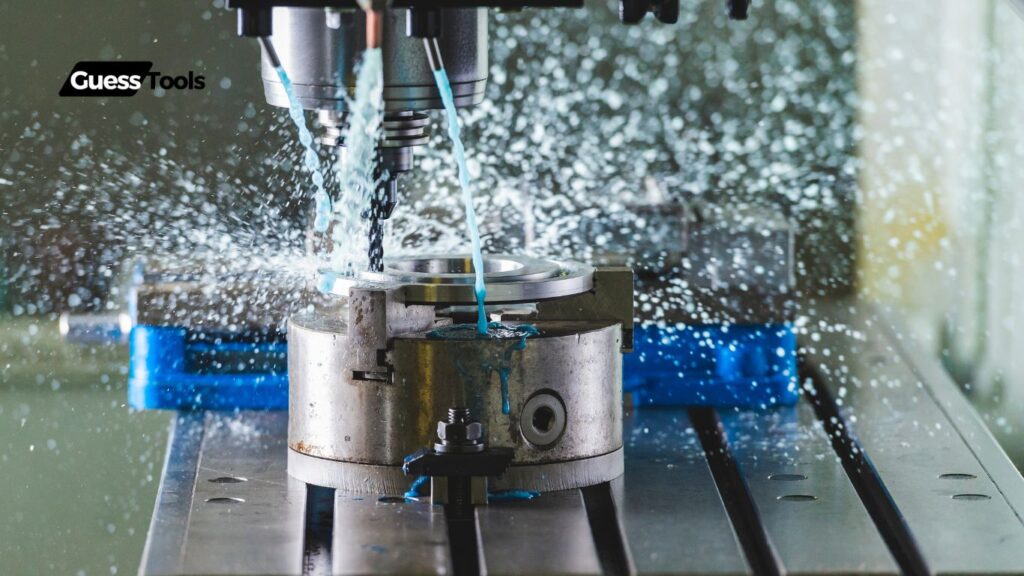
As we look ahead in carbide reaming technology, several exciting trends are emerging. These advancements focus on improving efficiency, performance, and sustainability in machining processes. Let’s explore some of the key developments.
Emerging Coating Technologies
New coatings are changing the game for carbide reamers. Advanced coatings can enhance tool life and performance. For instance, Diamond-like Carbon (DLC) coatings provide increased hardness and reduced friction. This leads to higher cutting speeds and longer lasting tools.
- Benefits of Emerging Coatings:
- Increased Durability: Extends life of the reamer.
- Lower Friction: Enhances cutting efficiency.
- Heat Resistance: Works well in high-temperature applications.
Additionally, companies are experimenting with multilayer coatings that combine several materials. These coatings adapt to different materials and machining conditions, improving versatility. As these technologies develop, we can expect even greater improvements in reaming operations.
Smart Machining Integration
Smart machining technology is another trend changing how we use carbide reamers. With the rise of Industry 4.0, we are seeing more integration of sensors and data analytics in machining processes.
- Key Features of Smart Machining:
- Predictive Maintenance: Sensors can monitor tool wear and predict when reamers need replacement.
- Real-time Adjustments: Systems can automatically adjust speeds and feeds based on cutting conditions.
- Data Collection: Gathering data helps in optimizing future operations.
These advancements not only extend tool life but also improve overall process efficiency. By implementing smart technology, manufacturers can achieve better productivity and accuracy in reaming tasks.
Sustainability Considerations
Sustainability is becoming crucial in manufacturing. As we look at future trends, the focus on eco-friendly practices in carbide reaming is intensifying. This includes the following:
- Recyclable Materials: Using materials that can be easily recycled after their life cycle ends.
- Reduced Waste: Techniques that minimize material waste during the machining process.
- Energy Efficiency: Developing machines and processes that consume less energy.
Volhoubaarheid is nie net 'n neiging nie; dit is noodsaaklik vir die toekoms van vervaardiging. Maatskappye wat hierdie praktyke aanneem, sal nie net die omgewing bevoordeel nie, maar ook 'n beroep doen op 'n groeiende mark wat eko-bewuste produkte waardeer.
Hierdie neigings vertel ons dat die toekoms van karbiedruim waarskynlik gekenmerk sal word deur innovasie, doeltreffendheid en verantwoordelikheid.


