

Want to know if your drill bit is made of carbide? We’ve got a simple way to check. A quick test with a magnet will tell you – carbide bits won’t stick to magnets, while high-speed steel (HSS) bits will.

You can spot other clues by looking at the drill bit’s appearance. Carbide bits often have a distinct gray color and feel heavier than steel bits. They also tend to have a shinier, smoother finish since they’re ground with finer wheels during manufacturing.
We can tell you that carbide bits are worth identifying because they perform better in tough jobs. These bits cut faster and last longer than standard steel bits, making them perfect for drilling through harder materials. While they cost more upfront, their durability makes them a smart choice for demanding projects.
Understanding Carbide Drill Bits
Carbide drill bits stand out as the toughest and most durable cutting tools in the industry. These specialized bits let us tackle the hardest materials while maintaining precision and extending tool life.
What Are Carbide Drill Bits?
Carbide drill bits are cutting tools made from tungsten carbide – one of the hardest materials available for drilling. We can spot them by their distinctive silver-gray color and highly polished appearance.
These bits have incredibly sharp cutting edges that stay sharp much longer than standard steel bits. You’ll notice their unique design with a tapered end and flat point.
A simple test can help identify a carbide bit – try running it along a piece of glass. If it leaves a scratch, you’re holding a carbide bit.
Why They’re Valuable in Drilling Operations
Carbide bits excel at drilling through tough materials like:
- Hardened steel
- Cast iron
- Stainless steel
- Titanium alloys
The cutting edge retains its sharpness up to 10 times longer than regular HSS (High-Speed Steel) bits. This means fewer replacements and more consistent holes.
We find these bits especially useful in manufacturing settings where precision and productivity are critical. They can operate at higher speeds without overheating.
Basic Composition
The main components of carbide drill bits include:
- Core: Made from tungsten carbide particles
- Binder: Typically cobalt metal
- Coating: Optional wear-resistant layers
The mixture of tungsten carbide powder and cobalt gets heated and pressed into the final shape. More cobalt makes the bit tougher but softer, while less cobalt creates a harder but more brittle bit.
Most carbide bits have a concentration of 89-94% tungsten carbide and 6-11% cobalt binder.
How to Identify a Carbide Drill Bit

Carbide drill bits have distinct characteristics that make them easy to spot once you know what to look for. We’ll show you the visual signs and physical properties that set these high-performance bits apart from standard steel options.
Visual Characteristics
Carbide bits often have a distinctive silver-gray color that’s brighter than standard steel bits. You’ll notice they have a unique shape with a tapered end and flat point. Most carbide bits have markings or bands near the shank that indicate their composition.
The cutting edges are sharper and more defined compared to other materials. Look for small carbide tips brazed onto the end of the bit – these appear as slightly different colored inserts at the cutting edge.
Many carbide bits come in protective tubes or cases marked with “carbide” or “tungsten carbide” to identify them.
Physical Properties to Look For
Carbide bits are significantly heavier than steel bits of the same size due to their dense tungsten-carbide composition. Pick up the bit and compare its weight to a standard steel one to feel the difference.
Simple hardness test: Try scratching a piece of glass with the bit (carefully). Carbide will easily leave a mark while steel won’t.
Carbide bits have these key traits:
- Extremely hard and durable
- Won’t bend or flex like steel
- Resist heat better than other materials
- Cost more than standard bits
A spark test can help identify carbide – when touched to a grinding wheel, carbide produces few, dull red sparks compared to the bright yellow shower from steel bits.
Carbide vs. Other Drill Bits

Drill bits come in several materials, each with unique properties that affect their performance and price. Let’s explore the key differences between carbide and other common drill bit materials.
Material Comparison
Carbide drill bits have a distinctive grayish-white color and incredibly hard tungsten carbide construction. You’ll notice they feel heavier than other bits.
High-speed steel (HSS) bits appear silver or gray and are lighter than carbide. These bits are the most common type you’ll find in hardware stores.
Carbon steel bits have a dark gray or black finish. They’re the softest and least expensive option.
Cobalt bits feature a blue-gray color and contain 5-8% cobalt mixed with HSS. They sit between carbide and standard HSS in terms of hardness.
Performance Differences
Carbide bits maintain their sharp edge up to 10 times longer than HSS bits. They can drill through hardened steel and other tough materials.
Heat resistance sets carbide apart. These bits work well at high speeds without losing their edge.
HSS bits work great for general-purpose drilling in wood, plastic, and soft metals. They dull faster but are easier to sharpen.
Carbon steel bits serve basic wood and plastic drilling needs. They lose their edge quickly in metal.
Cobalt bits excel at drilling stainless steel and cast iron. They resist heat better than HSS but not as well as carbide.
Cost Considerations
Price comparison of common drill bit materials:
- Carbide: $15-50 per bit
- Cobalt: $8-25 per bit
- HSS: $3-15 per bit
- Carbon Steel: $1-5 per bit
The higher cost of carbide bits pays off when drilling hard materials or doing production work. You’ll replace them less often.
For occasional DIY projects, HSS bits offer better value since you won’t wear them out quickly.
When to Choose Carbide Over Other Materials
Pick carbide bits when drilling:
- Hardened steel
- Cast iron
- Ceramic tiles
- Glass
We recommend carbide for professional shops and production environments. The long life and consistent performance justify the cost.
Choose HSS or cobalt bits for general maintenance and repair work. They’re more forgiving if you make mistakes while drilling.
Carbon steel works fine for basic woodworking and home projects where precision isn’t critical.
Best Applications for Carbide Drill Bits

Carbide drill bits excel in tough drilling tasks thanks to their superior hardness and wear resistance. We’ve found they work best in industrial settings and demanding applications where regular drill bits just won’t cut it.
Suitable Materials
Carbide bits shine when working with these tough materials:
- Hard metals: Stainless steel, cast iron, titanium alloys
- Masonry materials: Concrete, brick, tile, granite
- Abrasive materials: Fiberglass, carbon fiber composites
- Non-ferrous metals: Aluminum, brass, copper
The extra hardness of carbide lets us drill through these materials faster and with less wear than standard bits. We can even use them on glass and ceramics when needed.
Industry-Specific Uses
Manufacturing plants rely on carbide bits for:
- Metal fabrication and machining
- Automotive parts production
- Aircraft component manufacturing
Construction teams need them for:
- Installing anchors in concrete
- Drilling through reinforced masonry
- Mounting fixtures on stone surfaces
Performance Benefits in Different Scenarios
High-Speed Applications
- Cut 2-3x faster than standard bits
- Stay sharp longer during repeated use
- Generate less heat when drilling
Heavy-Duty Projects We get the best results using carbide bits for:
- Deep hole drilling
- Production line work
- Continuous drilling operations
The cutting power of carbide really shows when tackling thick materials. These bits maintain their edge much better than standard steel bits, which means less stopping to change or sharpen them.
Maintenance and Care
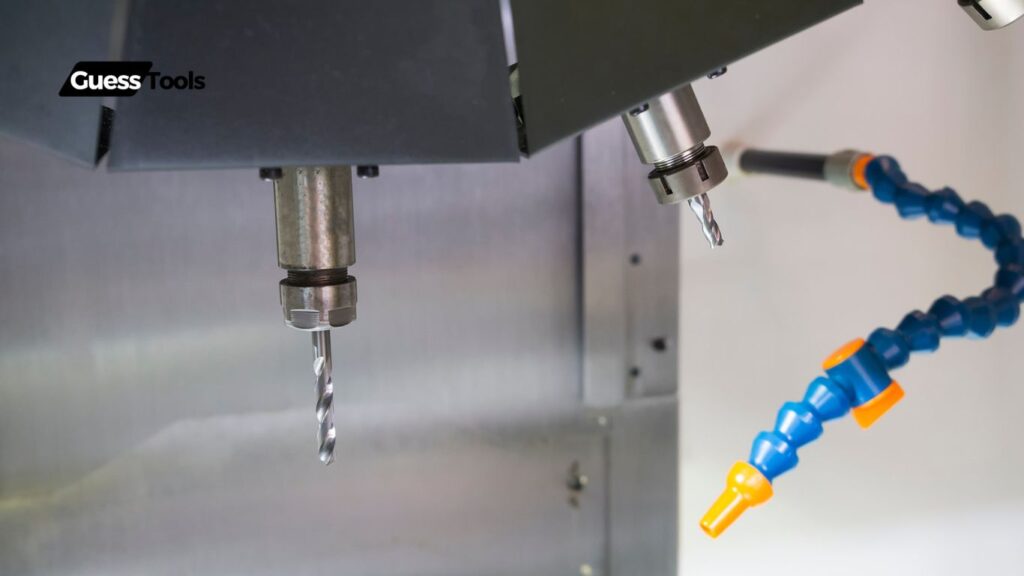
Taking good care of carbide drill bits increases their lifespan and keeps them cutting efficiently. A proper maintenance routine will save you money and deliver better results.
Proper Handling Techniques
Carbide bits are extremely hard but can be brittle. We recommend handling them with care to prevent chips and cracks.
Key handling tips:
- Hold bits by the shank, not the cutting edges
- Never drop or toss carbide bits
- Use the correct speed and feed rate for the material
- Apply steady pressure when drilling
Let the bit do the work – forcing it can cause breakage. We suggest starting holes with a center punch to prevent the bit from walking.
Storage Recommendations
Proper storage protects your investment in carbide bits and maintains their sharp edges.
Best storage practices:
- Keep bits in individual plastic sleeves or holders
- Store in a dry, temperature-controlled area
- Use a drill index or bit organizer
- Never let bits bump against each other
A dedicated storage case with foam inserts works great for protecting carbide bits. We keep our bits organized by size for easy access.
Sharpening Considerations
Carbide bits require special care when sharpening. Not all bits can be resharpened effectively.
You’ll need:
- Diamond sharpening wheel
- Proper grinding angles
- Light pressure
- Cooling fluid
We suggest having bits professionally sharpened if you’re not experienced. The cost is worth it compared to replacing expensive carbide bits.
Safety Precautions
Carbide bits demand careful attention to safety during use and maintenance.
Essential safety tips:
- Wear safety glasses and gloves
- Secure workpieces properly
- Use appropriate cutting speeds
- Keep work area clean
- Replace damaged bits immediately
Never try to modify or repair damaged carbide bits. When bits show signs of wear or damage, we replace them to maintain safety.
Common Questions Answered

Q: Can I use a magnet to test if my drill bit is carbide? Yes! This is one of the easiest ways to check. Carbide bits won’t stick to a magnet at all, while HSS (High-Speed Steel) bits will be strongly magnetic.
Q: What color are carbide drill bits? Carbide bits often have a distinct grayish or silvery color with a metallic sheen. They might look different from the typical steel-colored drill bits you’re used to seeing.
Q: Are carbide bits more expensive? Yes, we find that carbide bits typically cost more than standard HSS bits. The higher price comes from their superior hardness and durability.
Q: How can I test the hardness of a carbide bit? Try scratching a piece of regular steel with the bit. Carbide is extremely hard and will easily scratch most other metals without getting damaged itself.
Q: Do carbide bits last longer? Yes! We’ve seen carbide bits last significantly longer than HSS bits, especially when drilling hard materials. They keep their sharp edge much better.
Q: Can I sharpen carbide bits? Yes, but you’ll need special diamond tools to do it. Regular sharpening stones won’t work because carbide is too hard for them.
Q: Will carbide bits break more easily? While carbide is harder, it can be more brittle. We recommend using steady pressure and proper speeds to prevent chipping or breaking.


