
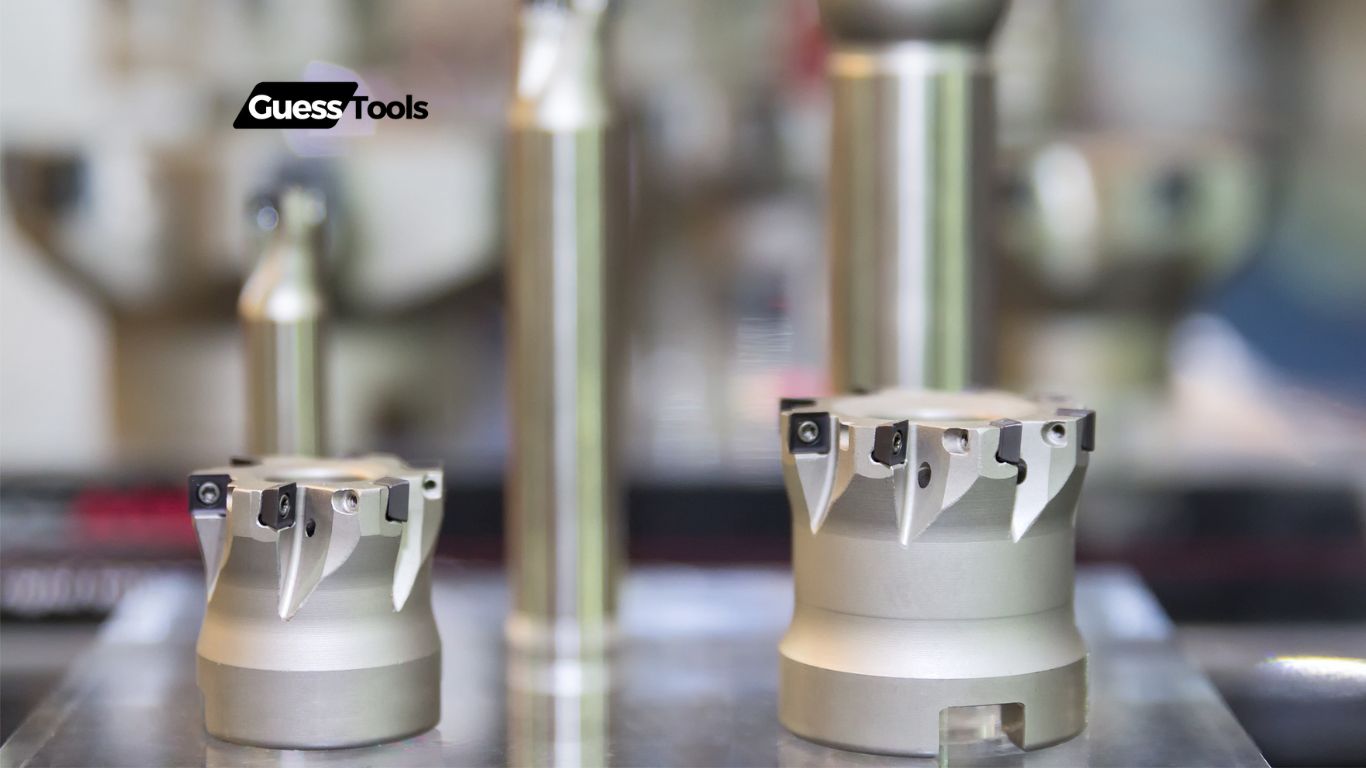
Ever wondered how those small but mighty carbide inserts are made and why they are so essential in the world of metalworking? Carbide inserts play a critical role in shaping and machining metal components due to their durability and ability to withstand extreme conditions. These inserts are crafted through a series of precise steps that ensure they meet the high standards needed for industrial use.
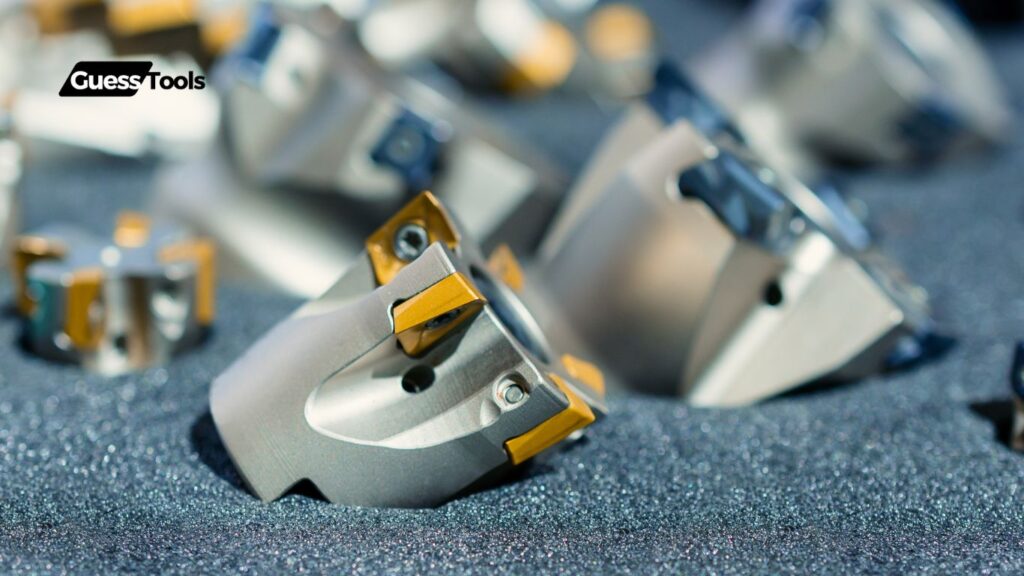
At the heart of their production is the combination of high-quality raw materials. This typically includes tungsten carbide powder and a binder such as cobalt, ensuring a strong, wear-resistant end product. Mixing these materials evenly is important, often done with advanced equipment like a V-blender. Next comes pressing, where the mixed powders are carefully shaped under high pressure.
This process concludes with sintering, a heating step that solidifies the inserts into their final form. With each step carefully controlled, the result is a tool ready to tackle the toughest of metalworking tasks. Sounds fascinating, doesn’t it? Let’s explore this process and see what makes carbide inserts so indispensable in today’s manufacturing world.
Understanding Carbide Inserts: The Basics
Let’s explore carbide inserts, the small yet mighty tools that are essential in shaping and cutting various materials. Their durability and adaptability make them indispensable in modern machining.
What Are Carbide Inserts And Why They Matter
Carbide inserts are small, replaceable pieces of cutting tools. They’re made from a composite of hard carbide particles bonded together with a metal. This “cemented carbide” is what makes them exceptional at handling high-heat operations.
In the world of machining, we often use these inserts for turning, milling, and drilling tasks. Their role is essential because they maintain sharpness under intense conditions, which is crucial for precision work. Without carbide inserts, achieving such accuracy and efficiency would be challenging.
Key Benefits In Modern Machining
Why do we rely on carbide inserts? It’s simple—they offer exceptional wear resistance and longevity. This means fewer replacements, saving both time and money.
Carbide inserts perform well in heavy-duty tasks, where less durable tools would fail. Their strength ensures we can tackle tough materials like steel and titanium with ease. Plus, they provide a smoother finish on machined parts, enhancing product quality.
Efficiency in production processes is another key benefit, helping us meet high demands with accuracy and speed.
Types Of Carbide Inserts And Their Applications
Carbide inserts come in various shapes and sizes, each tailored for specific tasks. Square inserts are common for general purposes, while others, like triangular or round, are used for particular types of cutting. The insert’s shape affects the surface finish and overall efficiency.
Some inserts are coated for added toughness, like the CVD (Chemical Vapor Deposition) and PVD (Physical Vapor Deposition) coatings, which improve wear resistance. Each type has its place depending on the material and desired result.
Understanding these types helps us choose the right insert for the job, ensuring optimal performance and durability.
The Science Behind Carbide Inserts
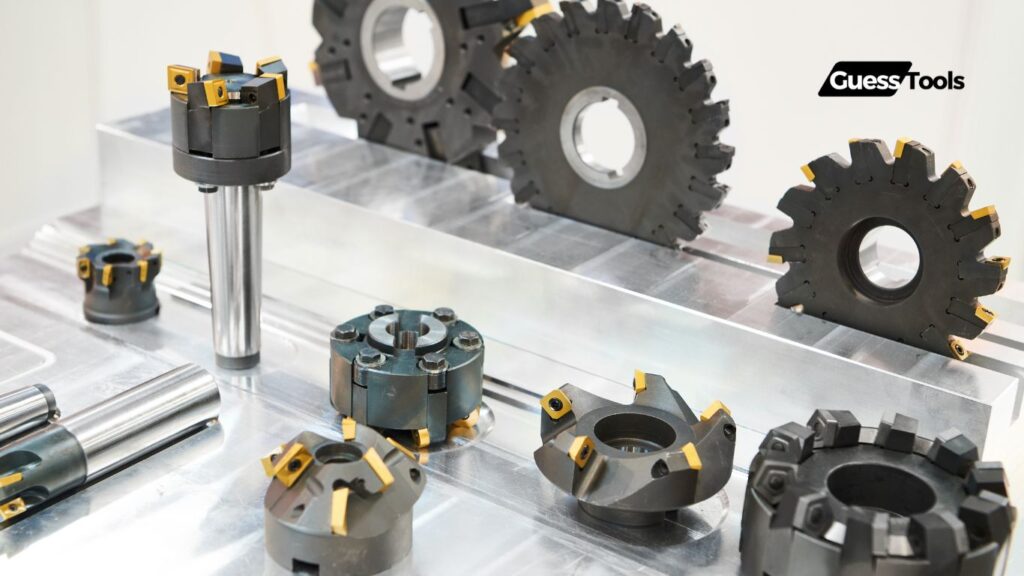
In the fascinating world of carbide inserts, there are a few key elements we must focus on. These components work together to give the inserts their remarkable hardness and strength. Let’s take a closer look at what these materials are, why they are chosen, and how they impact the performance of the inserts.
Essential Materials (Tungsten Carbide, Cobalt, And Additives)
The primary materials used in carbide inserts are tungsten carbide, cobalt, and several additives. Tungsten carbide is a compound that makes the inserts extremely hard and wear-resistant. Its presence is fundamental in creating a hard metal capable of handling tough machining jobs.
Cobalt acts as a binder that holds the tungsten carbide particles together. Additional materials like titanium carbide, titanium carbonitride, and tantalum carbide are also sometimes included to enhance certain properties. These additives can increase the toughness and heat resistance of the inserts.
Why These Materials Are Chosen
Choosing the right materials for carbide inserts is crucial to their effectiveness. Tungsten carbide is favored for its exceptional hardness and ability to cut through metals. This makes it indispensable in machining applications where the material’s strength really shines.
Cobalt is chosen to give the insert toughness, allowing it to withstand impacts without breaking. Additives such as titanium and tantalum carbides provide even greater durability and resistance to heat. Together, these materials form a composite that can survive the intense forces and temperatures present in machining tasks.
The Role Of Cobalt As A Binder
The presence of cobalt in carbide inserts is essential. Think of cobalt as the glue in this hard metal composite. Although tungsten carbide is very hard, it is brittle. Without cobalt, even small shocks could cause cracks. Cobalt helps to prevent this by holding the grains together firmly.
This binding action gives the insert some degree of flexibility and toughness. While tungsten carbide provides the hardness, cobalt contributes significantly to the overall durability of the final product. It’s this balance that allows carbide inserts to perform reliably in industrial applications.
How Material Composition Affects Performance
The composition of materials in carbide inserts determines their performance characteristics. For instance, high concentrations of tungsten carbide lead to higher hardness, which is ideal for cutting hard materials. However, too much tungsten carbide without enough cobalt could make the insert prone to cracking.
On the other hand, increasing cobalt content boosts toughness but might reduce hardness a bit. It’s all about finding the right balance to tailor inserts for specific tasks. Additives like aluminum oxide improve heat resistance, making inserts suitable for high-speed machining where temperatures soar.
By understanding how each material contributes to a carbide insert’s properties, we can appreciate the engineering marvels that these tools are. Whether it’s cutting through tough metals or enduring extreme conditions, these inserts are designed for peak performance.
Manufacturing Process: From Powder To Precision Tool
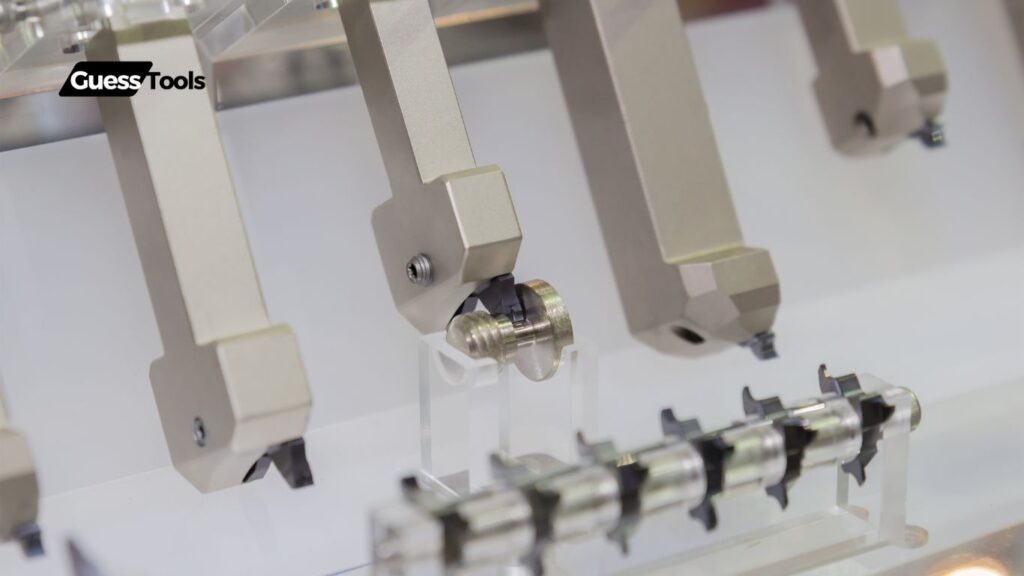
The journey of creating carbide inserts starts with selecting high-quality raw materials and ends with a finished tool ready for demanding machining tasks. Each step in the process, such as mixing, sintering, and finishing, is crucial to achieving the necessary strength and durability these tools require.
Raw Material Preparation
We begin with tungsten carbide powder and cobalt powder, which serve as the foundational materials. Tungsten carbide is incredibly tough and wear-resistant, while cobalt acts as a binder to hold the material together. Precise control of grain size is essential, as it influences the tool’s hardness and strength.
To prepare the powder, we ensure that the materials are adequately refined and free from contaminants. This preparation is what sets the stage for the quality and durability of the final product.
The Mixing And Pressing Process
Once our raw materials are ready, it’s time to mix them. The cobalt powder and tungsten carbide powder need to be combined to form a homogeneous mixture. This mixing is crucial as it affects the uniformity and performance of the carbide insert.
The mixture is then pressed into a desired shape using a high-pressure die. This pressing step determines the initial form of the insert, providing the necessary structure needed for the next stage.
Sintering: The Crucial Transformation
Sintering is where the magic happens. The pressed powder is heated to high temperatures, allowing the particles to bond without melting. During this process, the materials undergo a significant transformation, turning into a solid, dense insert.
The sintering process ensures that the carbide becomes rigid and can withstand extreme machining conditions. This step also reduces porosity, which is vital for the longevity of the insert.
Final Finishing And Quality Control
After sintering, our inserts aren’t quite ready yet. They require final finishing, which may include grinding to achieve precise dimensions and a smooth surface. Quality control checks are performed to ensure that each insert meets strict specifications.
We use techniques like laser measurement and hardness testing to check each insert’s quality and performance. These steps help guarantee that our tools can handle the stresses of machining.
Advanced Manufacturing Techniques (HIP, CVD, PVD)
We often incorporate advanced manufacturing techniques such as Hot Isostatic Pressing (HIP), Chemical Vapor Deposition (CVD), and Physical Vapor Deposition (PVD) to improve product properties. HIP enhances density and strength by applying pressure while maintaining high temperatures, reducing internal voids.
CVD and PVD processes can coat the inserts with materials like titanium nitride (TiN), titanium carbonitride (TiCN), or titanium aluminum nitride (TiAlN). These coatings add wear resistance and heat protection, significantly extending the insert’s lifespan and efficiency.
Selecting The Right Carbide Insert

Choosing the right carbide insert can significantly improve a machining operation. We should focus on various factors such as material compatibility, insert shape, blade quality, and cost-effectiveness.
Factors To Consider When Choosing Inserts
When picking carbide inserts, material compatibility is key. Different materials require certain grades and geometries. We should also think about wear resistance, which helps in rough conditions. The cutting edge must be suited for the job to boost productivity. Insert shapes affect machining angles, so insert shape matters for achieving the desired finish. Let’s not forget insert geometry—angled edges can improve efficiency.
Matching Inserts To Specific Materials And Applications
Matching the right carbide insert to the material and task is crucial. For soft metals like aluminum, a less robust insert might work, while steels need stronger inserts with high wear resistance. For hard materials, we should consider inserts designed for long-lasting performance. Each material and application demands thoughtful choose of insert grade for optimal results.
Common Pitfalls To Avoid
Avoid choosing inserts just based on price. Low-cost inserts may reduce initial expenses but could compromise productivity and require more frequent replacements. Ignoring key factors such as the proper cutting edge or insert shape may result in poor performance. Ensure each characteristic suits the specific machining requirements to avoid these common snags in performance.
Cost-Effectiveness Considerations
Cost-effectiveness isn’t just about the purchase price. Long-term performance and durability can often make higher-priced inserts more economical over time. Think about how insert geometry can maximize productivity, saving costs through increased efficiency. We should weigh these elements to find a balance between cost and performance, ensuring our machining operations remain both effective and economical.
Real-World Applications
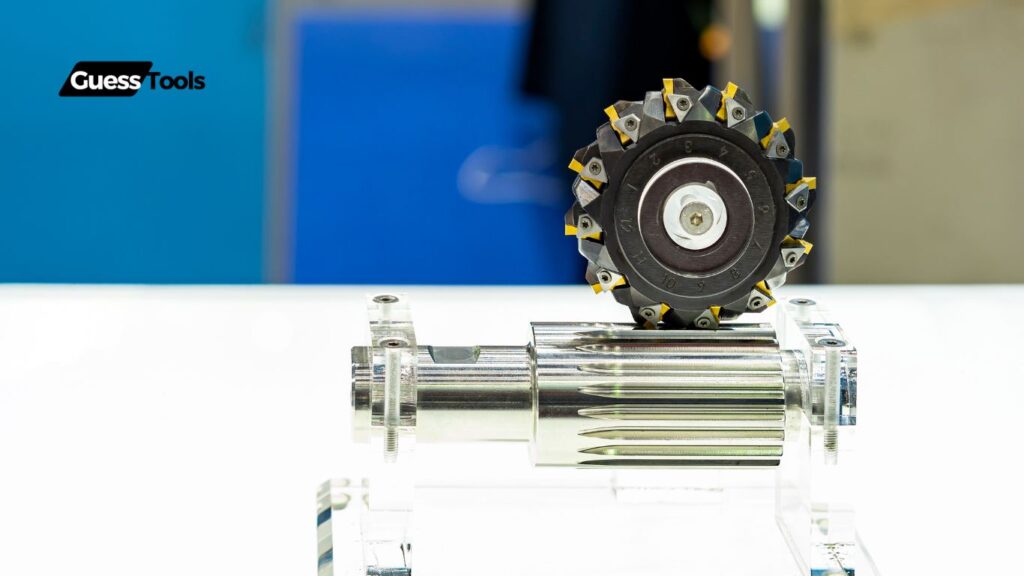
Carbide inserts are essential in various industries due to their durability and precision. They are widely used in demanding environments, such as automotive and aerospace, where precise metal cutting is critical. Let’s explore how different sectors benefit from carbide inserts.
Industry-Specific Uses (Automotive, Aerospace, Electronics)
Carbide inserts have transformed how industries operate. In the automotive sector, they help in precision machining of parts like engine components, ensuring reliability and efficiency. For aerospace, the story is similar as inserts withstand high-stress conditions, crucial for safety. Electronics also use these inserts, especially in manufacturing of circuit boards where detailed machining is needed. Their ability to work with materials like steel, cast iron, and non-ferrous metals makes them versatile across industries.
Success Stories and Case Studies
Real success often tells a story better than raw data. In the mining industry, a company replaced traditional tools with carbide inserts and achieved a 20% improvement in tool life. Similarly, a major construction firm found that using carbide inserts reduced tool replacement frequency by half. These examples highlight how businesses can save costs and boost efficiency by integrating carbide technology into daily operations.
Performance Benchmarks
Have you ever wondered why carbide inserts are so successful? It’s due to benchmarks that measure durability, resistance, and precision. We’ve seen manufacturers guarantee 10% longer tool life compared to other materials. They consistently perform better in high-pressure environments like metalworking and woodworking. Knowing these benchmarks can help in deciding the right fit for specific tasks and materials.
Best Practices for Implementation
Utilizing carbide inserts effectively requires some insider knowledge. First, choosing the right insert grade based on the material is crucial. Do we need it for steel or non-ferrous metals? Proper training on how to use these inserts can prevent misuse. Consistent maintenance and regular replacements enhance their long-term benefits. By following these simple practices, companies can maximize the efficiency and lifespan of their tools.
Maximizing Performance And Longevity
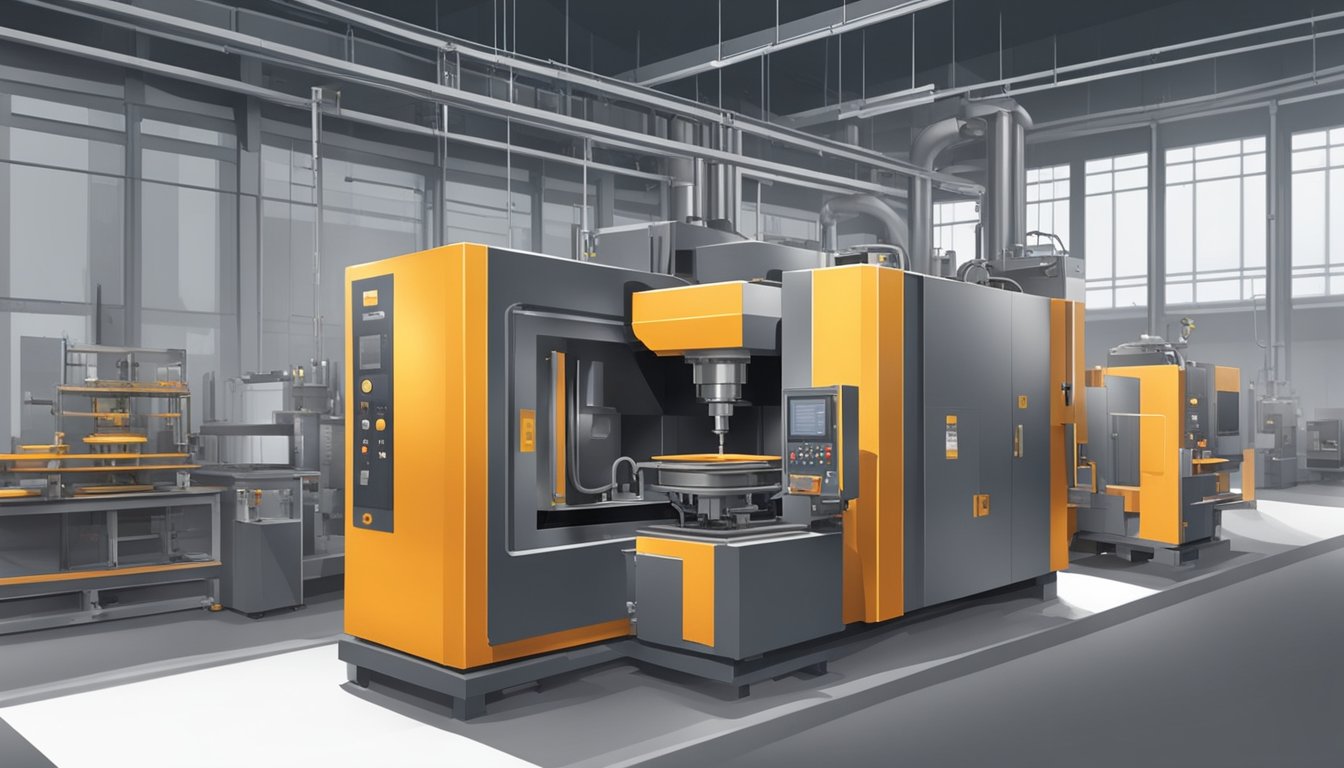
Making carbide inserts last longer and perform better means taking care of them properly. Let’s explore some key strategies to ensure these tools remain efficient and long-lasting.
Proper Handling And Storage
We must treat our carbide inserts with care. Precision is crucial; even minor damage during handling can lead to reduced performance. Always use secure packaging when storing inserts. This prevents them from knocking against each other and chipping.
It’s a good idea to store them in a dry, cool place to avoid corrosion. Keeping them away from humidity and moisture will help maintain their quality. Organizing our storage system will make it easy to find the right insert quickly.
Maintenance Tips
Consistent maintenance can greatly extend tool life. We should regularly inspect the micro-geometry of our carbide inserts, looking for signs of wear. Using a magnifier can help spot small chips or cracks that may worsen over time.
Proper cleaning is essential, removing any debris or buildup. This attention to detail helps maintain chip control, ensuring inserts cut smoothly. Lubrication plays a crucial role, minimizing friction and heat generation during use.
Troubleshooting Common Issues
One common problem with carbide inserts is improper fit. We must ensure they are securely held in place to prevent damage from vibrations. If inserts wear out too quickly, it might be due to incorrect cutting parameters.
Another issue could be poor chip control. This might need adjustments to the cutting speed or angles. Let’s use these observations to make necessary adjustments. Keeping a log of these issues and solutions can prevent future problems.
Optimizing Tool Life
The key to prolonging tool life is optimizing cutting parameters. We must select the right combination of speed, feed rates, and depth of cut. Always align our choices with the material’s hardness and the specific cutting task.
Conduct trials to find the sweet spot for our tools. Changing just one parameter can have a significant impact on tool life and performance. By experimenting, we can gradually refine these conditions to achieve the best results.
Future Of Carbide Insert Technology

We’re diving into the exciting advancements and prospects in carbide insert technology. We’ll explore emerging trends and innovations, delve into new materials and compositions, and assess the industry outlook and market projections. These areas are key to understanding where the technology is headed and how it will impact manufacturing processes worldwide.
Emerging Trends And Innovations
Are you curious about the latest in carbide insert technology? One of the main trends is the push for sustainability and efficiency. More manufacturers are focusing on eco-friendly processes, such as using recyclable materials.
We’re seeing significant advancements in design, with more complex geometries that offer better performance and reduced waste. Another exciting development is the integration of smart technologies in manufacturing. Smart systems can analyze data in real-time, enhancing precision and production efficiency.
New Materials And Compositions
The materials used in carbide inserts are evolving to meet the demands for better durability and performance. Traditionally, tungsten carbide mixed with cobalt has been the staple. But now, we see experimentation with alternative binders like nickel and iron.
Such changes can result in increased toughness and lower production costs. With the adoption of nanotechnology, the grain size of carbide materials is getting smaller, leading to longer tool life and enhanced cutting capabilities. The industry is also exploring mixtures that include rare elements, which might further revolutionize the capabilities of carbide inserts.
Industry Outlook And Market Projections
Let’s consider where the market is headed. The demand for carbide inserts is expected to grow, driven by industrialization in emerging markets, particularly in the Asia-Pacific region.
As infrastructure development surges, so does the need for efficient machining tools. Industry reports suggest that companies focusing on innovation and sustainability will lead the market. With increased investment in research and development, we anticipate more breakthroughs that will keep carbide inserts integral to manufacturing processes. This growth aligns with global trends emphasizing cost-efficiency and eco-conscious practices in production.


